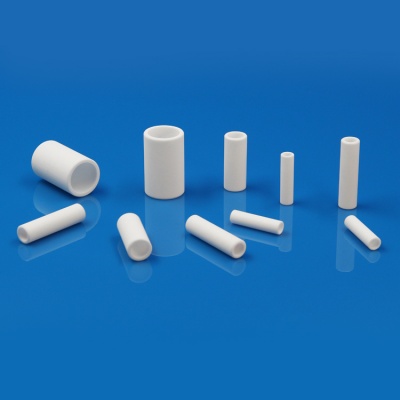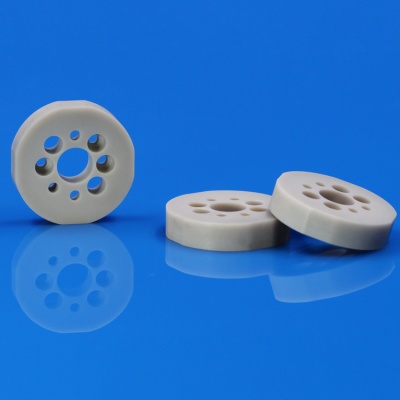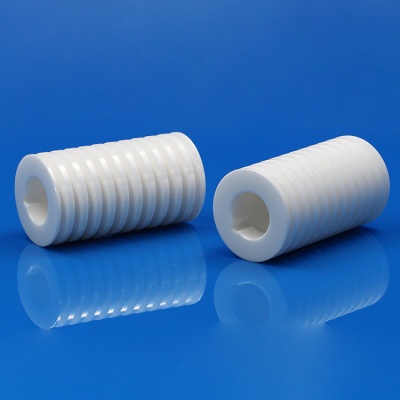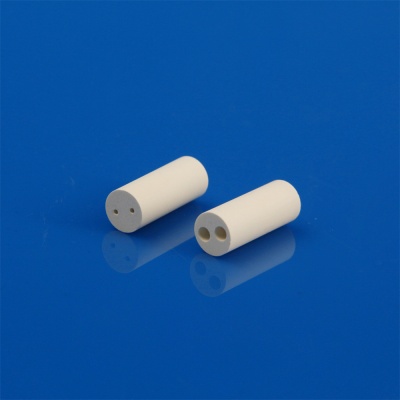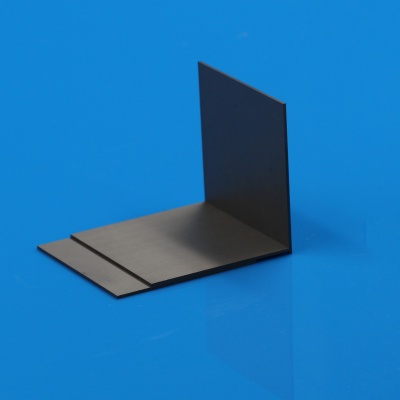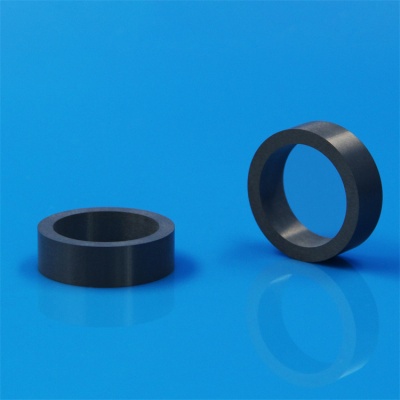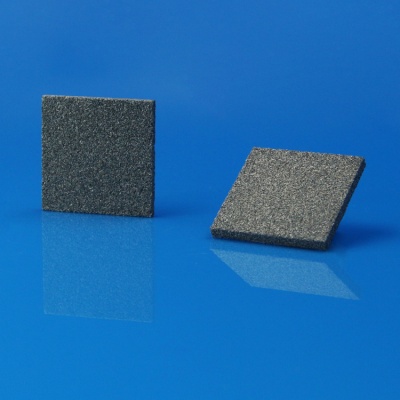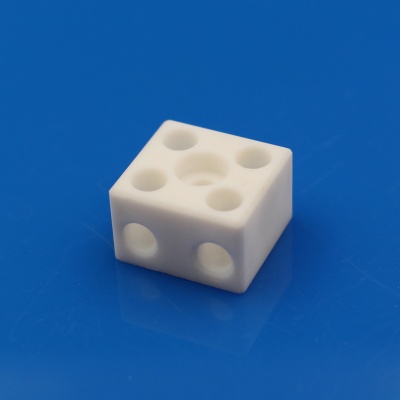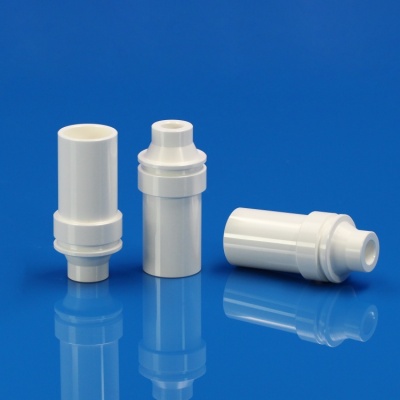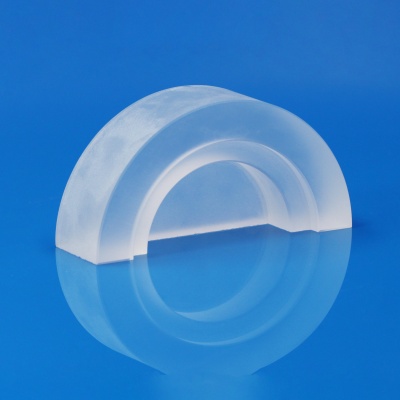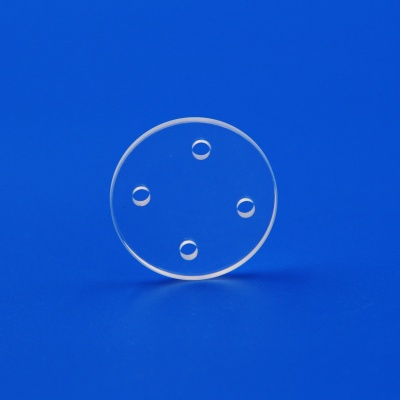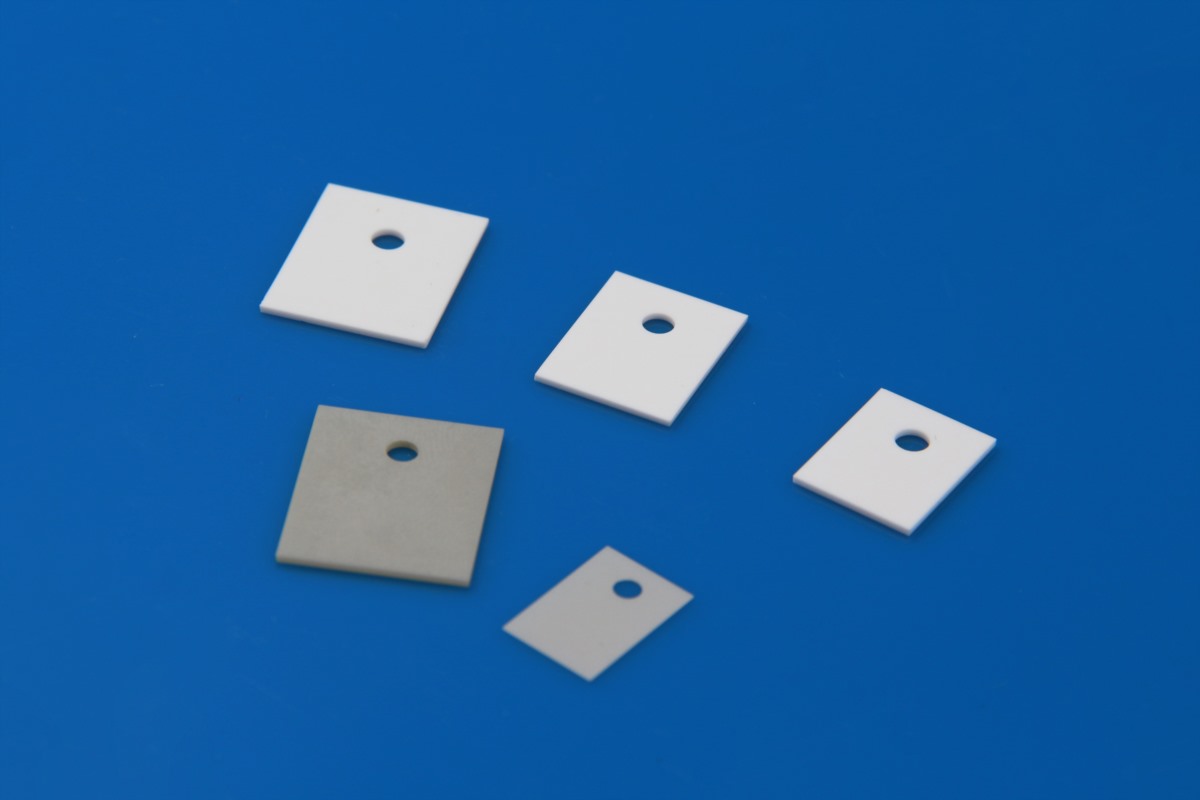
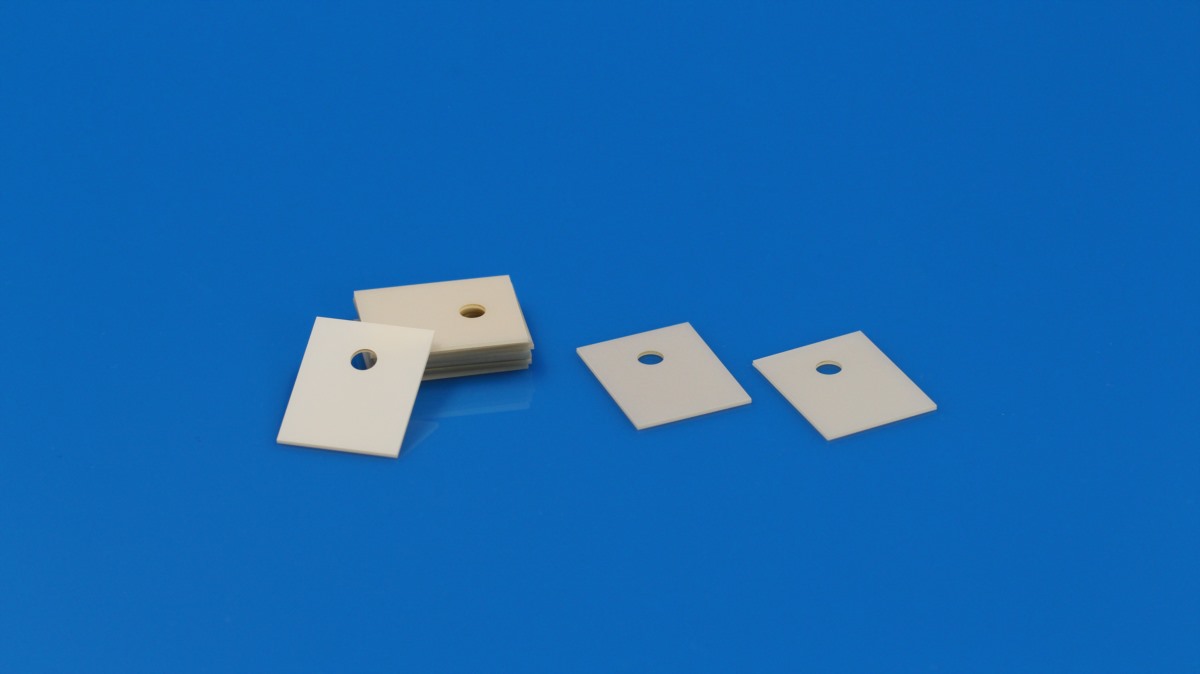

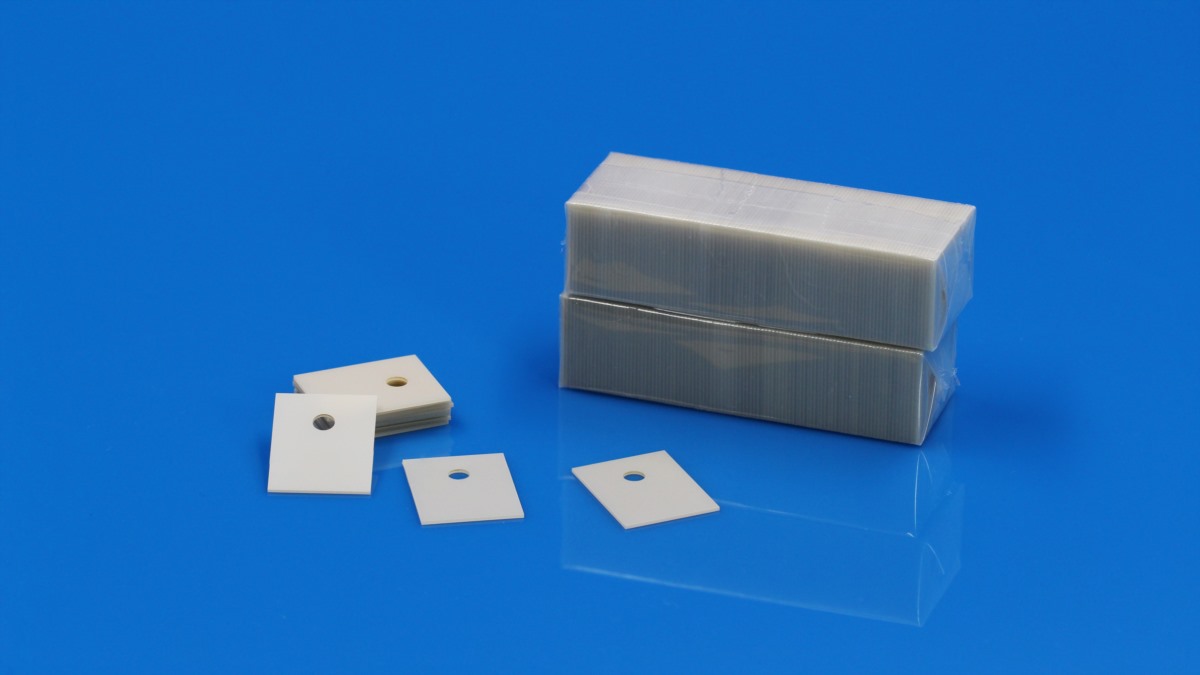
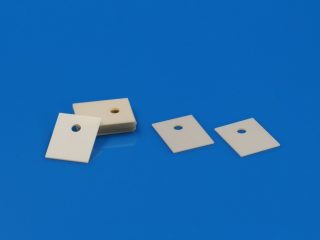

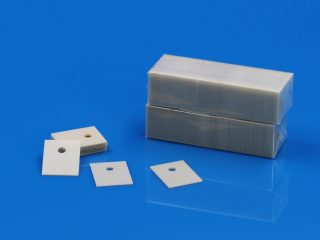
Compare to conventional mica or silicon pad materials, the ceramic insulators material is more beneficial for MOSFETs mounting such as improve the performance of high frequency because of their high thermal conductivity and high electrical resistance. The ceramic insulators mostly choose the 96% alumina and aluminum nitride ceramics material.
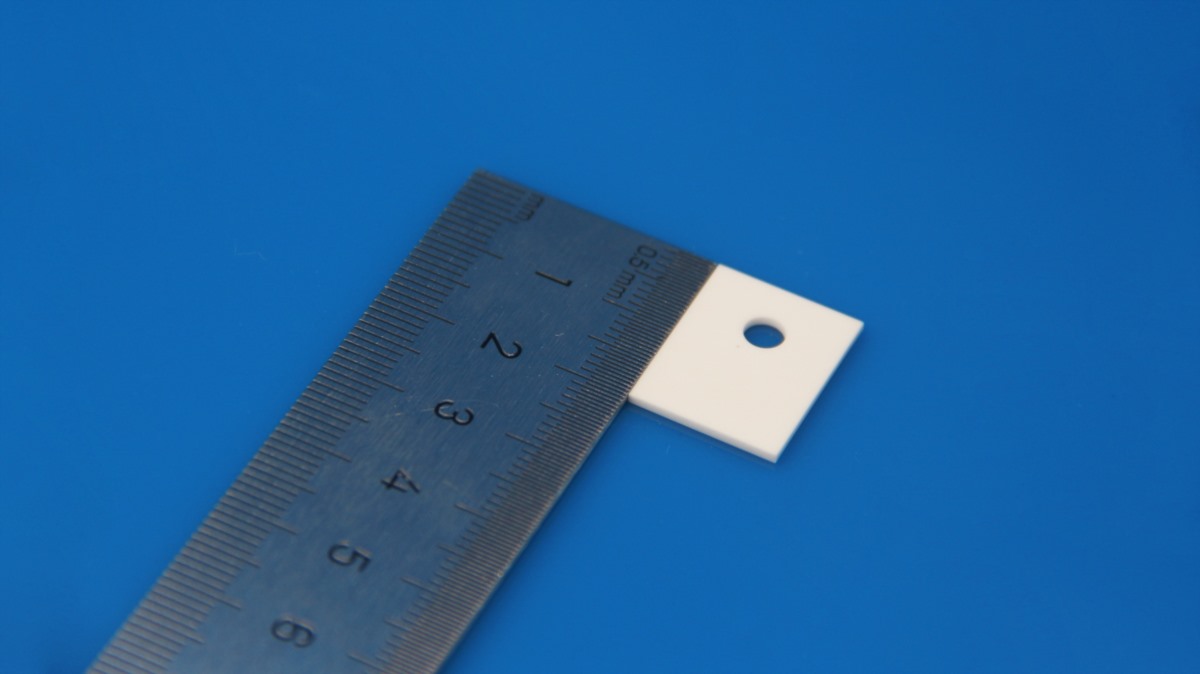
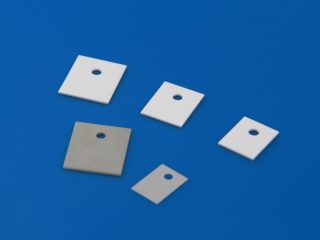
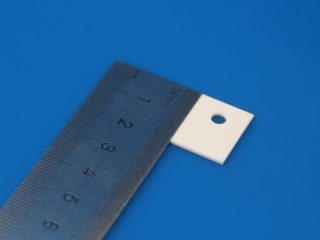
TO-220 Ceramic Insulator Cooling Pads also called as Ceramic Heat Spreader, it is resistant to high temperature and pressure. The surface of the ceramic insulator sheet is smooth, without burrs and burrs. It can Heat evenly, rapid heat dissipation, it is not easy to break, acid and alkali corrosion resistance, durable and so on advantages. Below is the drawing of TO-220 and other customzied TO package ceramic insulators we can make.

For more detail of TO series Ceramic Insulator thermal pads, welcome to contact us.
Declaration: This is an original article of INNOVACERA®. Please indicate the source link when reprinting: https://www.innovacera.com/product/to-220-ceramic-insulator-cooling-pads
Frequently Asked Questions
Why Replace Mica and Silicone with Ceramic Insulator Pads? How Do They Boost High-Frequency MOSFET Performance?
Conventional mica films and silicone thermal pads often puncture, dry out, and degrade under heavy clamping loads and thermal stress. INNOVACERA’s 96% alumina and aluminum nitride (AlN) TO-220 ceramic cooling pads provide superior thermal conductivity combined with high dielectric breakdown strength. Their flat, burr-free surface ensures uniform heat spreading away from MOSFETs and IGBTs, minimizing thermal impedance and parasitic capacitance for superior high-frequency switching performance.
Need Precise Mounting Holes for Transistor Packages? Where Can You Buy TO-220 Ceramic Insulator Pads?
You can buy standard 14 x 20 x 1 mm TO-220 ceramic cooling pads directly from INNOVACERA in standard 100-piece bags or bulk production batches. We supply multiple mounting styles, including 3.8 mm and 5.0 mm pre-drilled screw holes, holeless versions for spring-clip mounting, and fully customized hole layouts tailored to high-voltage power supplies and communication hardware.