technical ceramic solutions

ニュース

Category Archives: ニュース

ホットプレス窒化アルミナの特性

窒化アルミナセラミックスよく使われる焼結方法

熱伝導率の高いAlNセラミックスを作製するためには、焼結工程で2つの問題を解決しなければならないです。一つは材料の緻密性を向上させることです。もう一つは熱伝導率の高い格子中の酸素原子の溶解をできるだけ避けることです。
常温焼結、一般的な焼結方法はいくつかある:
1、常圧焼結
2、熱間加圧焼結
3、高圧焼結
4、大気圧焼結
5、放電イオン焼結
6、マイクロ波焼結

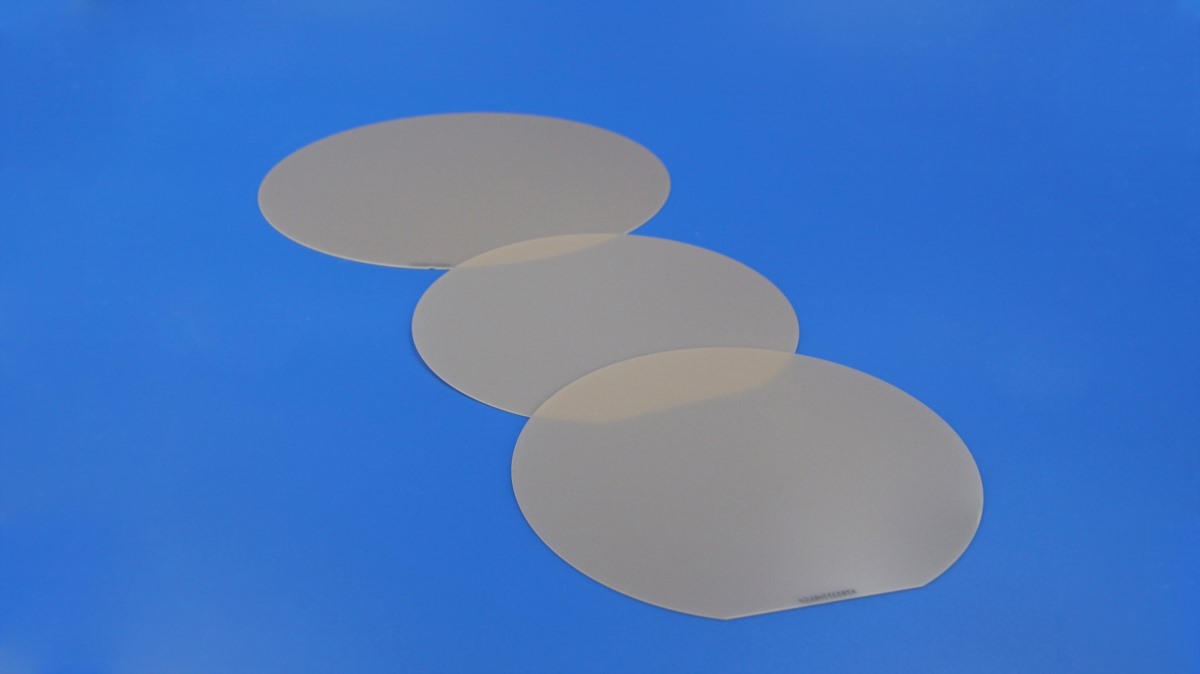
窒化アルミナセラミック板

今回のテーマはホットプレス窒化アルミナ

窒化アルミナセラミックスの焼結温度を下げ、セラミックスの緻密化を促進するために、窒化アルミナセラミックスは、高熱伝導率緻密化AlNセラミックスを調製するための主要なプロセス方法の一つである熱間加圧焼結によって調製することができます。いわゆる熱間加圧焼結は、一定の圧力下でセラミックスを焼結することで、加熱焼結と加圧成形を同時に行うことができます。密度3.26g/cm3、熱伝導率200W/(m.K)のAlNセラミックス焼結体を、25MPa、1700℃の高圧で4時間焼成して作製しました。AlN格子の酸素含有量は0.49wt%であり、1800℃で8時間焼結したAlN焼結体(1.25wt%)に比べて60%以上低く、熱伝導率が向上しました。

窒化アルミナセラミックス板

厦门英诺华(イノファ)新材料有限公司

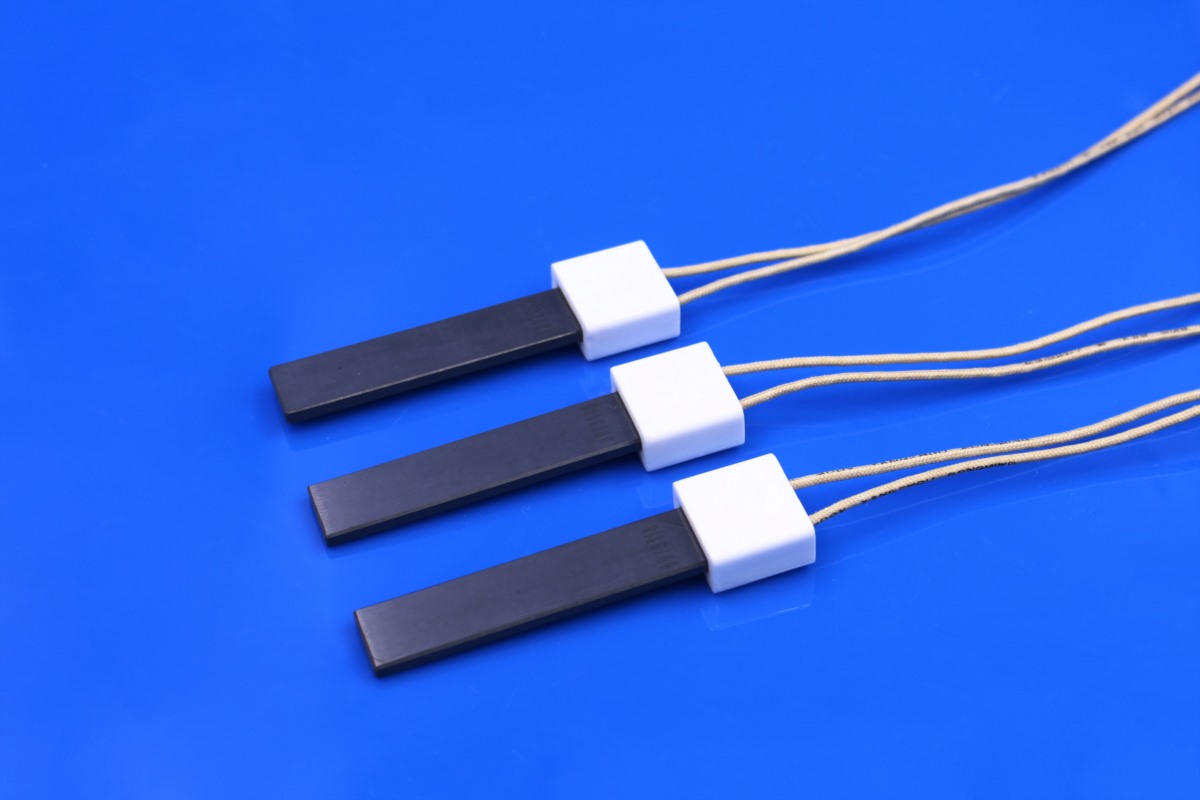
当社は、窒化アルミナセラミック材料用の高度な生産ラインと高精度の加工能力を有しています。現在、当社は6~12インチのさまざまなサイズの窒化アルミナセラミックウェハーと、直径320mm、厚さ26mmを超える大型窒化アルミナセラミックプレートの生産が可能です。これらの大型ALNセラミックウェハは、高熱伝導性窒化アルミナヒーティングパッドの製造に使用できます。


Advanced Ceramics Show on The 9th China (Jingdezhen) International Ceramic Fair

The 9th China (Jingdezhen) International Ceramic Fair on 18th-22th Oct 2012,

The principal exhibitions of the Fair include:
1, Daily-use Ceramics
2, Creative Ceramics
3, Overseas Ceramics
4, Advanced Ceramics
5, Ceramic Packaging
6, Tea-sets & Tea-ceremonies
7, Art Ceramics
8, Contemporary International Ceramic Exhibition
9, Exhibition of Finest Ceramics from Ten Famous Kiln Sites

Some interesting products show as below;

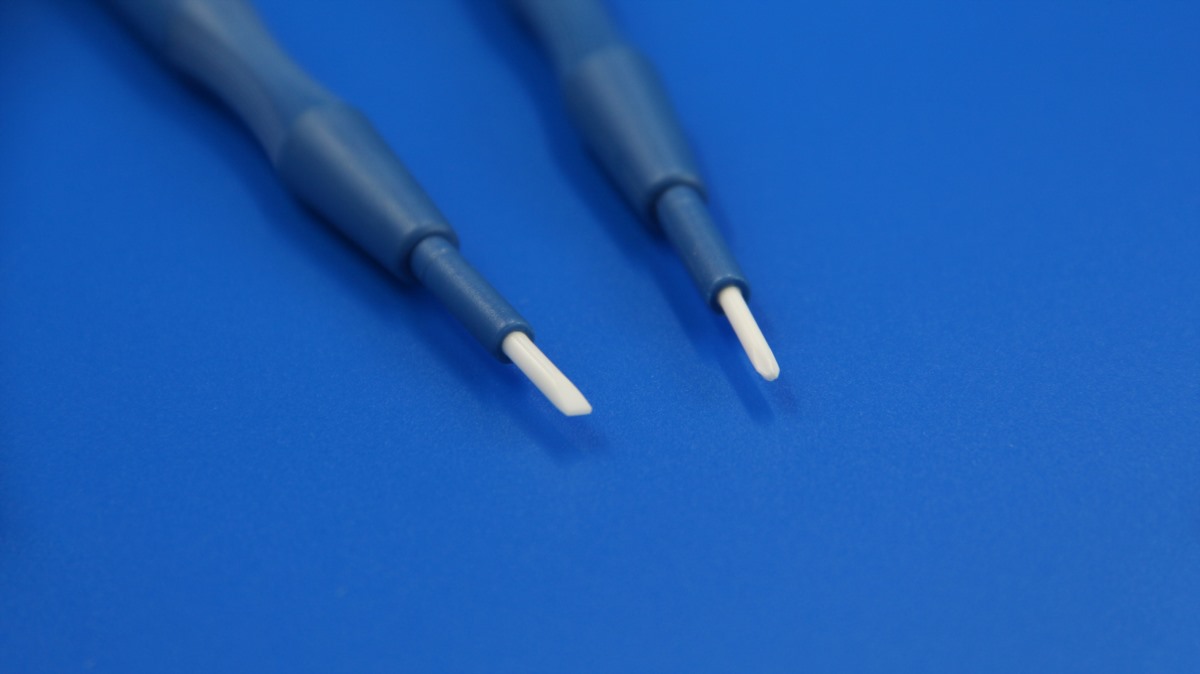
Alumina Ceramic Pen

Alumina Ceramic Pen

Alumina Ceramic Bend Tube

Alumina Ceramic Bend Tube

Alumina Ceramic Faucet with applique galze

Alumina Ceramic Faucet with applique glaze

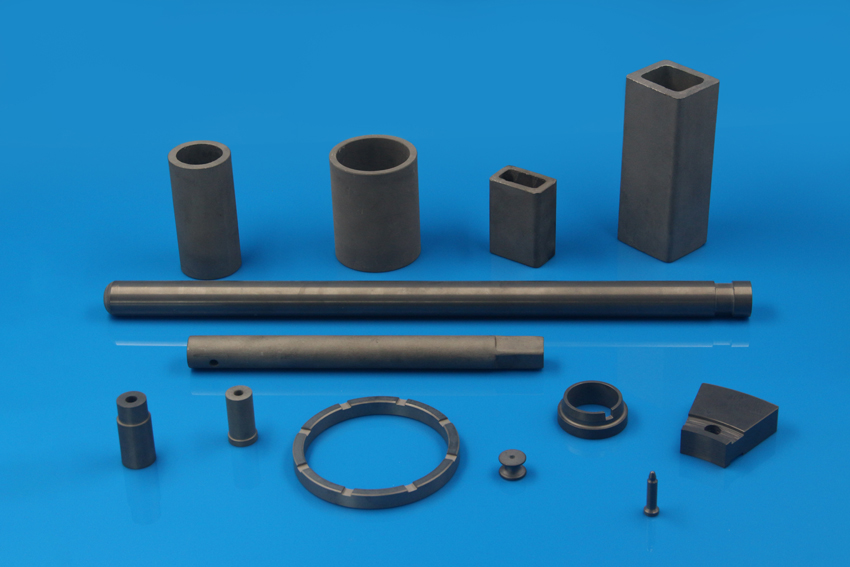
Alumina Ceramic Tube and Ring

Alumina Ceramic Tube and Ring

Other Advanced Ceramic Components

Other Advanced Ceramic Components

Advanced Ceramic Components for daily-used

Advanced Ceramic Components for daily-used

Ultra-thin Transparent Ceramic Lighting

Ultra-thin Transparent Ceramic Lighting

Zirconia Ceramic Components

Zirconia Ceramic Components

Zirconia Ceramic Roller

Zirconia Ceramic Roller


Introductions of Alumina Ceramics Materials

alumina ceramic components

At present, innovacera’s alumina ceramics material is including two types: high-purity and ordinary.

The high-purity alumina ceramic series is the ceramic material with Al2O3 content of over 99.9%. Due to its sintering temperature up to 1650-1990C and transmission wavelength of 1 ~ 6μm, it is usually made into molten glass to replace the platinum crucible: Cause its light transmittance and alkali metal corrosion resistance, it can be used as a sodium tube for HID application; in the electronics industry, it can be used as integrated circuit ceramics substrate and high-frequency insulating materials.

According to the difference in Al2O3 content, the ordinary type alumina ceramic series is divided into 99 ceramics, 95 ceramics, 90 ceramics, 85 ceramics etc. The ceramics with Al2O3 content of 80% or 75% is also classified as ordinary alumina ceramic series. Innovacera produce alumina all is above 92% Alumina.

Among these, 99 alumina ceramic materials are used for producing high-temperature crucible, refractory furnace tubes and special wear-resistant materials such as ceramic bearings, ceramic seals and valve films and so on.

95 alumina ceramics are mainly used as corrosion-resistant and wear-resistant parts.

85 ceramics are often mixed in some steatites, thus improving electrical performance and mechanical strength.

It can be sealed with molybdenum, niobium, tantalum and other metals and some are used as electro-vacuum devices.


Could ancient Egyptians hold the key to 3D printed ceramics?

A 7,000 year old technique, known as Egyptian Paste (also known as Faience), could offer a potential process and material for use in the latest 3D printing techniques of ceramics, according to researchers at UWE Bristol.

Professor Stephen Hoskins, Director of UWE’s Centre for Fine Print Research and David Huson, Research Fellow, have received funding from the Arts and Humanities Research Council (AHRC to undertake a major investigation into a self-glazing 3D printed ceramic, inspired by ancient Egyptian Faience ceramic techniques. The process they aim to develop would enable ceramic artists, designers and craftspeople to print 3D objects in a ceramic material which can be glazed and vitrified in one firing.

The researchers believe that it possible to create a contemporary 3D printable, once-fired, self-glazing, non-plastic ceramic material that exhibits the characteristics and quality of Egyptian Faience.

Faience was first used in the 5th Millennium BC and was the first glazed ceramic material invented by man. Faience was not made from clay (but instead composed of quartz and alkali fluxes) and is distinct from Italian Faience or Majolica, which is a tin, glazed earthenware. (The earliest Faience is invariably blue or green, exhibiting the full range of shades between them, and the colouring material was usually copper). It is the self-glazing properties of Faience that are of interest for this research project.

Current research in the field of 3D printing concentrates on creating functional materials to form physical models. The materials currently used in the 3D printing process, in which layers are added to build up a 3D form, are commonly: UV polymer resins, hot melted ‘abs’ plastic and inkjet binder or laser sintered, powder materials. These techniques have previously been known as rapid prototyping (RP). With the advent of better materials and equipment some RP of real materials is now possible. These processes are increasingly being referred to as solid ‘free-form fabrication’ (SFF) or additive layer manufacture. The UWE research team have focused previously on producing a functional, printable clay body.

This three-year research project will investigate three methods of glazing used by the ancient Egyptians: ‘application glazing’, similar to modern glazing methods; ‘efflorescent glazing’ which uses water-soluble salts; and ‘cementation glazing’, a technique where the object is buried in a glazing powder in a protective casing, then fired.These techniques will be used as a basis for developing contemporary printable alternatives

Professor Hoskins explains, “It is fascinating to think that some of these ancient processes, in fact the very first glazed ceramics every created by humans, could have relevance to the advanced printing technology of today. We hope to create a self-glazing 3D printed ceramic which only requires one firing from conception to completion rather than the usual two. This would be a radical step-forward in the development of 3D printing technologies. As part of the project we will undertake case studies of craft, design and fine art practitioners to contribute to the project, so that our work reflects the knowledge and understanding of artists and reflects the way in which artists work.”

The project includes funding for a three-year full-time PhD bursary to research a further method used by the Egyptians, investigating coloured ‘frit’, a substance used in glazing and enamels. This student will research this method, investigating the use of coloured frits and oxides to try and create as full a colour range as possible. Once developed, this body will be used to create a ceramic extrusion paste that can be printed with a low-cost 3D printer. A programme of work will be undertaken to determine the best rates of deposition, the inclusion of flocculants and methods of drying through heat whilst printing.

This project offers the theoretical possibility of a printed, single fired, glazed ceramic object – something that is impossible with current technology.


New Book Analyzes Different Processing Techniques of Ceramics and Composites

Research and Markets has included a new book titled ‘Ceramics and Composites Processing Methods’ to its catalogue.

John Wiley and Sons’ new book analyzes the latest fabrication and processing techniques of ceramics and their composites. Advanced ceramic materials hold potential in a wide variety of fields, including aerospace, health, communications, environmental protection and remediation, energy and transportation.

By providing a detailed analysis of major processing methods for ceramics and composites, this book enables manufacturers to select the appropriate processing technique for producing their ceramic products and components with the required properties for different industrial applications.

With content provided by internationally renowned ceramics experts, the new book discusses both conventional fabrication methods and latest and emerging techniques to fulfill the growing demand for highly reliable ceramic materials. In this book, processing techniques for ceramics and composites are classified into sections, namely Densification, Chemical Methods and Physical Methods.

‘Densification’ section covers the basics and processes of sintering, viscous phase silicate processing and pulsed electric current sintering. ‘Chemical Methods’ section analyzes combustion synthesis, reactive melt infiltration, chemical vapor infiltration, chemical vapor deposition, polymer processing, gel casting, sol-gel and colloidal techniques. ‘Physical Methods’ section discusses techniques such as plasma spraying, electrophoretic deposition, microwave processing, solid free-form fabrication, and directional solidification.

Each chapter analyzes a specific processing method in detail. Together, these chapters provide readers extensive and advanced scientific data on different types of methods, techniques and approaches utilized for the fabrication and processing of cutting-edge ceramics and ceramic composites. The book is useful for students and scientists pursuing materials science, ceramics, nanotechnology, biomedical engineering and structural materials.


Multi-Lab Introduces Precision Ground and Polished Zirconia Zirconium Oxide (ZrO2) Capabilities

The latest in a long line of new materials, products and services, is the introduction of Precision ground and polished Zirconia  Zirconium Oxide (ZrO2).

The Multi-Lab group, has an enormous amount of experience in grinding lapping and polishing quartz built up over many years. The Board of Multi-lab could see the opportunity immediately with most if not all of the equipment already in place, it was more a case of investment into the correct and separate diamond tooling.

So as to ensure there is no cross contamination of materials, a very big concern when using subcontract grinding companies, many of whom use the same wheels / tooling for all materials, (Hard metals such as Tungsten Carbide Ect) which can result in submicron metal particles being embedded into the surface of the ultra-pure ceramic, This is very often, completely unacceptable for a ceramic / zirconia application, as many are used in the, Chemical, Food and Medical industries.

Zirconium Oxide is a very versatile material, with very specific properties.

Typically Zirconium Oxide used in the production of:

  1. Wear and corrosion  Acid / Alkali resistant pump parts, Shafts, Bearings & Liners  ect
  2. Dosing pumps, pistons and bodies.
  3. Cutting blades, Industrial, as well as kitchen knives
  4. Seals & Valves
  5. Tips for sensors

Zirconia is generally stabilized with either Yttria or Magnesia but Alumina toughened is also available. Some grades can operate in excess of 2000 deg C but with a limited life the higher you go.

Typical advantages over many other ceramic materials:

  • High Toughness
  • High Hardness
  • High Wear resistance
  • High Strength
  • High resistance to fracture with a good modulus of elasticity
  • Low thermal conductivity
  • Excellent resistance to Acid / Alkali corrosion

Due to a combination of high density and very fine particle size, Multi-Lab have been constantly achieving better than Ra 0.025 um.

Zirconia is also, often the choice of ceramic for bonding to steel due to a very similar thermal expansion.


What are Ceramics?

What are Ceramics?

Ceramics encompass such a vast array of materials that a concise definition is almost impossible. However, one workable definition of ceramics is a refractory, inorganic, and nonmetallic material. Ceramics can be divided into two classes: traditional ceramics and advanced ceramics.

Traditional ceramics include clay products, silicate glass and cement
Advanced ceramics consist of carbides (SiC), pure oxides (Al2O3), nitrides (Si3N4), non-silicate glasses and many others.

In general, advanced ceramics have the following inherent properties:

  • Hard (wear resistant)
  • Resistant to plastic deformation
  • Resistant to high temperatures
  • Good corrosion resistance
  • Low thermal conductivity
  • Low electrical conductivity

However, some ceramics exhibit high thermal conductivity and/or high electrical conductivity.

The combination of these properties means that ceramics can provide:

  • High wear resistance with low density
  • Wear resistance in corrosive environments
  • Corrosion resistance at high temperatures

Ceramics offer many advantages compared to other materials. They are harder and stiffer than steel; more heat and corrosion resistant than metals or polymers; less dense than most metals and their alloys; and their raw materials are both plentiful and inexpensive. Ceramic materials display a wide range of properties which facilitate their use in many different product areas.

  • Aerospace: space shuttle tiles, thermal barriers, high temperature glass windows, fuel cells
  • Consumer Uses: glassware, windows, pottery, Corning¨ ware, magnets, dinnerware, ceramic tiles, lenses, home electronics, microwave transducers
  • Automotive: catalytic converters, ceramic filters, airbag sensors, ceramic rotors, valves, spark plugs, pressure sensors, thermistors, vibration sensors, oxygen sensors, safety glass windshields, piston rings
  • Medical (Bioceramics): orthopedic joint replacement, prosthesis, dental restoration, bone implants
  • Military: structural components for ground, air and naval vehicles, missiles, sensors
  • Computers: insulators, resistors, superconductors, capacitors, ferroelectric components, microelectronic packaging
  • Other Industries: bricks, cement, membranes and filters, lab equipment
  • Communications: fiber optic/laser communications, TV and radio components, microphones


World’s medical ceramics market pegged at $10B+

Edited By Peter Wray • September 7, 2012


Global requirement for medical device coatings by region, 2010-2017. Credit: BCC Research.

Next week ACerS will be holding its first Innovations in Biomedical Materials conference with aim of generating some synergy from representatives of the materials research, manufacturing and medical communities.

Some of the goals laid out for the conference are:

  • Share and explain technical advancements
  • Facilitate product innovations; and
  • Identify potential new applications.

These aren’t pedestrian matters. It’s fair to say that there are a lot of people in the materials science community that think we are on the brink of bringing an enormous and amazing range of new applications (e.g., novel biocompatible materials, sensors, delivery systems and imaging systems) to the medical community.

Of course, the most important aspect is identifying new ways of improving the human condition through better healing methods, improved disease detection and treatments, advanced prosthetic devices, etc.

From a business perspective, there seems to be a huge opportunity. A lot of businesses are looking at demographics, treatment trends, engineering breakthroughs and so on, and are starting to make some estimates of how valuable this field is.

Even with current technologies, the market seems huge. For example, a recent report from Market Research.com valued the 2011 global medical ceramics market at $10.4 billion and estimates it will reach $13.1 billion by 2017. Ceramic technology developments have contributed heavily to the development of implantable electronic devices. The authors of the report noted that ceramic materials are “ideal for a range of medical implant applications, from artificial joints to implantable electronic sensors, stimulators and drug delivery devices.” The authors also highlight the role of alumina and zirconia for dental uses, orthopedic repair applications, implantable electronic devices and surgical and diagnostic instruments.

Here’s another window into the potential business opportunity: A BCC Research report issued earlier this year estimates that the global medical device coating market, alone, reached $5.4 billion in 2011 and predicts it will grow to $8 billion in 2017. The authors looked at a wide range of materials and related innovations, including alloys, ceramics, hybrids, energy-absorbing, micro- and nanomaterials, protective polymers and surface treatments. A separate BCC Research report places the North American market just for high-performance ceramic coatings (including thermal spray and chemical and physical vapor deposition technologies) at $1.4 billion in 2011, an amount researchers say should grow to $2.0 billion by 2016.

Of course, the materials world is much broader than ceramics. There are also polymers, metals, composites and hybrid materials that have to be factored in before the size of the entire market can really be captured. At the broadest level, a thorough market evaluation would even extend to devices such as laser-based devices and next-generation CT machines.

Biomedical materials is an exciting field to watch these days, and I have to admit that I’m really looking forward to providing some blog posts based on the presentations at next week’s meeting. Stay tuned.

Linked: http://ceramics.org/


Metallization of Ceramics-Pushing the Boundaries

Technical ceramics are favored in a wide range of electronics and engineering applications for their chemical and mechanical properties. Compared to metals, they are stronger in compression, especially at higher temperatures. Ceramics have a good thermal stability (i.e. a low coefficient of thermal expansion) and good thermal and electrical resistance. They are also hard, and have excellent dimensional stability.

As a result, the list of applications for technical ceramics is long and varied, including, for example: aerospace engine blades, rings and valve components, industrial pump bearings, cutting tools and die parts, medical instruments, and wide uses in the electronics industry as a substrate and in specialized vacuum components.

Ceramic-Metal Bonding

For many applications it is often necessary to join ceramic to metal to create the finished part.

Metallized Ceramic ComponentsCeramic-metal bonding is one of the biggest challenges that has faced manufacturers and users over the years because of the inherent differences in the thermal expansion coefficients of the two types of materials. Various methods are available, including mechanical fasteners, friction welding, and adhesive bonding, but by far the most widely used and effective method for creating a leaktight, robust joint between ceramic and metal is by brazing. This starts with the chemical bonding metallization of the ceramic to create a wettable surface on which braze alloy will flow between the two components during the brazing process.

Morgan Advanced Ceramics is a worldwide designer and manufacturer of metallized ceramic components, producing custom parts for applications ranging from very small volume production runs of high-value components for special projects to high-volume manufacture of precision designs. Here are two examples.

Example 1: A Unique Engineering Challenge

ISIS, a world-class spallation neutron source based at the CCLRC Rutherford   Appleton Laboratory, Oxfordshire, UK commissioned a series of highly specialized metallized ceramic components from Morgan Advanced Ceramics as part of a major expansion project to build a Second Target Station (TS-2).

The components are a fundamental part of instrumentation, monitoring the intensity of the extracted proton beam (EPB). Ceramic vacuum tubes used in the first target station were sealed with Indium wire, but experience proved that these became unreliable if disturbed. Metallized ceramic offered a solution that provides a 100% reliable vacuum seal within the very tight tolerances of the design

There were two key challenges: first, to come up with a design and a manufacturing process that would produce a robust, high integrity vacuum seal (leak rate 10-8mbar l/s) across a large component (200 mm diameter); second, to solve the problem of the differences in thermal coefficient between the alumina ceramics of the tube and its mild steel flanges. A very tight specification was set for the physical dimensions and cleanliness of the components because of the nature of the project.

Metallized Ceramic InsulatorsThe ISIS assembly is 158 mm long with two nickel-plated mild steel flanges 240 mm in diameter, insulated from each other by a preformed diamond ground alumina ceramic insulator. To ensure hermetic integrity of the assembly, the ceramic is brazed in a hydrogen/nitrogen furnace at 850°C to two flanges made of nickel iron cobalt steel, chosen because it provides the best thermal expansion match to the ceramic. This process is achieved by applying a moly-manganese coating, which is sintered at 1,400°C, then electroplating a layer of nickel. The ceramic/metal-brazed subassembly is then welded to the mild steel flanges with a stainless steel interface and machined to the final dimensions.

The order from ISIS was for 13 components, supplied by the end of 2006. As is usually the case with this sort of project, neither time nor budget was available to produce a prototype to refine the process, so the experience and expertise of the specialist team were relied on to get it right first time. Problems were solved as they arose and all the components were delivered.

Example 2: Precision and Consistency

For another customer, Morgan Advanced Ceramics manufacturers metallized ceramic components forvacuum electronic devices used in continuous wave and pulsed radar systems, such as those for fighter aircraft.

Here the challenge is to push the performance envelope of the materials to meet the industry’s demand for higher frequencies. This means smaller components with the same physical properties as their larger cousins, and calls for very high precision engineering and close quality control to ensure consistency throughout production.

For example, the smallest part made in this way is a cylinder with an internal diameter of just 0.2 in. The internal surface is metallized to a very tight thickness tolerance, within 0.007-0.0012 in. The metallization process used is based on molybdenum-manganese (MoMn) refractory ink systems developed in-house by Morgan Advanced Ceramics and is matched to specific high purity alumina ceramic bodies to ensure consistent high strength bonds. The glass phases in the MoMn metallization bond with the glass phases in the ceramic to form the bond. The metallized surface receives a secondary coating of nickel to seal and improve wettability for later brazing.

Conclusion

Advanced ceramics are meeting the needs for higher performance critical components in a wide variety of applications. Through a detailed understanding of ceramic-metal bonding techniques, such as the metallization process, designers and manufacturers are better able to devise these key components.


Applications for Ceramic Gas Diffusers

By Steve Deiters

Porous stone diffusers have been used to disperse high volumes of fine bubbles in very dense gas patterns in a wide variety of applications for literally hundreds of years. Applications range from oxygen transfer in wastewater treatment plants, to disinfection of potable water with ozone, stripping of volatile organic compounds in manufacturing processes and groundwater remediation sites, and many others.

Ceramic fine bubble diffusers come in a variety of shapes and sizes ranging from domes and discs that operate in a vertical format to tubular or rod styles designed for use in a horizontal format. Materials of construction for ceramic diffusers range from the original porous slag to silica and the high performance fused aluminum oxide materials of today. The evolution of ceramic diffusers has been driven by the need for consistent operation and higher degrees of compatibility with a wide variety of hostile operating environments.

Typical ceramic tubular diffuser and ceramic dome fine bubble diffusers of varying porosities for industrial applications.

The most widely found use for ceramic diffusers is in biological treatment applications that require high mass transfer rates of oxygen interfacing with liquid, such as wastewater treatment. They are also used for the disinfection of potable water with ozone gas. Such systems have been in use in Europe for quite some time but have been slow to evolve in the United States. That is partially due to the slow acceptance of new technology in the U.S. and the expense of replacing existing infrastructure.

Ceramic dome diffusers installed on a conversion header in an existing system originally designed for horizontal format diffusers. From previous operation a reddish patina formed on the header pipes from mineral content in water source.

Non-Traditional Applications

As with all devices and hardware used in process technologies, improvements in the technology set the stage for alternative application that before had no easy solutions. One problem solved with ceramic fine bubble diffusers is the treatment of groundwater contaminated with volatile organic hydrocarbons. VOCs can originate from a variety of sources ranging from gas stations with deteriorating underground fuel tanks to industrial or military sites where hydrocarbons, solvents, and other contaminants have percolated down and found their way into the water table.

The more traditional approach for groundwater remediation involves pumping the groundwater from the contaminated plume into a tank for treatment. Once the VOCs have been volatilized and removed, the water is pumped back into the ground in a closed loop basis. This approach tends to be capital and manpower intensive, but the simplicity of design makes it desirable for many applications.

An approach gaining increasing acceptance in recent years is the instu treatment of groundwater contaminated with hydrocarbons. This is achieved by identifying the extent of the contaminated groundwater plume by sinking wells and testing the groundwater. Once the size and extent of the plume is established the well casings can be used in the treatment process.

Ceramic tubular diffusers are horizontal format devices by design and typically are installed parallel to the bottom of a vessel. For insitu groundwater applications the tubular diffusers are rotated and used as a lance that is inserted into a well casing. The exterior of the diffusers are then packed with media and sealed using application specific packing materials to maximize the efficiency of the process. The diffuser is connected to the gas source such as air, oxygen, ozone or others as required for a successful remediation process.

The function of the system is based on the natural movement and flow of the groundwater water coming in contact with the active area of the gas diffuser. The media provide an added benefit by slowing the rise rate of the bubbles in this type of installation. The number of wells required is driven by the severity of the remediation requirement, size of the contaminated plume, and the extent that it has travelled.

Ceramic diffusers can also be used for pH adjustment in wastewater treatment applications. This is accomplished by using commercially available sources of carbon dioxide and interfacing the gas with the flow in a trough or a tank.

Ceramic fine bubble diffusers can create a large volume of bubbles for interfacing with resultant surface area interfacing with liquids to perform a variety of tasks

Some installations with a need for pH adjustment may also have access to flue gas, an acidic by-product of combustion in manufacturing or facility heating processes. A side stream of flue gas can be pumped to the diffusers and works in conjunction with solenoids or actuated ball valves and a pH controller to achieve the targeted level of pH adjustment prior to discharge. In those cases, handling of dangerous chemicals and their ongoing cost is eliminated and a previously wasted by-product of operation is put to use in what could be considered a “green” application.

Fine bubble diffusers have also been used for boosting levels of dissolved oxygen in wastewater or process streams prior to discharge to municipal systems or streams. The final dissolved oxygen level is typically driven by prevailing local, regional, or national enforcement guidelines.

Retrofits

Ceramic diffusers can offer a viable hardware alternative when upgrading systems. Many older installations often had tubular or rod style diffusers which were the diffuser of choice for many years. The major stumbling block to system upgrades is the need to reformat the piping manifold and headers from a system that was designed for horizontal format diffusers (tubular style) to one that can accommodate vertical format (dome style) diffusers.

One solution to the problem uses the existing manifold and header system with tubular replacement header adaptors fabricated to accept multiple ceramic dome diffusers. The existing tubular diffuser is removed and the adaptor “header” is threaded into place with the vertical format connections located at the 12 o’clock position for final installation. The changeover can literally be accomplished in hours rather than weeks or months.


About the Author: Steve Deiters is president of Diffused Gas Technologies Inc. of Lebanon, Ohio. The company is a manufacturer of fine and coarse bubble air/gas diffusers and systems used in the water and wastewater treatment industries. He has held marketing, project management, and technical positions with pollution control equipment manufacturers such as Pollution Control Inc. and Clow Waste Treatment Division as well as capital equipment manufacturers serving the process and electronics industries.


お問い合わせ