What are Ceramics?
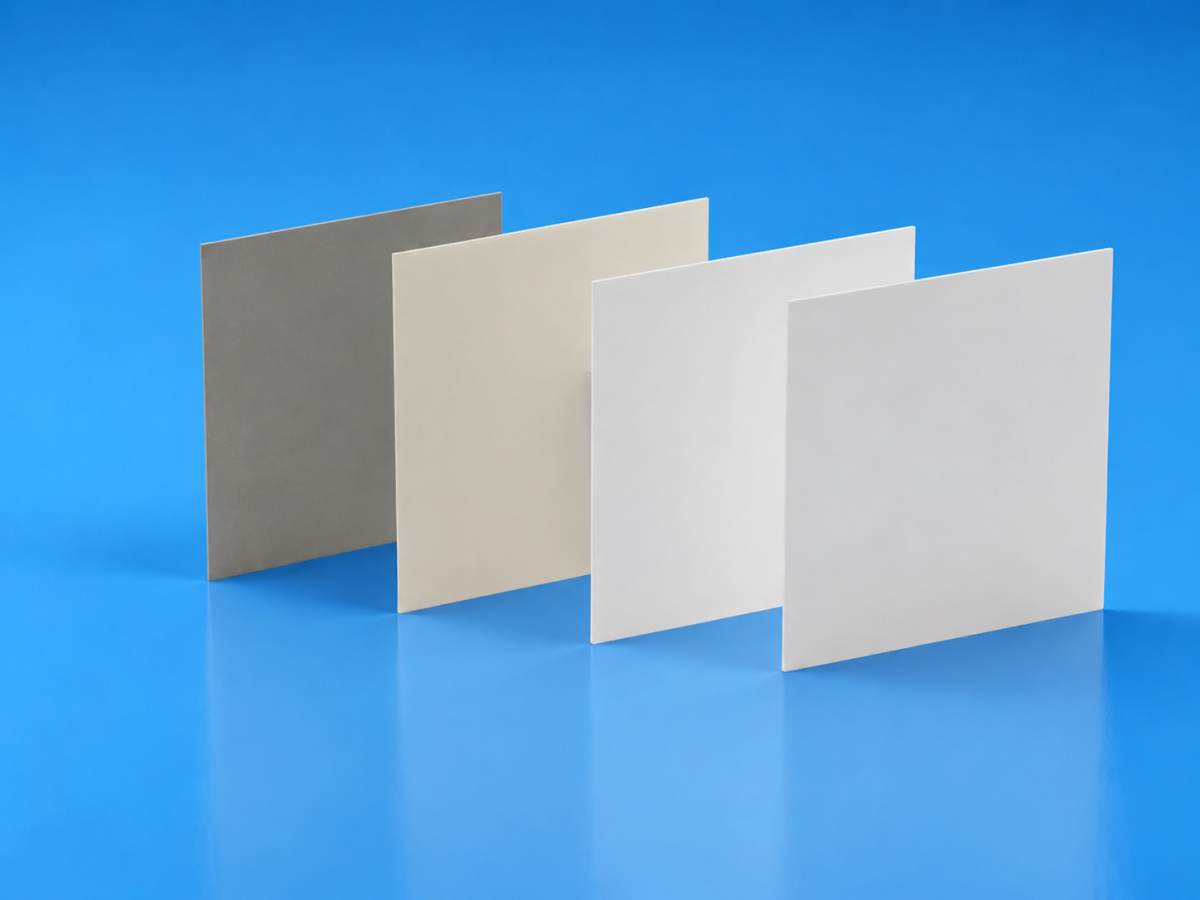
Ceramics encompass such a vast array of materials that a concise definition is almost impossible. However, one workable definition of ceramics is a refractory, inorganic, and nonmetallic material. Ceramics can be divided into two classes: traditional ceramics and advanced ceramics.
Traditional ceramics include clay products, silicate glass and cement
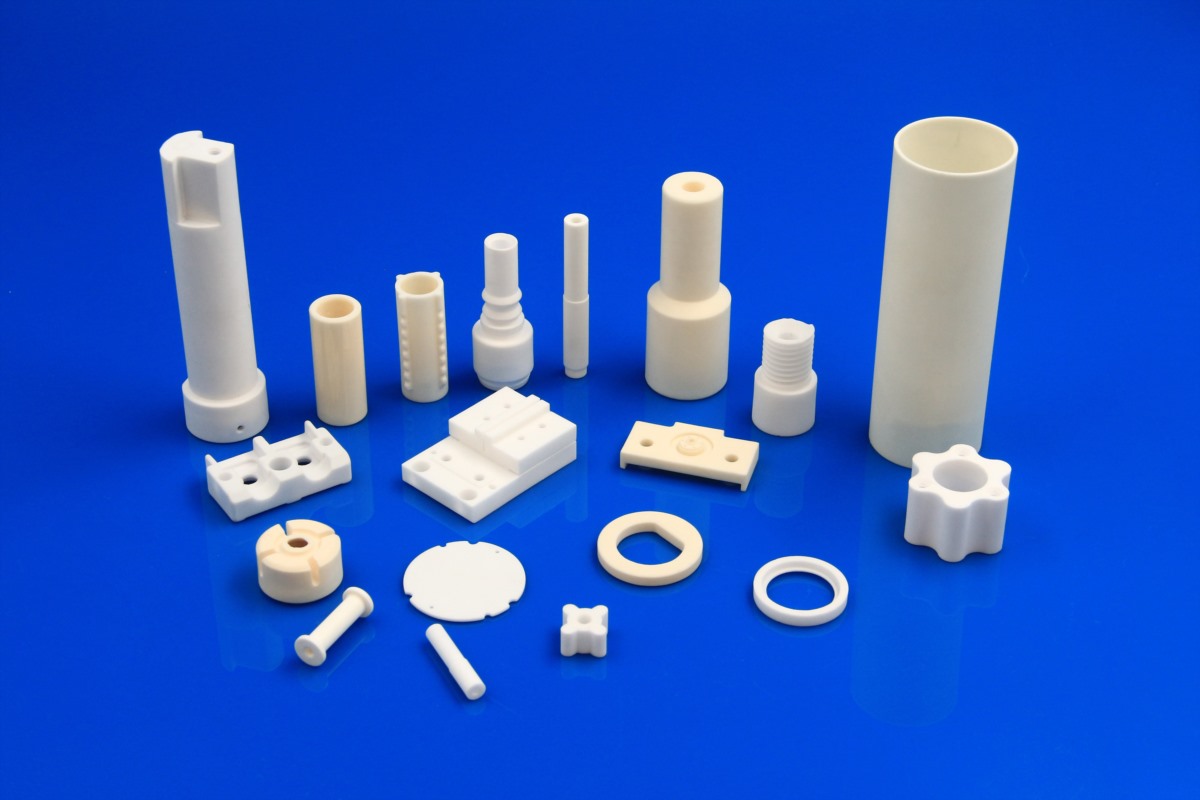
Advanced ceramics consist of carbides (SiC), pure oxides (Al2O3), nitrides (Si3N4), non-silicate glasses and many others.
In general, advanced ceramics have the following inherent properties:
- Hard (wear resistant)
- Resistant to plastic deformation
- Resistant to high temperatures
- Good corrosion resistance
- Low thermal conductivity
- Low electrical conductivity
However, some ceramics exhibit high thermal conductivity and/or high electrical conductivity.
The combination of these properties means that ceramics can provide:
- High wear resistance with low density
- Wear resistance in corrosive environments
- Corrosion resistance at high temperatures
Ceramics offer many advantages compared to other materials. They are harder and stiffer than steel; more heat and corrosion resistant than metals or polymers; less dense than most metals and their alloys; and their raw materials are both plentiful and inexpensive. Ceramic materials display a wide range of properties which facilitate their use in many different product areas.
- Aerospace: space shuttle tiles, thermal barriers, high temperature glass windows, fuel cells
- Consumer Uses: glassware, windows, pottery, Corning¨ ware, magnets, dinnerware, ceramic tiles, lenses, home electronics, microwave transducers
- Automotive: catalytic converters, ceramic filters, airbag sensors, ceramic rotors, valves, spark plugs, pressure sensors, thermistors, vibration sensors, oxygen sensors, safety glass windshields, piston rings
- Medical (Bioceramics): orthopedic joint replacement, prosthesis, dental restoration, bone implants
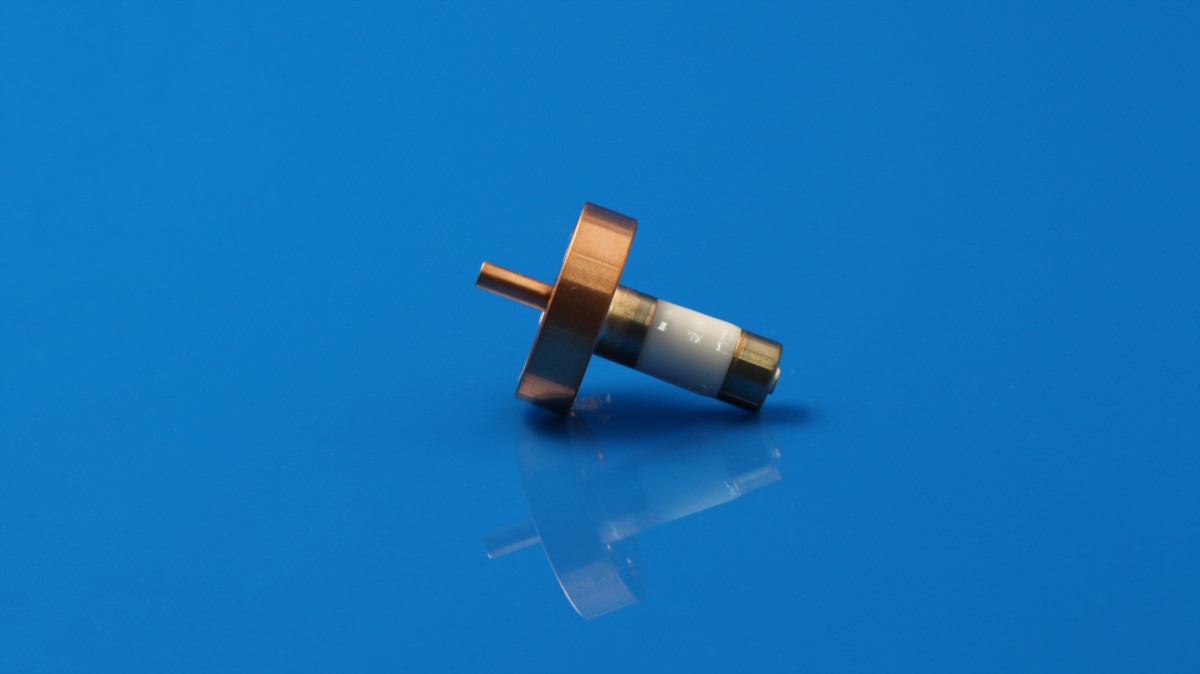
- Computers: insulators, resistors, superconductors, capacitors, ferroelectric components, microelectronic packaging
- Other Industries: bricks, cement, membranes and filters, lab equipment
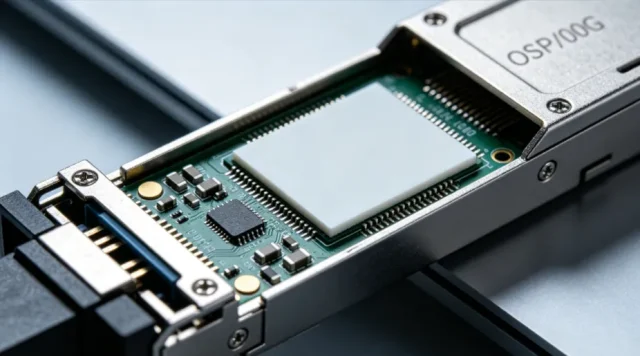
- Communications: fiber optic/laser communications, TV and radio components, microphones