

Silicon Carbide (SiC)
Silicon carbide ceramic material for abrasion resistance, thermal shock resistance, high-temperature strength and harsh process components.
Silicon Carbide (SiC) ceramic components for demanding operating environments.
Silicon carbide is selected for ceramic parts exposed to abrasion, high temperature, thermal shock and corrosive environments. Innovacera supplies SiC plates, beams, tubes, seals, nozzles and custom components for industrial and process equipment.
- Abrasive media, corrosion exposure and wear mechanism
- High-temperature strength, thermal shock and heating cycle profile
- Seal face, nozzle, beam, tube or plate geometry requirements
- Surface finish, flatness and mating component material
- SiC grade, manufacturing route and quantity expectations
Silicon Carbide (SiC) material overview
Silicon carbide is selected for ceramic parts exposed to abrasion, high temperature, thermal shock and corrosive environments. Innovacera supplies SiC plates, beams, tubes, seals, nozzles and custom components for industrial and process equipment.
Key material advantages
- Excellent abrasion resistance
- High thermal conductivity
- Strong thermal shock resistance
- Good strength at high temperature
Common ceramic components
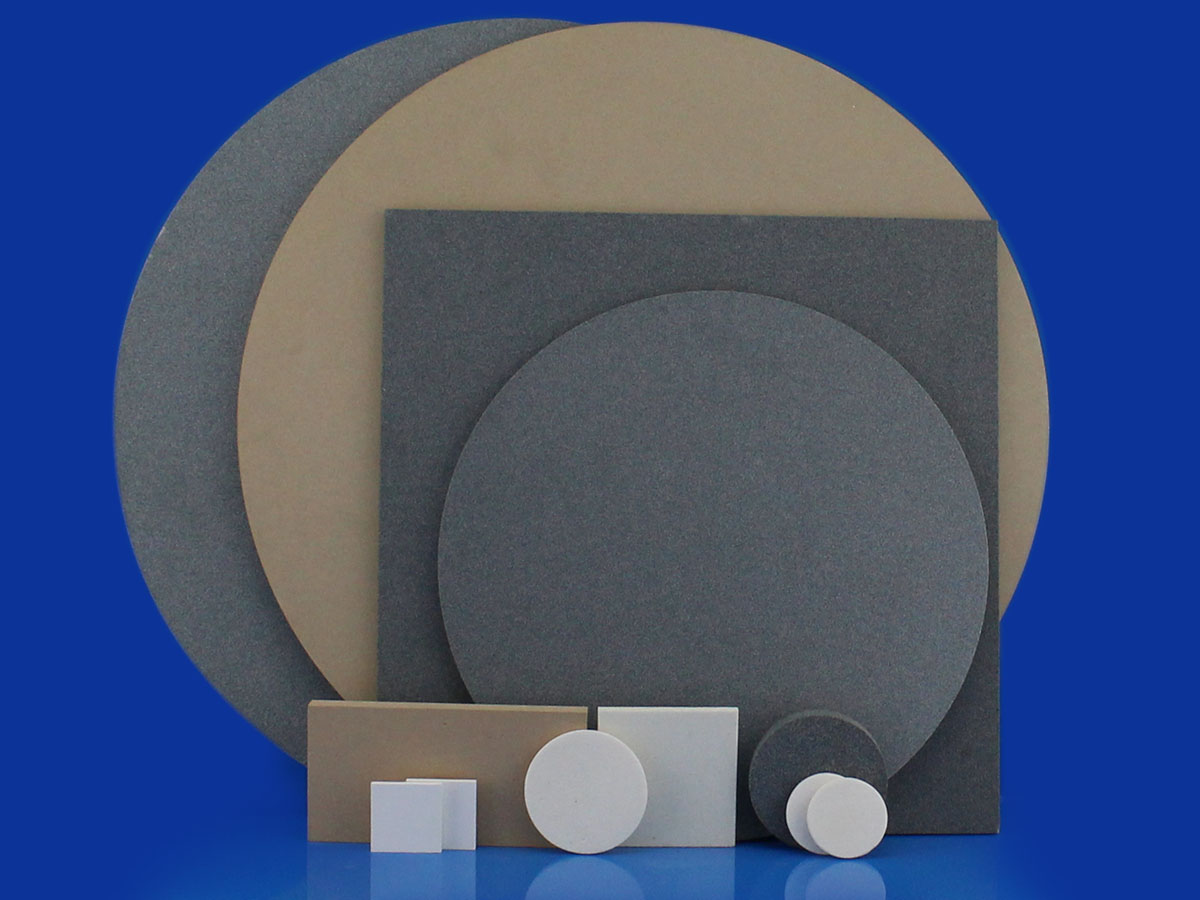
- Silicon carbide plates and beams
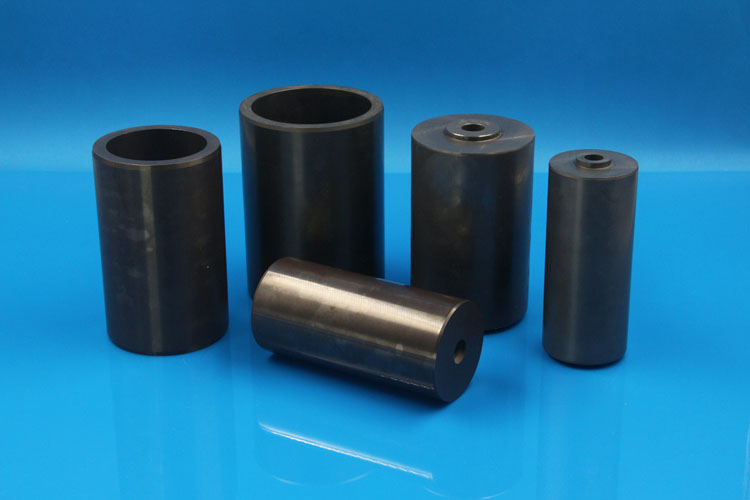
- Seals, sleeves and nozzles
- Furnace and kiln components
- Custom SiC wear parts
Typical application fit
- Kiln and furnace systems
- Chemical and abrasive processes
- Mechanical seals and pump parts
- High-temperature industrial equipment
How Innovacera supports this material
Innovacera helps customers evaluate SiC grade, geometry, surface finish and operating media before moving to custom production.
Information that helps us review an RFQ
Share drawings, working temperature, electrical or thermal requirements, media contact, tolerance targets and quantity so the Innovacera team can recommend a practical ceramic material and manufacturing route.
Related ceramic products.
2 related products are tagged to this material family in the current catalog.
Review Silicon Carbide (SiC) ceramic components for your operating conditions.
Share drawings, operating temperature, atmosphere or media contact, electrical, thermal or wear requirements, tolerance targets, quantity and expected service life. Innovacera can review the material grade, manufacturability, prototype path and production feasibility.