

Porous ceramic components for filtration, diffusion and controlled flow
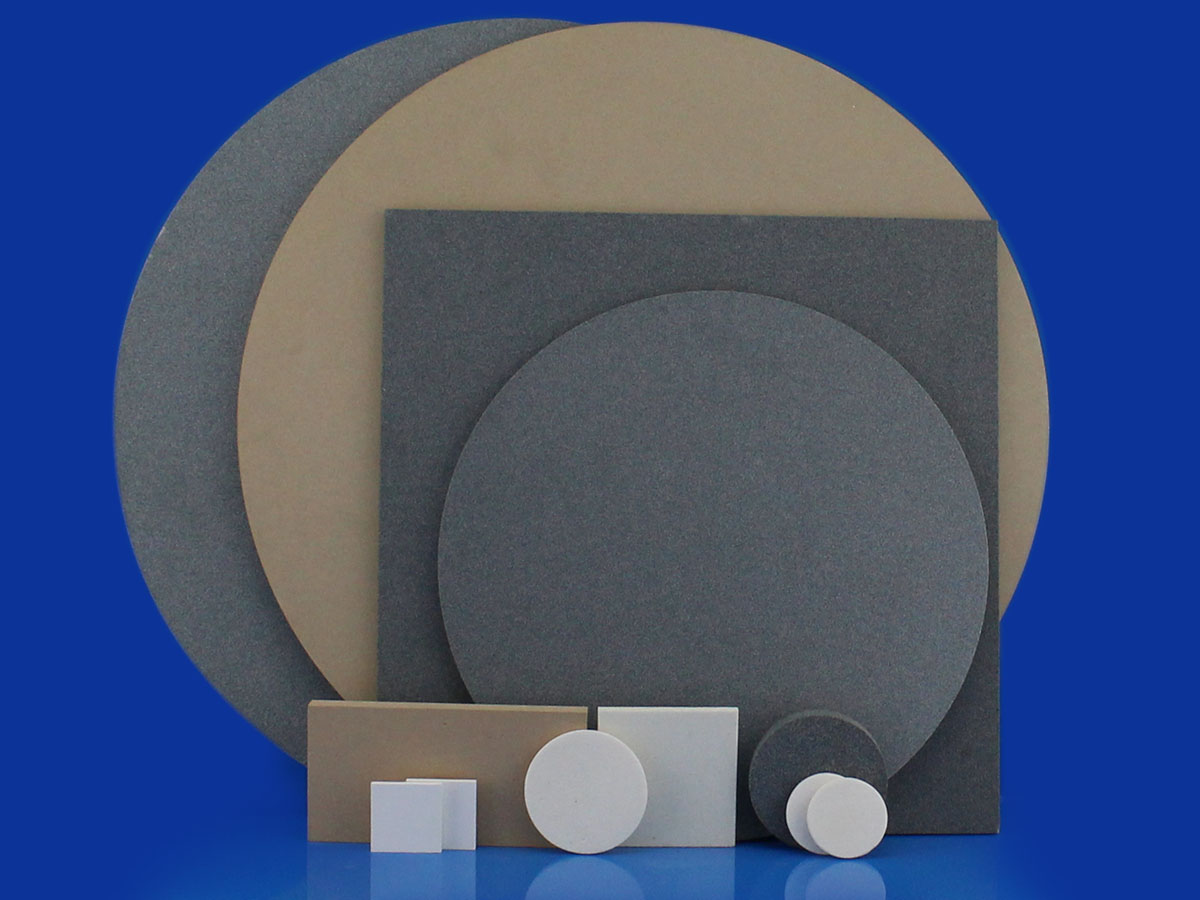
An equipment manufacturer needed filtration and flow-control parts with a stable, repeatable pore structure that would stand up to the process media. Innovacera reviewed porous ceramic components, formed to defined pore size, shape and mounting requirements.
What this case is about.
This case features porous ceramic components used when filtration, diffusion or controlled flow depends on a stable pore structure rather than only on the external shape of the part.
The problem before changing to ceramics
Filtration, gas or liquid diffusion, and controlled-flow applications all depend on the pore structure of the part doing the work. If the pore size and distribution are not consistent, filtration performance and flow rate vary from part to part, which makes the equipment hard to qualify and run predictably.
The parts also have to be compatible with the process media — the fluid or gas passing through them — without degrading. The customer needed filtration and flow-control components with a defined, repeatable pore structure, a controlled flow characteristic, and material compatibility with the media in their process, in shapes and sizes that fit their equipment.
Operating conditions and review points
- Defined pore size and pore distribution
- Controlled gas or liquid flow characteristic
- Compatibility with process media
- Custom geometry, mounting and sealing requirements
The ceramic material and component direction
Innovacera reviewed porous ceramic components for the filtration, diffusion and controlled-flow parts. A porous ceramic can be produced with a defined pore size and distribution, so the part delivers a consistent filtration and flow characteristic rather than varying piece to piece.
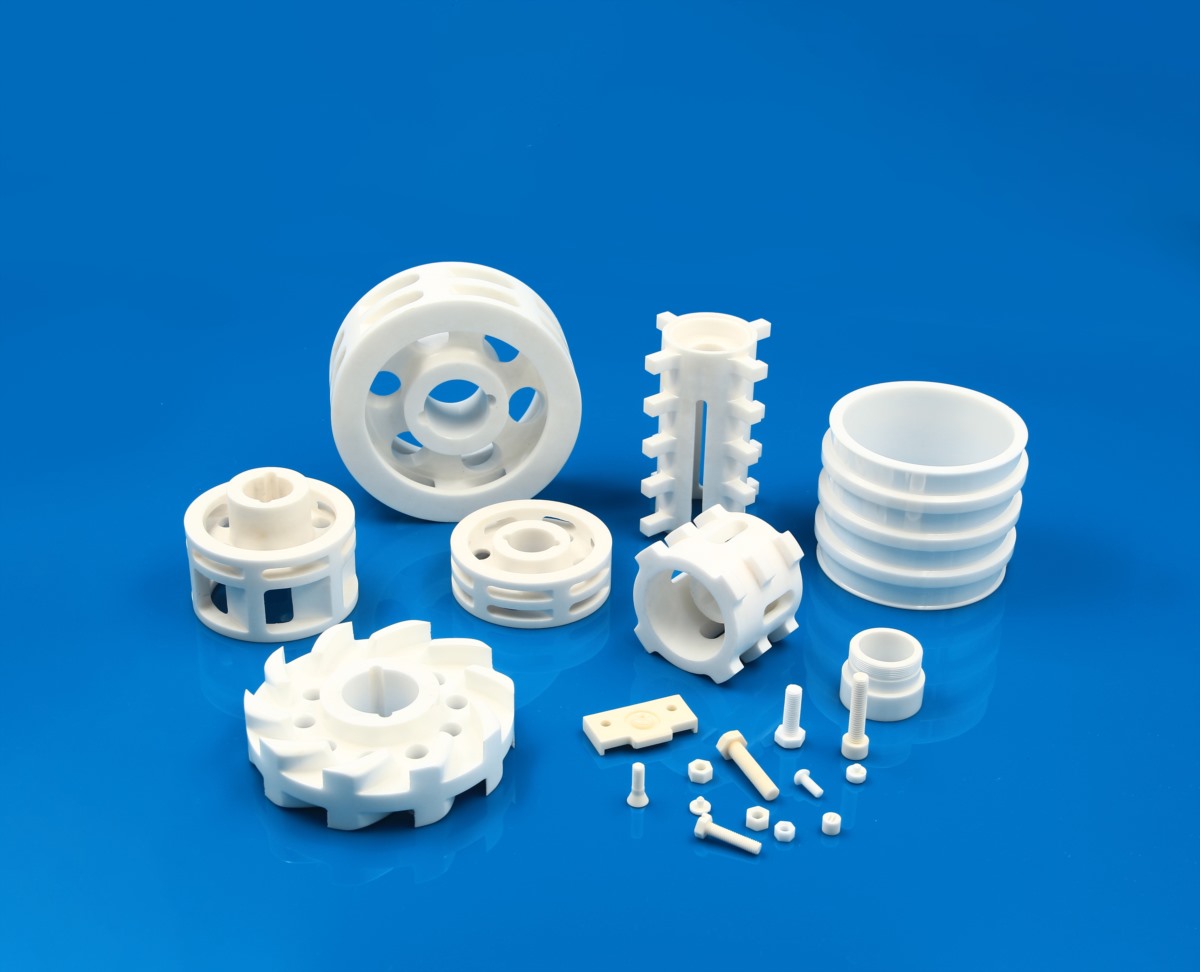
The ceramic base also gives chemical and thermal stability, which supports compatibility with a range of process media. The component work treated pore structure and part geometry together: the pore specification was matched to the required flow and filtration behaviour, and the external shape, size and mounting features were defined from the customer’s requirements so the parts fit and seal into the equipment.
Innovacera reviewed the pore specification, geometry and mounting approach so that parts could be produced consistently from first review through repeat supply.
What improved
Defined pore structure for consistent filtration and controlled flow.
Porous ceramic components give the customer filtration and flow-control parts with a defined, repeatable pore structure and good media compatibility. Matching the pore specification to the required flow and filtration behaviour, and defining the geometry and mounting from the customer’s requirements, gives parts that perform consistently and fit the equipment.
The customer can review a similar approach for other filtration, diffusion or controlled-flow parts that need a specified pore structure and media compatibility.
Actual performance depends on drawings, tolerances, operating media, temperature, load and cleaning conditions. Innovacera reviews each RFQ against the customer application before recommending a ceramic route.
Discuss a similar ceramic component
Share drawings, operating conditions, quantity and target performance. Innovacera can review material direction, manufacturability and prototype-to-production options.