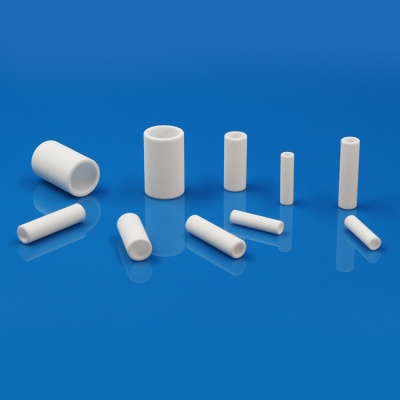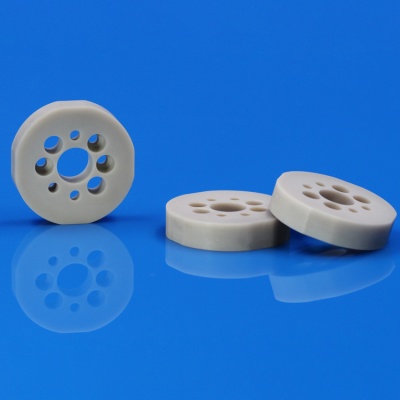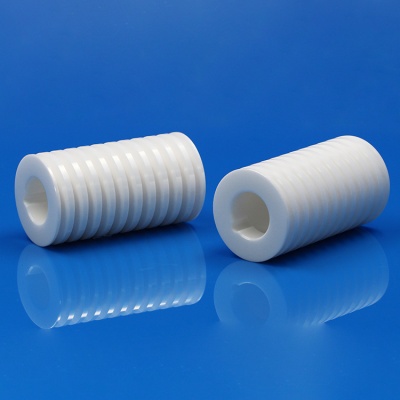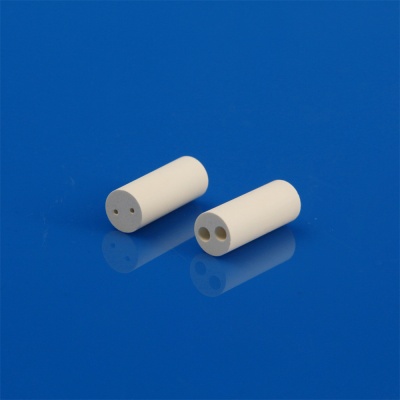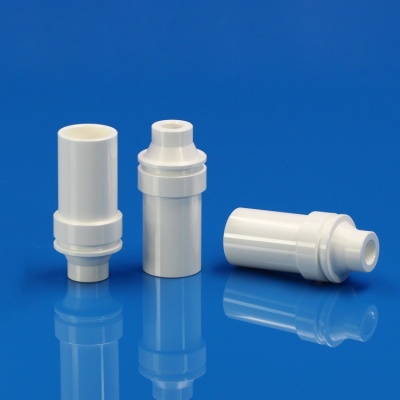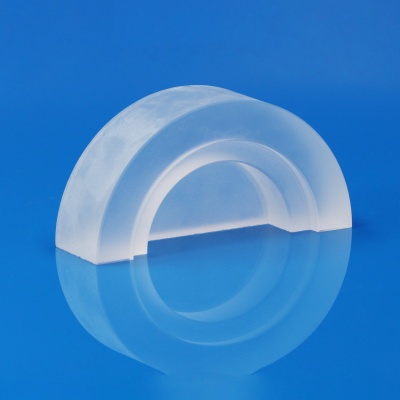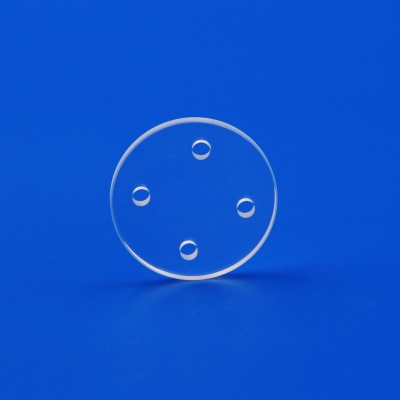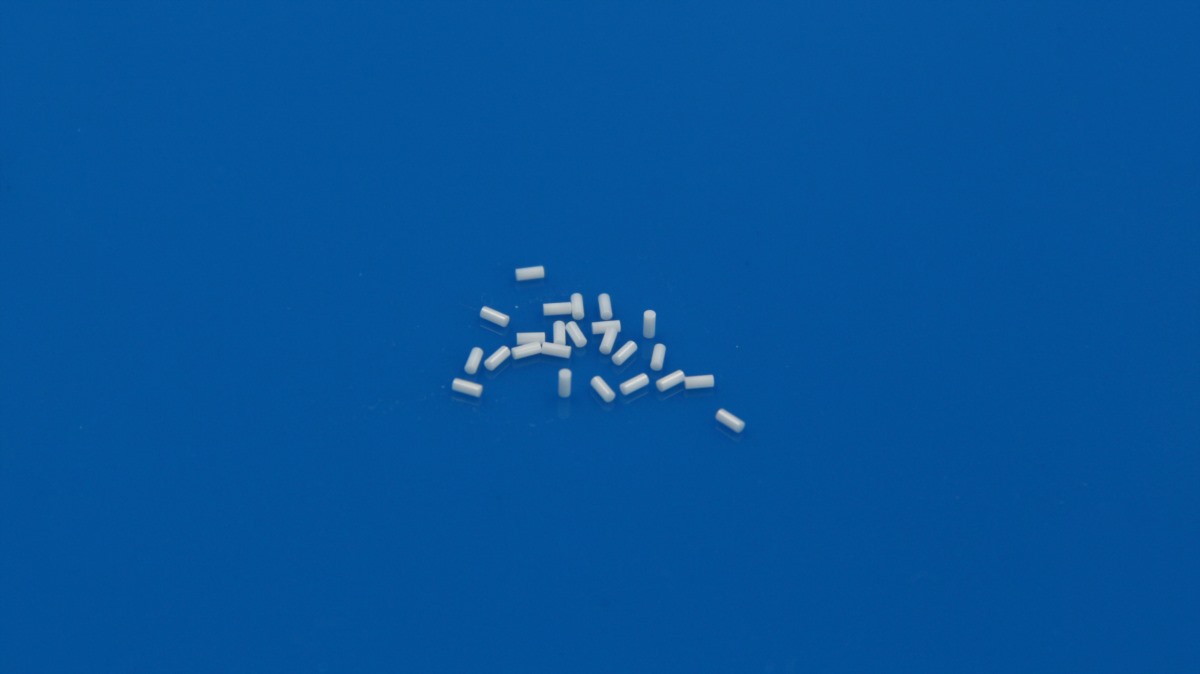
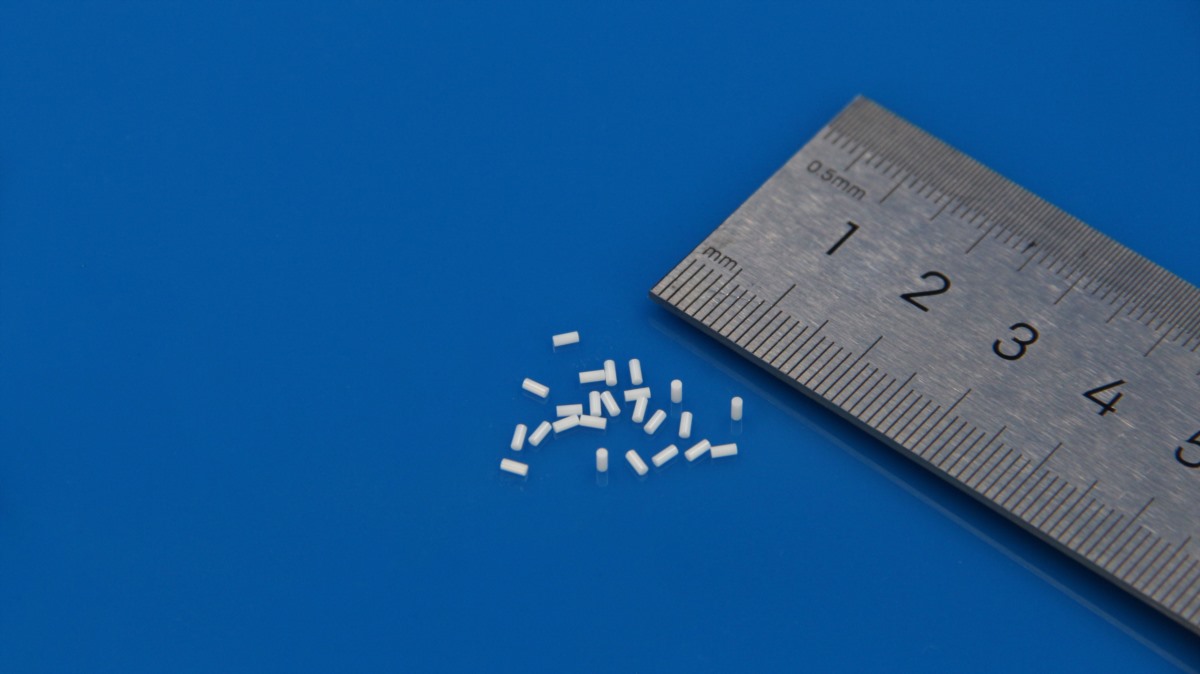
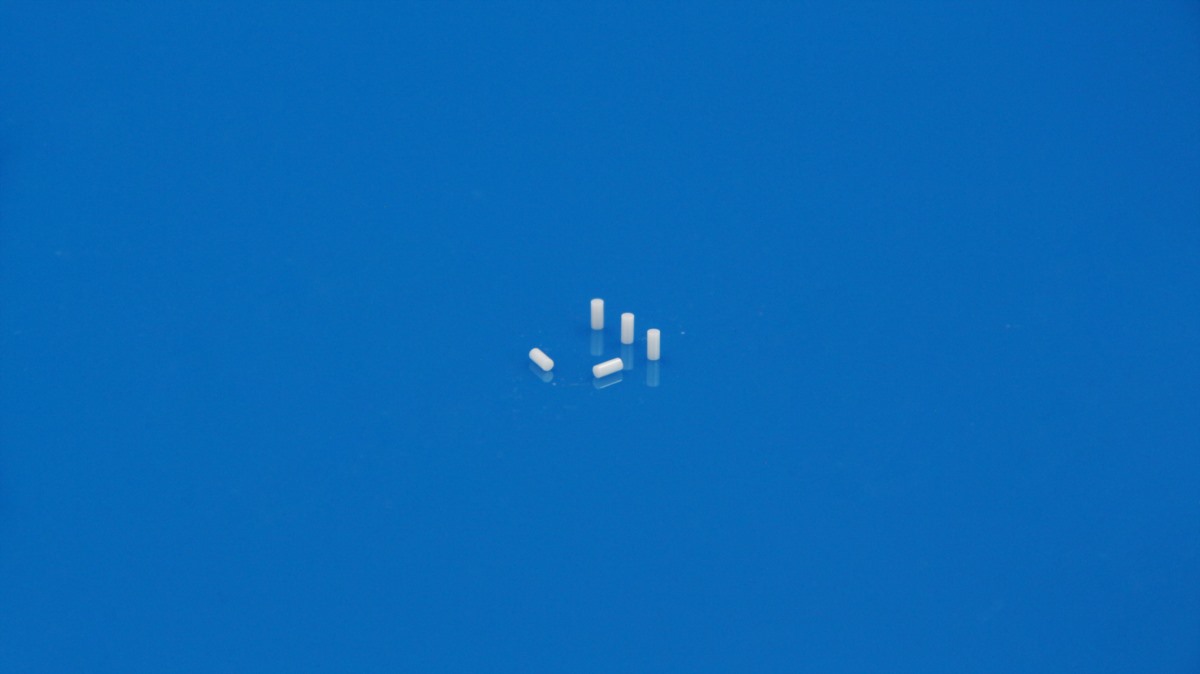
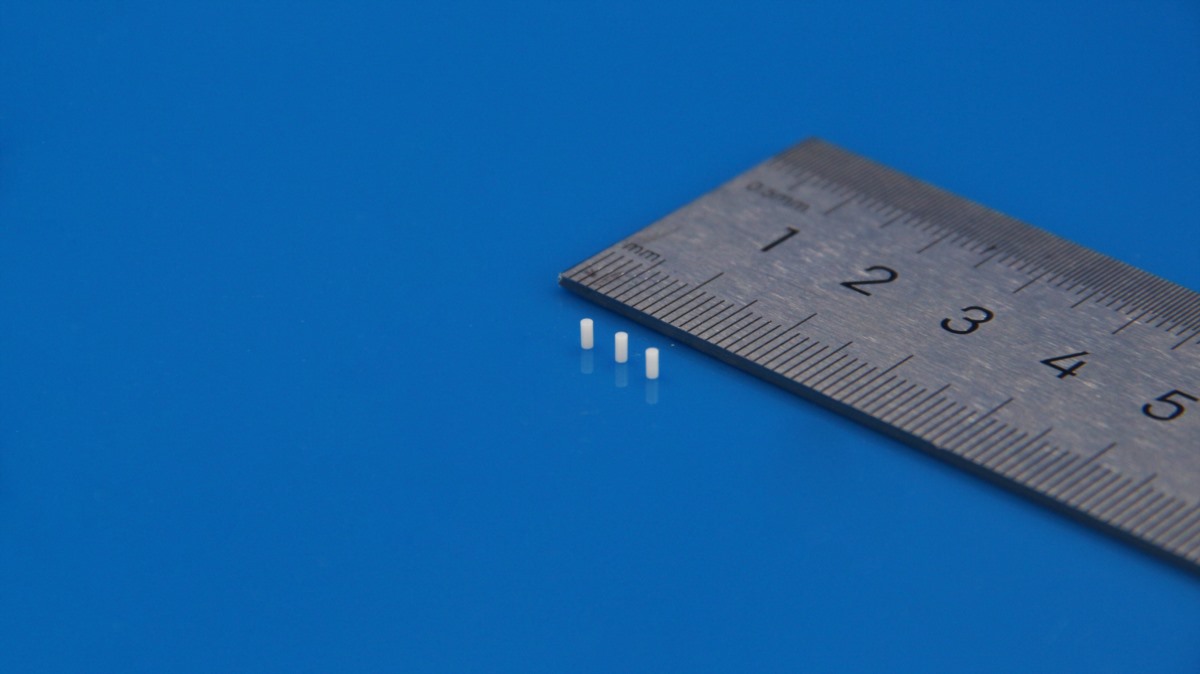



The ceramic rods for cameras are very small and made by zirconia ceramic, using advanced ceramic materials. These materials offer several distinct advantages that make them ideal for use in cameras.
Zirconia rods feature:
- Coefficient of thermal expansion similar to iron
- High strength&hardness
- High fracture toughness
- Wear resistance
- Excellent thermal insulation
- Very high resistance to crack propagation, high fracture toughness
- Low thermal conductivity
- Corrosion resistance in acids and alkalis
- Modulus of elasticity similar to steel
Zirconia rods material properties:
| Properties | Unit | Value |
| Composition | % | 94.5% ZrO2 5.5% Y2O3 |
| Specific Density | g/cm3 | ≥6.03 |
| Hardness (HV) | GPa | >12 |
| Coefficient (20-400°C) | 10-6 /k | 9.6 |
| Elastic Modulis | GPa | 205 |
| Fracture Toughness | MPa·m1/2 | 8-10 |
| Crushing Load | KN | ≥25 (S ⊄6.5mm) |
| Grain Size | μm | <0.5 |
| Thermal Conductivity | w/(m·k) | 3 |
Declaration: This is an original article of INNOVACERA®. Please indicate the source link when reprinting: https://www.innovacera.com/product/zirconia-rods-for-camera
Frequently Asked Questions
Looking for a miniature zirconia rods supplier? Why use ceramic guide pins over metal in camera lens focusing?
Conventional metal guide pins in camera lens modules easily deform, gall, and suffer from friction wear, causing optical axis tilting or focus jamming. INNOVACERA supplies micro zirconia (94.5% ZrO₂ / 5.5% Y₂O₃) guide rods featuring extreme hardness (>12 GPa), high fracture toughness (8–10 MPa·m¹/²), and mirror-smooth surfaces. Furthermore, their thermal expansion coefficient (9.6 × 10⁻⁶/K) matches iron and steel, ensuring frictionless sliding and zero jamming across wide temperature fluctuations.
Need custom micro zirconia rods for optical zoom mechanisms? What precision tolerances and surface finishes do you achieve?
INNOVACERA manufactures custom micro-diameter zirconia pins down to sub-millimeter diameters with outer diameter tolerances as tight as ±0.001 mm and roundness under 0.5 μm. We achieve ultra-fine mirror-polished surfaces with Ra < 0.02 μm to guarantee silent, smooth sliding in compact autofocus (AF) and optical zoom mechanisms for smartphones, DSLRs, and endoscopic cameras.