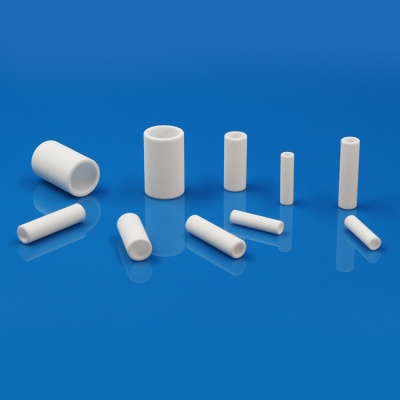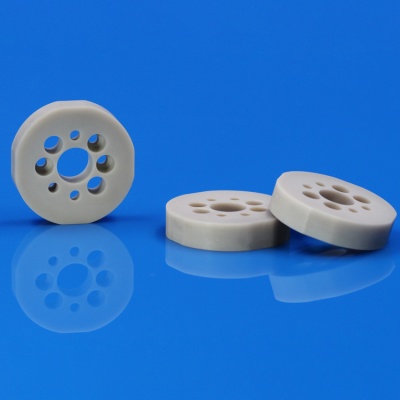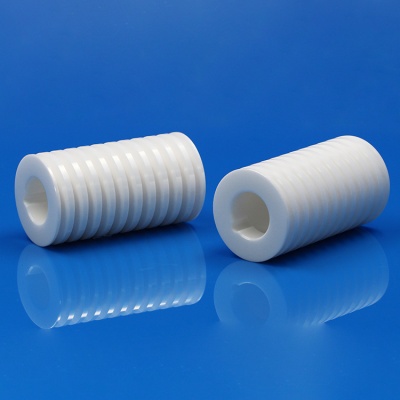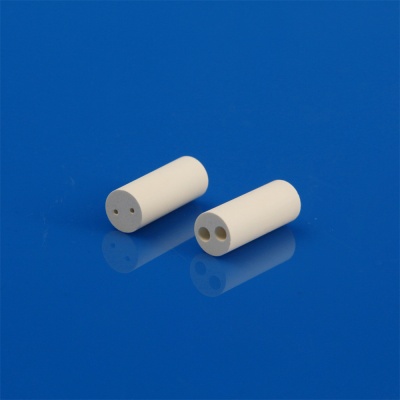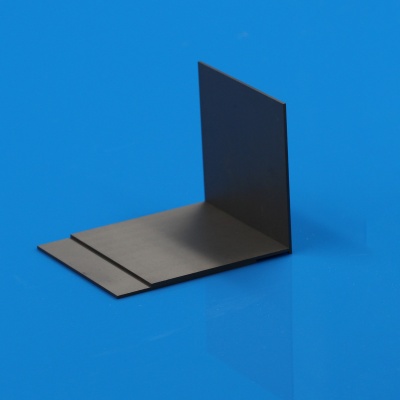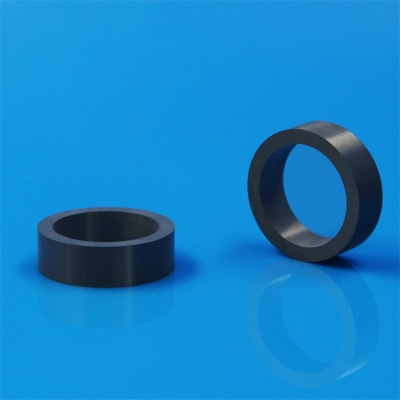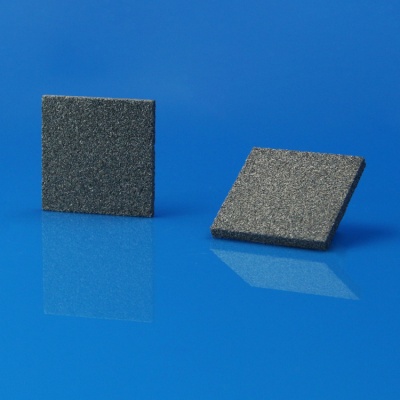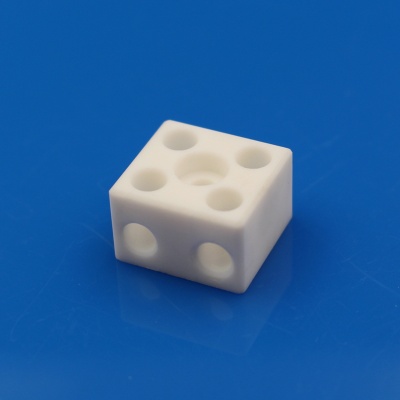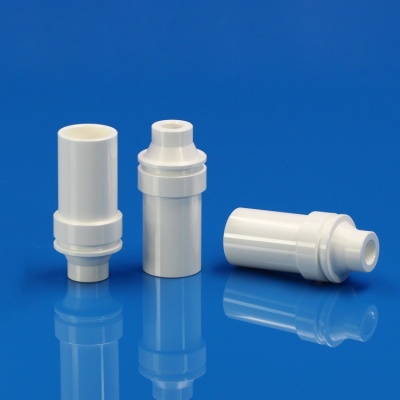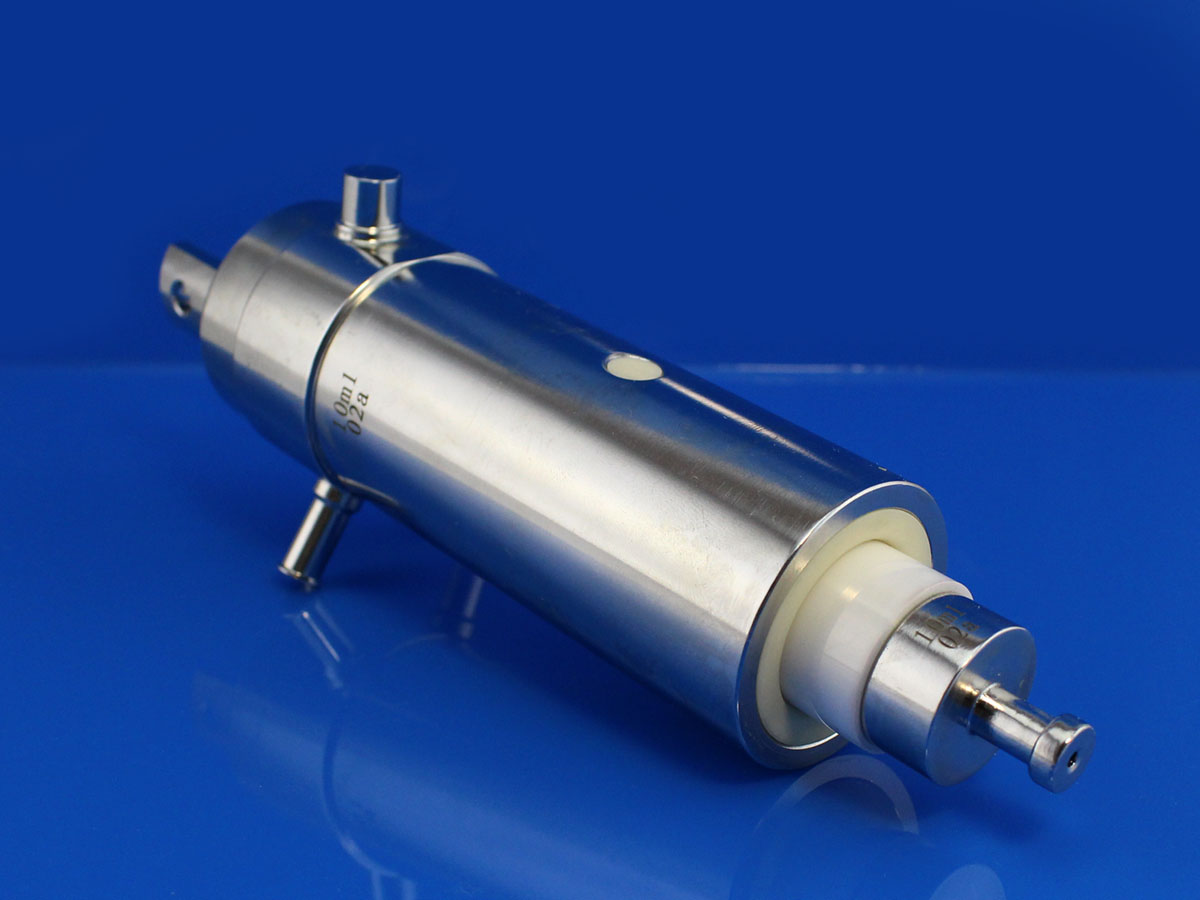
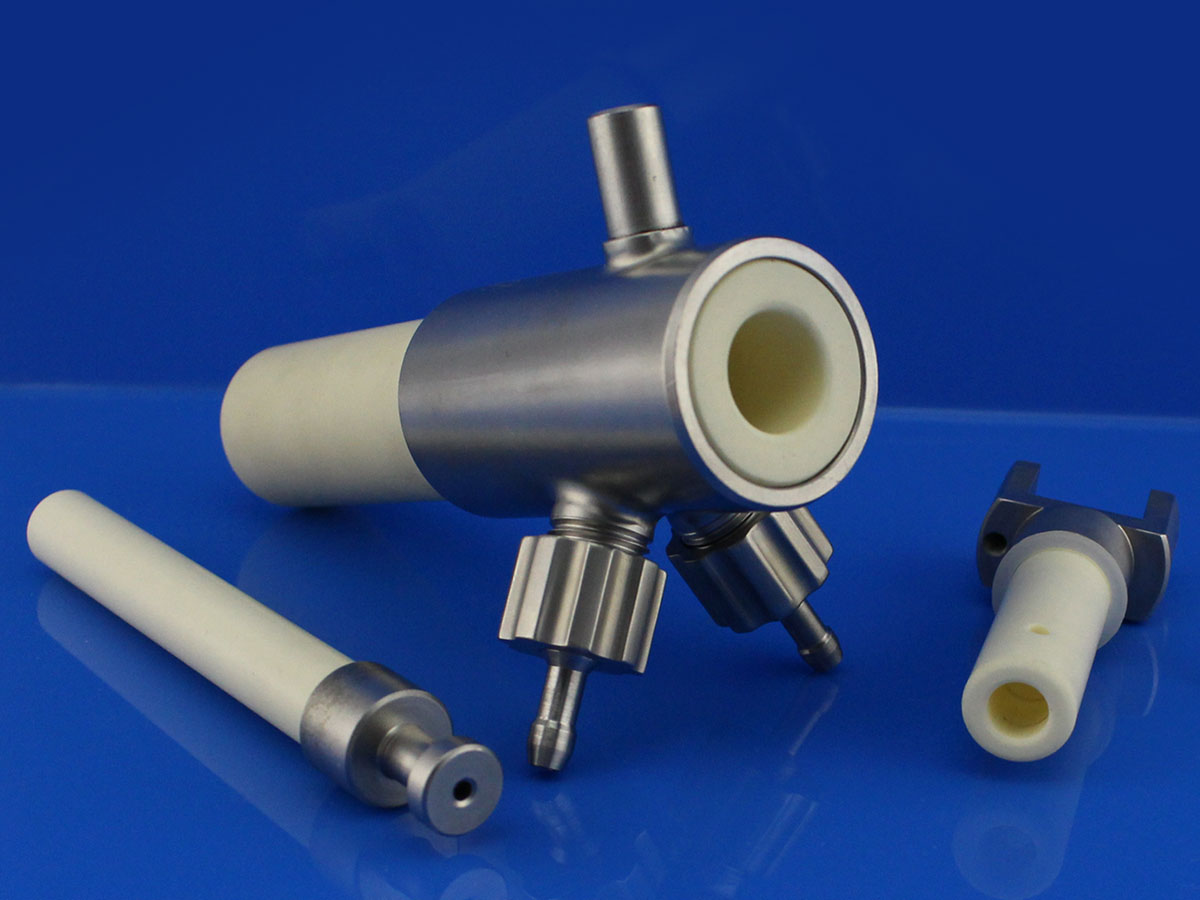
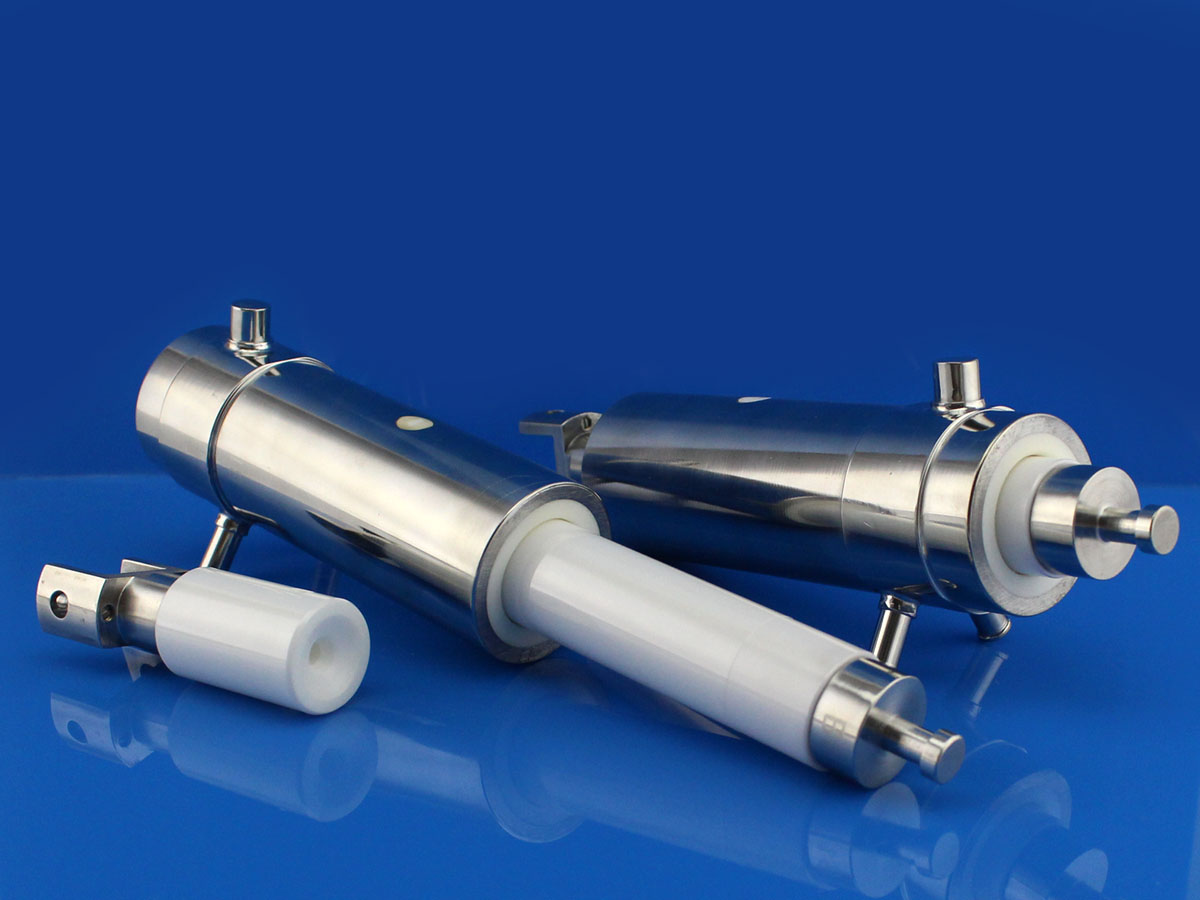
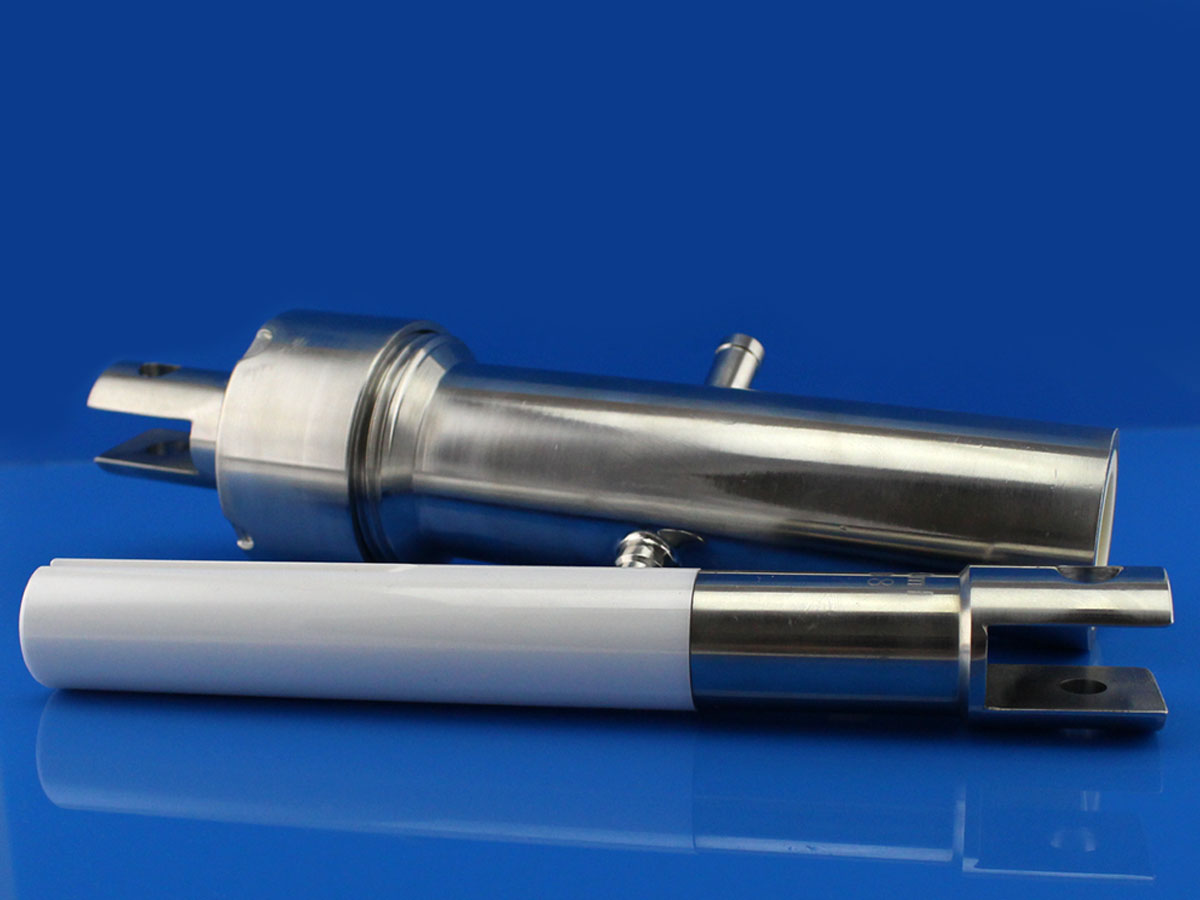
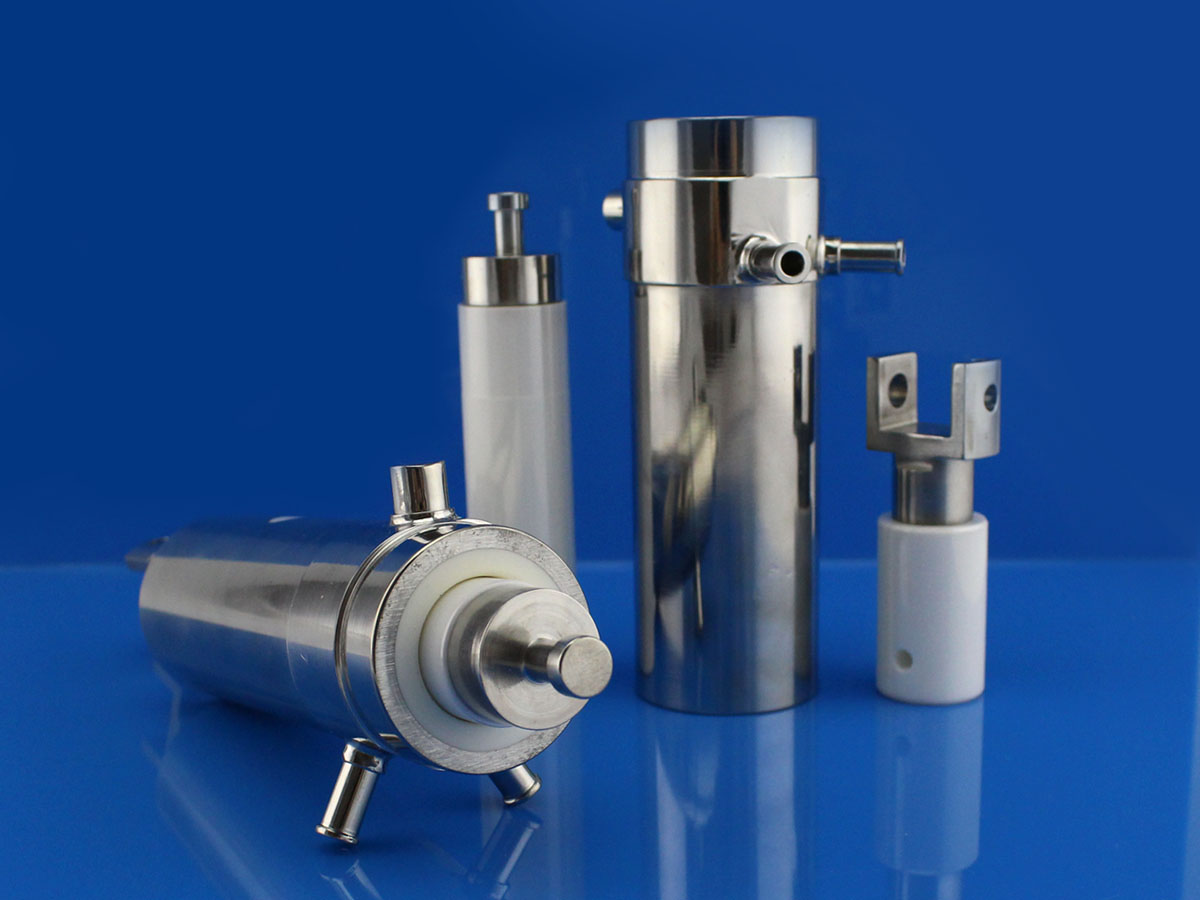
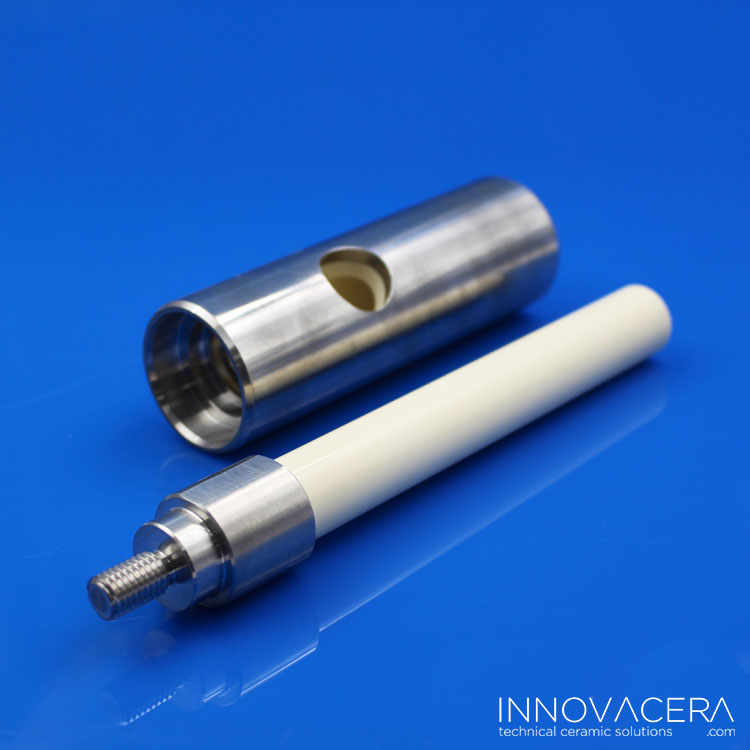
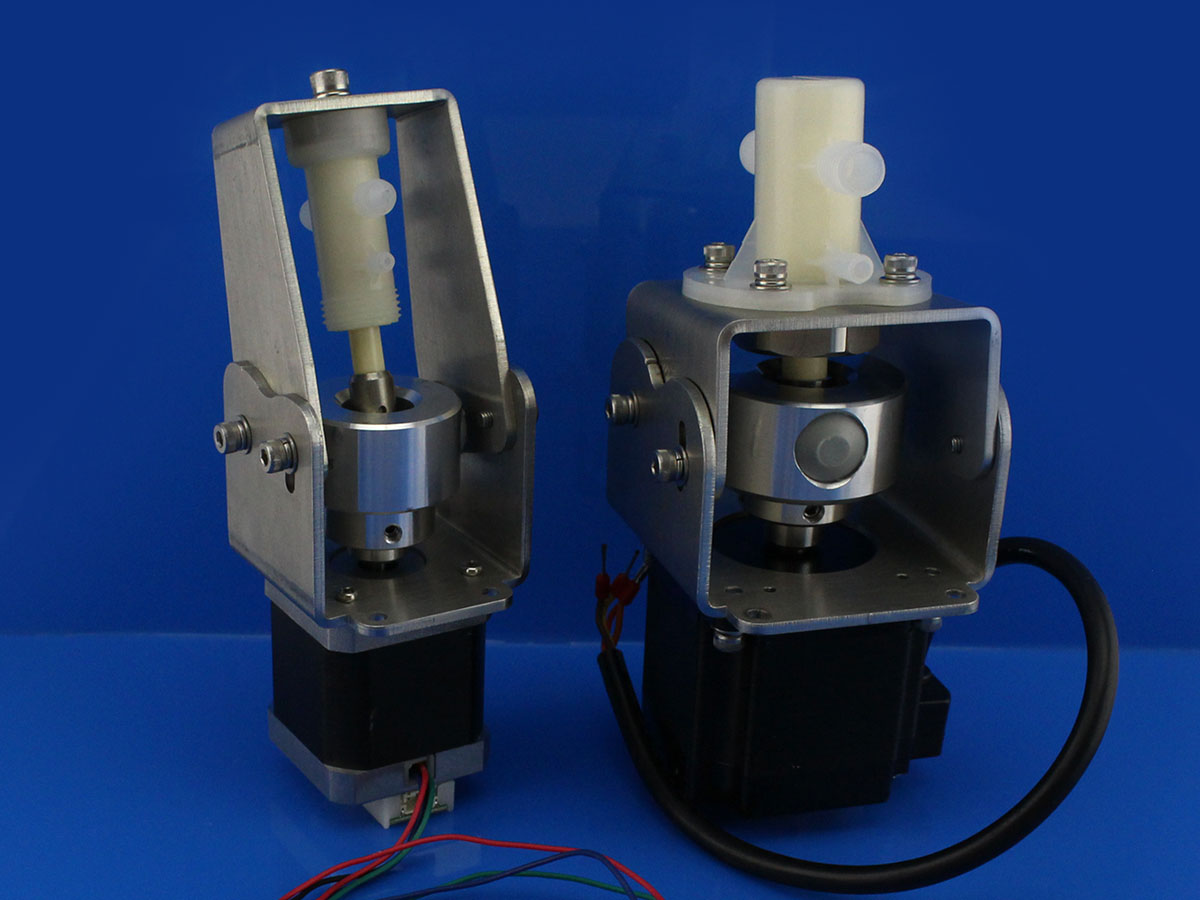
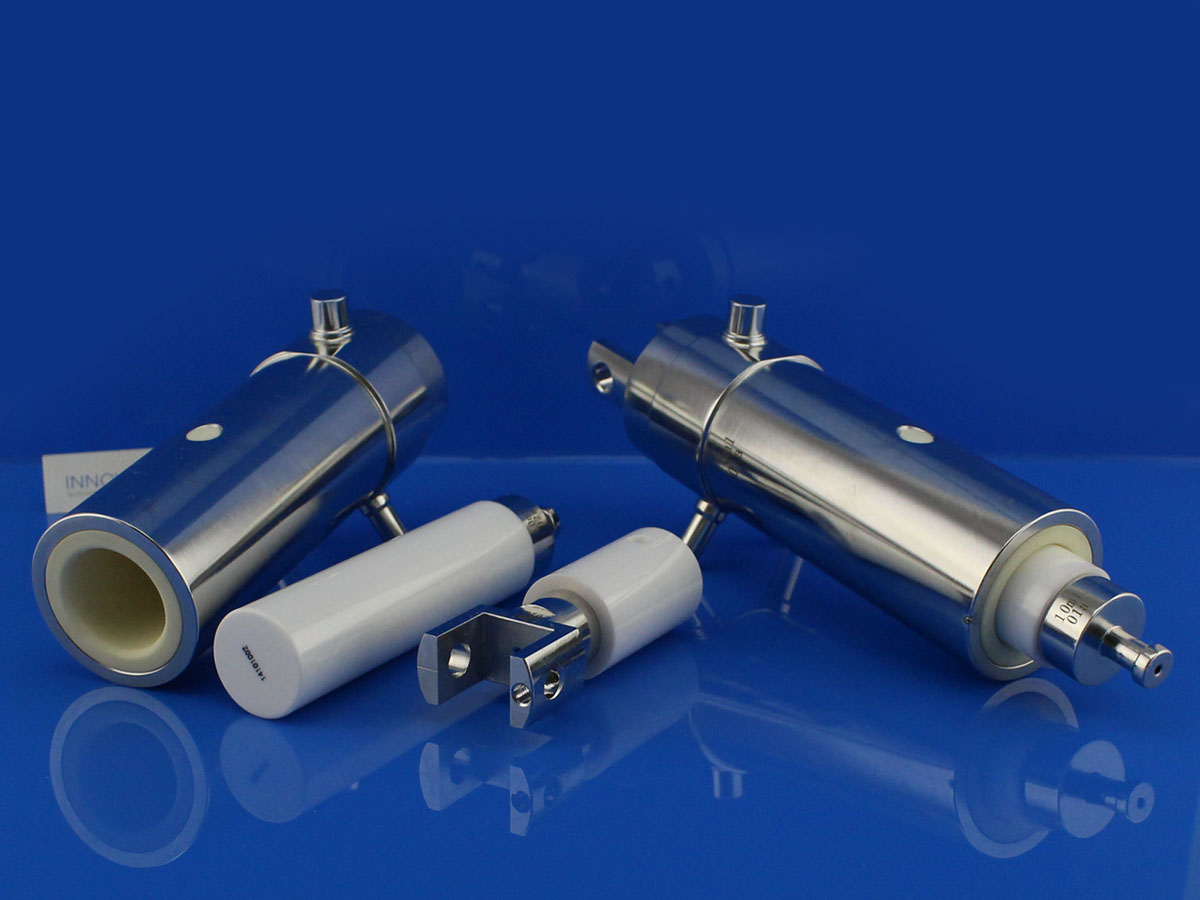
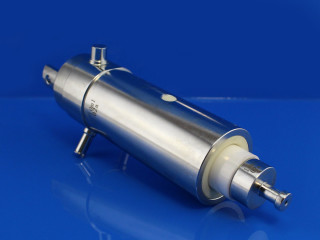
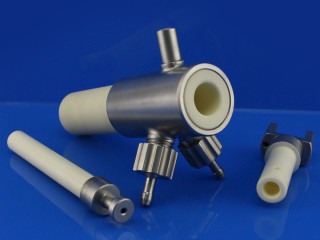
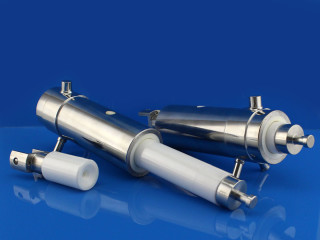
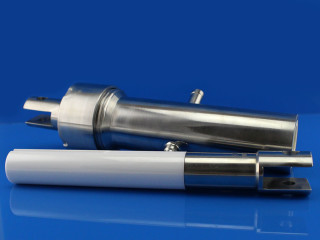
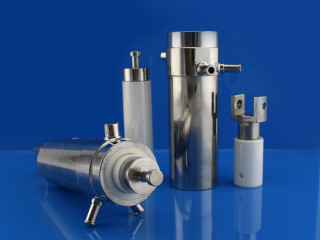
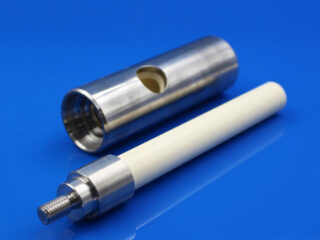
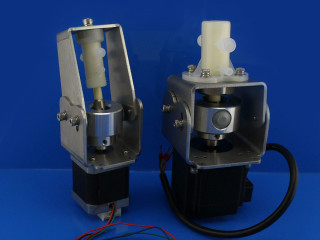
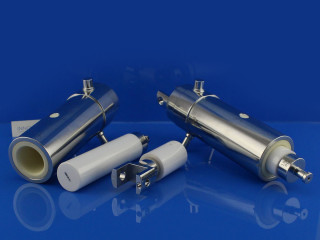
We adapt our ceramic design to your specific application. Our pumps are tailor made in order to provide the best solution to your production process.
Properties of Ceramic Filling Pump
- Low maintenance cost
- High tech ceramics
- Fast assembly
- Hardness higher than stainless steel pumps coatings.
Application of Ceramic Filling Pump
Pharmaceutics:
Topical and parenterals: inject able in vials, ampoules, syringes, enema.
Entrails: syrups, capsules, drop
Liquid Food:
Beer, beverage, dairy, wine, edible oil.
Cosmetics:
Perfumes, lotions, creams, pastes, shampoo and make-up.
Others:
Ink, reagents, chemicals.
Perfusion Scope and Precision of Ceramic Pump
Perfusion Volume Scope: 0.1-2000ml or custom design.
Super High Perfusion precision: perfusion transmitter is water for injection)±0.25%
Declaration: This is an original article of INNOVACERA®. Please indicate the source link when reprinting: https://www.innovacera.com/product/ceramic-filling-pump
Frequently Asked Questions
What dosing accuracy and volume range do ceramic filling pumps achieve, and how do they outperform traditional stainless steel pumps?
INNOVACERA advanced ceramic filling pumps deliver super-high dispensing precision (up to ±0.25% for water for injection) with filling volumes ranging from 0.1 ml to 2000 ml (or custom capacities). Made from advanced engineering ceramics with hardness and wear resistance far superior to stainless steel and coated metals, they ensure zero fluid contamination, extreme corrosion resistance, and significantly reduced maintenance costs.
Which liquid packaging lines use ceramic dispensing modules, and how can B2B clients order tailor-made pumps directly from the manufacturer?
Ceramic pumps and valves are widely used across pharmaceutical (vials, ampoules, syringes), food & beverage (dairy, beer, edible oils), cosmetic (perfumes, creams, lotions), and chemical reagent dispensing processes. As a direct technical ceramic pump manufacturer, INNOVACERA provides custom-engineered rotary piston and valve designs tailored to your specific viscosity, filling volume, and automated packaging system requirements.