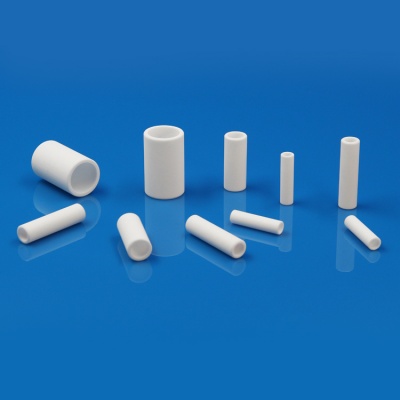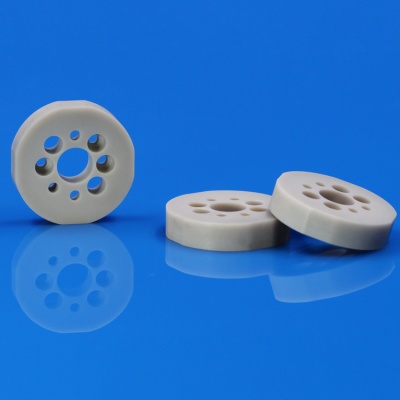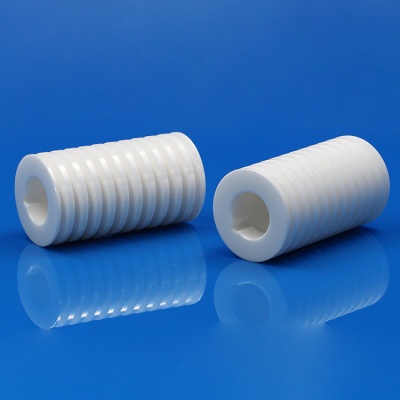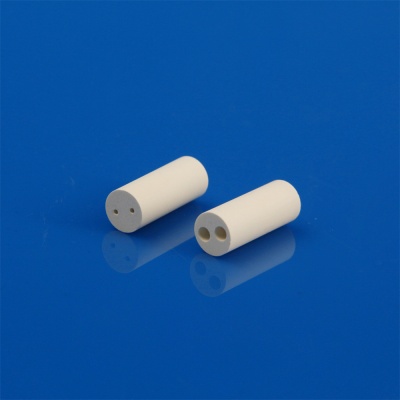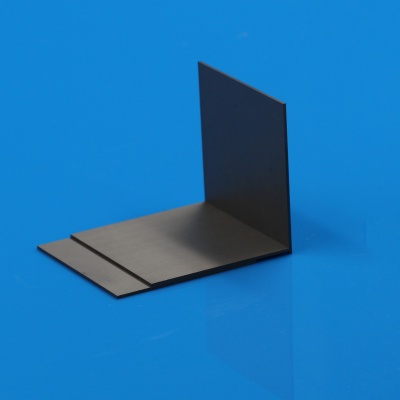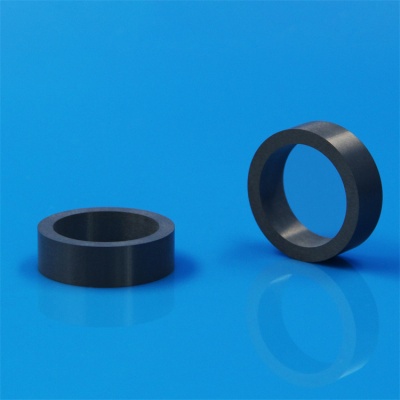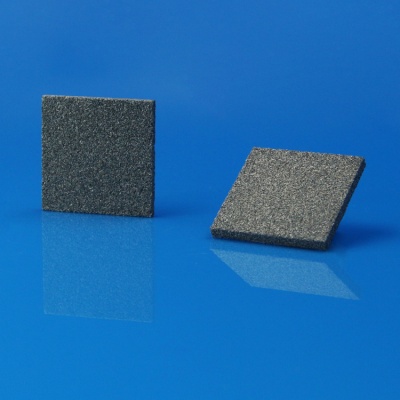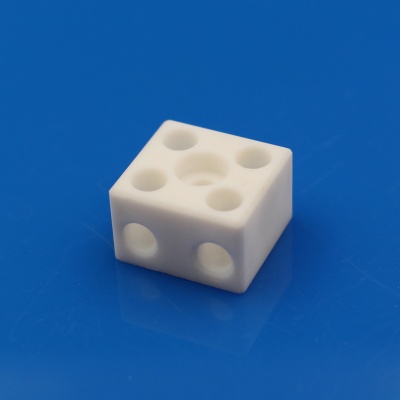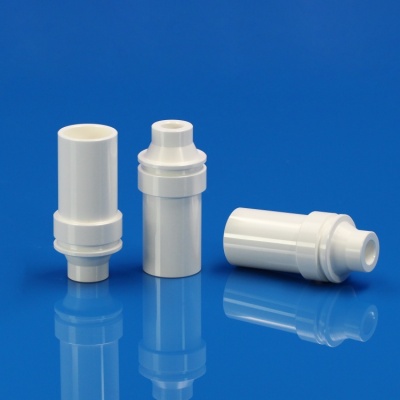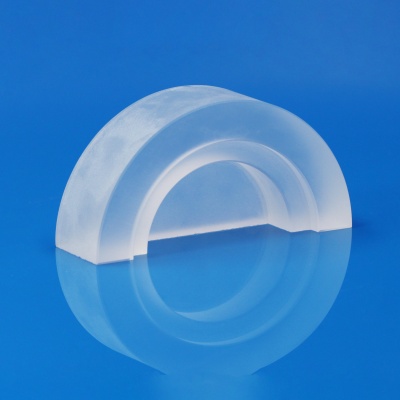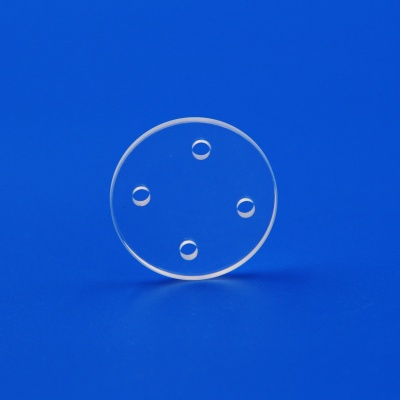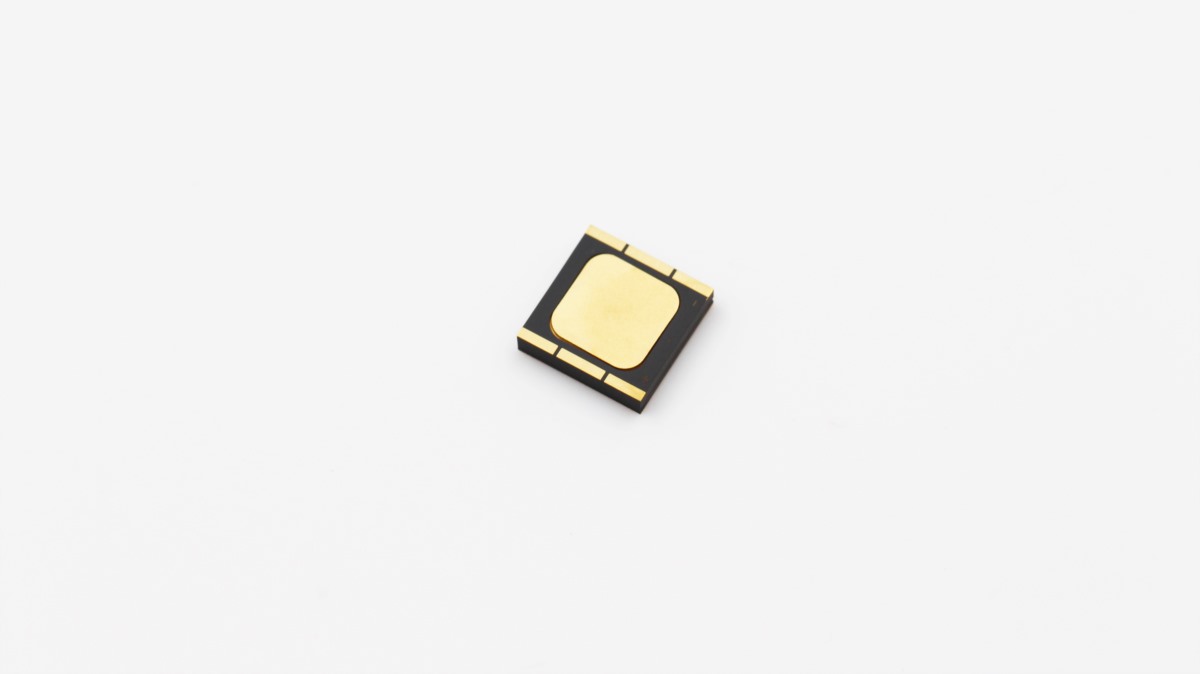
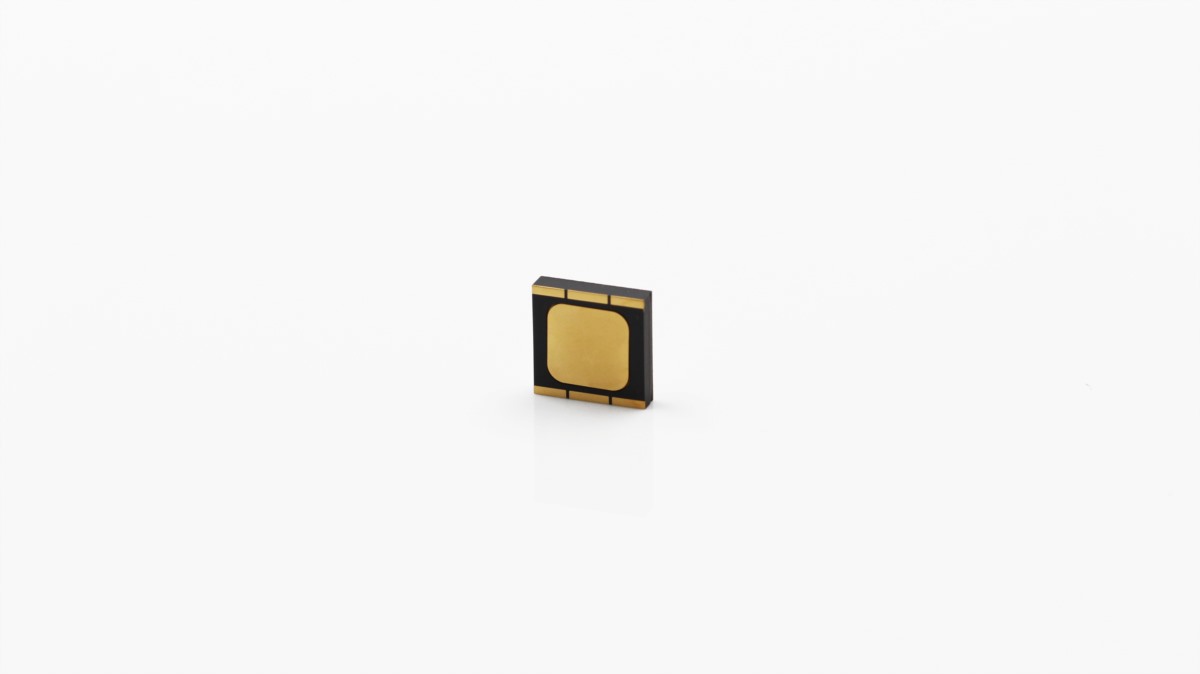
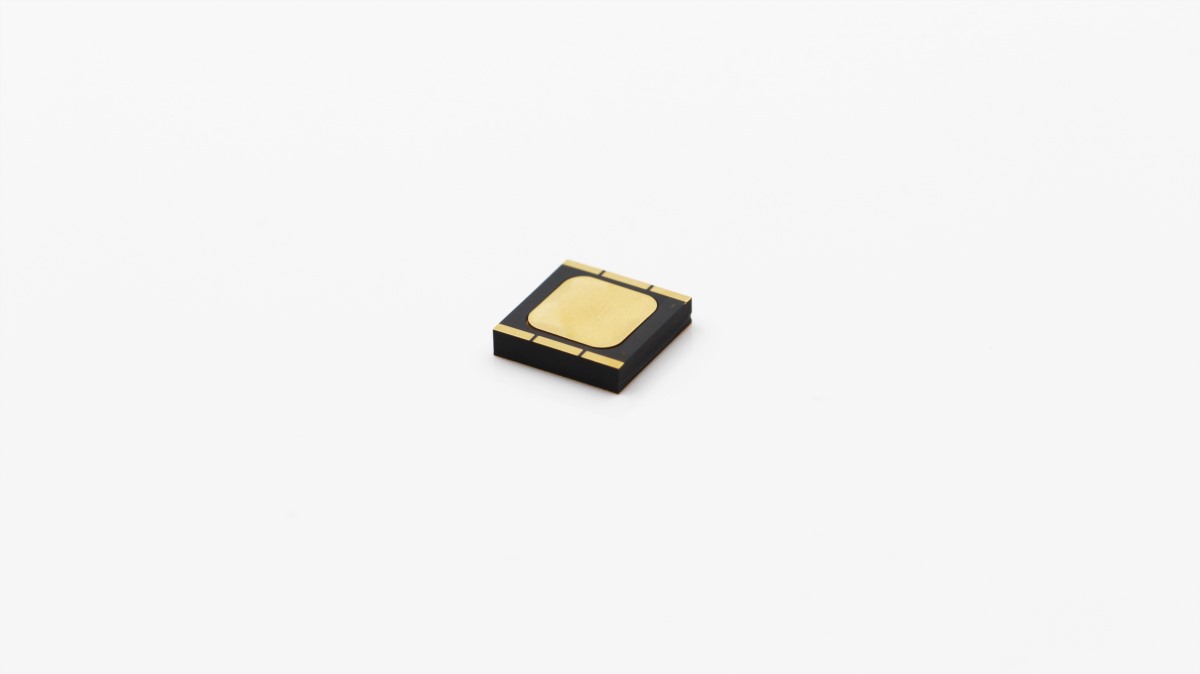
The Laser SMD CeramicShell features a surface-mount design that supports efficient heat dissipation and stable optical performance. Its compact structure enables integration into miniaturized lighting systems while maintaining long throw distances, narrow beam angles, and consistent optical output.
Features
• High thermal conductivity and high chip protection
• Performance and driving power are stable
• Compact 7mm surface-mount device with built-in safety features
• It can achieve ultra-long throw distances,narrow optical angles,and small optical sizes
Applications
• Lighting for protable search and rescue
• Lighting for automotive and architectural
• Lighting for outdoor and recreational
Declaration: This is an original article of INNOVACERA®. Please indicate the source link when reprinting: https://www.innovacera.com/product/laser-smd-ceramic-shell
Frequently Asked Questions
Why Use SMD Ceramic Shells for Laser Light Sources? How Do They Solve Thermal Overheating in Compact Modules?
High-power laser diodes generate intense localized heat flux, which degrades conventional plastic or resin housings, resulting in optical wavelength drift and premature diode burnout. INNOVACERA’s Laser SMD Ceramic Shell utilizes high thermal conductivity ceramics to extract heat rapidly from the laser chip. Its compact 7mm surface-mount structure maintains consistent optical beam collimation, ultra-long throw distances, and narrow beam angles, ensuring stable driving power and extended laser operating lifespans.
Need Tailored Cavities or Sub-Mounts for Specialized Optics? How to Order Custom Laser SMD Shells from INNOVACERA?
Specialized laser lighting systems in automotive headlights and search-and-rescue equipment often require bespoke optical window alignments and mounting pads. INNOVACERA offers full custom engineering for laser SMD ceramic shells, allowing clients to configure internal cavity depths, solder pad metallization, protective window interfaces, and lead layouts. Simply share your laser diode footprint, optical angle requirements, and thermal dissipation envelope to receive engineering verification and rapid samples.