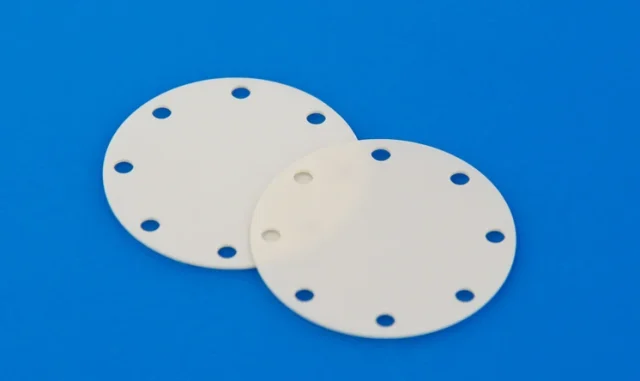
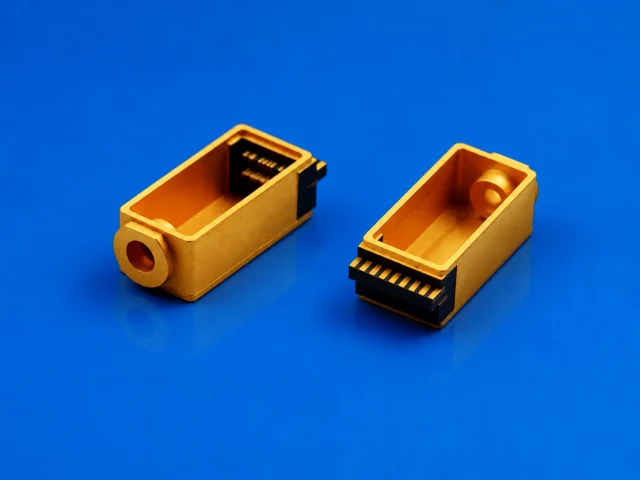
In the era of rapid evolution toward high-density integration, high-power output, and miniaturized design in electronic technology, packaging enclosures serve as the “protective core” and “performance carrier” of electronic devices. The quality of such packaging components exerts a decisive influence on the operational stability, service life, and application adaptability of the corresponding electronic devices. It can be regarded as one of the key indicators that dominate the overall performance and service reliability of the devices. Especially in core strategic fields including integrated circuits, optical communications, microwave devices, and automotive electronics, the performance requirements for packaging enclosures are becoming increasingly rigorous and demanding. Specific indicators such as hermeticity, electrical insulation, thermal dissipation efficiency, electromagnetic anti-interference capability, and dimensional processing accuracy are all subject to higher technical standards. High-precision alumina ceramic packaging enclosures, relying on their outstanding inherent material properties, mature and controllable manufacturing processes, as well as diversified and complete product series, have gradually emerged as the optimal selection to satisfy the advanced packaging requirements of high-end electronic devices. These advantages enable them to provide stable and reliable packaging support for cutting-edge electronic components, thereby continuously injecting impetus into the high-quality and sustainable development of the electronic information industry.
1. Core Material Properties: Multiple Advantages Drive Packaging Upgrades
High-precision alumina ceramic packaging enclosures adopt high-purity alumina ceramic as their core substrate material. During the preparation process, such substrates are produced through strict and precise ingredient proportioning as well as specialized high-temperature sintering procedures. These advanced preparation methods help to form a highly dense and uniformly distributed internal microstructure. As a result, the final product integrates a variety of superior comprehensive properties covering electrical, mechanical, and thermal performance aspects.
Superior Electrical Insulation: The mass fraction of alumina in the ceramic substrate is controlled within the range of 92% to 93%. At a standard room temperature of 20℃, the volume resistivity of the material can reach as high as 10¹⁴ Ω·cm. Even when exposed to a high-temperature environment of 300℃, it still maintains a stable insulation level of 10¹⁰ Ω·cm. When the temperature rises to 500℃, the volume resistivity remains at 10⁸ to 10⁹ Ω·cm. Such excellent and stable insulation performance can effectively isolate external electromagnetic interference. It can also prevent internal short-circuit risks of the circuit system. This provides reliable and long-lasting electrical protection for core functional components such as integrated circuit chips. Therefore, this material is especially suitable for the packaging requirements of high-frequency and high-voltage electronic devices.
Excellent Mechanical Strength: The flexural strength of the alumina ceramic substrate can be stably maintained at 400 MPa. It presents outstanding resistance to mechanical impact and periodic vibration loads. This enables the packaging structure to effectively withstand various external forces encountered during device transportation, assembly, and actual service. It can significantly reduce the probability of structural deformation or fracture damage. At the same time, the material itself has extremely high hardness and excellent wear resistance. These characteristics help maintain the structural integrity of the packaging shell over a long service period. They also effectively extend the overall service life of the entire electronic device.
Efficient Heat Dissipation and Thermal Stability: The thermal conductivity of the ceramic substrate can reach 18 to 20 W/(m·K). Such thermal conductivity enables rapid and effective conduction and dissipation of the heat generated by the chip during continuous operation. It can effectively avoid performance degradation or service life reduction caused by local overheating inside the device. The thermal expansion coefficient of the material is precisely regulated and controlled. Within the temperature range of 40℃ to 400℃, its thermal expansion coefficient is 6.7 to 7×10⁻⁶/℃. Within the temperature range of 400℃ to 800℃, the thermal expansion coefficient is 6.9 to 7.2×10⁻⁶/℃. This value is highly matched with the thermal expansion characteristics of chips, metal leads, and other connected components. Such high matching degree can effectively reduce the thermal stress concentration generated during repeated high and low temperature cycles. It also greatly lowers the risk of cracking or interface separation failure of the packaging structure.
Stable Dielectric Performance: Under the test frequency of 1 MHz, the dielectric constant of the material is maintained between 9 and 10. The dielectric loss tangent value is only 4×10⁻⁴. Such excellent dielectric properties can effectively reduce the energy loss and signal attenuation during high-speed signal transmission. They can fully ensure the communication quality and strict signal integrity of high-frequency devices. Therefore, this material can well adapt to high-speed signal transmission scenarios including microwave communication, optical communication, and other related fields.
2. Precision Manufacturing Process: Full-Process Quality and Accuracy Control
The excellent performance of alumina ceramic packaging enclosures stems from precise manufacturing and strict quality control throughout the entire process. The production process covers multiple core processes, each achieving high-precision control.
Core Production Processes: From tape casting, blanking, drilling, hole filling, and screen printing, to cavity opening, lamination, pressing, cutting, sintering, and then to metallization, nickel plating, mounting and brazing, and gold plating, a complete independent production chain is formed. All processes are closely linked, ensuring the stability of product structure and performance through professional equipment and technical experience.
Dimensional Accuracy Control: The external dimensions range from 2mm to 100mm. The tolerance of common dimensions (5mm~75mm) is precisely controlled to ±1%, and the tolerance of specially customized dimensions can be controlled within ±0.6%. In terms of thickness, conventional products are 0.8mm~4.0mm with a tolerance of ±3%, while special thin products can be as thin as 0.4mm with a tolerance of only ±2%. The minimum single-layer thickness is 0.1mm with a tolerance of ±0.01mm.
Internal Structure Processing Accuracy: The minimum hole diameter can reach 0.08mm with a tolerance of ±0.01mm, and the tolerance of conventional hole diameters (0.13mm~0.42mm) is also maintained at ±0.01mm. The hole spacing and the distance from the hole to the edge strictly follow the minimum standard of 3 times the hole diameter to ensure structural stability. The via position deviation does not exceed ±0.015mm to ensure accurate circuit connection.
Metallization Process Standards: The minimum line width can reach 0.05mm with a tolerance of ±10%, and the minimum line spacing is 0.05mm with a tolerance of ±0.01mm. The metal layer is treated with nickel plating, gold plating, and other processes, featuring uniform thickness, excellent conductivity, and oxidation resistance, meeting the welding and long-term use needs of devices.
3. Diverse Product Series: Precise Adaptation to Multi-Scenario Needs
Alumina ceramic packaging enclosures form a complete product series covering different application scenarios, including five core types. Each series of products is optimized for specific needs, adapting to the packaging of diverse electronic devices.
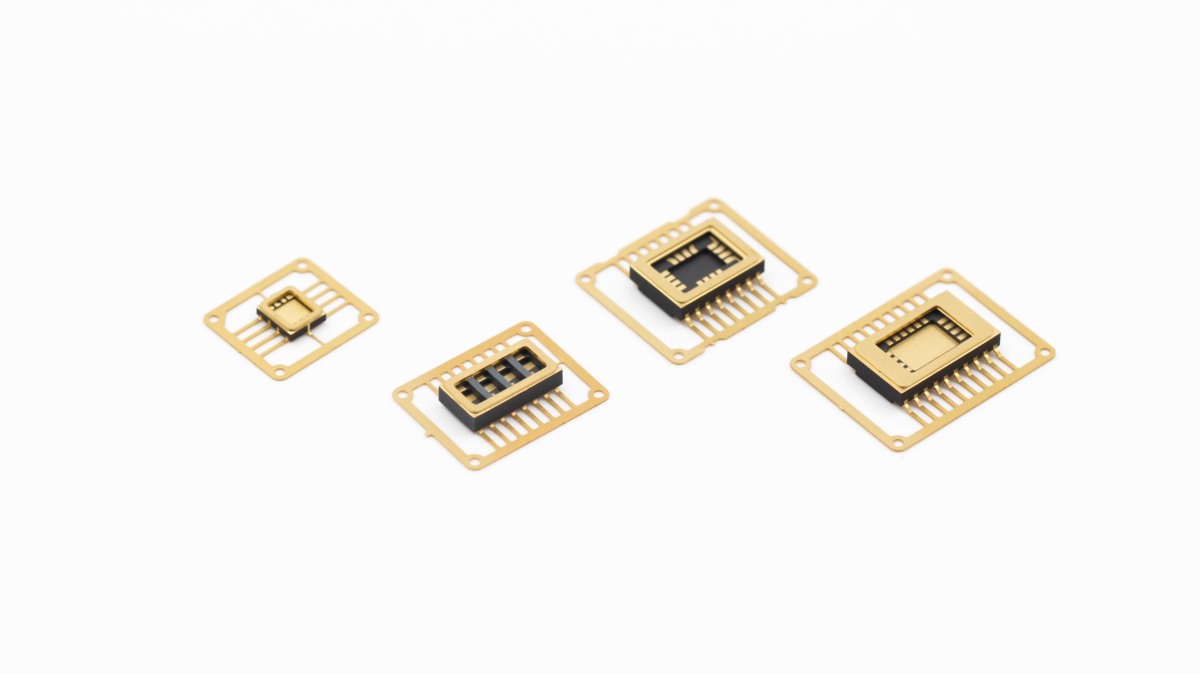
Ceramic Small Outline Package (CSOP): Adopts a miniaturized structure and wing-shaped leads, with small stress and strong resistance to mechanical impact. It supports multiple lead pitches such as 1.27mm, 1.00mm, and 0.80mm, with the number of leads ranging from 4 to 56. The cavity size and external dimensions can be flexibly customized, widely used in the packaging of various high-reliability integrated circuits and precision components, especially suitable for scenarios requiring both volume and stability.
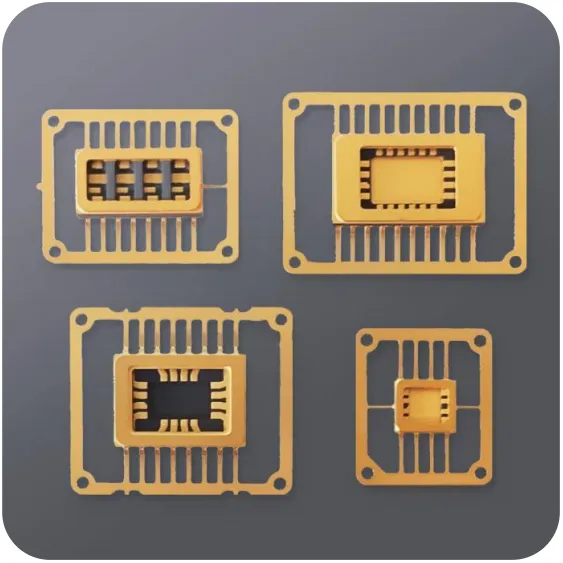
Ceramic Surface Mount Power Package (SMD): Features strong conductive current capacity, with a large-area heat sink in the chip bonding area and excellent heat dissipation performance. The number of leads is 2~3, and the cavity size ranges from 2.60mm×2.60mm to 10.00mm×9.60mm. It is an ideal packaging choice for microwave devices, crystal oscillators, and crystal oscillation devices, adapting to the heat dissipation and performance needs of high-power devices.
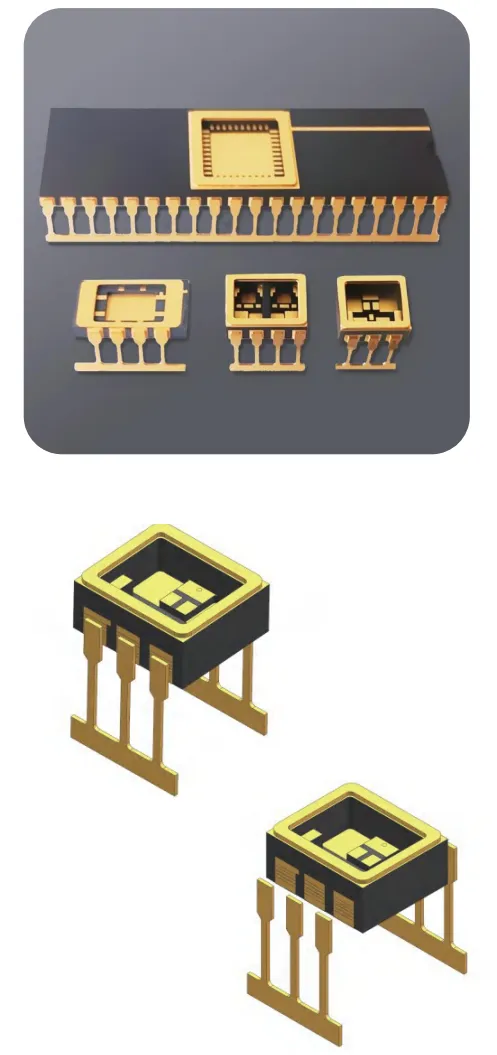
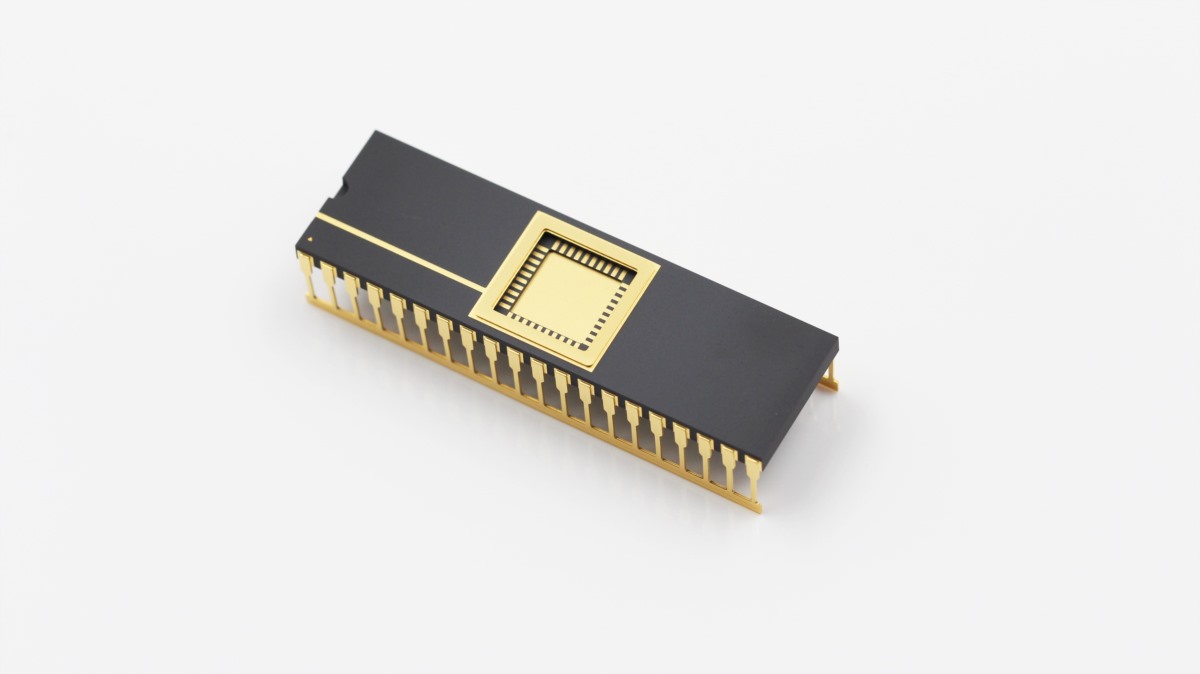
Ceramic Dual In-Line Package (CDIP): Adopts a dual in-line lead design, with the number of leads ranging from 4 to 40 and pitches covering 0.8mm, 2.54mm, and other specifications. The sealing forms include flat sealing and gold-tin sealing. It is suitable for the packaging of various integrated circuits, optocouplers, MEMS, and other products with low requirements on the number of leads and assembly density, featuring convenient installation and strong compatibility.
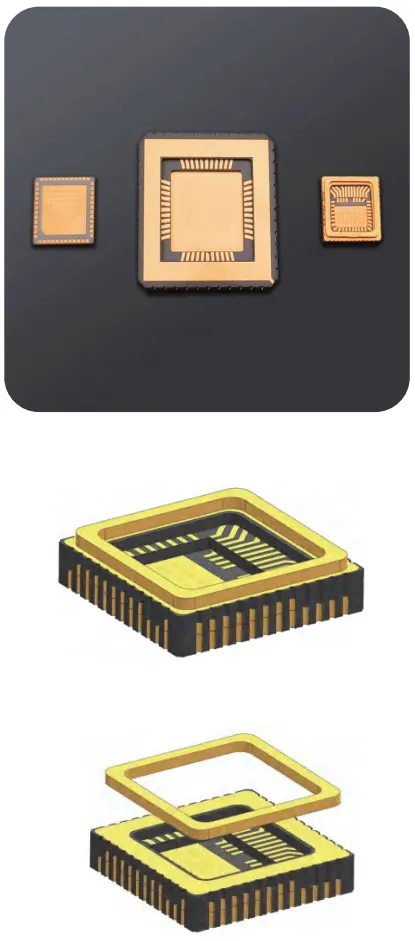
Ceramic Leadless Chip Carrier/Quad Flat No-Lead Package (CLCC/CQFN): Boasts small parasitic parameters and compact volume, supporting both double-sided and four-sided lead-out structures. The lead pitches include 1.27mm, 1.00mm, 0.50mm, etc., with the number of leads ranging from 4 to 48. It adapts to the high-density surface mounting needs of VLSI, ASIC, ECL, and other circuits, widely used in high-integration circuit devices.
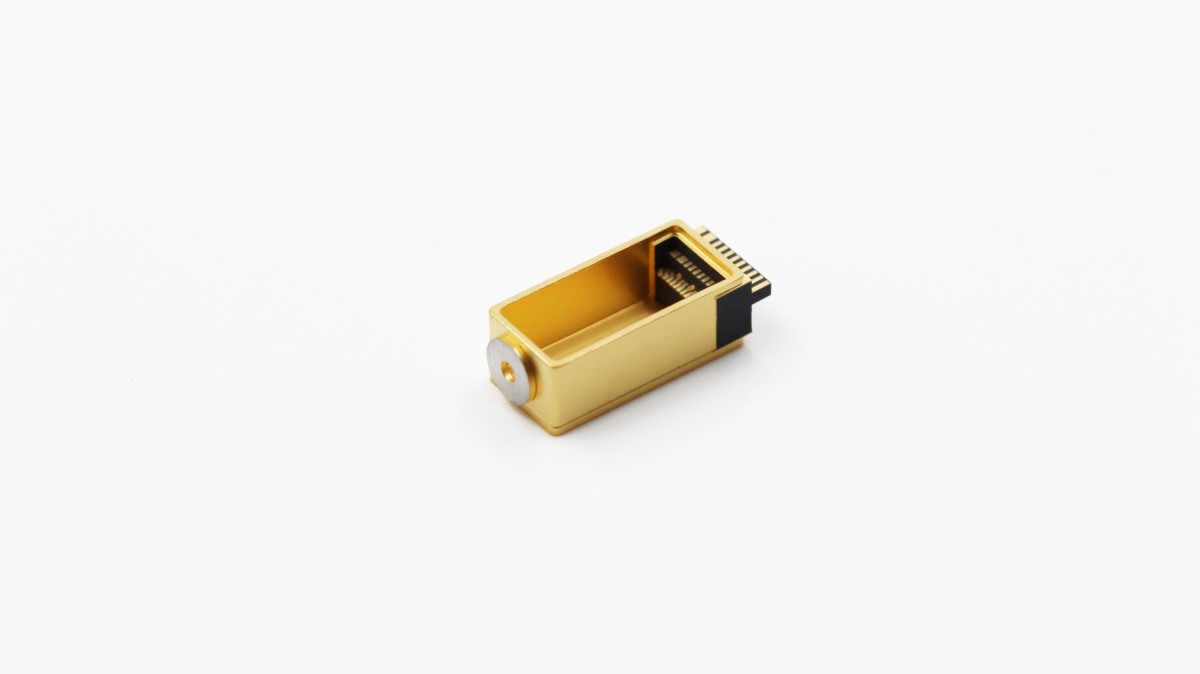
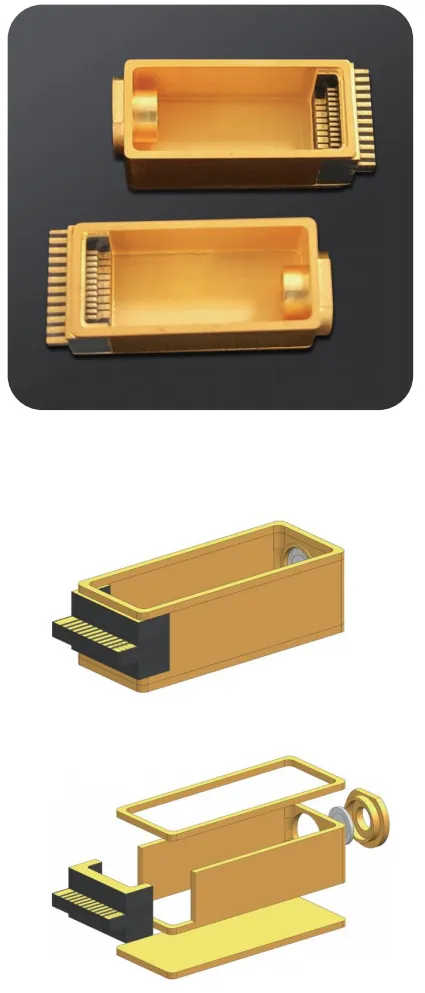
Optical Communication Device Package (ROSA/TOSA): Specifically designed for the optical communication field, it features high airtightness and reliability, and can meet the requirements of multiple application rates from 10GHz to 400GHz. It is suitable for various optoelectronic transmitting devices, receiving devices, optical switch modules, and high-power lasers, providing core guarantee for the stable transmission of optical communications.
4. Wide Application Fields: Empowering the High-Quality Development of the Electronic Industry
With multiple advantages, alumina ceramic packaging enclosures have been deeply integrated into various core industrial fields, becoming an indispensable key component of high-end electronic devices.
In the field of industrial control, such high-performance packaging components are well suited for the assembly and protection of various integrated circuits and precision functional components, as they can maintain highly stable working performance under complex and harsh industrial application environments, while their outstanding anti-interference capacity can effectively ensure the long-term continuous and stable operation of key industrial equipment; in the field of automotive electronics, these packaging products possess excellent resistance to repeated high and low temperature shocks and severe mechanical vibration loads, enabling them to maintain structural integrity and functional stability under severe vehicle-mounted working conditions, and accordingly, they can provide safe, stable, and highly reliable packaging protection for vehicle-mounted chips, high-precision sensors, and other core electronic components. In the optical communication field, ROSA/TOSA packages support high-speed transmission, helping to upgrade optical communication technology. In fields such as microwave devices and crystal oscillators, the efficient heat dissipation and conductive performance of SMD series products ensure the stable output of device performance.
With the continuous popularization of technologies such as 5G, artificial intelligence, and the Internet of Things, electronic devices will have increasingly higher requirements for the performance of packaging enclosures. Alumina ceramic packaging enclosures will further break through the performance boundaries of miniaturization, high heat dissipation, and high airtightness through material formula optimization, process upgrading, and structural innovation, providing stronger support for the innovative development of the electronic information industry, helping more high-end electronic devices achieve performance upgrading and scenario expansion. Contact sales@innovacera.com for more information.