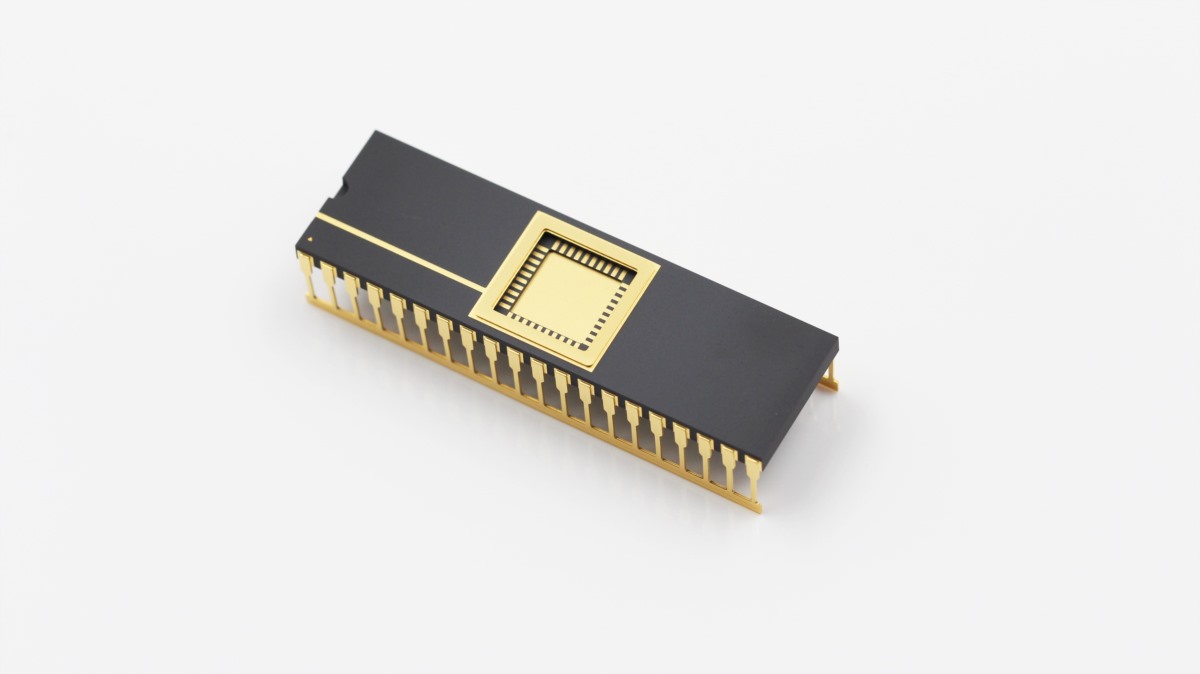
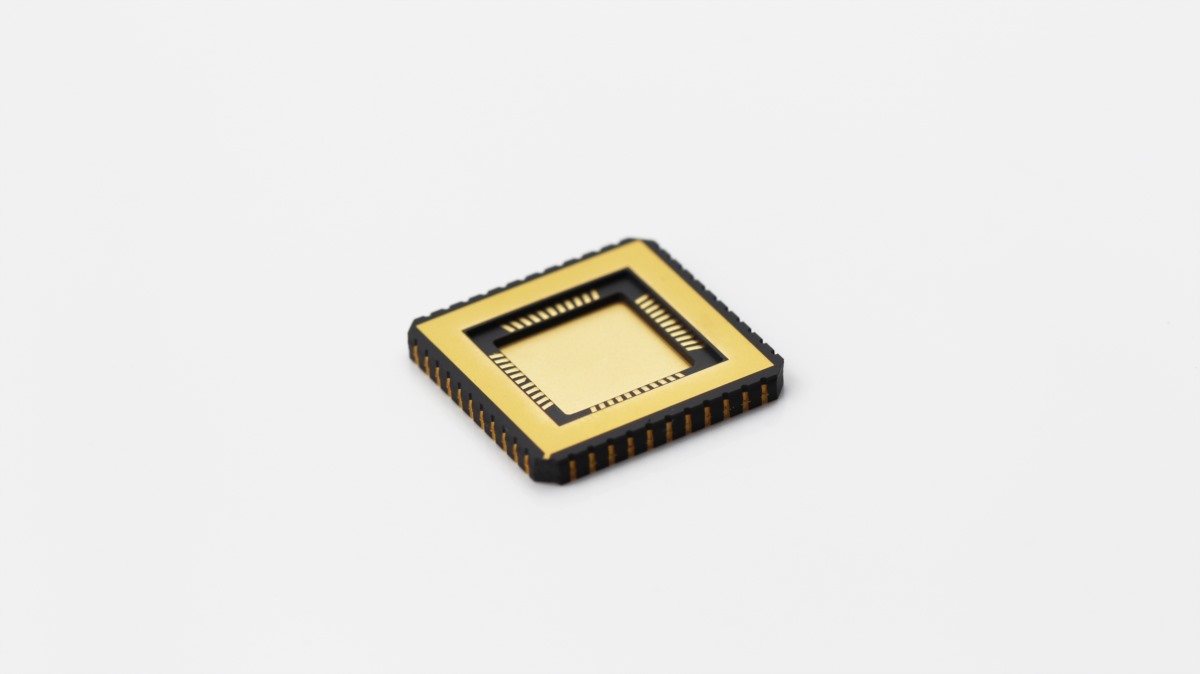
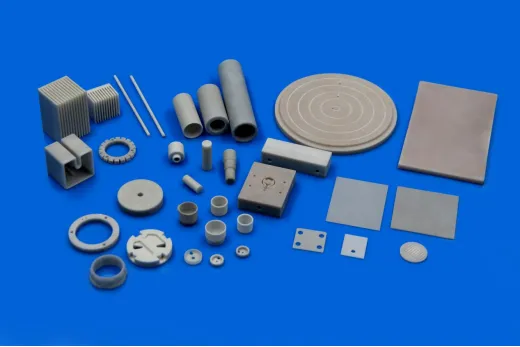
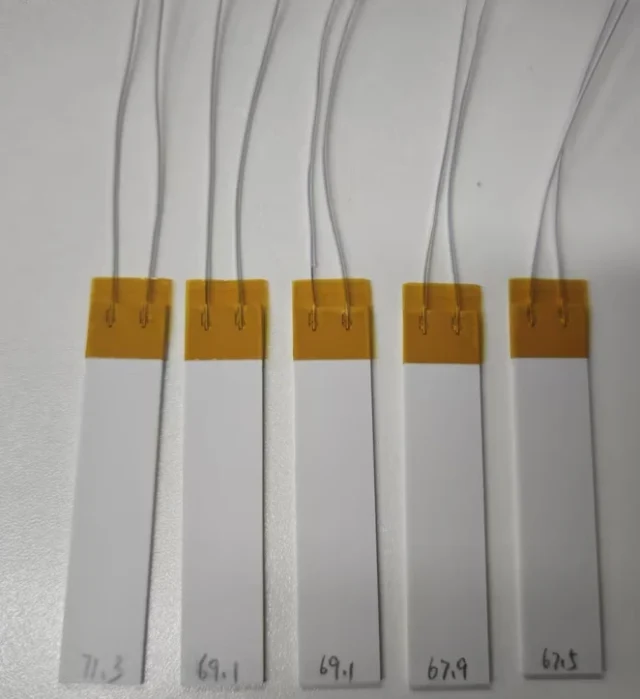
At present, consumer electronic products are always striving for high integration in packaging technology and lightweighting of the products. Although plastic packaging can become the mainstream solution due to its cost and technical advantages, in the field of high-end and high-reliability applications, ceramic packaging plays an irreplaceable role. The dual in-line package (DIP) form, which emerged in the middle of the last century, is a very classic structure. Along with the development of ceramicization, ceramic dual in-line package (DIP) enclosure have become an important carrier for key components in systems with strict long-term reliability requirements.
The through-hole dual-row lead design of the ceramic dual-in-line package (CDIP) features a mature and stable assembly process. The encapsulation tube shell is usually composed of a high-purity alumina or aluminum nitride ceramic substrate, a metallized wiring layer, and an airtight welding structure, which can achieve a highly reliable sealing environment. This type of tube shell is combined with the ceramic matrix and metal sealing technology to form an air-sealed assembly structure. It can effectively prevent moisture from entering and maintain the stability of electrical performance under high-temperature cycling, radiation and long-term service conditions.
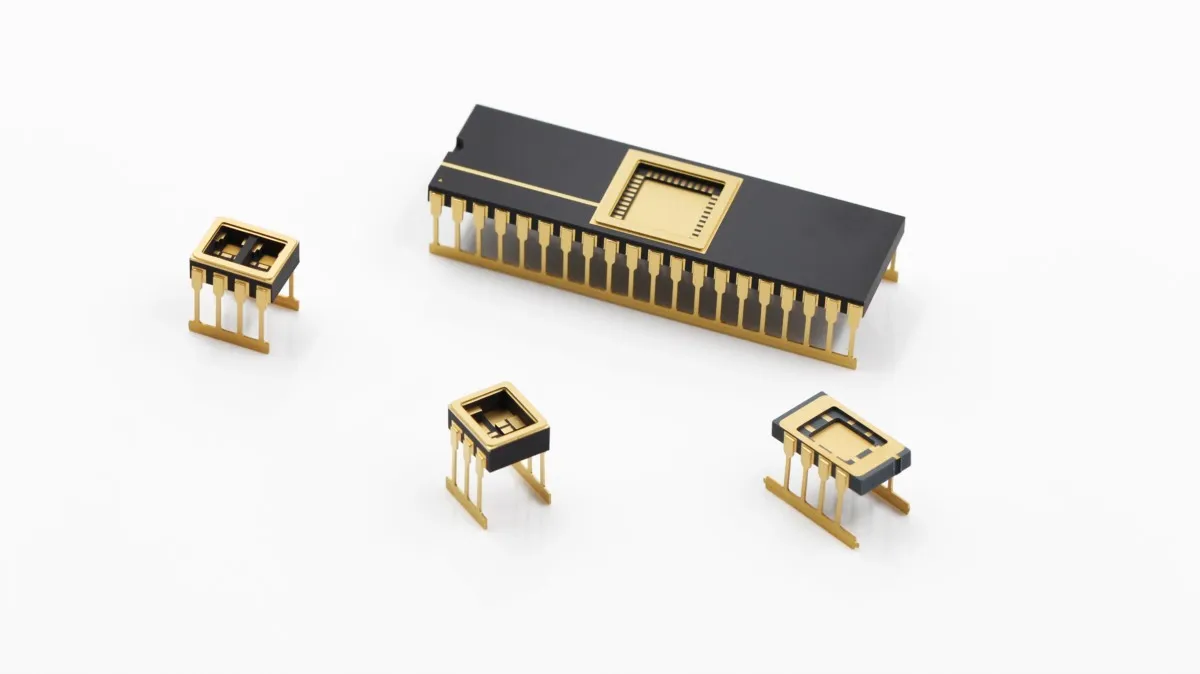
Classic Dual In-line Structure, Compatible with a Wide Range of Designs
CDIP adopts a classic dual-row lead arrangement. The symmetrical structure ensures that the housing has excellent mechanical strength and connection reliability after being soldered onto the printed circuit board (PCB). Its pin configuration is flexible and can cover various packaging specifications, enabling it to meet the requirements of different types of devices. This also leaves sufficient space for the compatibility and flexibility design of the circuit board. In addition, the through-hole installation method also facilitates maintenance, upgrades and replacement in the later stage.
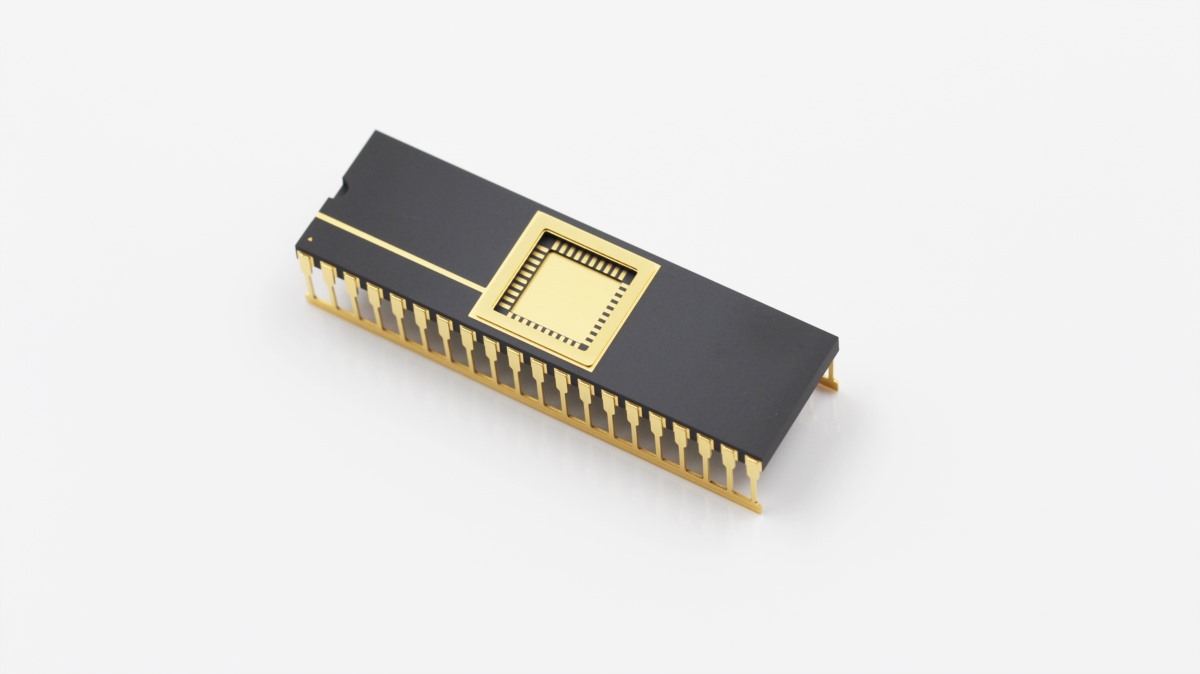
Advanced Ceramic Materials Enabling Highly Reliable Packaging Substrates
The CDIP housing is made of high-performance ceramic materials, which have strong electrical insulation and moderate thermal conductivity, providing stable isolation and heat dissipation for the chip. The thermal expansion coefficient of ceramics is close to that of silicon chips, which can alleviate the stress caused by temperature changes. The dense and chemically inert structure ensures that the shell remains stable under high temperatures, impacts, or long-term operation, guaranteeing the long-term reliability of the packaging. Users can select different ceramic materials such as alumina, silicon nitride or aluminum nitride as the packaging substrate according to their actual needs.
Wide Range of Applications Across Various Scenarios
Thanks to its high reliability and stable electrical performance, the ceramic dual-in-line package (CDIP) has been widely used in the following fields:
– For various integrated circuits with high requirements for the reliability of their output terminals
– Optoelectronic device (including optical coupler) module
– MEMS sensors and components
– Industrial control and testing equipment
For system designs that do not require extremely high pin density but prioritize long-term stability, CDIP remains a reliable choice.
Supports Multiple Customization and Specification Options
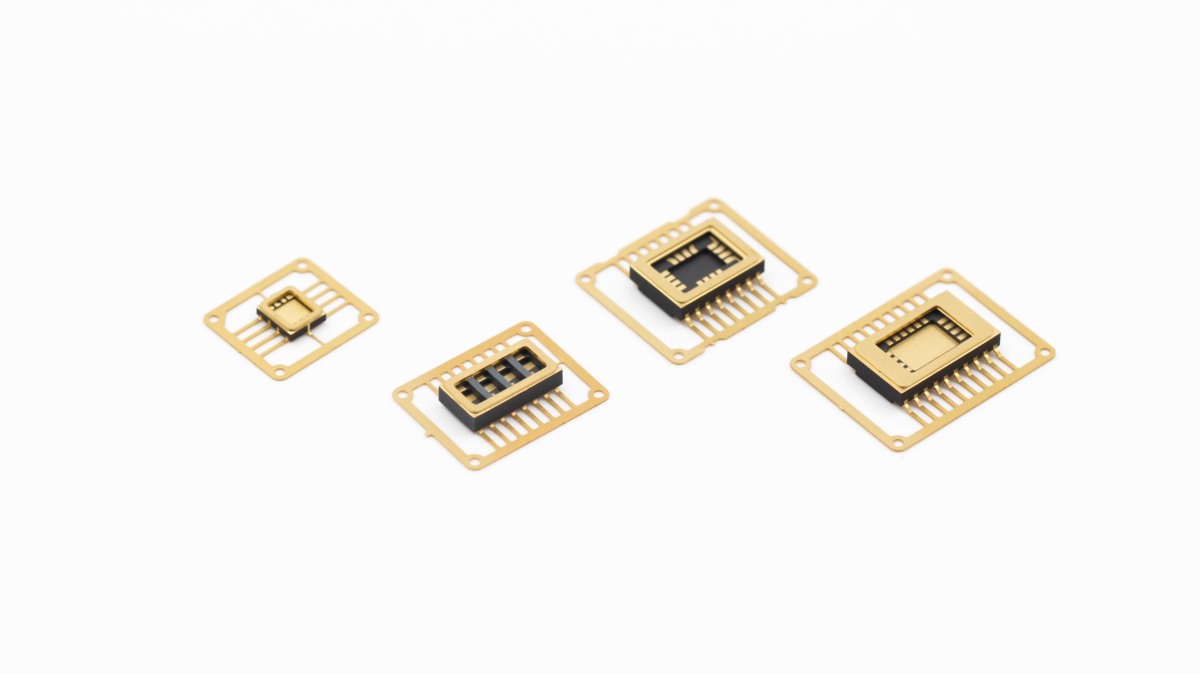
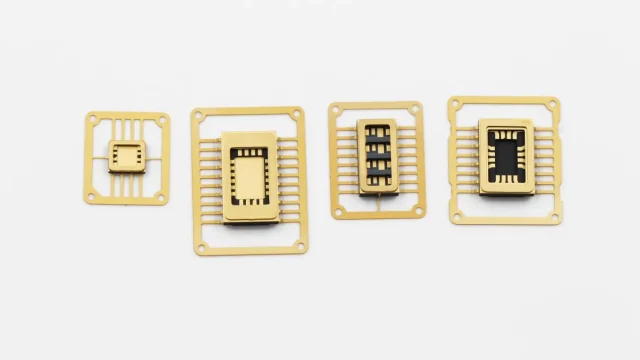
To meet the diverse design requirements, Innovacera offers various CDIP casings with different lead counts and package sizes. Additionally, customized specification solutions can be provided according to the technical requirements of the customers. Whether it is the pin arrangement, the cavity size or the sealing method, all support flexible design to meet the requirements of different levels of product development. If you have any questions or requirements, please contact sales@innovacera.com.