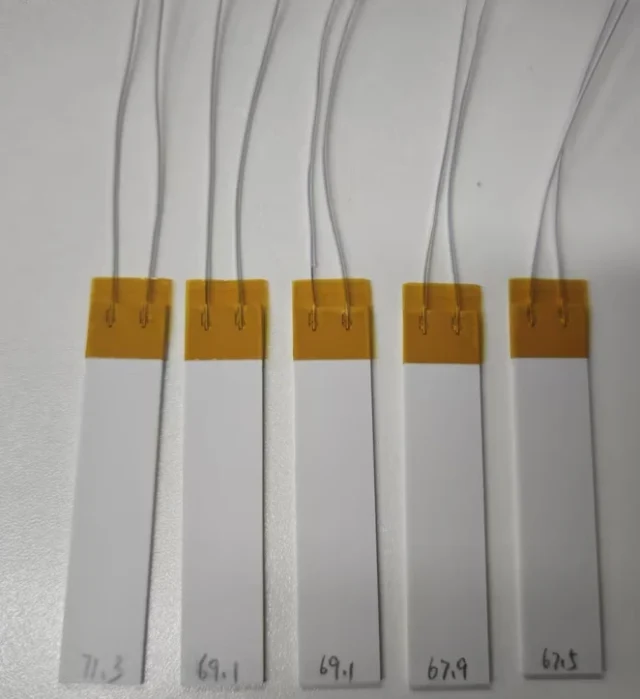
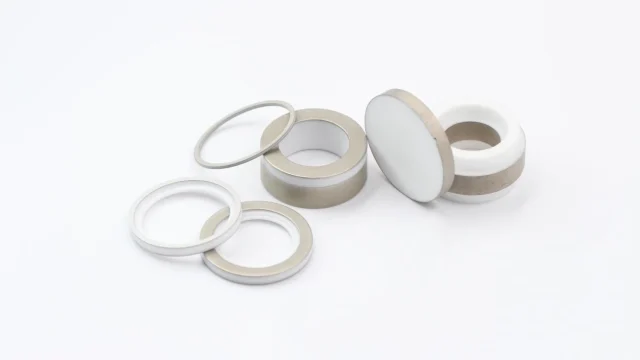
With the prevalence of smart homes, smart toilets have already become an integral part of daily comfortable living. Their functions such as flushing, drying, seat heating and nozzle sterilization, are all achieved through ceramic heating elements. Compared to traditional electric heating wires, this element is hidden within the body of the toilet, offering significant advantages in enhancing the user experience, ensuring safety and prolonging the product’s lifespan.
I. Why choose ceramic as the heating material?
Ceramic can withstand high temperatures, is corrosion-resistant, and has excellent insulation properties, ensuring high safety when used in electrical environments. This allows ceramic components to be safely embedded in the seat ring, waterways, and even air drying systems. Especially PTC (Positive Temperature Coefficient) ceramic materials, which can automatically increase resistance when the temperature rises to a certain threshold, achieving self-limiting temperature control without the need for complex temperature control circuits, while also not affecting the overall heating uniformity and safety of the product.
II. Three Core Ceramic Heating Elements in Smart Toilets
In smart toilets, ceramic heating elements are mainly divided into three categories, each of which performs different functions:
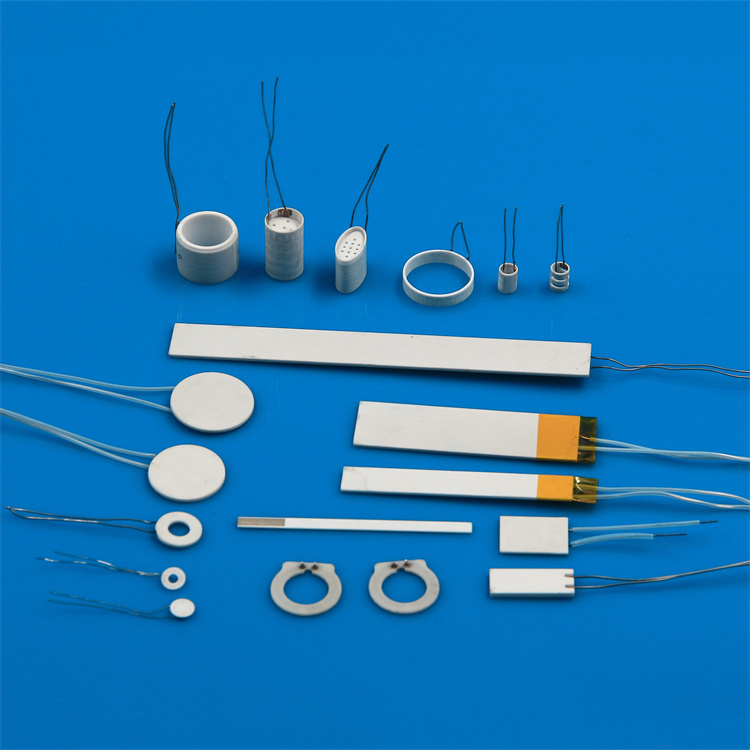
1. Small flat ceramic heating plate: The core support of seat ring temperature control
This product is usually made of thin ceramic sheets as the base, with embedded resistance materials and laid heating circuits, and the outer layer is encapsulated with insulating ceramics to ensure safety in use. Its core materials include alumina ceramics, silicon nitride ceramics, and PTC ceramic composites, which respectively rely on high mechanical strength, excellent thermal shock resistance, and self-limiting temperature characteristics to meet the needs of different application scenarios.
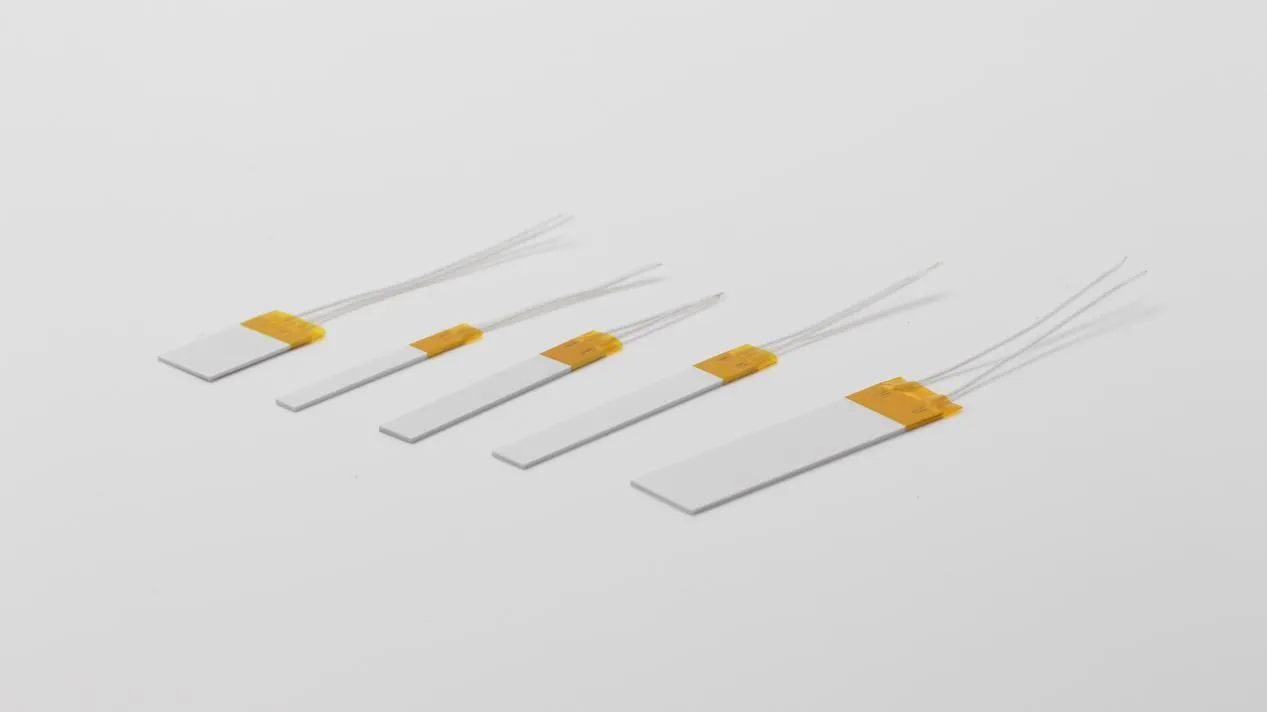
As the core component of seat ring temperature control, its main functions include seat ring preheating and automatic body temperature adjustment. Compared with traditional heating methods, this component has the characteristics of uniform heating and no local overheating, with a response speed reaching second-level temperature rise, which can quickly provide a skin-contact temperature for the seat ring. In addition, this heating element is highly durable, has excellent moisture-proof properties, and has a high level of electrical safety. It can also operate stably even when frequently started and stopped.
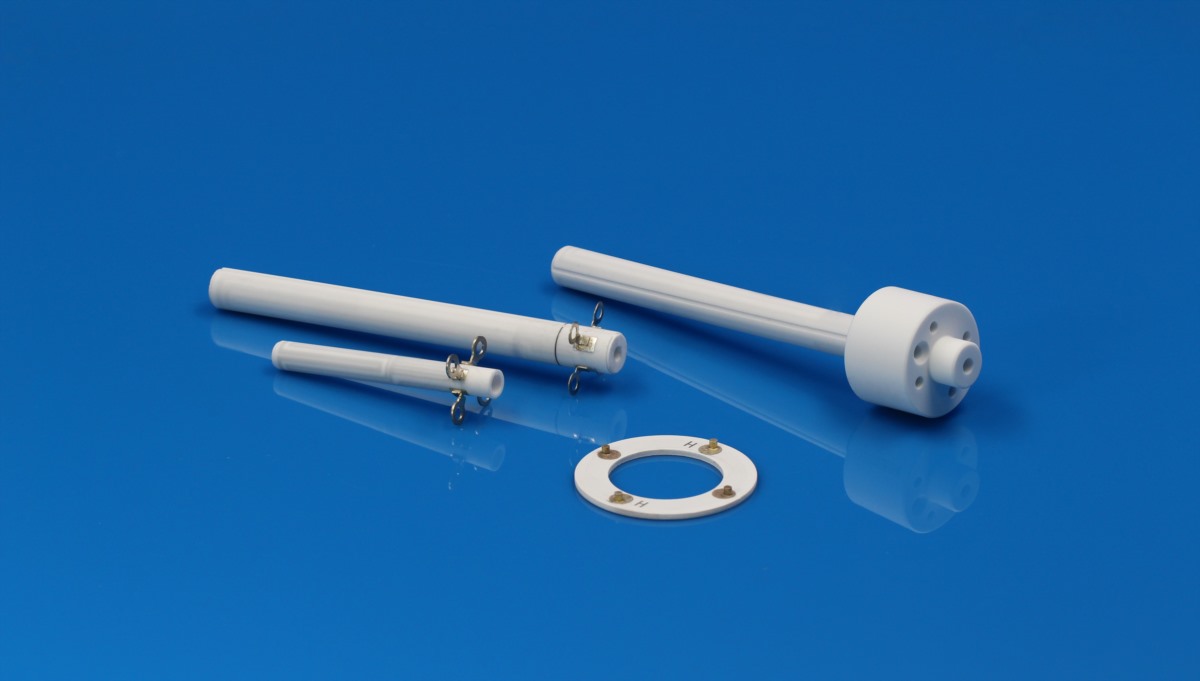
2. Ceramic tubular heating element: Stable guarantee for warm water rinsing
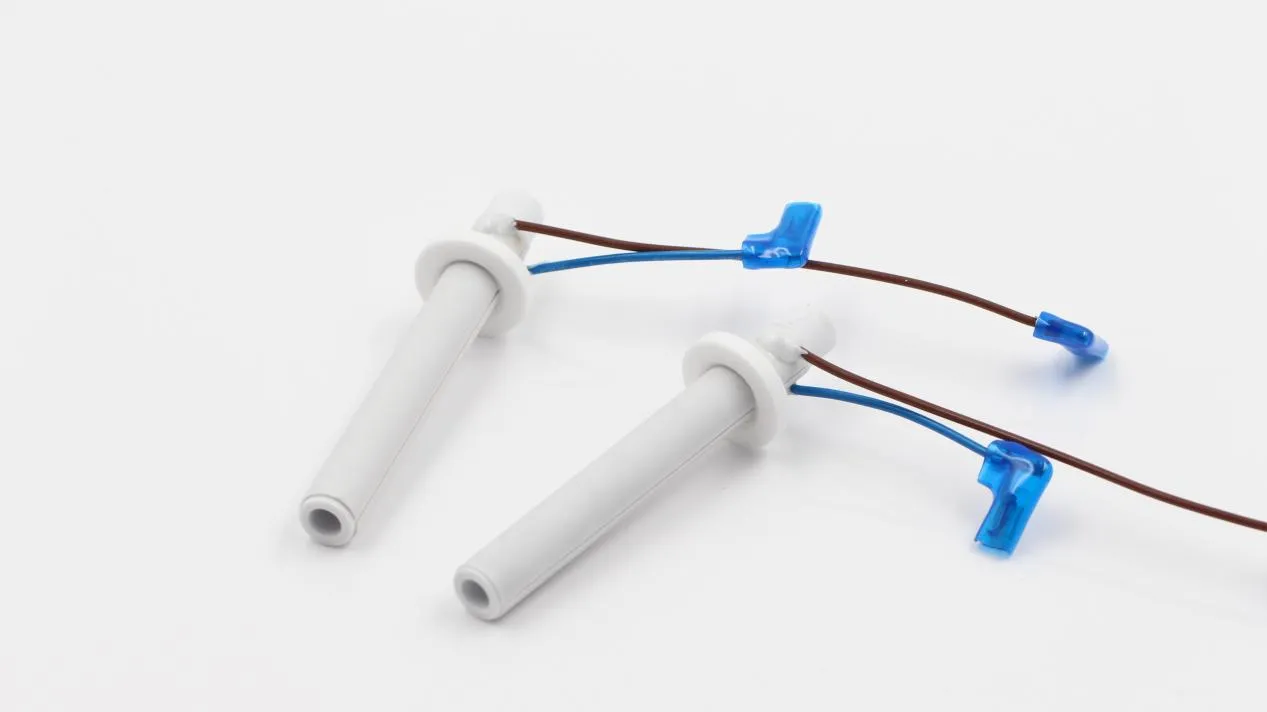
It adopts a hollow ceramic tube structure, with high-quality heating material inside and an anti-moisture insulation layer on the outside. It is the core component of the warm water flushing system. It is a key component of the warm water rinsing system. Its main materials are alumina ceramic tubes and reinforced ceramic insulation layers. Some products may incorporate PTC components to enhance stability. It is mainly applied for water heating, providing stable temperature control for warm water rinsing. Compared with metal heating tubes, ceramic heating tubes are resistant to corrosion and prevent scaling, have a fast heating speed, high heat efficiency, and can maintain a constant water temperature throughout the year. The user experience is more comfortable.
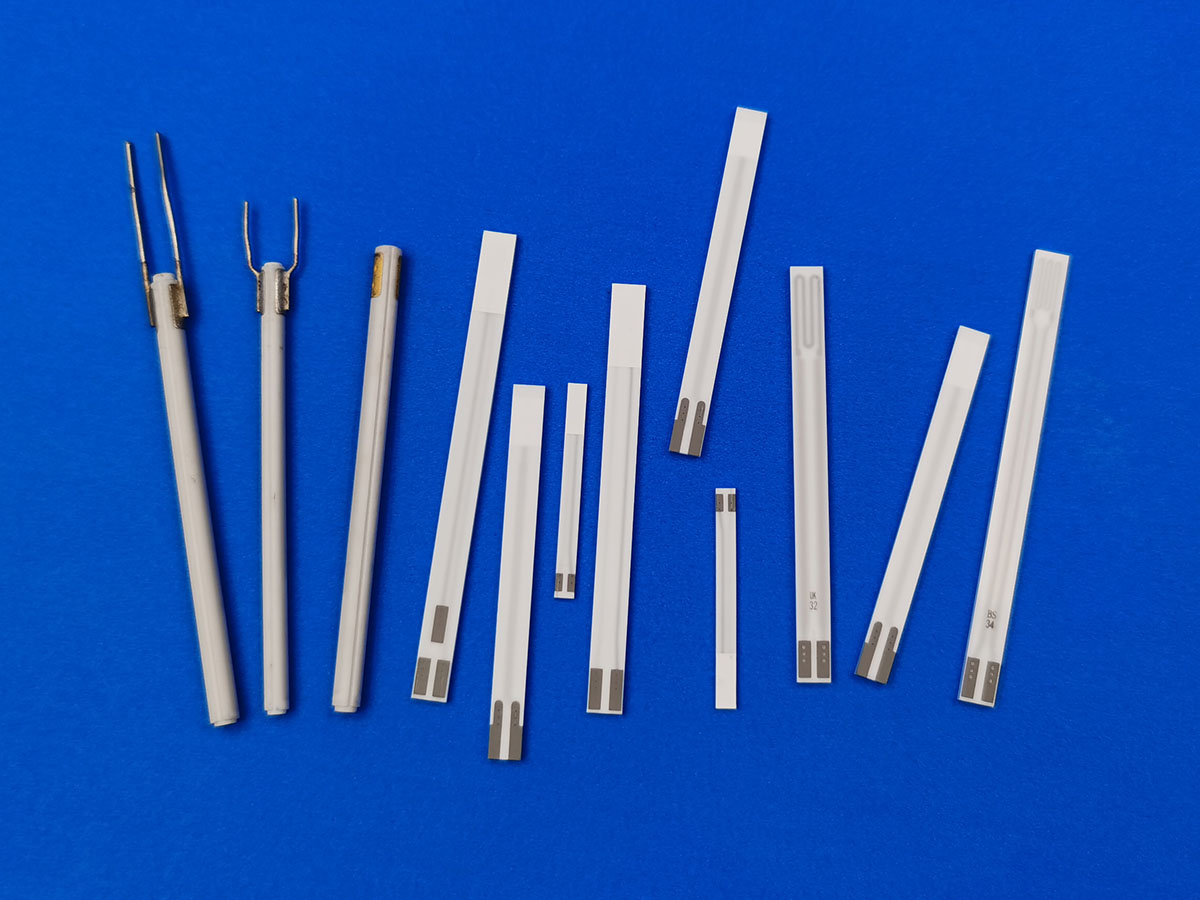
3. PTC Ceramic Self-limiting Heating Chip: The Intelligent Core for Safe Heating
The core advantage of this heating element lies in its unique material property – the positive temperature coefficient resistance effect. When the temperature rises to the set threshold, the material resistance will increase sharply, automatically reducing the current to achieve self-limitation of temperature, without the need for additional sensor configuration.
This element is mainly applied in air drying modules, nozzle sterilization heating and local temperature control protection scenarios. This product is designed very thoughtfully. It allows for the setting of the safe temperature control range as needed, effectively preventing internal components from being damaged by high temperatures. At the same time, the heat is distributed evenly and the heat output is stable, providing a better user experience.
When the drying function is activated, the warm air sent out is gentle and lasts for a long time. Compared to the traditional heating wire structure, there is less likelihood of components cracking, breaking, or overheating in certain areas. When used for sterilization heating of the nozzle, the temperature control is precise and accurate, achieving the desired sterilization effect while also properly protecting the accessories. It is safe and convenient to use.
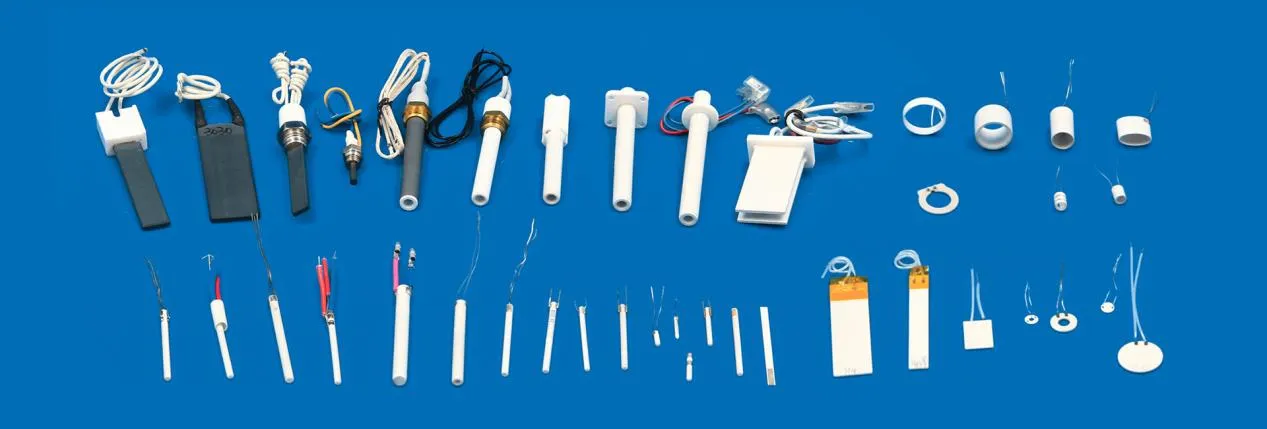
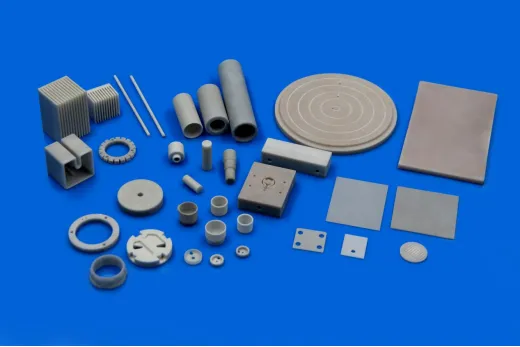
From water temperature control to warm air drying, the ceramic heating technology has comprehensively optimized the bathroom usage experience. Besides, various ceramic heating elements are also widely applicable to fields such as oxygen sensors, 3D printers, and electronic appliances. Innovacera offers a wide range of products that can be adapted to various usage scenarios. If you need to inquire about product details, please feel free to contact us via email sales@innovacera.com.