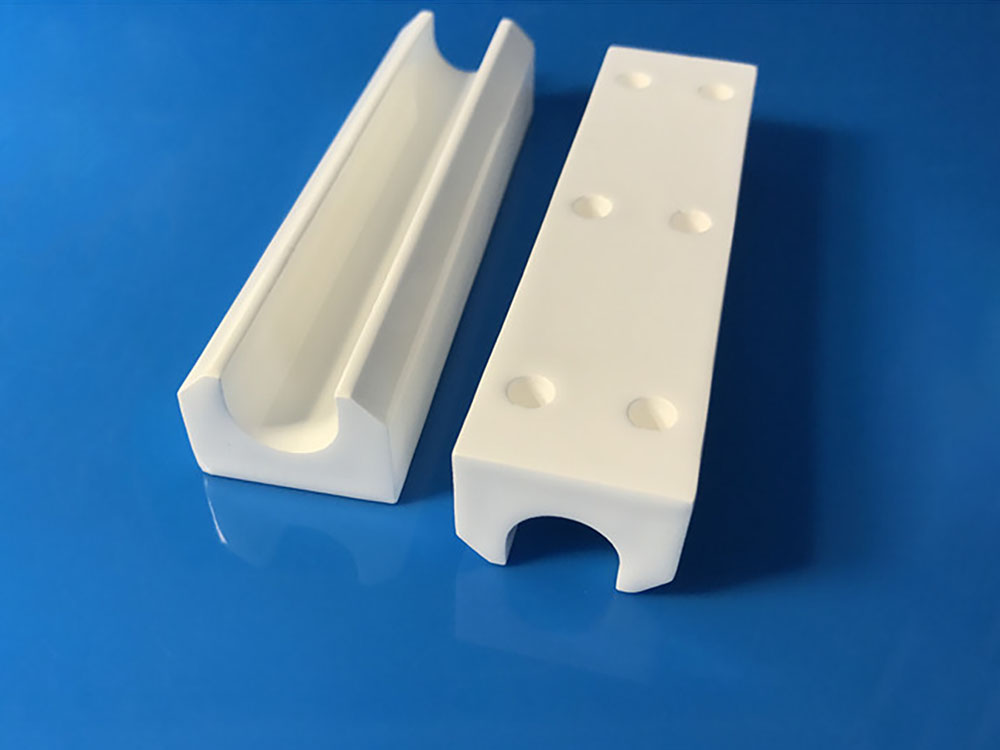
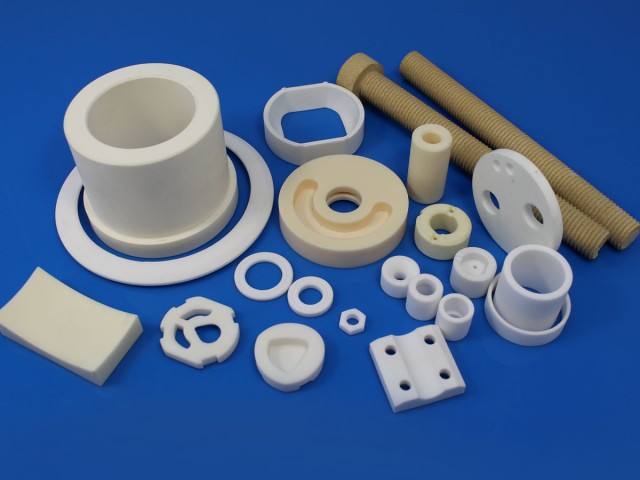
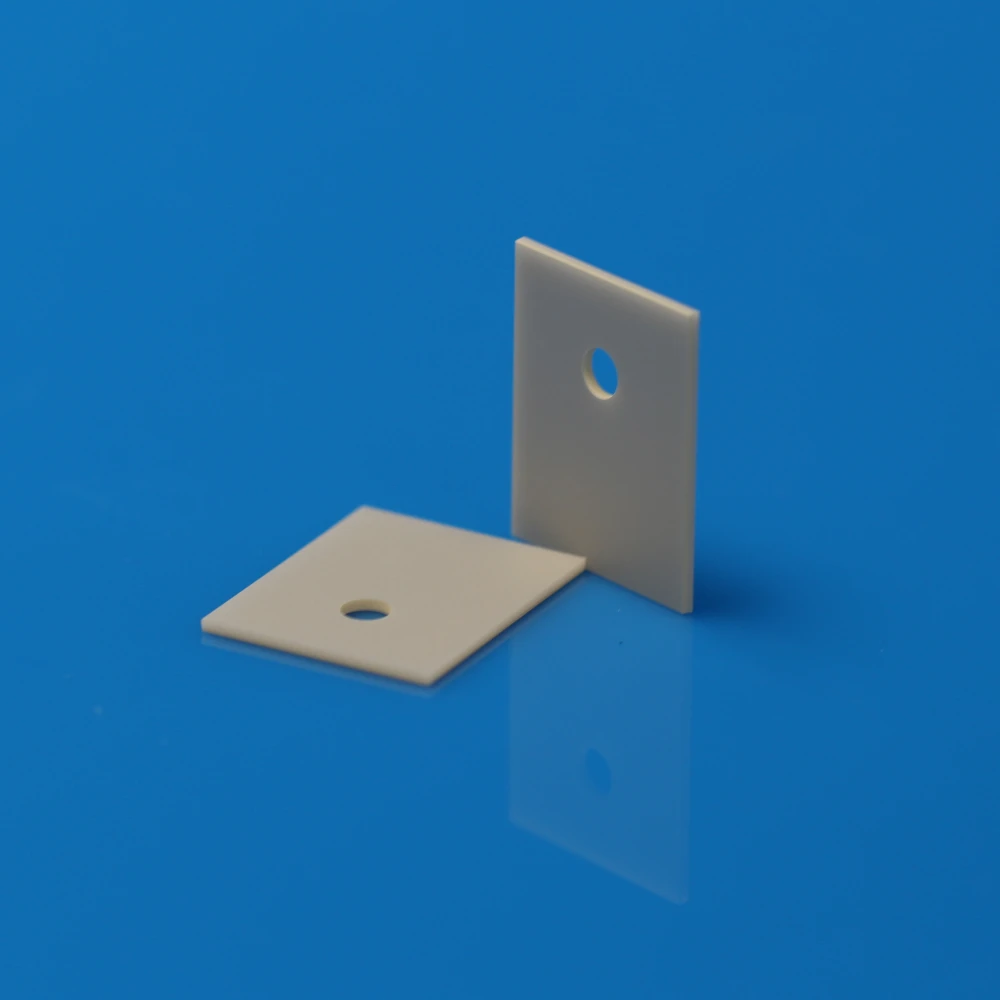
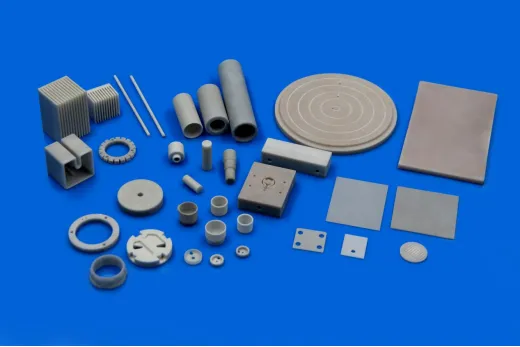
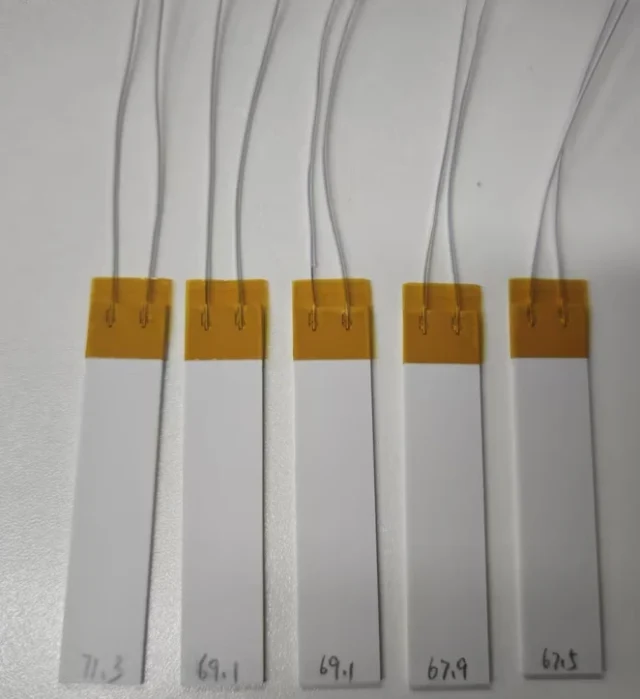
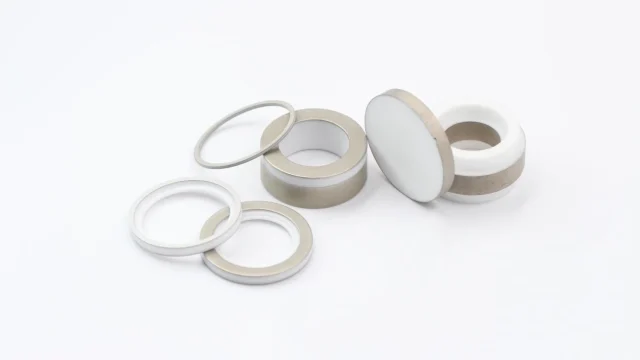
In laser pumping cavities, infrared heaters and high-intensity light source systems, ceramic reflectors are the core components for optimizing light energy transmission and enhancing energy utilization efficiency. They can uniformly guide the pumping light to the laser crystal or target area, directly influencing the output efficiency and operational stability of the equipment.
With the continuous improvement of requirements for high-temperature stability and optical performance in industrial lasers and medical fields, 99% alumina (Al₂O₃) ceramic reflectors have gradually replaced traditional metal-coated structures and become the mainstream technical route. So, among numerous ceramic materials, why has it been able to maintain its position as the industry standard for such a long time?
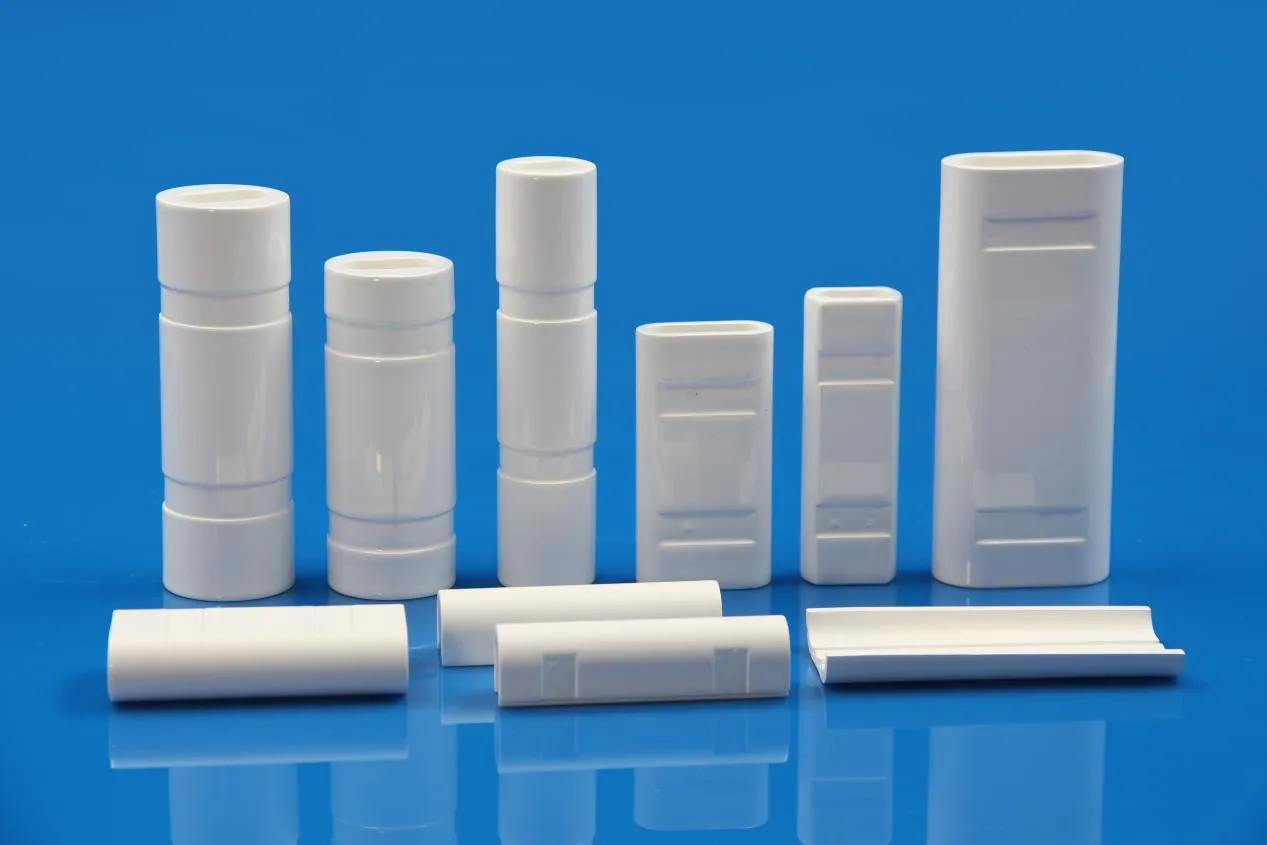
I. Core Application: The Energy Transmission Core in Laser Systems
The most typical application scenarios of 99% alumina ceramic reflectors are the pump cavities of solid-state lasers, including industrial processing, medical lasers, beauty equipment, as well as scientific research and special laser systems, etc.
During the operation process, the light energy generated by the pump source (such as a flash lamp or a laser diode) is collected by the reflective cavity and needs to be uniformly applied to the laser crystal (such as Nd:YAG) to achieve stable laser output. This process requires the reflector to maintain stable performance under high temperature, strong light irradiation and long-term operation conditions.
II. Technical Advantages: The engineering rationality of 99% alumina
1. Uniform diffuse reflection due to porous structure
Unlike traditional metal mirror reflection, aluminum oxide ceramics achieve multiple scattering of light through an internally controlled porous structure. The pump light is constantly reflected between the micropores and the grain interfaces, resulting in a more uniform light field distribution and reducing the risk of local hotspots.
Within the common laser wavelength range, its high diffuse reflection property can achieve a reflection efficiency of over 95-98%, and can be further optimized under specific wavelength conditions.
2. High temperature stability and thermal shock adaptability
The melting point of alumina ceramics is approximately 2050℃. It exhibits excellent structural stability within the industrial working temperature range. Additionally, its thermal conductivity is around 20–30 W/(m·K), which helps facilitate the rapid diffusion of heat and maintain the thermal balance of the system.
Its low coefficient of thermal expansion enables it to maintain dimensional stability under cyclic working conditions ranging from 200 to 500 degrees Celsius, thus demonstrating excellent resistance to thermal shock.
3. Enhancing the long-term stability of the surface glaze layer
The mainstream commercial reflectors usually undergo glaze treatment on the surface of the alumina substrate to enhance the reflection efficiency and reduce the adhesion of contaminants. At the same time, this structure can also improve the long-term stability of the material in complex environments, making it suitable for sealed optical cavities.
4. Balance between mechanical properties and manufacturability
The 99% alumina ceramic has high mechanical strength. Its flexural strength usually ranges from 170 to 250 MPa (related to the process density), and its Mohs hardness is close to level 9, which can meet the structural reliability requirements during assembly and long-term operation.
Meanwhile, this material has developed into a mature industrialization system, enabling the stable and large-scale production of complex structures.
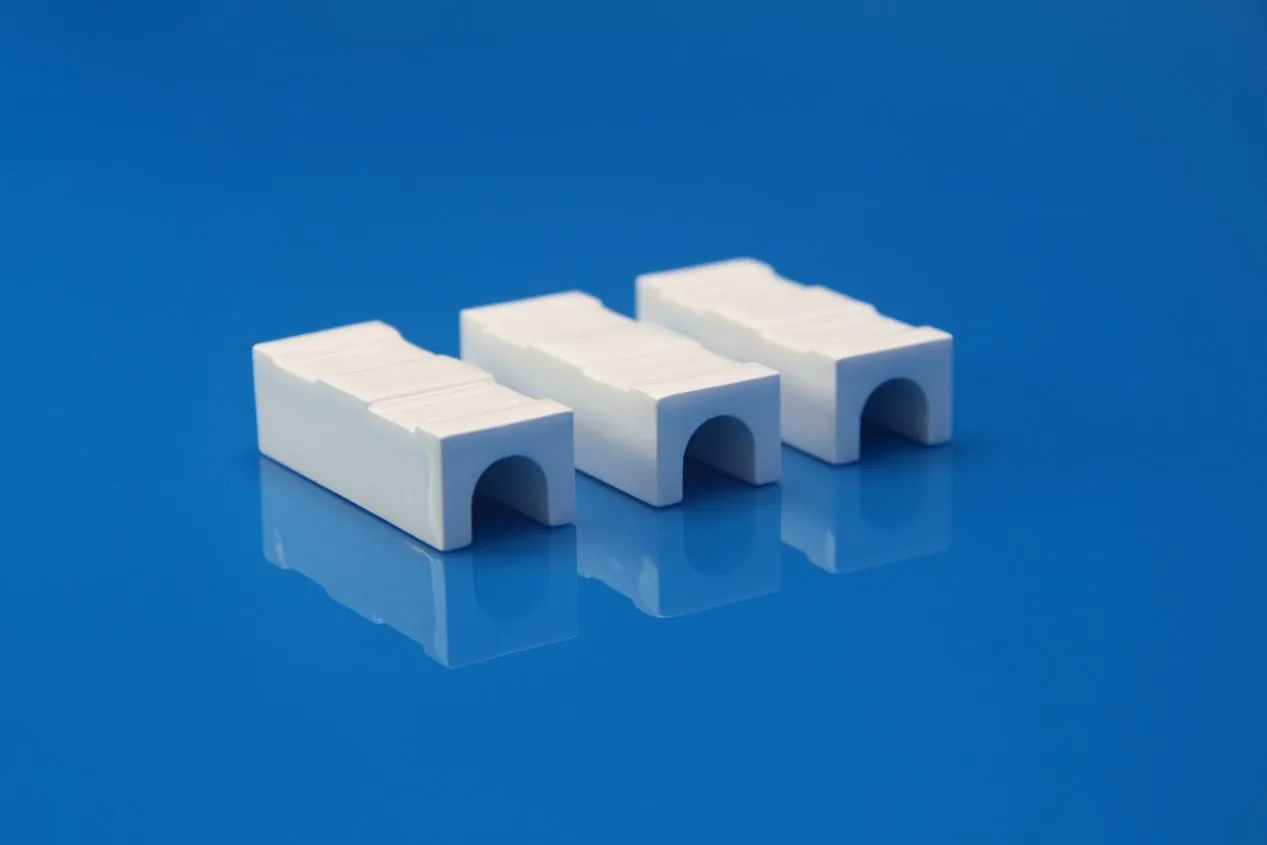
III. Advantages over Metal Coatings
The traditional metal-coated reflective cavity is prone to oxidation, performance degradation or coating damage in long-term high-temperature environments, thereby affecting the stability of the system.
In contrast, 99% alumina ceramic reflector have a more stable material system, which can maintain a high consistency of optical performance over a long period of operation, and exhibit better energy utilization efficiency in some applications. Additionally, their pure diffuse reflection property also simplifies the system structure design.
From a life-cycle perspective, its maintenance costs are lower and it has a more advantageous overall economic performance.
Conclusion
The 99% alumina ceramic reflector has become the industry standard in the fields of laser and infrared heating not because of a single superior performance, but because it has achieved a long-term verified balance among high-temperature stability, optical structure compatibility, and industrial manufacturability.
With the development of high-power lasers and precise optical systems, their application scope is still continuously expanding. Innovacera offers a variety of ceramic reflector solutions. Please contact sales@innovacera.com for more information.