In oil and gas drilling, shale gas fracturing, and offshore platform operations, the mud pumps have to operate continuously under high pressure and large flow conditions throughout the year. The drilling fluid contains a large amount of hard impurities such as rock chips and sand grains. When flowing at high speed, it will constantly wash and wear the inner wall of the cylinder liner. The ordinary metal cylinder liners are prone to rapid wear, and the sealing effect will gradually deteriorate. Not only do they need to be frequently replaced, but they can also cause unexpected shutdowns, directly slowing down the overall drilling construction efficiency.
In the face of increasingly complex operating conditions and the industry pressure to reduce costs and increase efficiency, the wear resistance upgrade of key components of mud pumps has become an urgent need. Among them, the composite structure solution represented by ceramic cylinder liners, with its excellent wear resistance and long service life, has become an important technical path to improve the efficiency of oil and gas drilling.
01 Real Challenges in High Wear Conditions
In the drilling operation environment, the cylinder liner of the mud pump needs to endure long-term high-pressure reciprocating impacts, while also being able to withstand the continuous erosion caused by the sand-containing drilling fluid.
When the conventional bimetallic cylinder liner is used in actual field conditions, its drawbacks are quite obvious. The main problems lie in the following aspects:
• Wear is rapid: Long-term erosion by the sand-containing mud causes severe wear on the inner wall of the cylinder liner
• Sealing is prone to damage: After the inner wall becomes rough, it accelerates the aging and wear of the piston seal
• Pumping efficiency decreases: More medium leakage occurs, and the overall transportation performance declines
• Regular maintenance and replacement are frequent: Short service life, and the number of shutdowns and maintenance increases significantly
Especially in deep wells, ultra-deep wells, and shale gas fracturing under high-intensity conditions, these problems become more prominent, and higher requirements are placed on the stable and continuous operation capability of the equipment.
02 Dual Upgrade of Materials and Structures
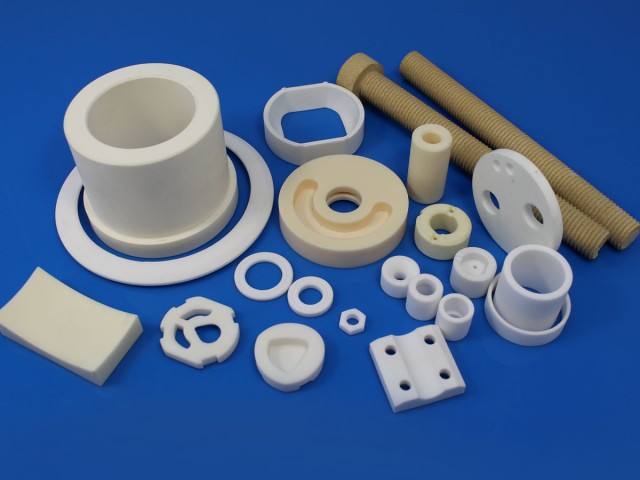
To cope with high wear and high load conditions, the industry has gradually shifted from using single metal materials to using composite materials. Among them, composite ceramic materials such as zirconia toughened alumina (ZTA) have achieved a more balanced performance in terms of properties:
• High hardness: Effectively resists particle erosion, enhancing wear resistance
• Toughening mechanism: Reduces material brittleness, improving impact resistance
• Thermal shock resistance: Adapts to frequent start-stop and temperature fluctuation conditions
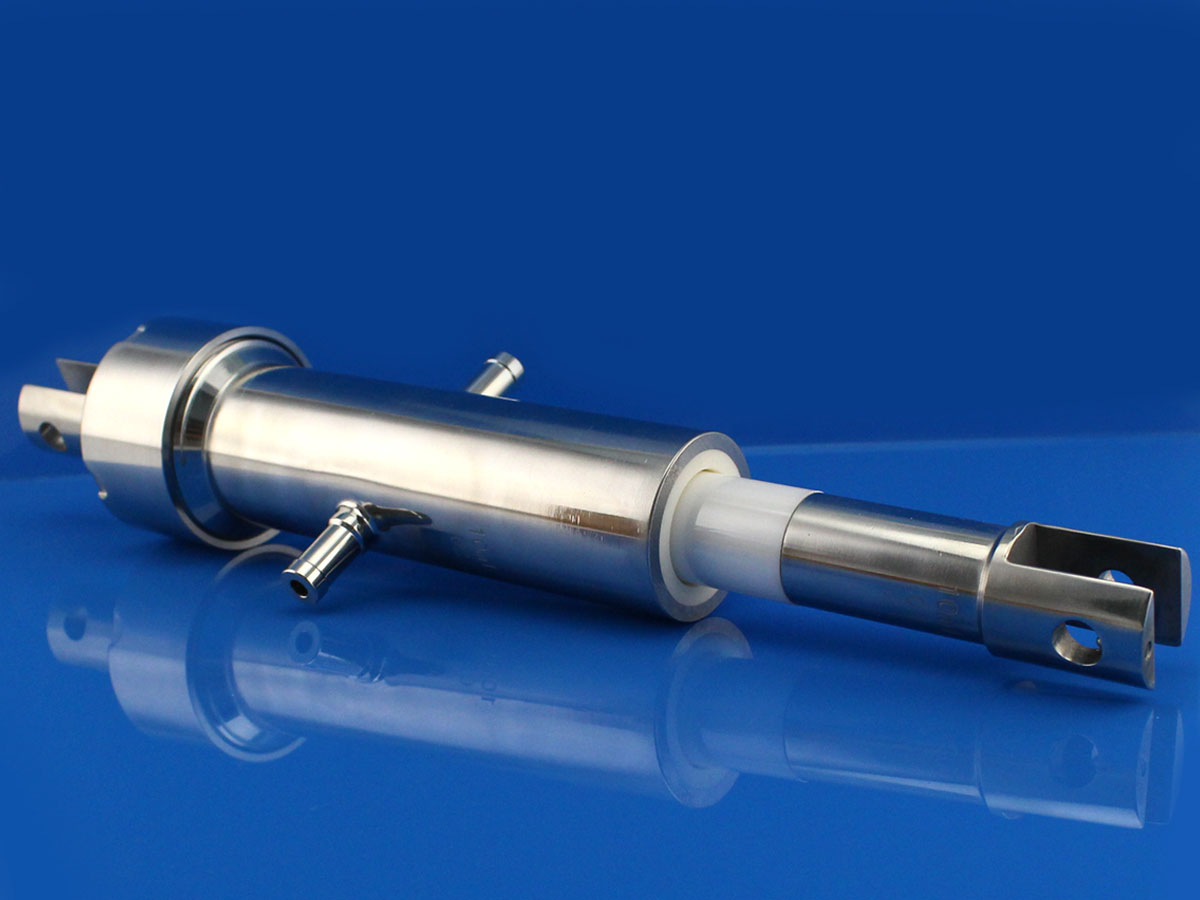
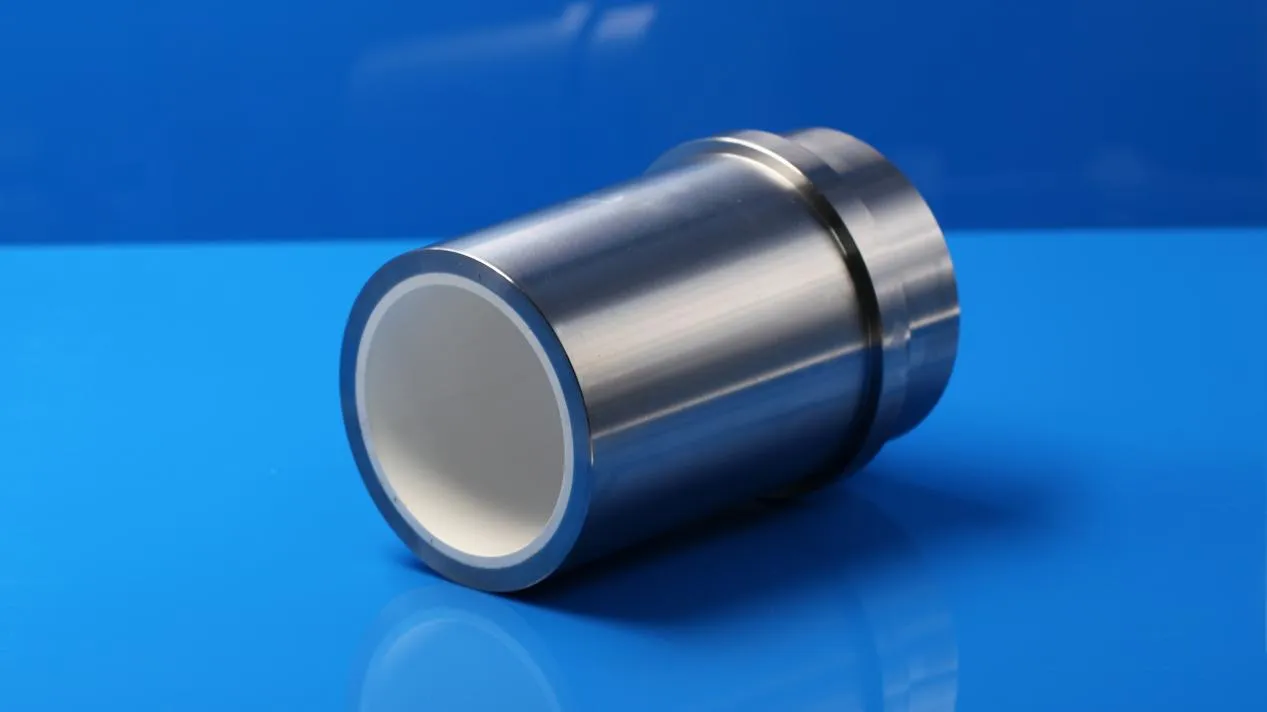
In terms of structural design, a common approach is to adopt the composite scheme of “metal outer layer + ceramic inner lining”:
Outer layer: Usually made of 304 stainless steel or high-strength steel, providing structural strength and impact resistance.
Inner layer: ZTA ceramic, performing the core functions of wear resistance and corrosion resistance.
This structural scheme has been widely adopted in the industry and has formed a relatively mature engineering practice system. Moreover, through precise processing and high-precision assembly, the ceramic inner holes can achieve excellent roundness and surface finish, which helps to reduce fluid resistance and improve operational efficiency.
03 Performance Advantages and Application Value
In actual operating conditions, the ZTA ceramic cylinder liner exhibits relatively stable and balanced performance:
• The wear resistance has been significantly improved: the wear rate is markedly reduced under high sand-containing mud conditions.
• The impact resistance has been enhanced: the risk of cracking caused by particle impact or vibration has been lowered.
• The sealing stability is better: it maintains a stable sealing effect under complex working conditions.
• The operation is more stable: the high inner hole precision helps to reduce friction and energy consumption.
From an operational perspective, its comprehensive value mainly lies in:
• Reduce downtime: Extend replacement cycle and enhance operational continuity
• Lower maintenance costs: Reduce spare parts consumption and frequency of manual replacements
• Protect main equipment: Minimize wear on pump bodies and related components
Although the initial investment is higher than that of traditional metal cylinder liners, from a long-term perspective, it offers better economic performance during long-term high-intensity operations. Currently, this type of solution has been verified in engineering applications such as land oil and gas drilling, shale gas fracturing, and offshore platform drilling, and has accumulated mature application experience.
04 Future Trends and Product Solution Recommendations
As the oil and gas industry increasingly demands higher reliability and operational efficiency of equipment, the material upgrade of key components of mud pumps will continue to advance. During this process, ZTA composite ceramic cylinder liners have become one of the relatively mature and widely applied solutions at present.
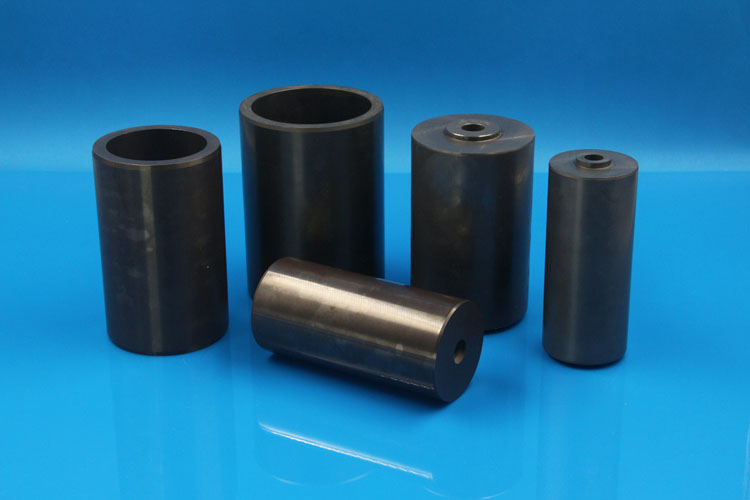
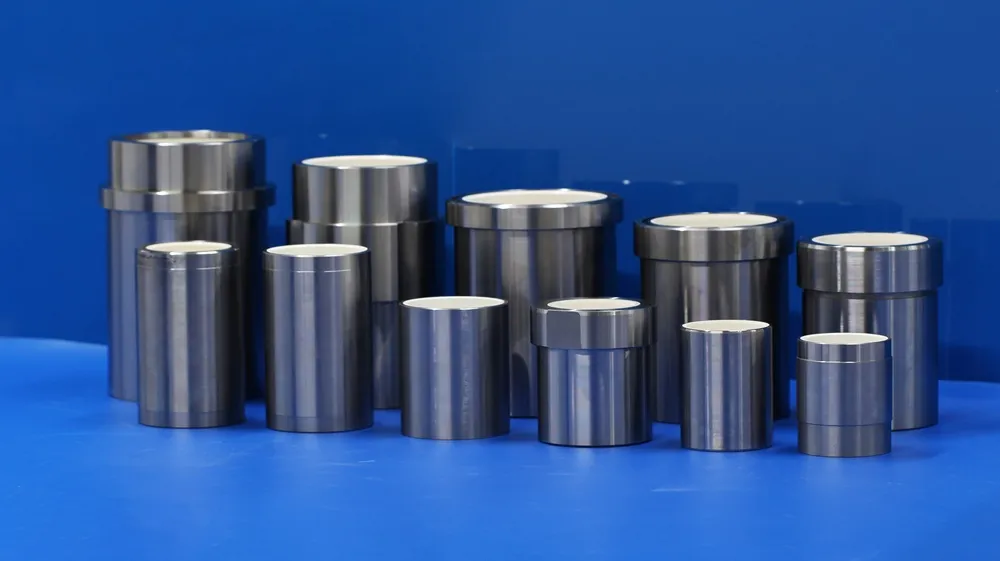
Based on the actual working conditions, the ceramic cylinder liner products provided by Innovacera adopt a composite structure design of zirconia toughened alumina (ZTA) ceramic and metal. This design not only ensures the overall strength but also significantly improves the wear resistance and impact resistance, making them suitable for high-pressure, high-sand content and long-term operation environments.
Our ceramic cylinder liner products mainly have the following features:
• Using ZTA composite ceramic liner, it combines wear resistance and impact resistance.
• 304 stainless steel or high-strength metal outer jacket, with a stable and reliable structure.
• Micron-level precision processing ensures excellent sealing performance and operational efficiency.
• Suitable for harsh conditions such as oil and gas drilling, shale gas fracturing, and offshore platforms.
Through the collaborative optimization of materials and structures, this product can effectively extend its service life, reduce the frequency of downtime and maintenance, and lower the total operating cost throughout the equipment’s life cycle.
If you need more information about the selection plans for ceramic cylinder liners or customized requirements, please feel free to contact us at sales@innovacera.com for technical support.