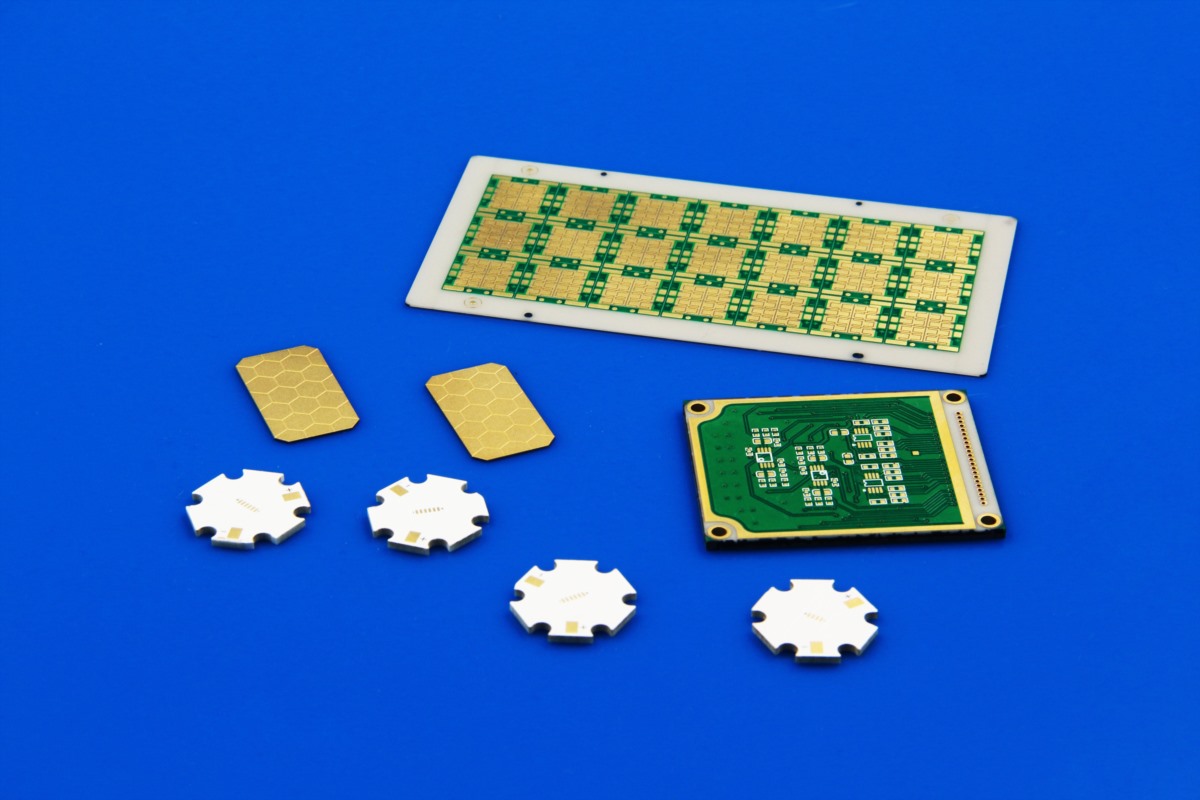
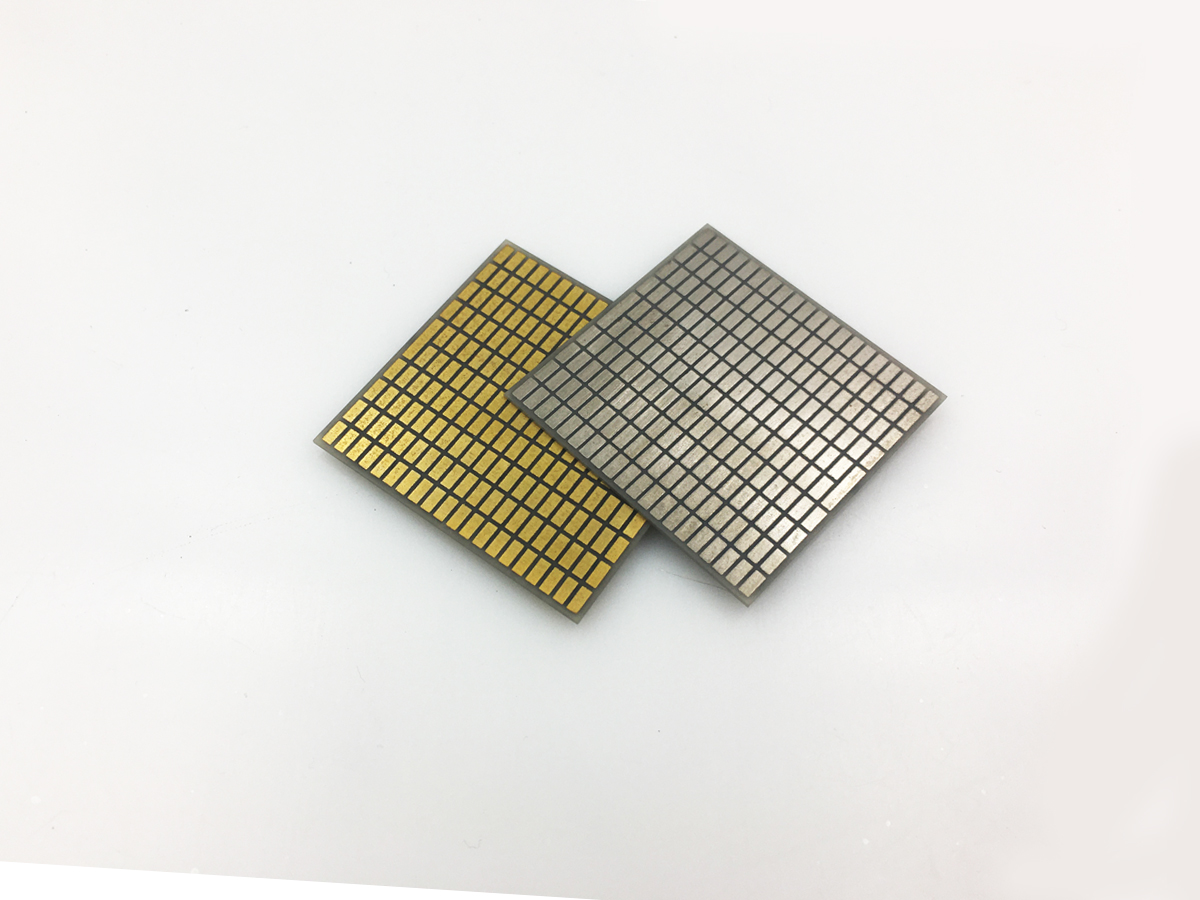
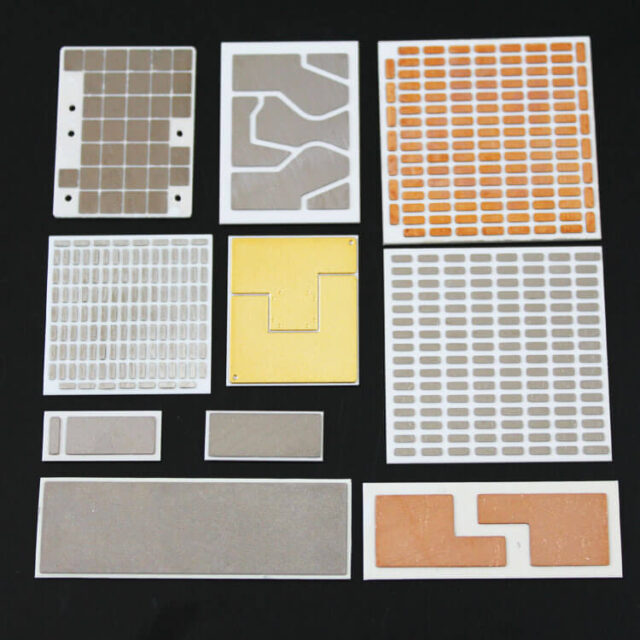
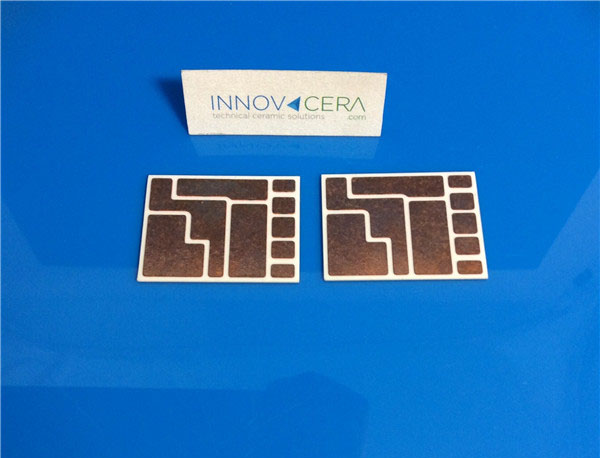
With the rapid popularization of new energy vehicles, third-generation semiconductors, 5G communication and various high-frequency electronic devices, the industry’s requirements for the heat dissipation capacity, electrical stability and high-density wiring of electronic packaging have become increasingly higher. Metalized ceramic substrates possess advantages such as high thermal conductivity, good insulation, and excellent thermal stability. They have been widely applied in power modules, LED packaging, RF devices and various high-end electronic systems.
Among the various ceramic substrate manufacturing technologies available today, DPC (Direct Plated Copper) and DBC (Direct Bonded Copper) are two widely adopted processes. These two methods differ significantly in production principles, performance characteristics, and application scenarios. The actual selection should be determined based on one’s own application requirements.
I. Analysis of Core Technology Features
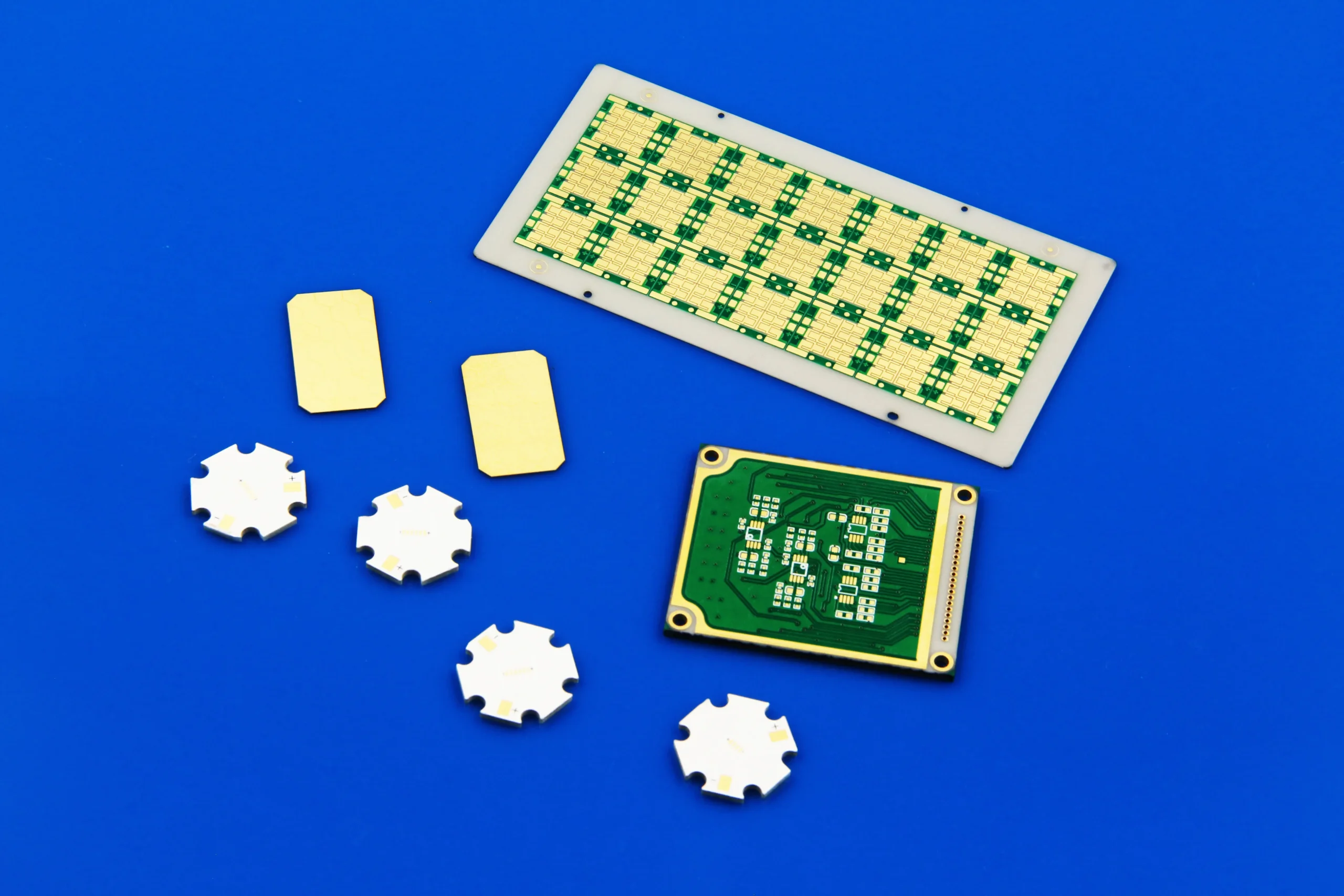
1. DPC Ceramic Substrate
DPC employs a combination of low-temperature sputtering, electroplating, and photolithography etching processes. Its core advantage lies in its precise circuit processing capability. Compared with the high-temperature copper-clad process, DPC uses a relatively lower temperature process, which is more conducive to achieving fine circuit processing and high-density interconnection. It can better realize ultra-fine circuits and high-density wiring, with a relatively thin copper layer and excellent surface flatness, effectively reducing high-frequency signal transmission loss.
With the characteristics of “high-precision wiring + low dielectric loss”, DPC substrates are more suitable for high-frequency and miniaturized scenarios and are widely used in products such as LED packaging, lidar, optical communication devices, MEMS sensors, and 5G RF modules that have high requirements for circuit precision and integration.
2. DBC Ceramic Substrate
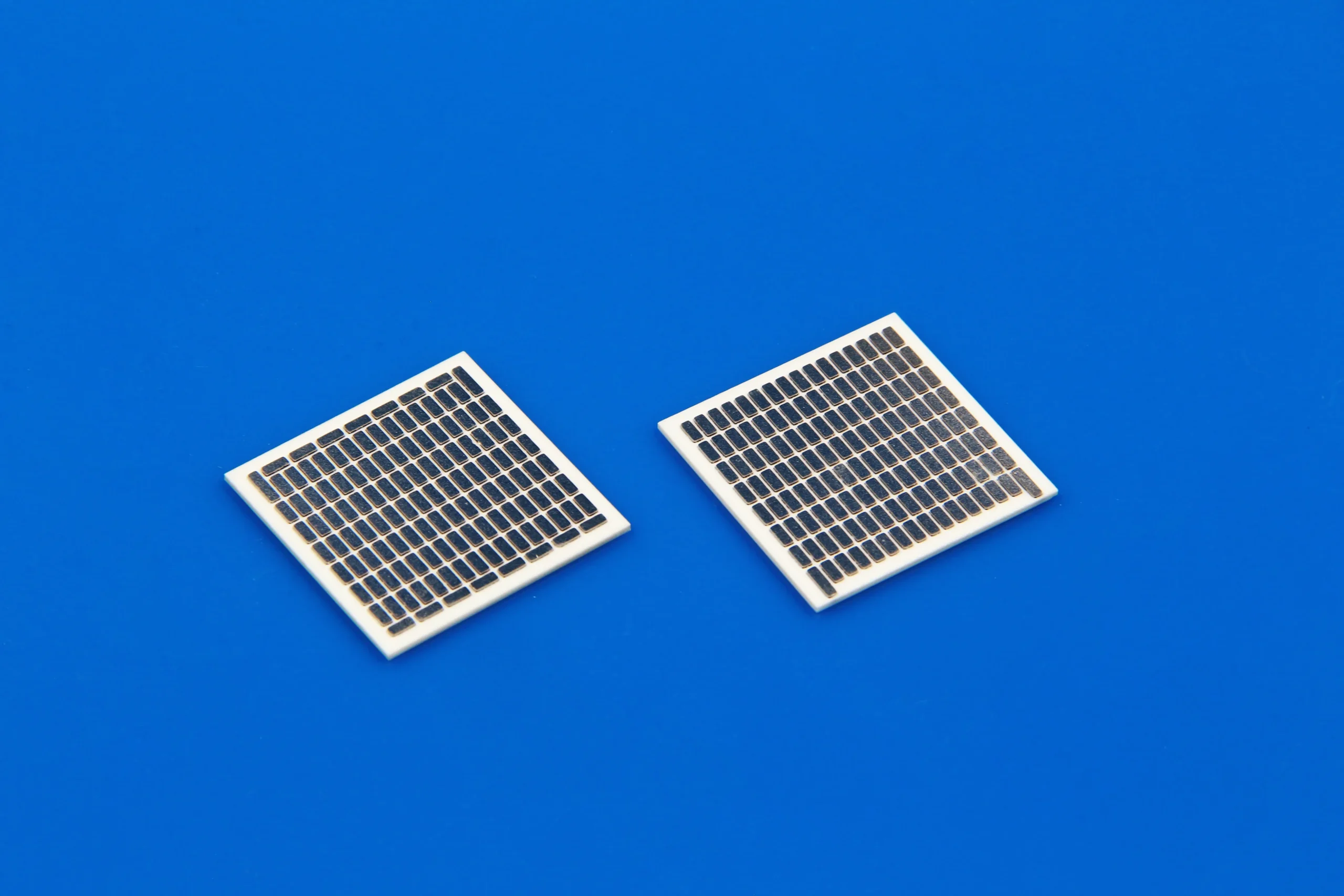
DBC is based on the high-temperature oxygen eutectic bonding process. Through the metallurgical bonding of copper foil and ceramic substrate, a stable interface is formed. The bonding strength is high, the copper layer thickness is thicker, and it has excellent current-carrying capacity and heat dissipation efficiency, capable of quickly conducting high-density heat flow. It also has outstanding thermal cycling reliability.
In response to the stringent requirements of high-power scenarios, DBC substrates are widely used in core components such as IGBT modules for new energy vehicles, SiC power devices, industrial inverters, and electric drive systems, which have extremely high requirements for heat dissipation performance and long-term stability.
II. Comparison of Core Differences
| Comparison Items | DPC Substrate | DBC Substrate |
|---|---|---|
| Process Method | Electroplated Copper (Thin Film Deposition + Electroplating) | High-Temperature Copper Bonding (High-Temperature Oxygen Co-firing Process) |
| Copper Layer Thickness | Thinner | Thicker |
| Line Precision | High (Supports Ultra-Fine Lines) | Medium |
| Current-Carrying Capacity | Medium | Strong |
| Heat Dissipation Performance | Good | Excellent |
| High-Frequency Performance | Excellent | Good |
| Thermal Cycling Reliability | Good | Higher |
| Typical Applications | LED, RF Modules, LiDAR, MEMS | IGBT/SiC Modules, New Energy Vehicles, Inverters |
III. The Key Role of Ceramic Substrates
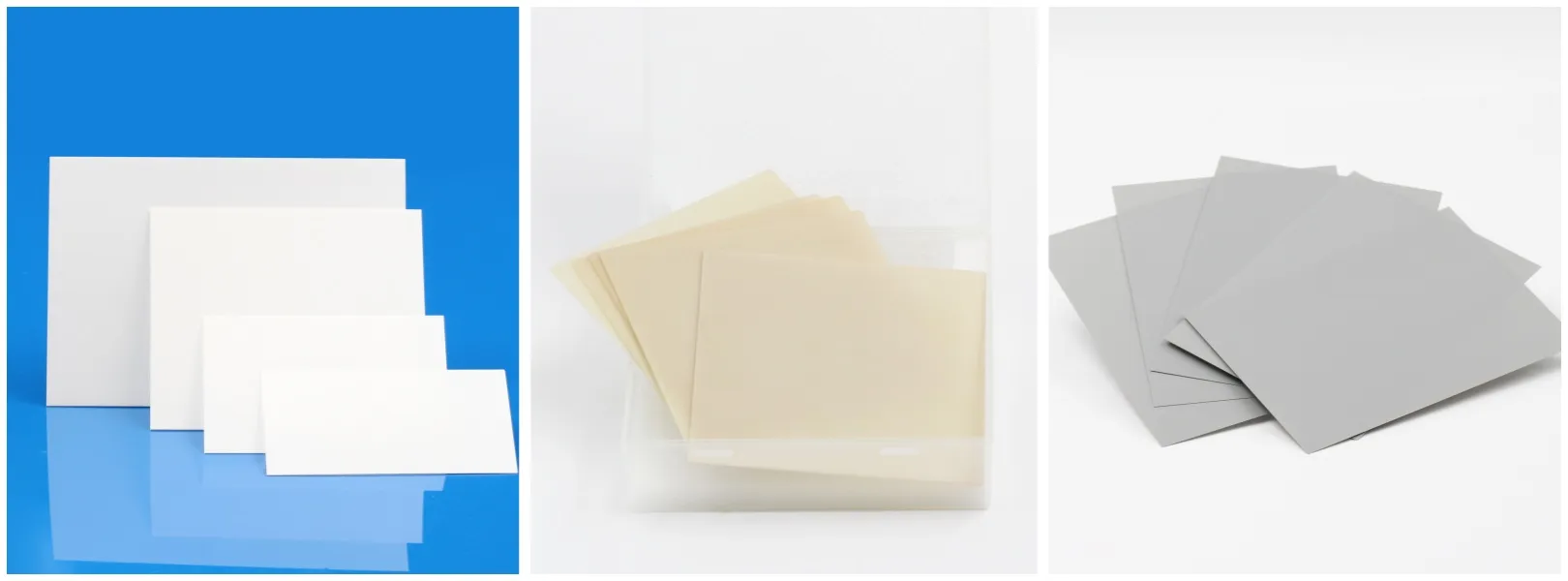
Not only the metallization process but also the quality of the ceramic substrate itself directly determine the heat dissipation, structural strength, and durability of the ceramic substrate. Currently, the most commonly used substrates in the industry mainly consist of three types: aluminum oxide, aluminum nitride, and silicon nitride.
Among them, alumina is widely used in the medium and low power electronic fields due to its moderate cost and stable insulation performance; aluminum nitride, with its superior heat conductivity, is more suitable for high-power cooling scenarios; and silicon nitride, with its higher mechanical strength and resistance to thermal shock, has seen a significant increase in application in harsh environments such as power modules in new energy vehicles.
With the development of the third-generation semiconductor technology, the market demand for AlN and Si3N4 ceramic substrates has been continuously increasing, and they have gradually become an important material direction for high-end power packaging.
IV. How to Choose DPC or DBC Substrates?
In practical applications, the selection between DPC and DBC usually requires comprehensive consideration of factors such as power rating, operating current, heat dissipation requirements, circuit accuracy, and long-term reliability.
For applications with high-frequency, high-integration and fine-line design requirements, such as 5G radio frequency modules, optical communication devices or MEMS products, DPC substrates usually have more advantages. While in high-power scenarios like new energy vehicles, electric drive systems and industrial power modules, DBC substrates are more suitable as the core packaging material due to their stronger ability to handle large currents and better thermal cycling stability.
In addition, cost budgeting, working environment, and product lifespan requirements will all have an impact on the final selection.
Conclusion
In the trend of electronic packaging evolving towards “high power, high frequency, and high integration”, DPC and DBC ceramic substrates have formed a clear division of tasks. DPC is more suitable for high-frequency and miniaturized electronic devices, while DBC is better suited for applications with high power and high heat dissipation requirements.
Choosing the appropriate ceramic substrate process is the key to optimizing product performance and enhancing reliability. Innovacera can provide a full range of ceramic substrate solutions including DPC, DBC, and AMB, supporting customization of various substrates such as alumina, aluminum nitride, and silicon nitride, covering core areas such as power electronics, semiconductor packaging, new energy vehicles, and high-frequency communication, and providing customers with full-process support from selection to mass production.