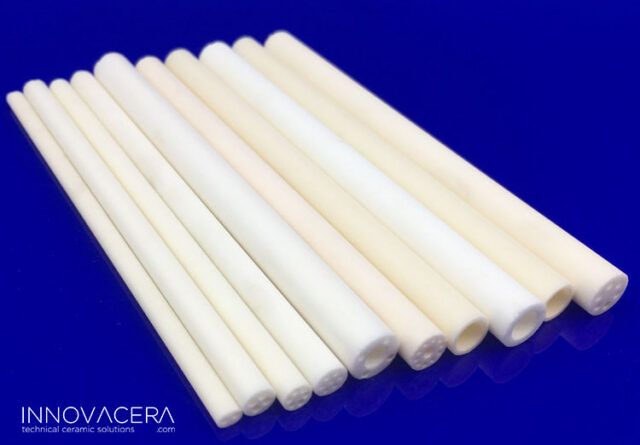
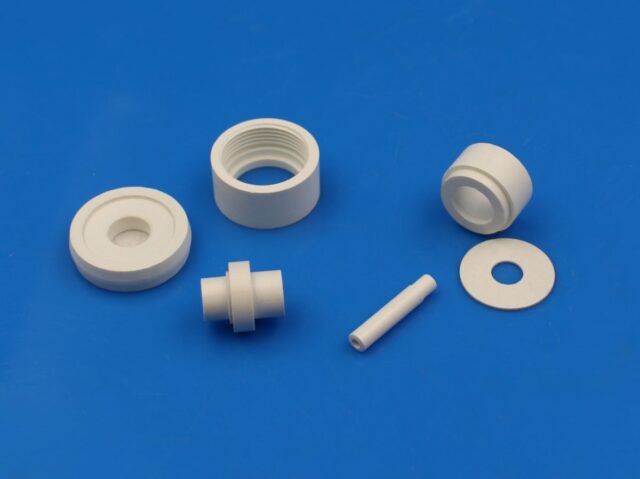
The technological iteration of semiconductor equipment is accelerating, moving towards higher precision and higher power. The operating environment is also becoming increasingly demanding. Long-term exposure to complex conditions such as high temperature, vacuum, and high frequency makes ordinary metals prone to thermal deformation, and traditional insulating materials gradually lose their effectiveness, making it difficult to meet the requirements for long-term stable use.
High-temperature insulating ceramics, with their outstanding heat resistance, insulation, and chemical stability properties, can easily adapt to various extreme conditions and have already become the preferred key material for core manufacturing of semiconductor equipment.
1. Why Do Semiconductor Manufacturing Processes Require High-Purity Ceramic Materials
As semiconductor manufacturing equipment continues to evolve towards higher power and greater precision, the operating environment within the equipment has become even more demanding.
During actual operation, semiconductor equipment usually needs to remain following for an extended period of time:
• High-temperature environment
• Vacuum environment
• Plasma environment
• Strong corrosive atmosphere
• Ultra-clean environment
Under these conditions, common metal materials are prone to problems such as oxidation, particle contamination, thermal deformation or unstable electrical performance. However, high-purity ceramic materials can effectively reduce the risk of contamination and ensure the long-term stable operation of the equipment. Especially in advanced manufacturing processes, even the presence of tiny particle contamination can affect the yield of wafers. Therefore, the purity and stability of the materials have become extremely important.
2. Common High-Temperature Insulating Ceramic Materials and Their Characteristics
In the semiconductor equipment field, different ceramic materials are usually selected based on specific working conditions.
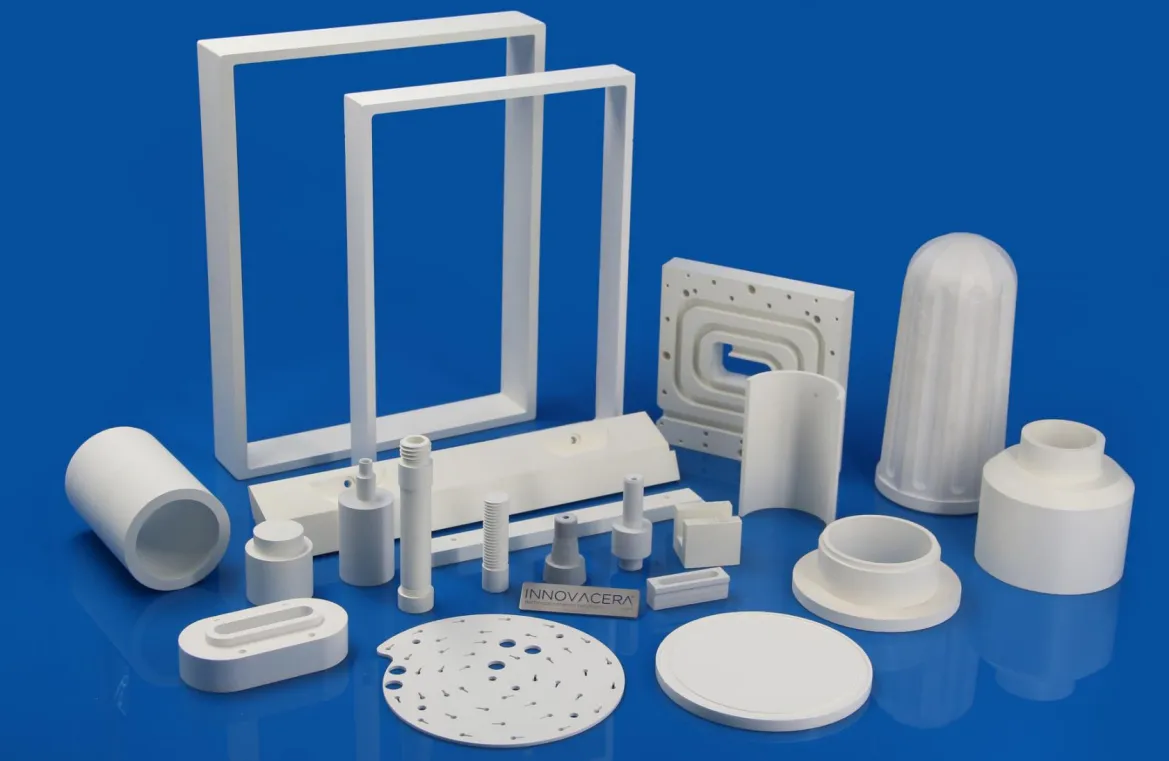
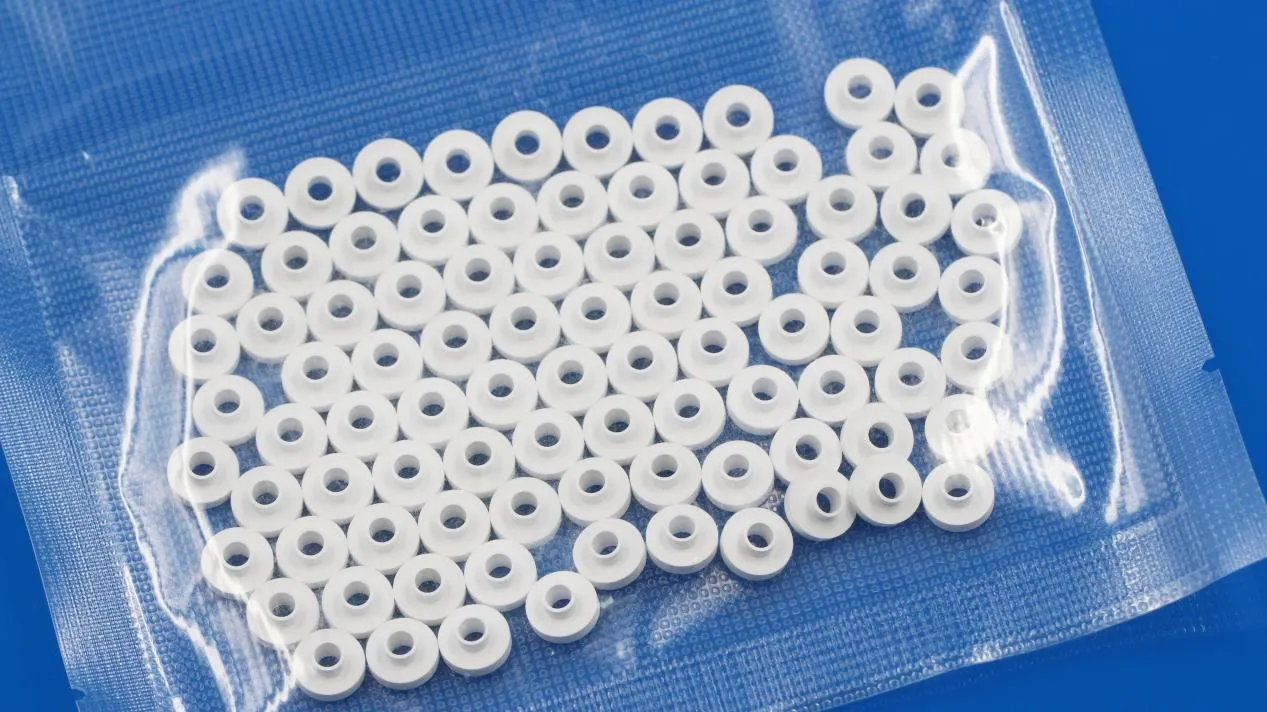
High-purity alumina ceramics are widely used in insulating structural components, ceramic cavities, and high-temperature supporting parts due to their stable comprehensive performance. They have high mechanical strength, and the wear resistance and electrical insulation properties are relatively balanced. They are currently one of the most widely used industrial ceramics.
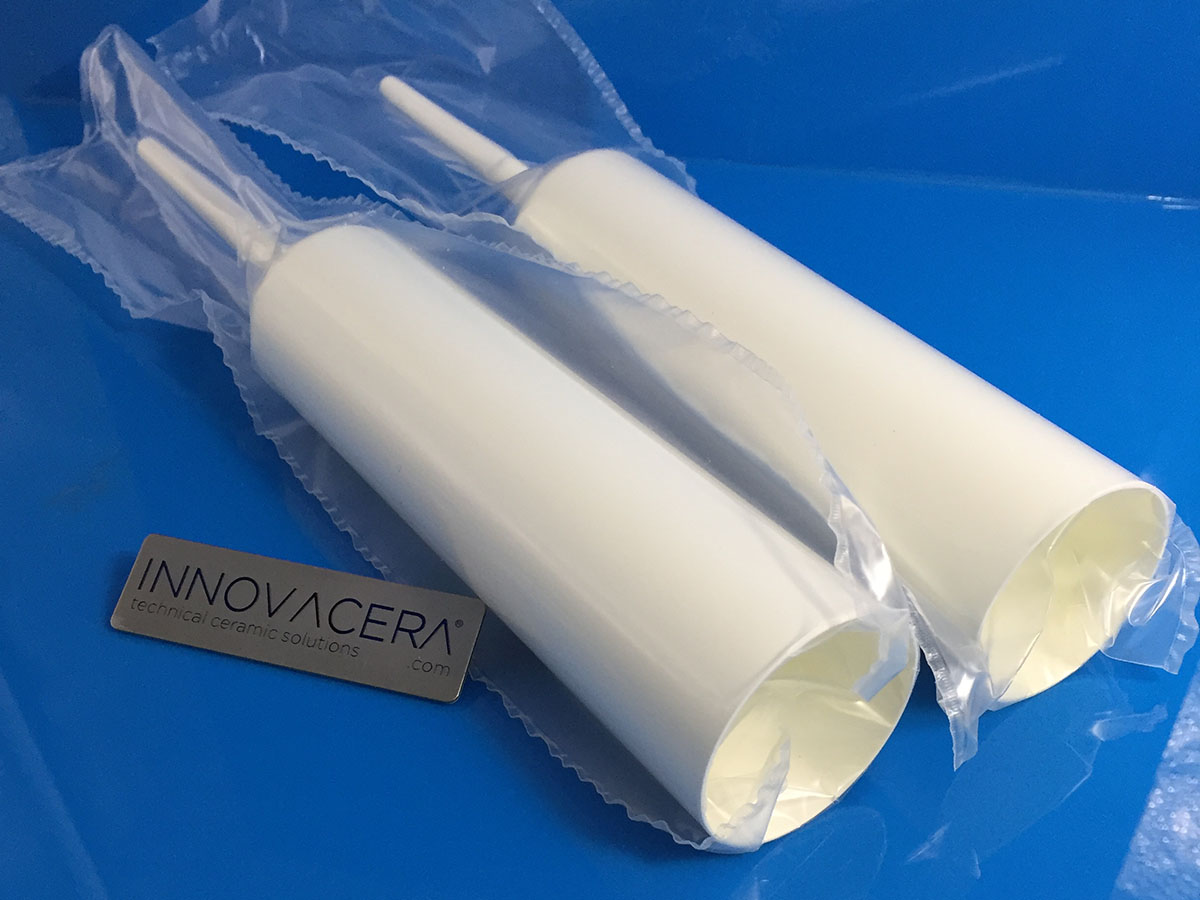
Boron nitride ceramics (BN) are more suitable for high-temperature thermal processes and vacuum environments. BN materials possess excellent thermal shock resistance, and even after rapid heating and cooling, they are unlikely to crack. Additionally, their excellent high-temperature insulation properties make them highly valuable in semiconductor heat treatment and vacuum equipment applications.
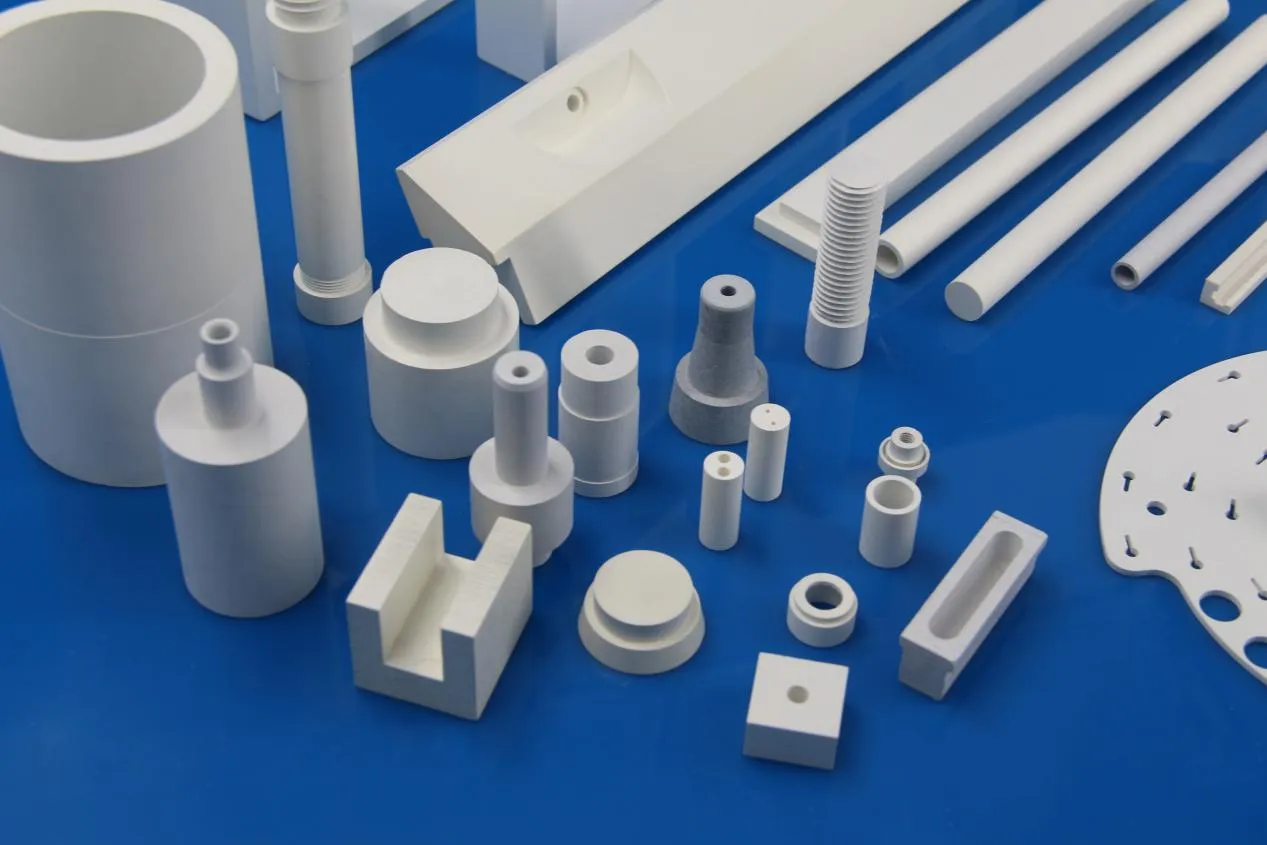
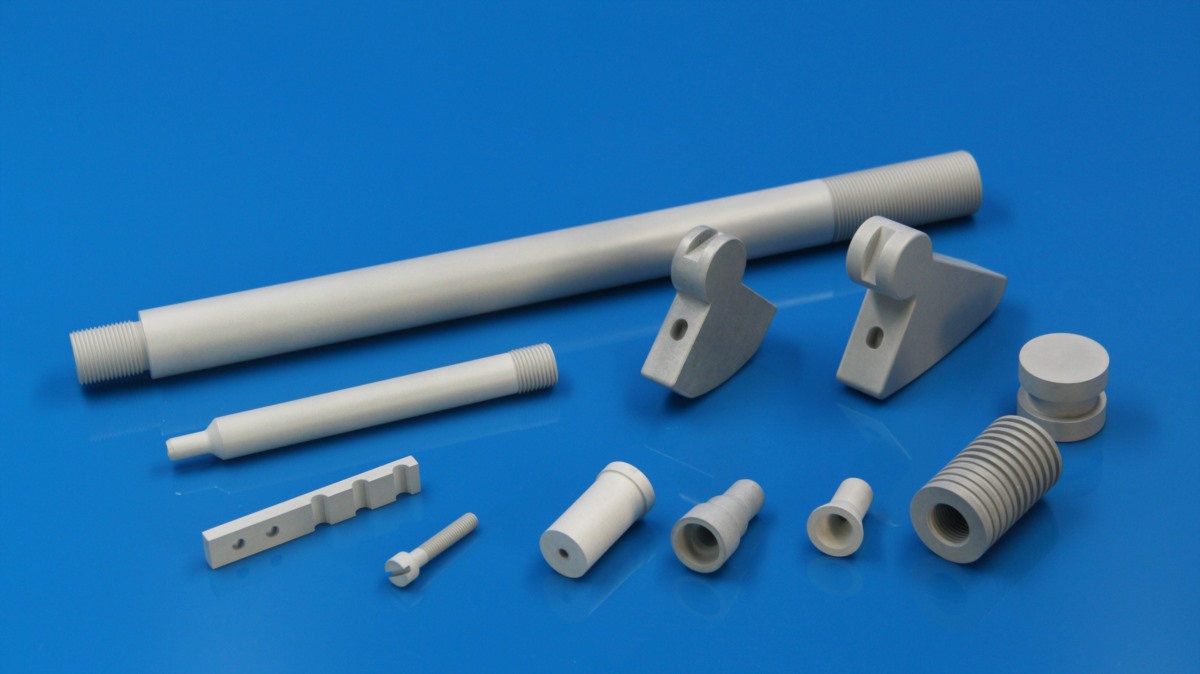
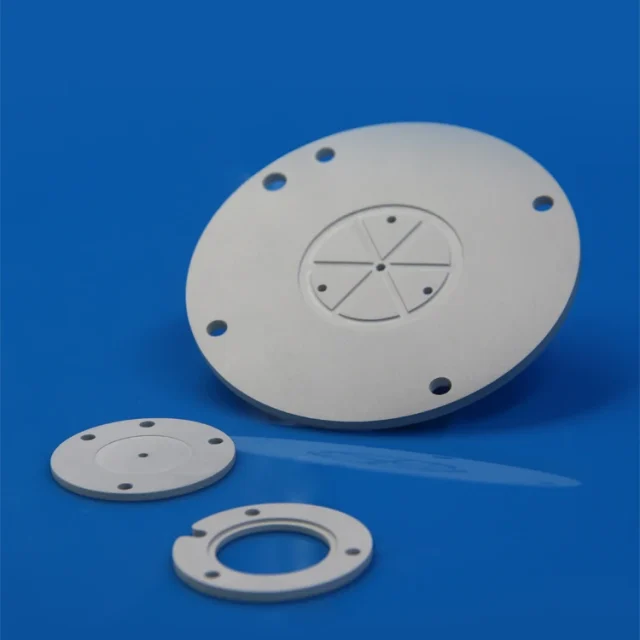
Silicon nitride ceramics possess both high mechanical strength and thermal stability, making them suitable for some high-load and high-speed moving structural components. While aluminum nitride ceramics not only maintain excellent insulation properties but also have a relatively high thermal conductivity, thus gaining increasing attention in devices that require both heat dissipation and insulation.
3. High-temperature insulating ceramics are expanding their application scope
As semiconductor equipment continues to be upgraded, the application scope of high-temperature insulating ceramics is also expanding.
At present, it has been widely applied to:
• Ceramic heater
• Vacuum feedthrough insulating component
• Plasma etching chamber component
• High-temperature support structure
• Electrostatic chuck (ESC)
• Wafer transfer system
• High-temperature furnace tube and insulation ring
Compared with traditional materials, advanced ceramics not only enhance the stability of equipment operation, but also help reduce the frequency of maintenance and the long-term operating costs.
Especially in the context of the rapid development of advanced packaging, third-generation semiconductors, and high-power chip manufacturing, the importance of high-temperature insulating ceramics is further increasing.
Conclusion
As semiconductor equipment continues to evolve towards higher temperatures and greater precision, high-temperature insulating ceramics are becoming an indispensable key material in many critical components. Compared to traditional materials, they not only can maintain stable operation in complex thermal environments, but also enhance the reliability and service life of the equipment.
Innovacera offers a variety of advanced ceramic products suitable for high-temperature and vacuum environments, including customized precision ceramic components such as alumina, aluminum nitride, boron nitride, silicon nitride, magnesium zirconium, etc., which can be widely applied in the fields of semiconductors, heat treatment, and high-temperature industrial equipment. If you have question about the high temperature ceramics, welcome to send email to sales@innovacera.com.