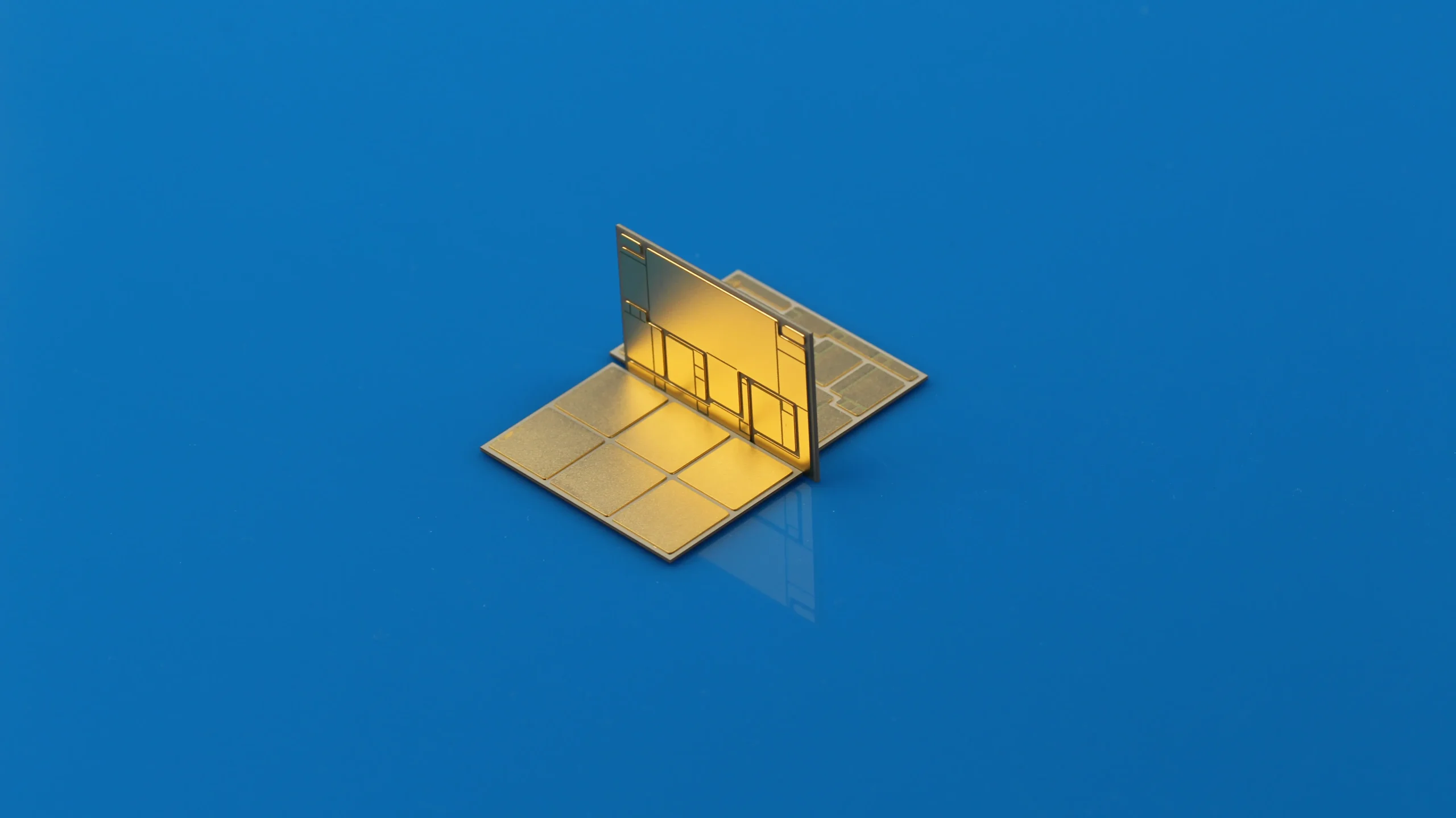
In industrial applications, ceramic substrates can be used not only in electronic packaging structures but also as insulating and mechanical support components. Therefore, the thickness of ceramic substrates is not a parameter that can be defined arbitrarily. Whether it is ceramic materials such as alumina (Al2O3) and aluminum nitride (AlN), or metallization structure systems such as DBC, DPC, and AMB, the thickness of the substrate will directly affect the structural reliability, thermal management capability, and subsequent processing stability.
The common thicknesses of ceramic substrates on the market are usually standard engineering intervals gradually formed after a comprehensive balance of manufacturability, reliability, and processing stability in long-term engineering applications.
I. Why Can’t the Thickness of Ceramic Substrates Be Customized Arbitrarily?
Ceramic materials themselves have the characteristics of high hardness but brittleness, and are highly sensitive to thickness during processing and application.
Thickness design is usually influenced by the following factors:
• Mechanical strength and bending resistance
• Thermal conductivity and heat dissipation path design
• Electrical insulation distance requirements
• Stress matching of metallization or packaging structure
• Processing technology limitations and yield control
• Terminal assembly structure size matching
In practical applications, unreasonable thickness design may also bring about the following problems:
• Too thin: increased risk of cracking and warping, and decreased processing yield
• Too thick: increased thermal resistance, reduced heat dissipation efficiency, and higher processing costs
• Non-standard thickness: may increase the instability of cutting, metallization and subsequent packaging
In addition, in DBC (Direct Bonded Copper) and DPC (Direct Plated Copper) processes, ceramic substrates also need to withstand the thermal stress of copper layers, so the thickness selection must take into account both structural stability and thermal matching.
Therefore, in industrial production, the thickness of ceramic substrates is usually concentrated within a few stable engineering specifications.
II. The Impact of Different Application Systems on Substrate Thickness
1. Ceramic Substrates for Electronic Packaging and Power Modules
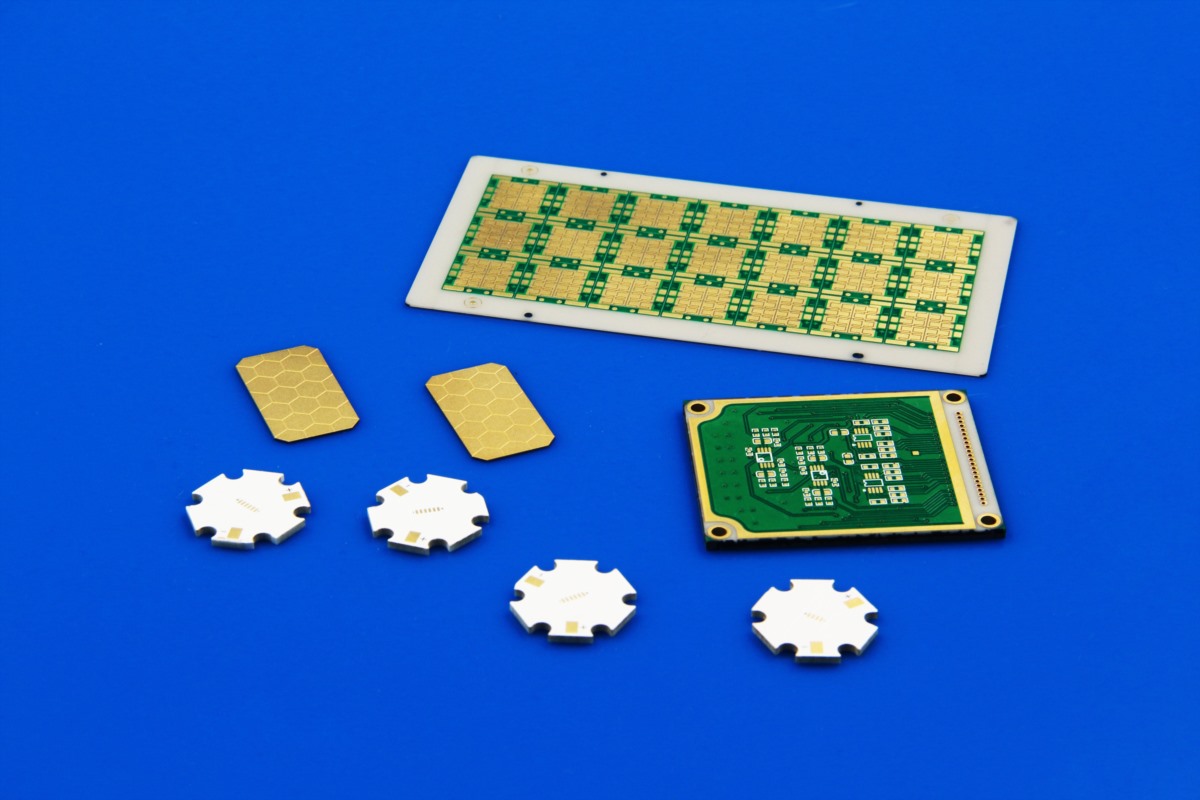
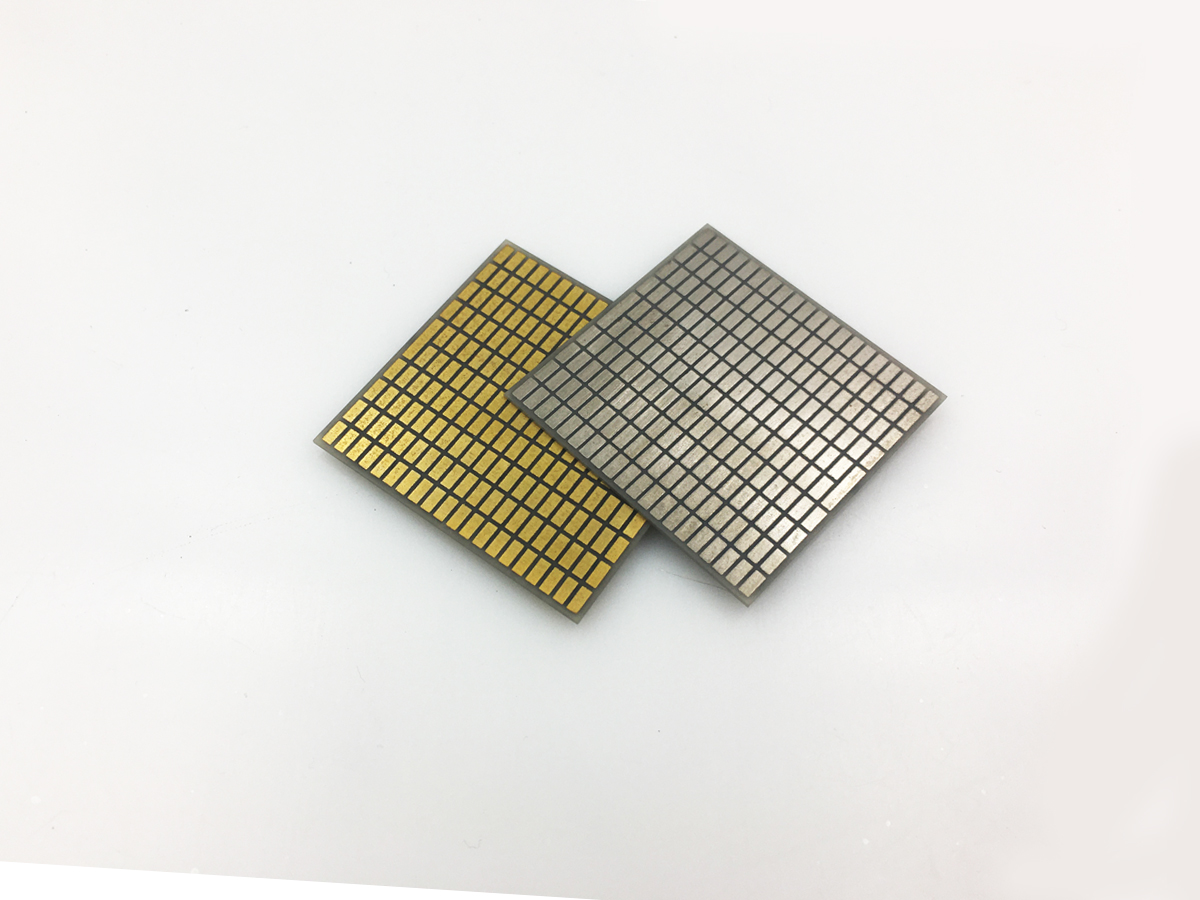
This type of application mainly includes metallized ceramic structures, such as DBC, DPC, and AMB systems, which are used in power electronics, semiconductor modules, and other fields.
Ceramic substrates of this type of structure usually need to simultaneously perform functions such as electrical insulation, metal layer support, thermal cycling stress control, and structural support.
In engineering applications, thickness typically needs to strike a balance between strength and thermal performance, thus a stable standard specification is more preferred.
2. Ceramic Substrates for Industrial Structures and Insulation
Apart from electronic packaging, ceramic materials are also widely used in non-metallized applications, such as:
• Insulation structural components for semiconductor equipment
• High-temperature support and positioning parts
• Parts for vacuum and plasma environments
• High-voltage insulation isolation components
• Precision mechanical support structures
In these applications, ceramics are usually not used as conductive substrates but directly as structural materials to bear mechanical or environmental functions.
Thickness is mainly used to meet requirements for rigidity, stability, and insulation distance.
III. Thickness Distribution of Ceramic Substrates in Industrial Applications
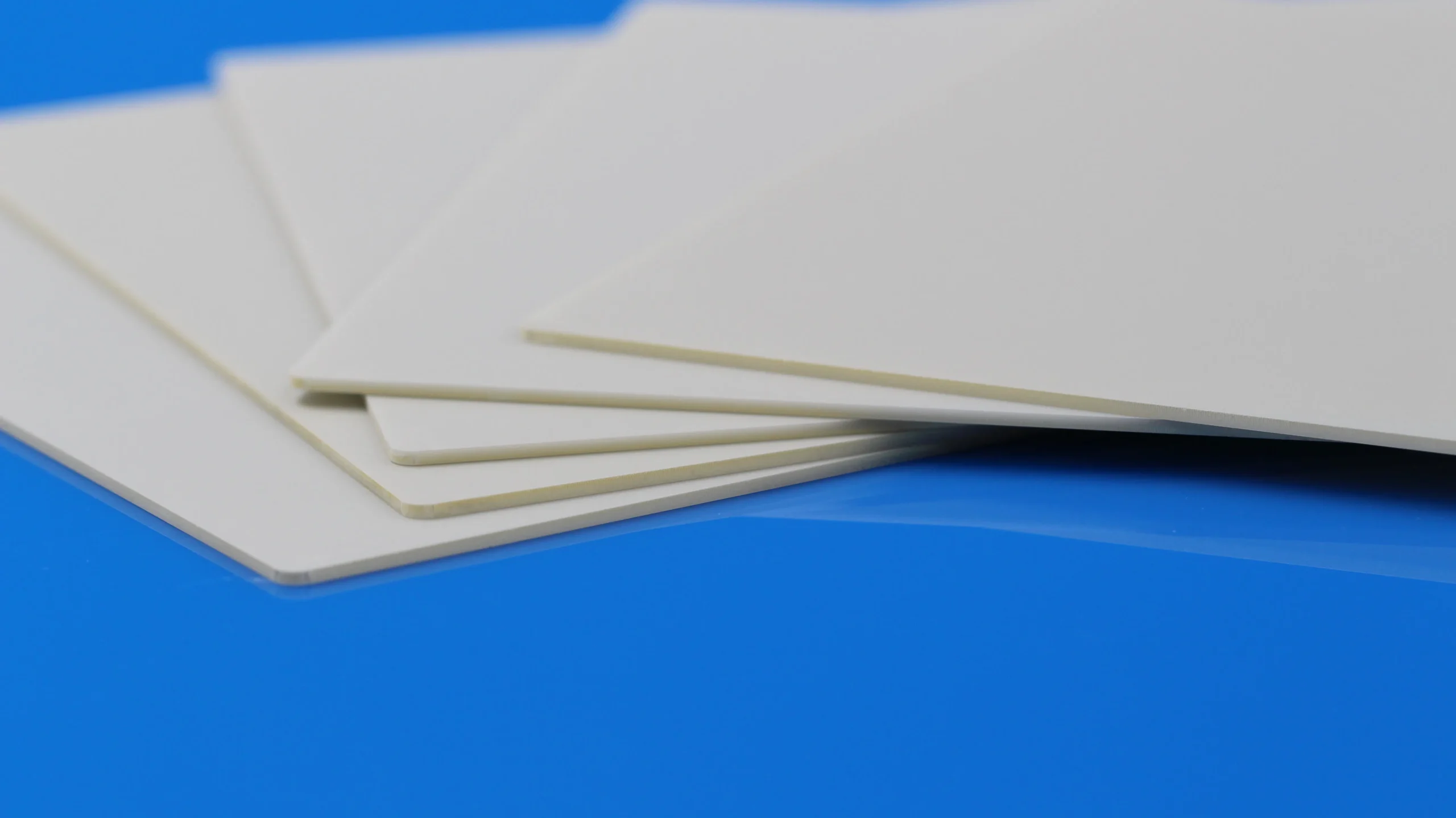
From an engineering perspective, ceramic materials do have a wide range of thicknesses in different application scenarios. However, in actual batch applications and industrial supply, the thickness usually converges towards a stable engineering range.
Overall, it can be divided into the following typical levels:
1. Thin Precision Structure Range (0.25–0.5 mm)
This range is mainly used for lightweight and high-integration structures, such as high-frequency electronics, miniaturized packaging, and some special precision components.
Due to its thin thickness, the requirements for material consistency, processing accuracy, and transportation protection are usually higher.
2. Main Industrial Engineering Range (0.5–0.635 mm)
This is one of the most widely used engineering thickness ranges at present, and is commonly seen in power electronic packaging, industrial electronics, and sensor structures.
Among them, 0.5 mm and 0.635 mm belong to mature standard specifications, achieving a good balance between structural stability and processing efficiency.
3. High-Strength and High-Reliability Structural Range (about 1.0 mm)
Thickness range: approximately 1.0 mm
This thickness range is usually used for applications with high requirements for structural stability, such as power modules and high-reliability industrial equipment.
Compared to thin structures, it has higher mechanical strength and thermal stability, and is more likely to maintain structural stability in long-term operation environments.
4. Reinforced and Special Engineering Structural Range (1.2–1.5 mm)
This range is mostly used for special environment equipment, heavy-duty structures, and some customized industrial applications.
The larger thickness can provide higher rigidity and impact resistance, but it will also have certain impacts on processing costs and heat dissipation paths.
Innovacera can offer a variety of ceramic substrate materials and specifications.
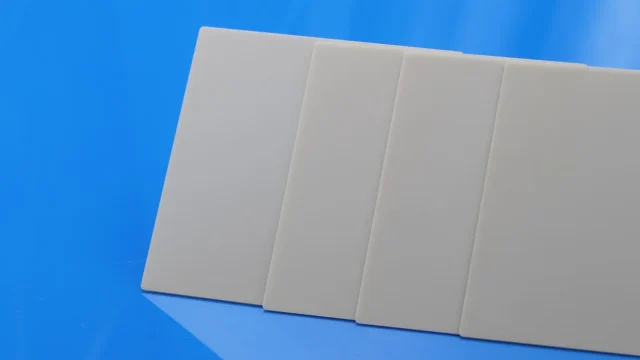
To meet the requirements of different applications for insulation performance, thermal conductivity and structural strength, Innovacera can provide a variety of ceramic substrate products with different material types, sizes, thicknesses and surface roughness specifications, which are suitable for electronic packaging, industrial insulation and high-temperature structures, etc.
The following are some examples of available ceramic substrate materials and their specifications for reference:
| Material | Unit | Al2O3 | ZTA | AlN | Si3N4 |
|---|---|---|---|---|---|
| Effective Dimensions(A, B) | mm | 50.8-190 | 50.8-190 | 50.8-190 | 138*190 |
| Thickness (T) | mm | 0.25-1.5 | 0.25-1.5 | 0.25-1.0 | 0.25 , 0.32 |
| Thickness Tolerance | mm | ±5% ( Min±0 .03mm ) | |||
| Warpage (C) | mm | ≤0 .3% | |||
| surface Roughness | μm | 0.2-0.6 | 0.2-0.5 | 0.2-0.75 | 0.2-0.75 |
| Size, thickness and surface roughness can be customized |
If you need to further evaluate the material selection, size processing or special structural requirements, please feel free to contact the Innovacera team to obtain more technical support and product information.