technical ceramic solutions

From EVs to Grid Storage? Why Manufacturers Are Switching to SiC Ceramic Heat Sinks

Here’s something a lot of people missed. For the past two years, most of the buzz around silicon carbide has been about electric vehicles. Fast chargers. Inverters. That kind of thing.


But lately, I’ve been hearing something different from thermal design teams.


They’re quietly moving SiC ceramic heat sinks out of EV prototypes. And putting them into energy storage. Battery cabinets. Grid containers. Even home power walls.


Why the shift? Because storage runs hot for much longer periods.
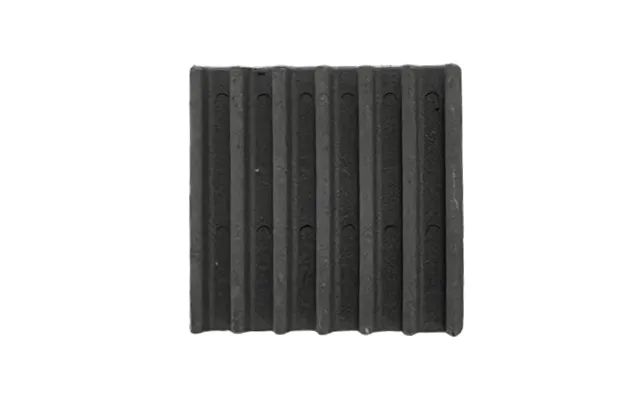
 

Silicon carbide ceramic energy storage heat sink


Think about it. An EV might push hard for 40 minutes during fast charging. Then it stops. The battery cools down. But a grid storage unit? It can sit there discharging at full load for five, six, even eight hours straight.


Heat doesn’t spike. It just builds. Slowly. Relentlessly. And once that heat gets trapped between cells, you lose cycle life fast.


That’s where silicon carbide ceramic changes the game.
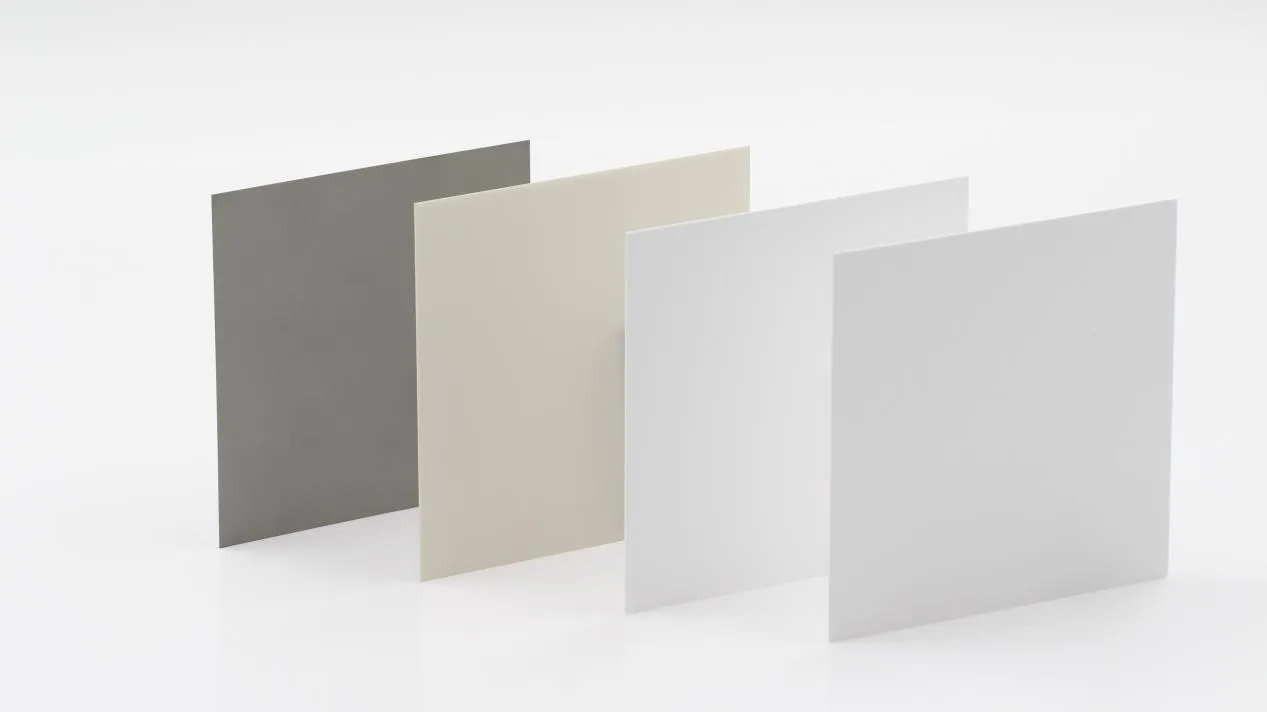
 

Ceramic Substrates


High thermal conductivity. SiC usually delivers over 120 W/m·K. That’s three to four times better than aluminum. Heat moves away from hot spots quickly.


Low thermal expansion. The material doesn’t expand and contract much with temperature changes. That means less mechanical stress on solder joints and insulation layers.


Great chemical resistance. Storage systems often sit outdoors or in humid sheds. SiC handles moisture, salt spray, and even minor electrolyte vapor without degrading.
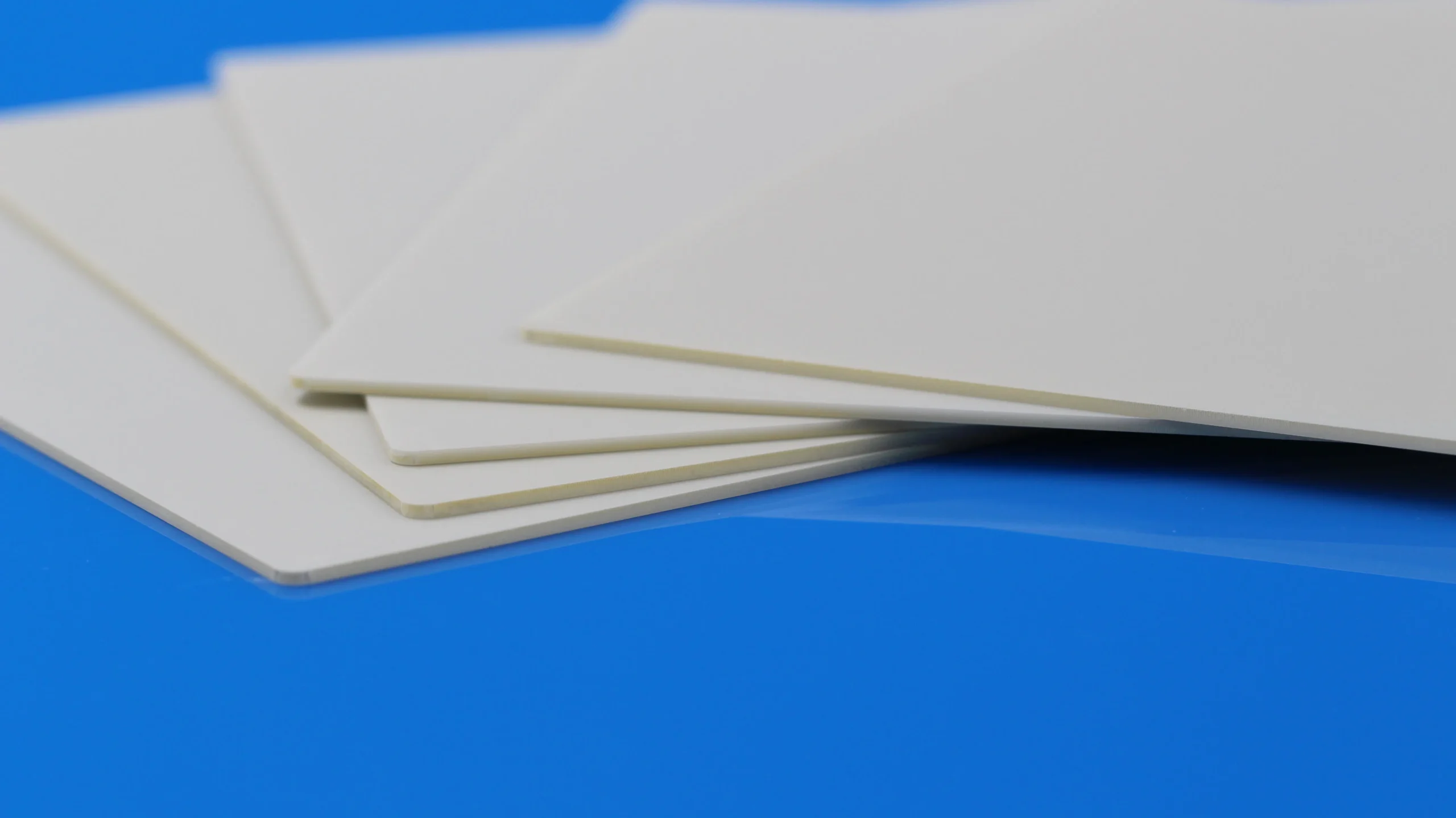
 

Silicon Nitride (Si₃N₄) Substrates


In our tests, a SiC ceramic heat spreader lowered peak cell temperature by nearly 18°C during a five-hour continuous discharge. That’s not a small number. That’s the difference between replacing your battery pack in four years versus eight years.


And here’s what manufacturers are finally realizing. An EV drives maybe two hours a day. A storage unit runs twelve hours or more, especially in solar-plus-peak-shaving setups. So the thermal stress profile is completely different. SiC’s high heat capacity and stable performance under sustained load match storage perfectly.


Based on my experience, the sweet spot starts at around 200 kWh system size. Below that, simpler materials can still work. But for continuous high load day after day? Go SiC.
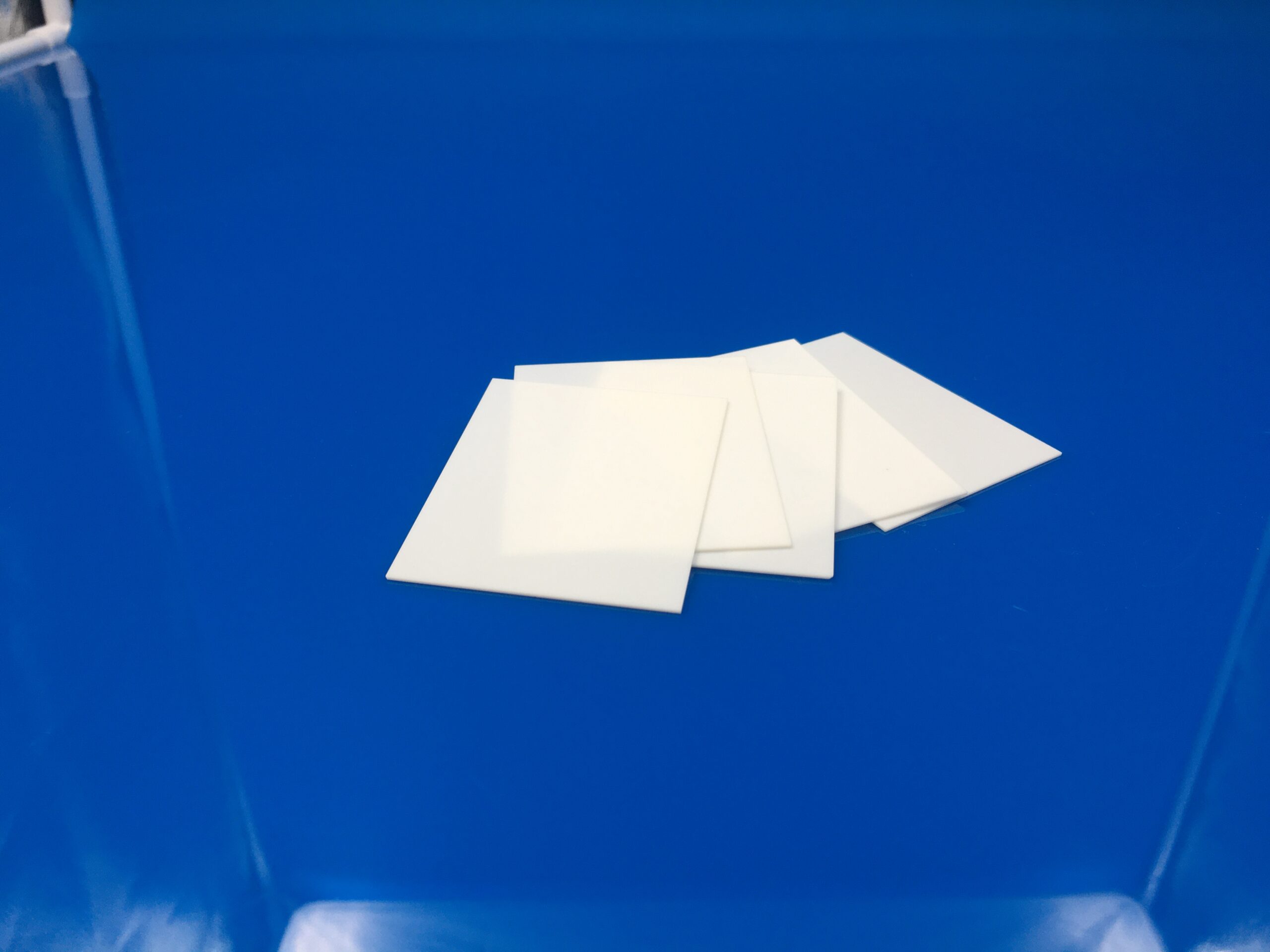
 

Alumina Substrates scaled


A quick note – we also make other ceramic substrates. Alumina for basic insulation and low cost. Aluminum nitride for very high voltage isolation. And silicon nitride for applications that need both thermal spread and mechanical toughness. Each has its place. But for long-duration storage reliability? SiC leads the pack.


So if you’re designing a battery system that runs for hours nonstop, don’t just copy the EV thermal playbook. Take a serious look at silicon carbide ceramic heat sinks. The industry is quietly moving that way. And the reason is simple. Storage needs a different kind of cooling. SiC delivers it.
Declaration: This is an original article of INNOVACERA®. Please indicate the source link when reprinting: https://www.innovacera.com/news/sic-ceramic-substrate-for-stationary-battery-cooling.html.

FAQ

Because storage runs hot for hours, not minutes. An EV battery only pushes hard during fast charging – maybe 40 minutes. Then it stops and cools. But a grid storage unit can discharge at full load for five, six, even eight hours straight. That sustained heat is exactly where silicon carbide excels. SiC has high thermal conductivity (over 120 W/m·K) and very low thermal expansion. It doesn’t crack or warp under long-term stress. Recent tests show that manufacturers like CATL and Tesla’s storage division are quietly moving SiC heat sinks out of EV prototypes and into battery cabinets. The reason? Continuous load testing proved that SiC cuts hot spot temperatures by nearly 18°C over a five-hour discharge. That directly extends battery life from four years to eight years.

Yes, for long-duration storage, SiC leads. Alumina (Al₂O₃) works fine for basic insulation and low-power systems. But its thermal conductivity is only around 20–30 W/m·K. That’s not enough for hours of continuous high load. Aluminum nitride (AlN) has good conductivity – close to 170 W/m·K – but it’s more brittle and less chemically resistant in humid or outdoor storage environments. Silicon nitride (Si₃N₄) is tough mechanically, but its thermal conductivity is lower than SiC. Based on tests, SiC hits the best balance: high heat spread, low expansion, and excellent oxidation resistance. Sustained heat changes the choice because materials like AlN can develop microcracks under long thermal cycles. SiC handles those cycles much better. So for energy storage running 12+ hours a day, SiC is the practical winner.

Related Products

  • Silicon Nitride (Si₃N₄) Substrates

    Silicon Nitride (Si₃N₄) Substrates

    Innovacera's Silicon Nitride (Si₃N₄) Substrates combine exceptional thermal conductivity, high mechanical strength, and excellent fracture toughness, providing outstanding reliability for high-power e…

  • Aluminum nitride (AlN) Substrates

    Aluminum nitride (AlN) Substrates

    Innovacera’s Aluminum Nitride (AlN) Substrates deliver exceptional thermal conductivity, a thermal expansion coefficient closely matched to silicon, and excellent electrical insulation, making them an…

  • 96 Alumina (Al₂O₃) Substrates

    96 Alumina (Al2O3) Substrates

    Innovacera’s 96 Alumina (Al₂O₃) Substrates combine high density, superior thermal conductivity, and excellent dielectric strength, making them an ideal choice for electronic and energy applications. W…

Enquiry