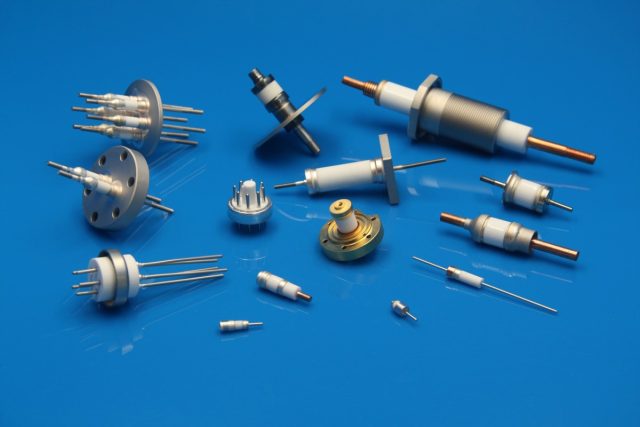
In many high-reliability electronic devices, vacuum systems and high-voltage electrical equipment, engineers often need to meet multiple critical requirements simultaneously, such as electrical insulation, structural connection and gas-tight packaging. In such a complex engineering environment, a single material often fails to meet all performance requirements simultaneously. For this reason, the ceramic-to-metal sealing structure has gradually become an important technical solution to address this issue.
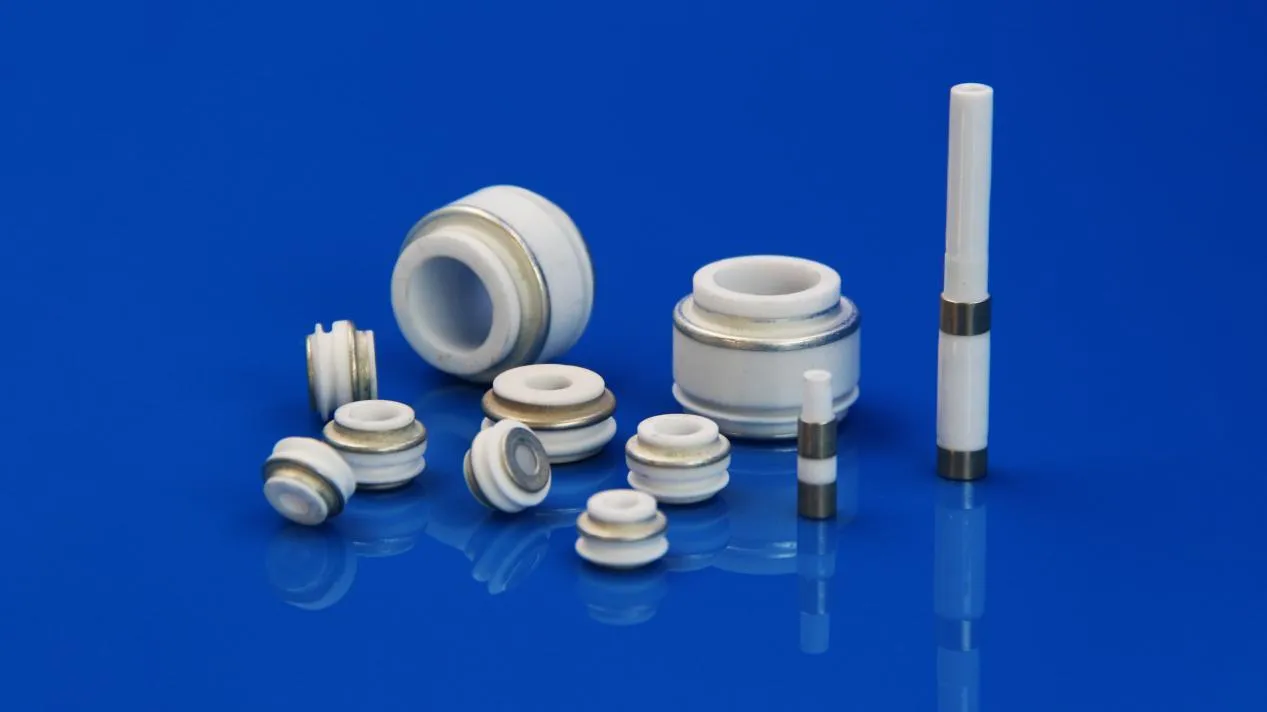
Among the various ceramic materials that can be used for sealing structures, alumina ceramic (Al2O3) has emerged as one of the most widely adopted materials due to its stable properties and mature manufacturing process. By conducting metallization treatment on the ceramic surface and combining with brazing technology, a reliable and long-lasting connection structure between ceramics and metals can be achieved, thereby meeting the requirements of various industrial equipment for high-reliability packaging.
The advantages of ceramic materials in sealing structures
Compared with traditional metal or polymer insulating materials, ceramics have obvious advantages in extreme environments. It usually has excellent electrical insulation properties, can withstand high temperatures, and has good chemical stability. Even when exposed to high temperatures, high pressure or corrosive environments, its performance remains stable. Due to these characteristics, ceramics are widely used as insulating materials in many electronic packaging, vacuum equipment, and high-pressure systems. Due to these characteristics, ceramics are widely used as insulating materials in many electronic packaging, vacuum equipment, and high-pressure systems.
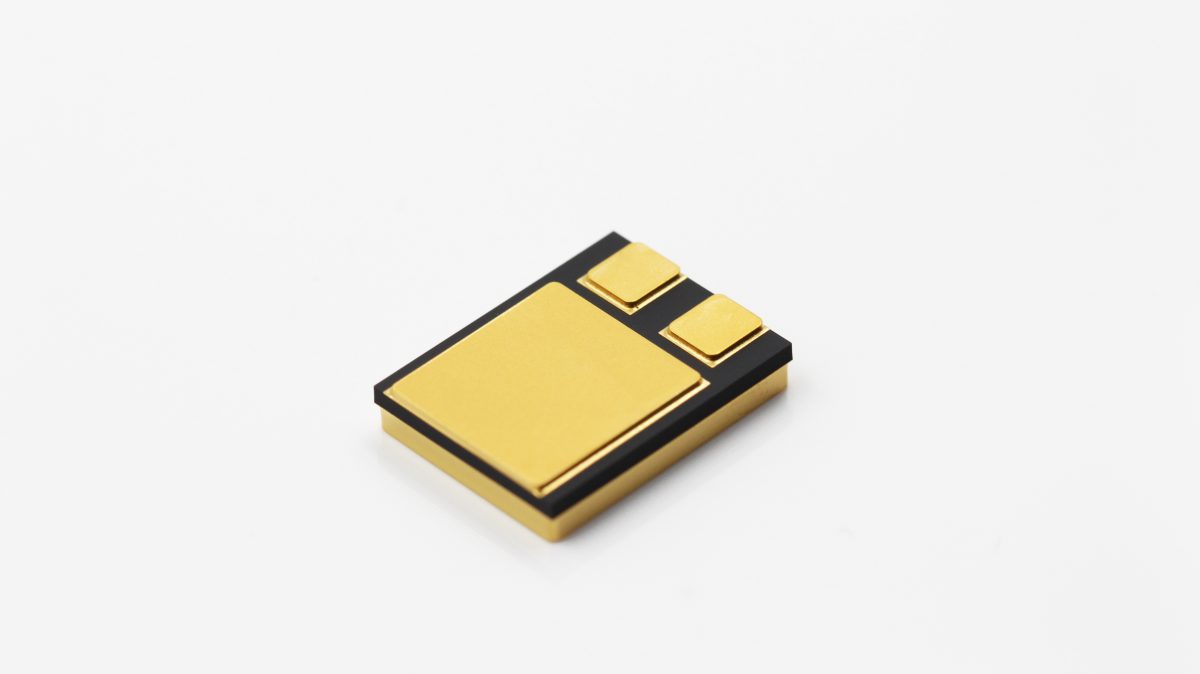
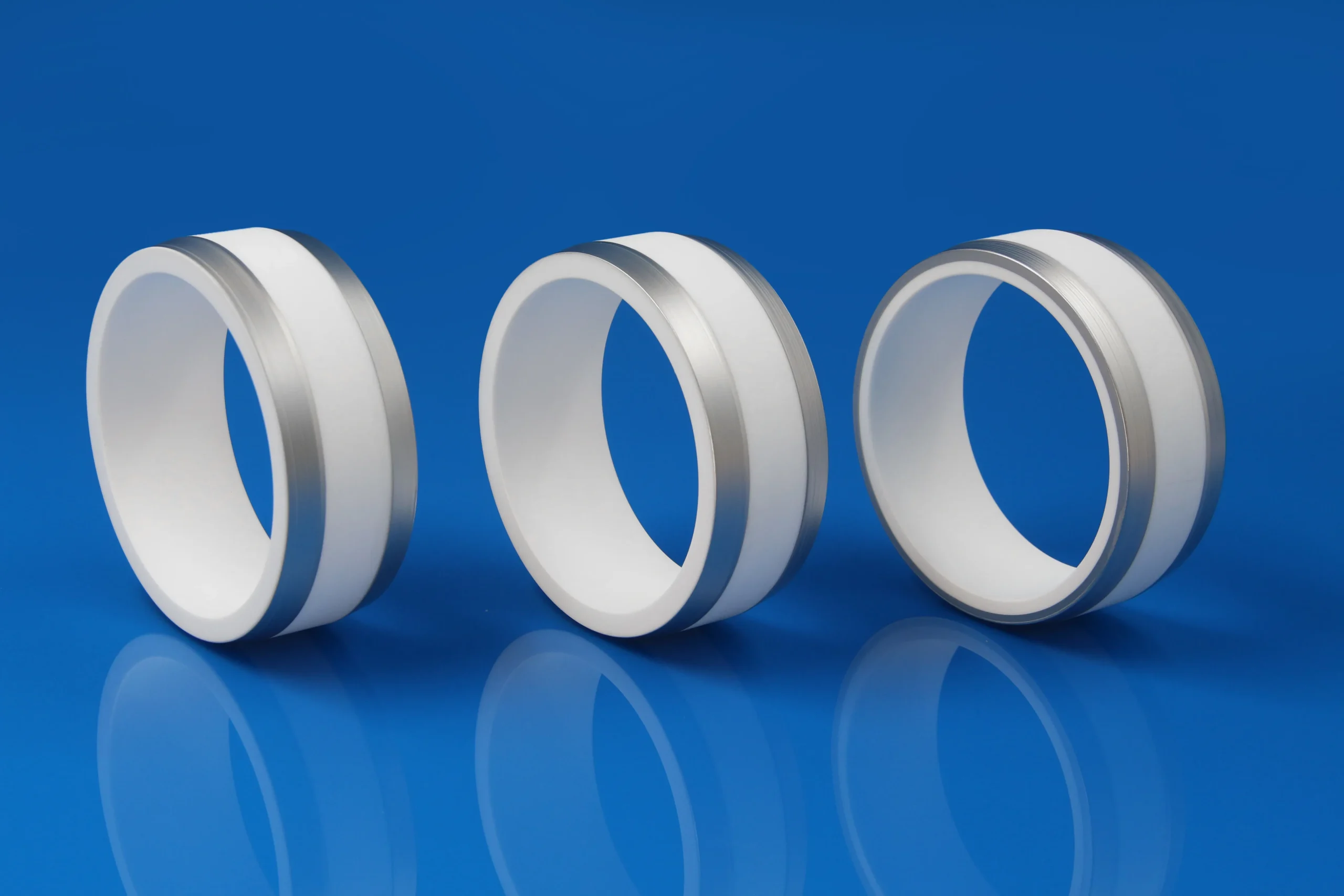
However, there is a problem with ceramics itself – it is difficult to be welded or mechanically connected with metal materials directly. This, to some extent, limits its application in complex devices. To solve this problem, engineers usually perform metallization on the surface of the ceramic. By creating a layer of weldable metal, the ceramic can achieve a reliable brazing connection with the metal components.
Why has alumina ceramic become the mainstream choice?
Among various advanced ceramic materials, the reason why alumina ceramics have become the mainstream material for ceramic-metal bonding structures is mainly due to their superior comprehensive performance.
1. Has good thermal expansion matching property
In ceramic-metal sealing structures, the matching of thermal expansion coefficients between different materials is one of the key factors determining the reliability of the connection. If the thermal expansion differences between the materials are too large, significant thermal stress may be generated during the temperature change process, which could lead to cracking or failure of the sealing interface.
The thermal expansion coefficient of alumina ceramics is compatible with that of many commonly used sealing metal materials (such as Kovar alloy or stainless steel), which enables the sealing structure to maintain good stability under high temperatures or temperature cycling conditions.
2. The metallization process is mature
The metalization process of alumina ceramics has been developed for many years. Currently, the most common metalization system is the Mo-Mn system. In this process, by forming a metallization layer on the ceramic surface and then conducting nickel plating, a suitable metal interface for brazing can be obtained, thereby achieving a reliable connection between the ceramic and the metal components.
Due to the fact that the related process system is already highly mature, the alumina ceramic metallization structure has high reliability in gas-sealed packaging, electronic packaging, and vacuum equipment.
3. Excellent electrical insulation performance
As a classic engineering ceramic material, alumina ceramics possess high insulation resistance and excellent breakdown voltage performance, and can provide stable insulation protection in high-voltage electrical environments. This characteristic enables it to be widely applied in high-voltage equipment, vacuum electrical leads, and electronic packaging fields.
4. Cost and Manufacturing Advantages
Compared with advanced ceramics such as aluminum nitride and silicon nitride, the raw material procurement cost of alumina is much lower. Moreover, the processing and sintering technologies have been well-established over the years and can achieve stable mass production without the need to invest in complex production equipment. This “balance between functionality and cost control” is precisely the key factor that enables alumina ceramics to remain dominant in the industrial sector for a long time – it not only meets the usage requirements of most industrial scenarios, but also helps enterprises control production costs, with an outstanding cost-performance advantage.
Widely applied fields
Thanks to these advantages, the alumina metallized ceramic structure has been widely applied in several high-tech fields, such as:
- Vacuum electron device
- Semiconductor manufacturing equipment
- Laser module assembly component
- Sensor packaging structure
- High-voltage electrical equipment
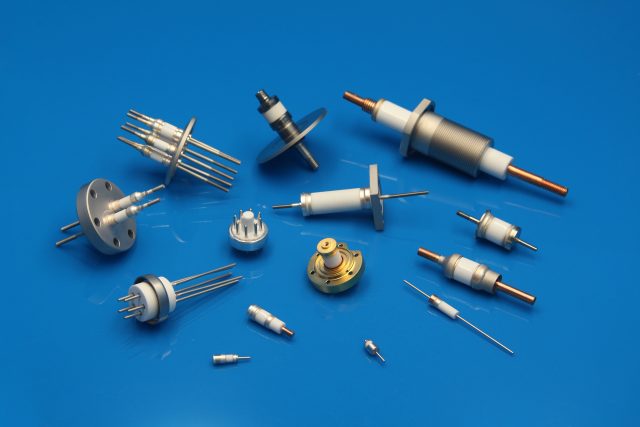
In these applications, the metallized alumina ceramic not only offers reliable electrical insulation properties, but also enables a stable ceramic-metal gas-tight joint structure through the brazing process.
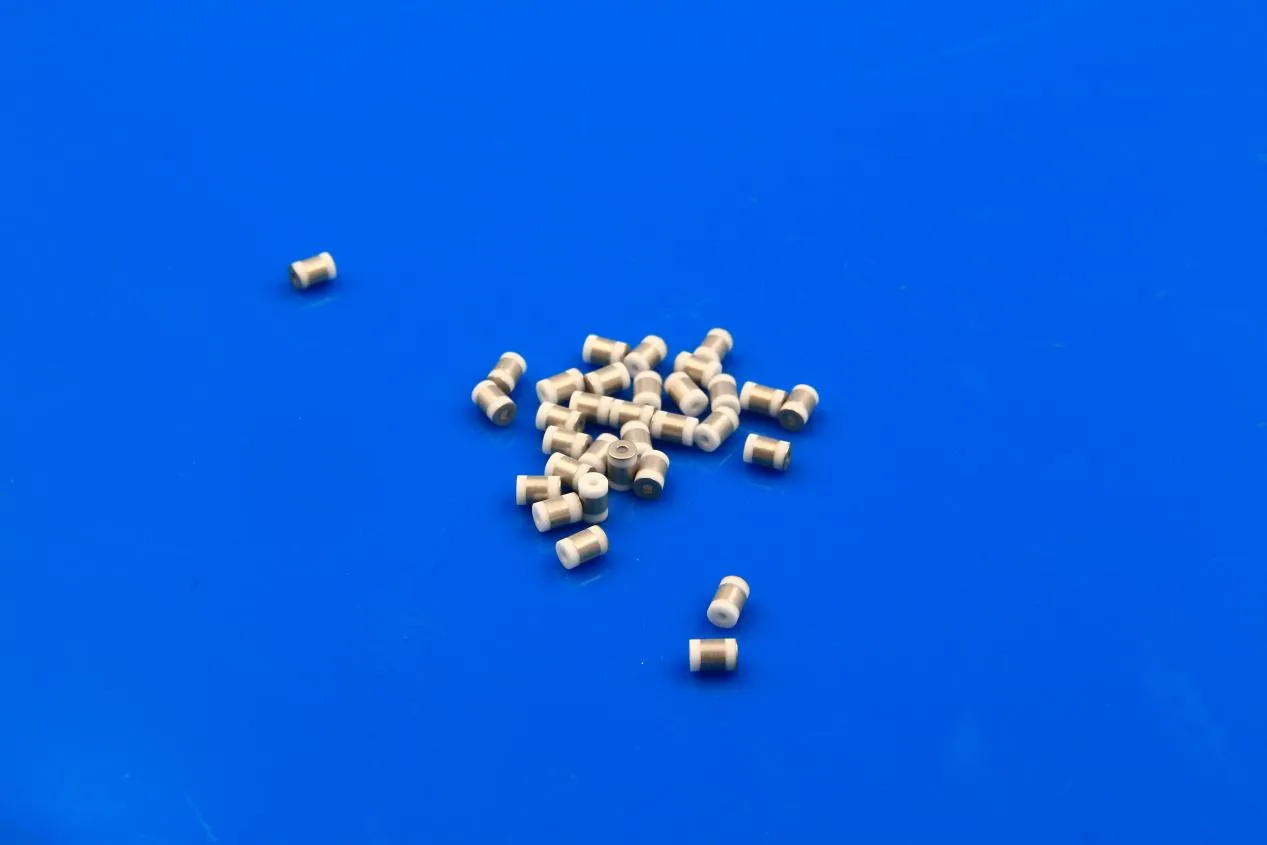
As the requirements for reliability and performance in electronic devices and industrial systems continue to increase, the significance of ceramic-metal bonding technology is also rising. Thanks to its excellent insulation properties, mature metallization technology and good engineering applicability, alumina ceramics has become one of the most representative materials in this field. In the future applications of highly reliable electronic packaging and vacuum equipment, metallized alumina ceramics will continue to play a significant role, providing stable and reliable material solutions for complex engineering systems.
Innovacera specializes in providing ceramic metallization services. Please feel free to contact us at sales@innovacera.com Learn more.