technical ceramic solutions

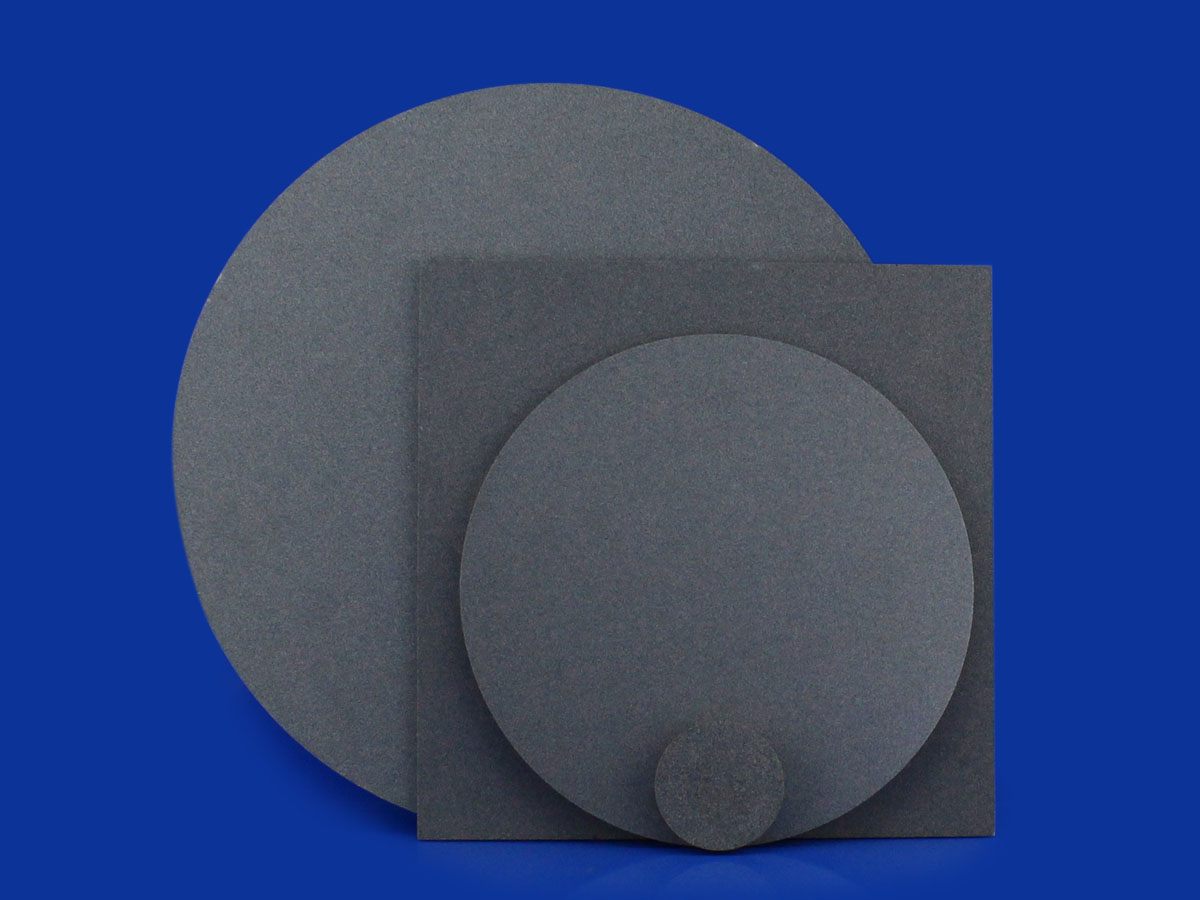
The Application of Alumina and SiC Porous Ceramics

Alumina and SiC Porous Ceramics

Application:
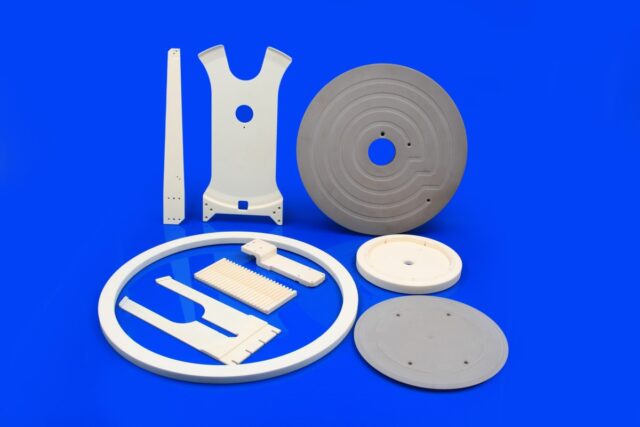
Semiconductor wafer processing, laser numerical control processing, PCB, flexible screen, precision grinder, air floating platform, air bearing, optical components.
1) The smaller the pore size, the greater the resistance and the greater the degree of vacuum required, but the greater the suction power obtained.
2) The maximum use temperature of alumina/silicon carbide microporous ceramics is about 1000 ° C, and the maximum use temperature is also related to size and shape. Still, if glue is stuck, it can only be lower than 100 ° C.
3) Microporous ceramics generally do not mention the roughness problem, because there are micropores, but the surface smoothness is similar to Ra0.8 of dense ceramics.
4) Low thermal conductivity. Only dense materials will have high thermal conductivity.
5) Microporous ceramics cannot be used in a humid environment or come into contact with conductive liquids. Otherwise, they will not be insulated.
Related Products

  • Boron Nitride BN Ceramic Bushings For Ion Sources

    Boron Nitride Bushing

    Boron nitride is a commonly used material in ion sources. We typically use it for: insulators, bushings, internal support structures, the reason is straightforward. It provides good insulation, handle…

  • Boron Nitride Insulator Pin

    Boron Nitride Insulator Pin

    The Boron Nitride Insulation Positioning Pin is a specialized ceramic component primarily made of high-purity 99.7% Boron Nitride (BN), formed via hot-press sintering and subsequently precision-machin…

  • Ceramic Vacuum Feedthrough

    Ceramic Vacuum Feedthrough

    Innovacera's  ceramic-to-metal sealing components such as  ceramic vacuum feedthroughs are made of high-purity alumina ceramic and precisely machined metal rods. The permanent is high-strength and ult…

Enquiry