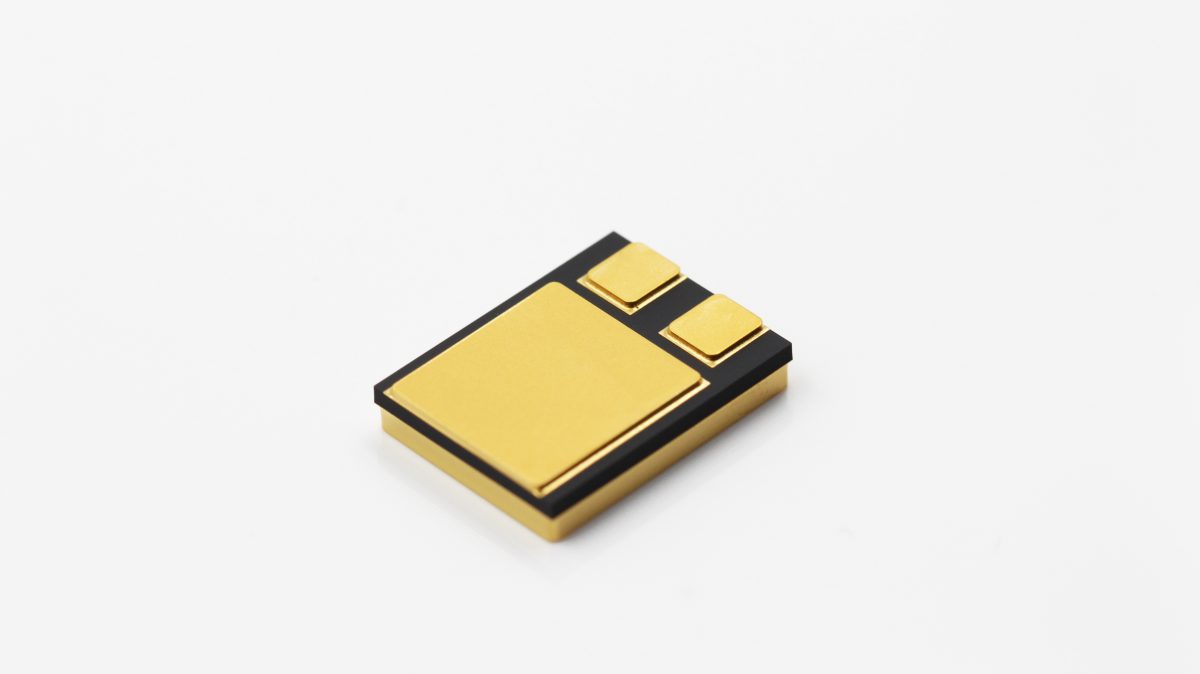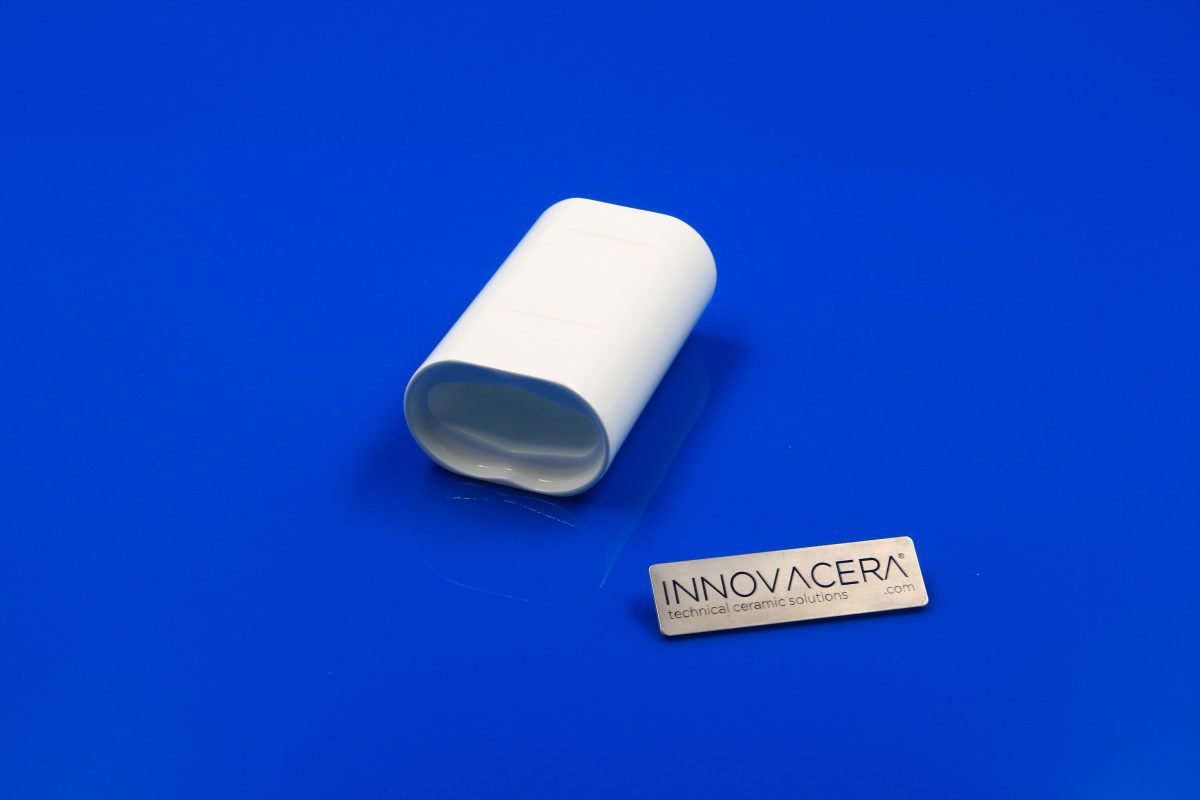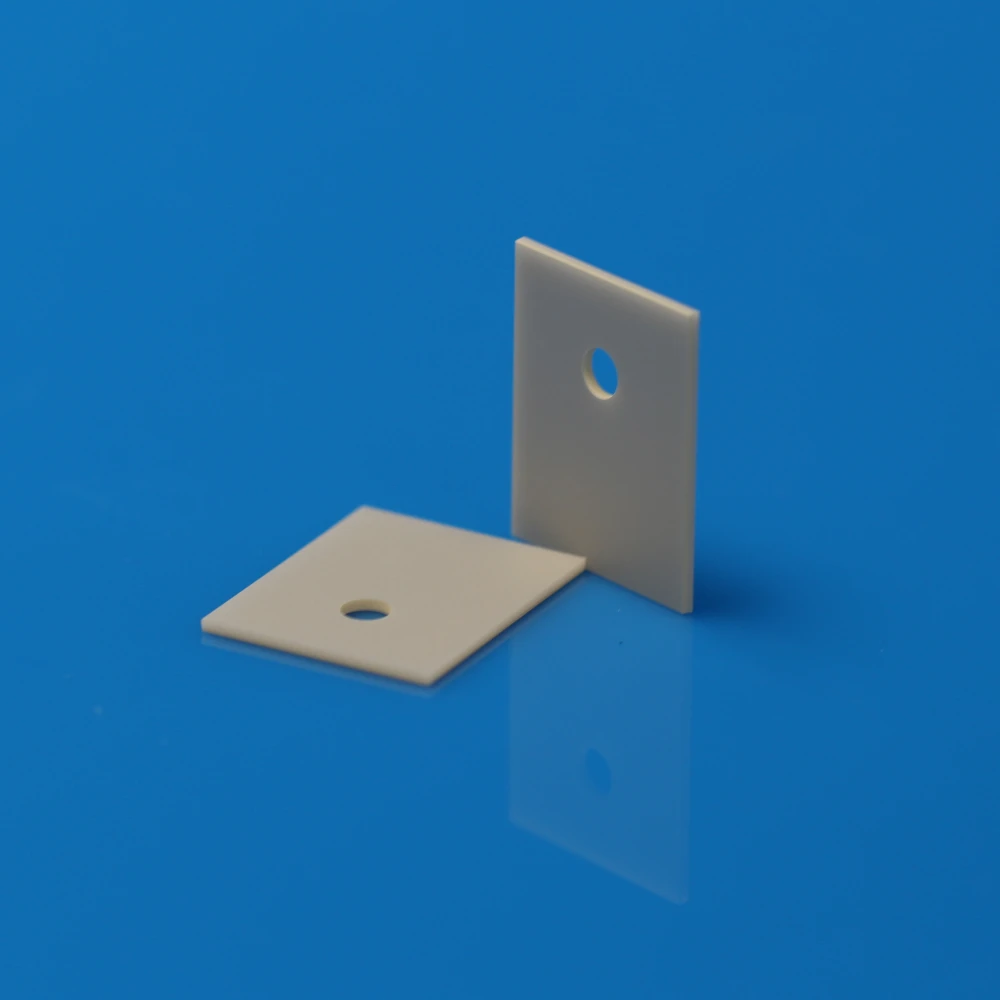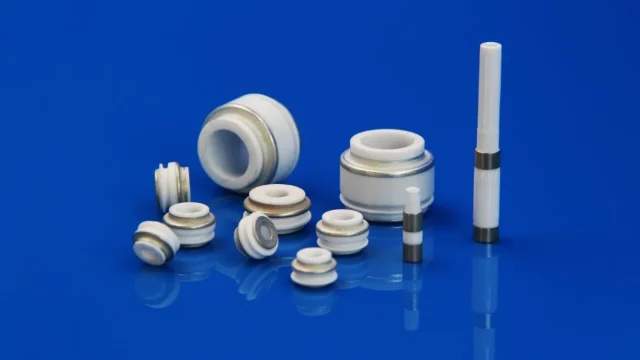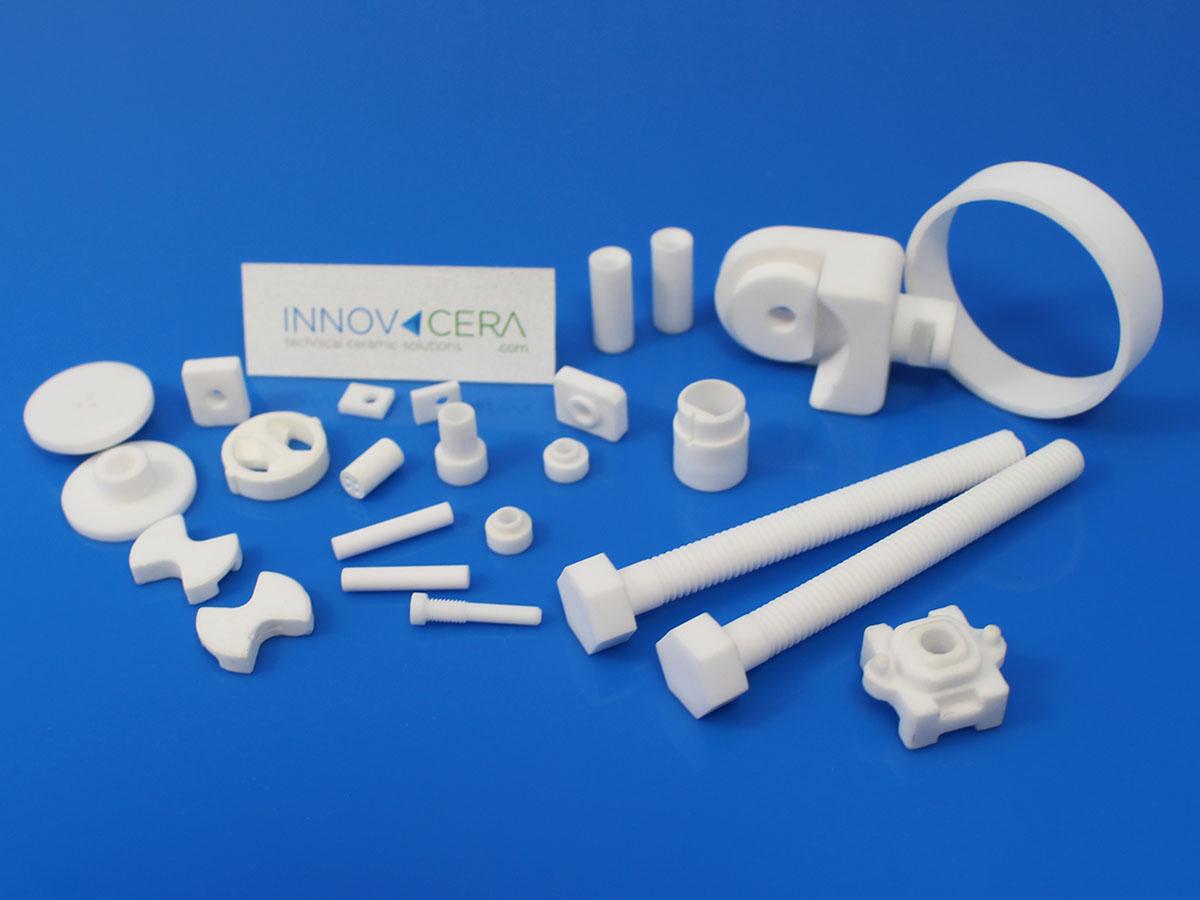
Insulating ceramics, also known as device ceramics, are ceramic materials used in electronic equipment to install, fix, support, protect, insulate, isolate and connect various radio components and devices.
In electronic technology, the insulating material is required to be non-conductive, that is, the resistivity is required to be as high as possible, and the dielectric strength is also required to be as high as possible. Alumina, on the other hand, is an electrically insulating material with high resistivity, which increases with purity.
The good chemical stability of alumina results in high corrosion resistance. Insoluble in water, only slightly soluble in strong acid and strong alkali solutions. Tests have shown that the low chemical solubility of the alumina ceramic component makes it highly resistant to chemical corrosion.
High voltage devices not only need insulators to accommodate the current but also insulators to not interfere with the current.
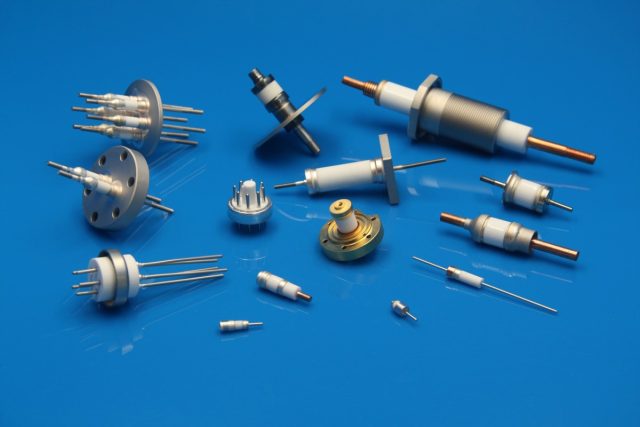
Innovacera manufactures metalized ceramics and ceramic insulators for high voltage applications. The feedstocks are 95% alumina, 96% alumina, and 99% alumina. Can be customized according to customer requirements.