1. Metallization formula.
This is the premise of realizing ceramic metallization, and its formula needs to be carefully and scientifically designed.
2. Metallization sintering temperature and holding time.
The metallization temperature can be divided into the following four processes:
1) Ultra-high temperature if the temperature exceeds 1600°C,
2) High temperature at 1450~1600°C,
3) Medium temperature at 1300~1450°C,
4) Low temperature if it is lower than 1300°C.
An appropriate sintering temperature is necessary. If the temperature is too low, the glass phase will not diffuse and migrate. If the temperature is too high, the metallization strength will be poor.
3. The microstructure layer of Metallization.
The metallization process determines the microstructure of the metallization layer, and the microstructure directly affects the final performance of the welded body. To obtain good welding performance, the metallization layer should first be a dense film with high bond strength. If the microstructure of the metalized layer has distinct layers and no continuous brittle metal compounds are observed at any interface, the probability of brittleness and crack propagation will be reduced, and the interface will have fewer cracks, which is beneficial to reduce solder penetration. It shows that the metalized layer has good compactness and relatively high bonding strength.
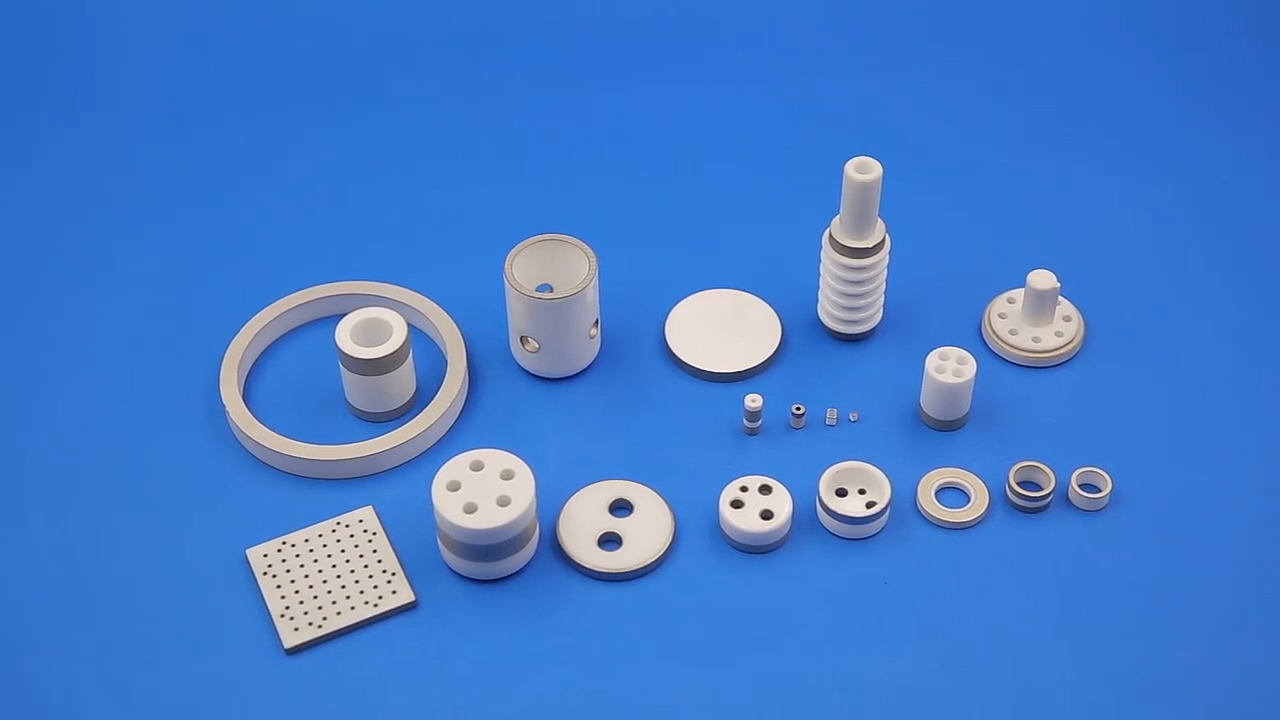
what factors are to affect the metallization of ceramic
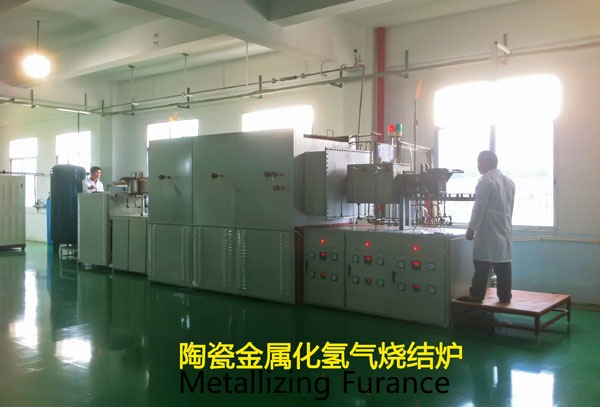
4. Other factors.
There are still many factors that affect the degree of ceramic metallization that need to be paid factors are to affect the metallization of ceramic[/caption]attention to, such as the influence of powder particle size and reasonable gradation, the powder being too fine, the surface energy being large, and it is easy to form agglomeration, which will affect the smoothness of the coating; if the powder is too coarse, the surface energy decrease, resulting in an increase in the sintering temperature, which affects the sintering quality. In addition, the coating method and the thickness of the coating will also have a great influence on ceramic metallization.
We have 30 years of production experience in metallization ceramics, if you have more questions, pls feel free to contact us.
what factors are to affect the metallization of ceramic