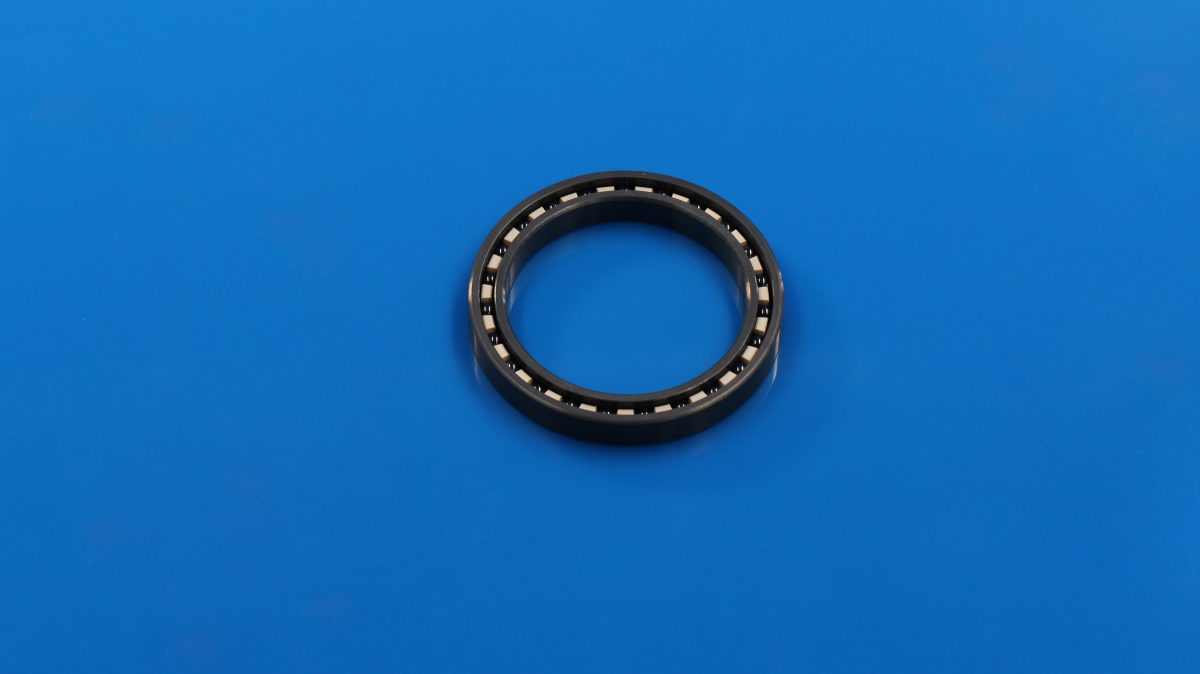
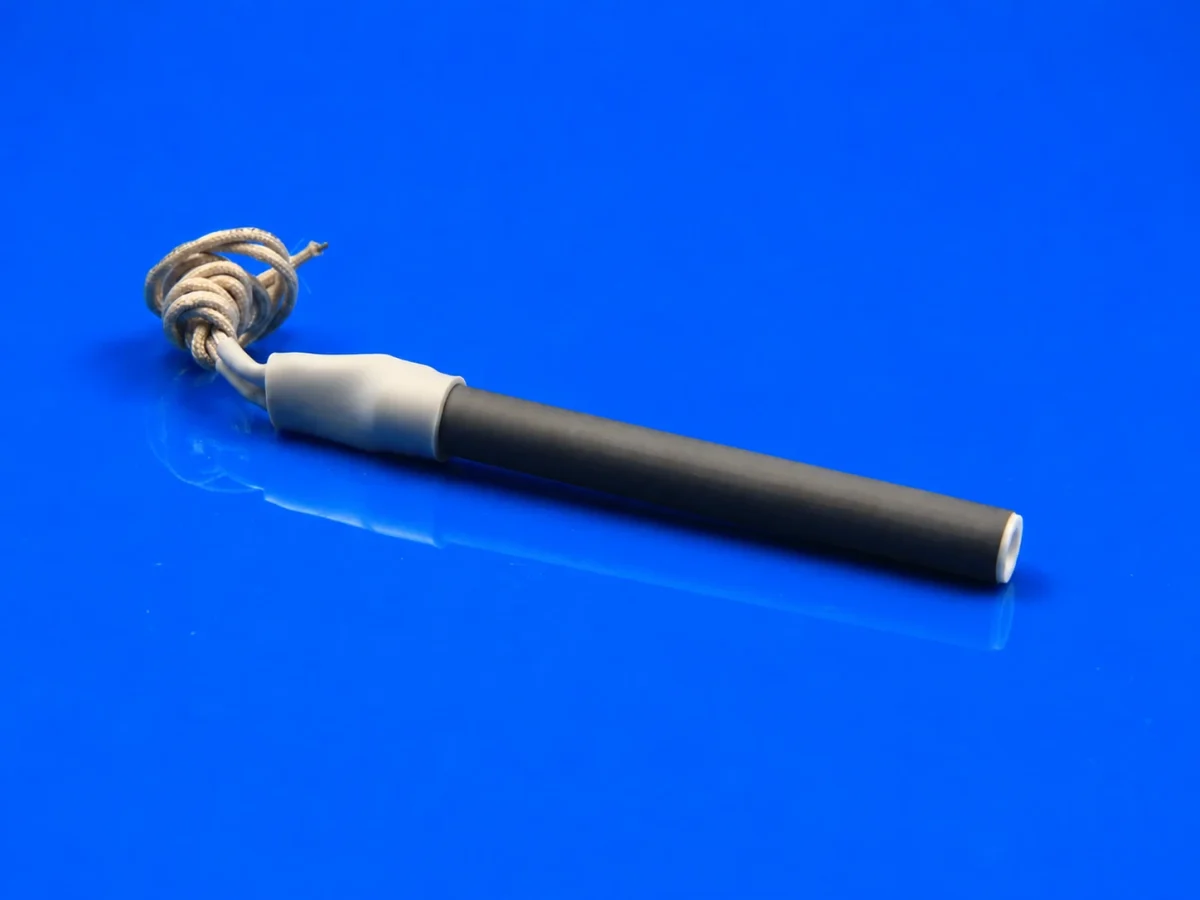
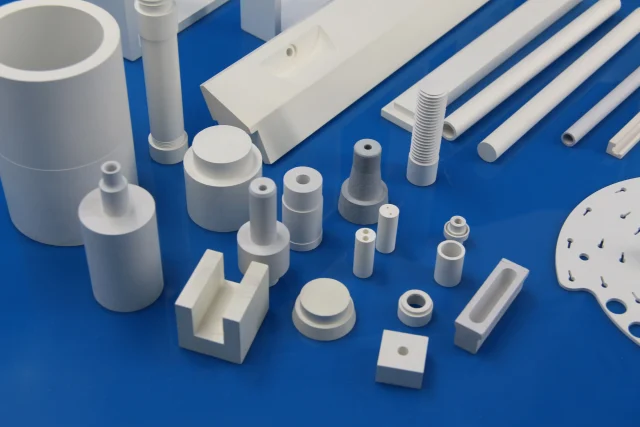
Innovacera has introduced a new series of high-performance refractory materials, including photovoltaic rolled lip bricks, runner sagger bricks, flow nozzles, stirring rods, stirring paddles, and punches.
Among these, the Tundish Nozzle—also known as the Pouring Nozzle, Metallurgical Nozzle, or Refractory Nozzle—is a critical component engineered for extreme conditions in continuous casting processes.
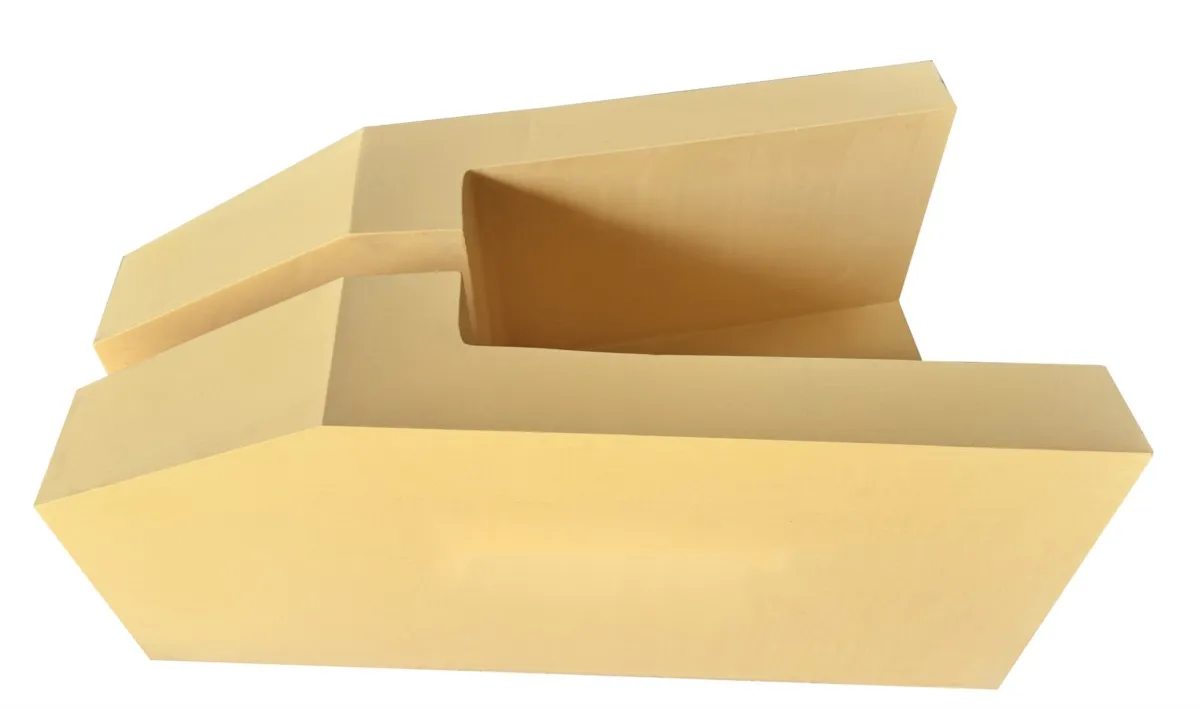
1. Key Characteristics
- Large dynamic and thermal gradient range
- High requirements for thermal stability
These properties enable the nozzle to perform reliably under fluctuating thermal and mechanical stresses during steelmaking.
2. How It Works – The Controlled Flow Gateway
In essence, the tundish nozzle acts like a high-temperature precision valve, designed to precisely control the flow of molten steel.
Working in conjunction with the sliding nozzle system, it functions by displacing two sliding plates to open, close, or regulate the molten steel flow channel. This mechanism allows precise control over the initiation, cessation, and velocity of steel flow—ensuring consistent casting quality and process stability.
3. Materials
The nozzle is made from High-Temperature Magnesium-Zirconium (Mg-Zr) composite refractory materials, known for their exceptional thermal and mechanical properties.
4. Advantages
- Extremely high temperature resistance (maximum working temperature: 1500 °C)
- Excellent thermal shock resistance, preventing cracking during rapid temperature changes
- High mechanical strength, ensuring long-term durability under the erosion of molten steel
- Good dimensional stability: maintains a stable volume at high temperatures without excessive expansion or contraction
5. Comparative Material Properties
| Item | Testing Condition | Sintered Zirconia-Mullite | Electro-fused αβ | ZA60 (Zirconia-Alumina Composite) |
|---|---|---|---|---|
| Bubble Precipitation (%) | 1300 °C × 10 h (Common soda-lime glass) | 26 | 1 | 0.6 |
| Linear Expansion (%) | 1200 °C | 0.91 | 0.95 | 0.8 |
| Thermal Shock Resistance (Times) | 1100 °C Water Cooling | >30 | – | – |
| Bulk Density (g/cm³) | – | 2.7 | 3.5 | 4 |
| Apparent Porosity (%) | – | 16 | 2 | 19 |
| Static Erosion Rate | 1300 °C × 36 h (Common soda-lime glass) | 1.7 | 0.02 | 0.02 |
6. Technical Indicators
| Indicators | Item | Units | MSZ-H | MSZ-L | Custom |
|---|---|---|---|---|---|
| Main Composition | ZrO₂ | % | ≥95 | ≥95 | 60–95 |
| Al₂O₃ | % | ≤0.2 | ≤0.2 | 0.2–20 | |
| SiO₂ | % | ≤0.4 | ≤0.4 | 0.2–1 | |
| MgO | % | ≤2.9 | ≤2.9 | MgO | |
| Fe₂O₃ | % | ≤0.1 | ≤0.1 | 0.1–0.3 | |
| TiO₂ | % | ≤0.1 | ≤0.1 | 0.1–1.0 | |
| Physical Properties | Color | – | Yellow | Yellow | Yellow/White |
| Density | g/cm³ | ≤5.2 | 5.4–5.6 | 4.6–5.6 | |
| Porosity | % | ≤18.5 | ≤8 | 1–18.5 |
Note: The stabilizers, grain combinations, and porosity can be tailored according to the customer’s specific application and operating environment.
7. Customization and Availability
Reference photos are available. Standard specifications are provided, and custom designs are accepted to meet diverse application requirements.
In conclusion, Innovacera’s Magnesium-Zirconium Tundish Nozzle represents a decade of material innovation and engineering refinement. Designed for superior performance under extreme metallurgical conditions, it offers outstanding resistance to temperature, corrosion, and wear.w
With a global customer base and proven reliability in continuous casting systems, this product stands as a trusted solution for advanced steelmaking operations.
If you are interested in our products or require customized solutions, please feel free tow contact us.