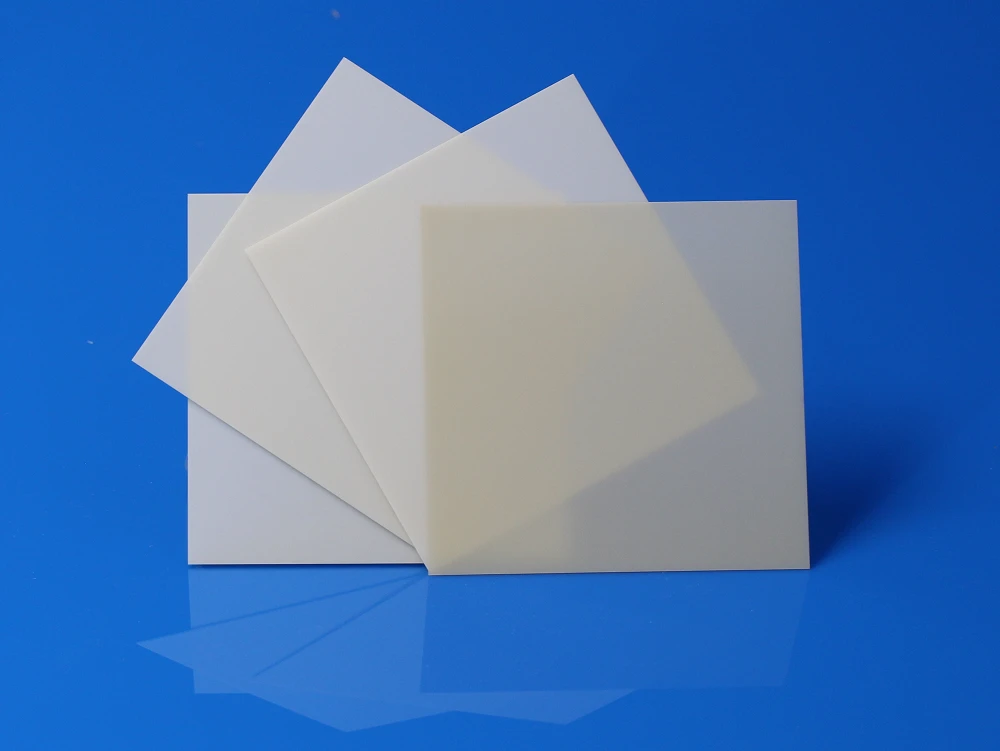
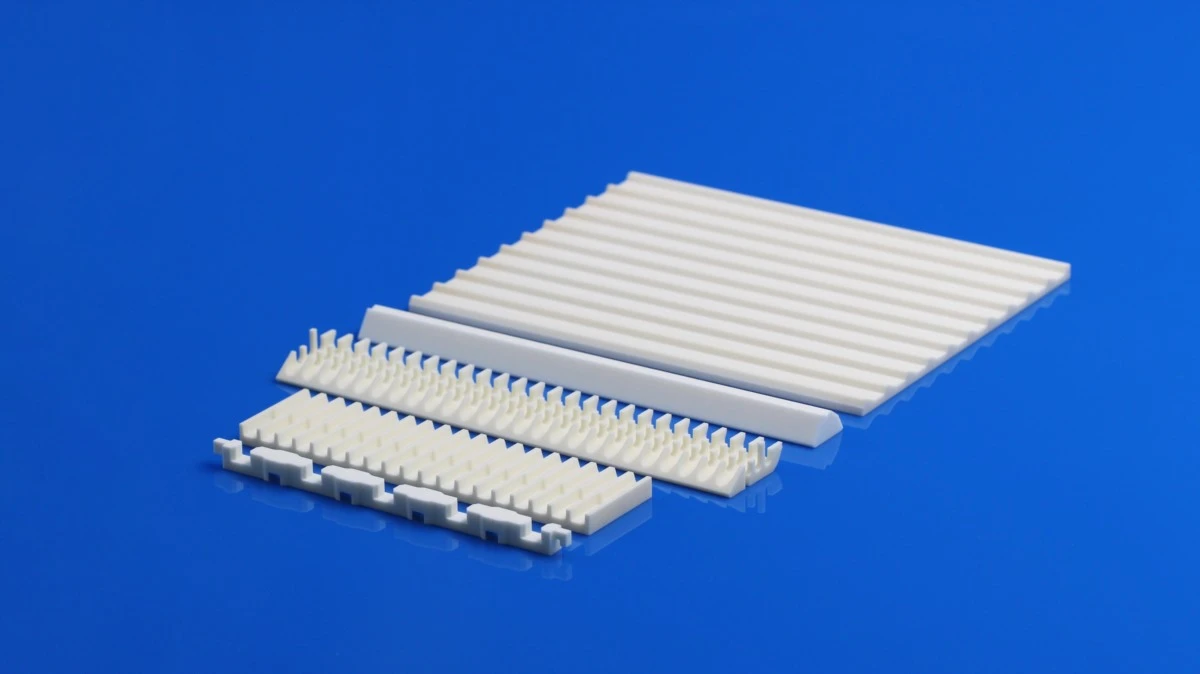
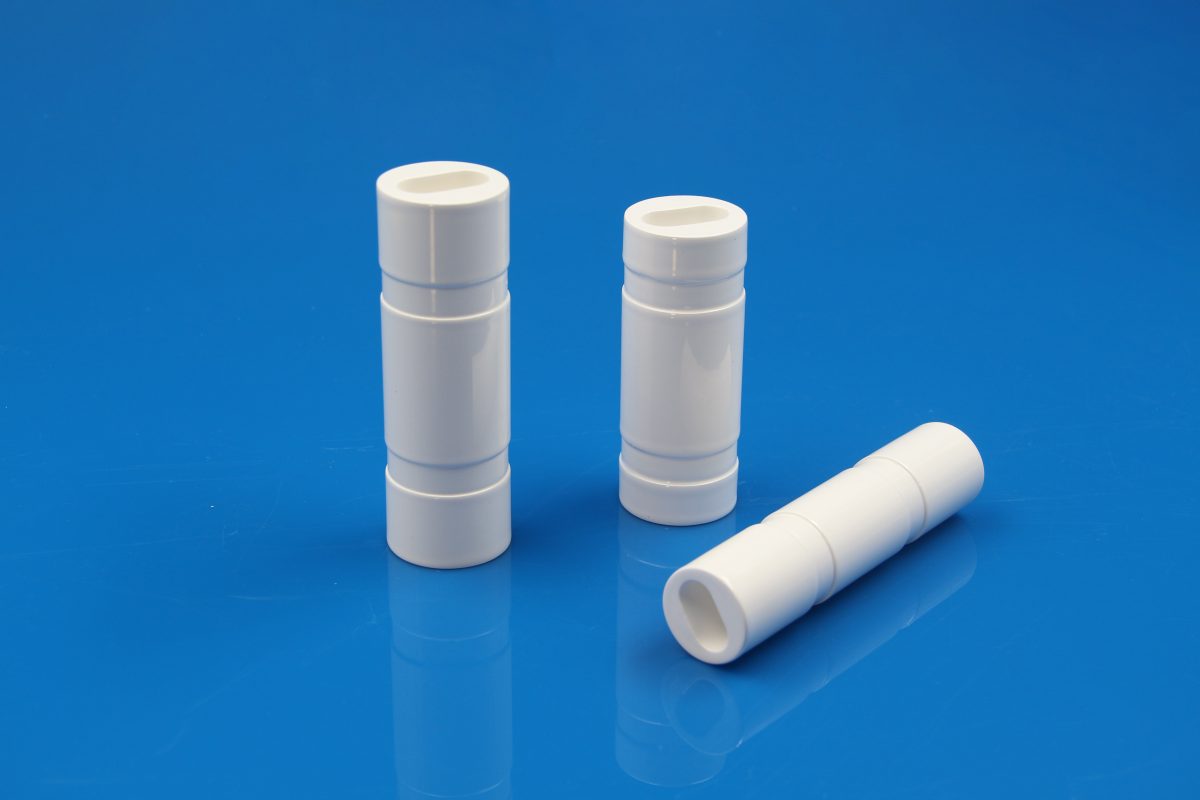
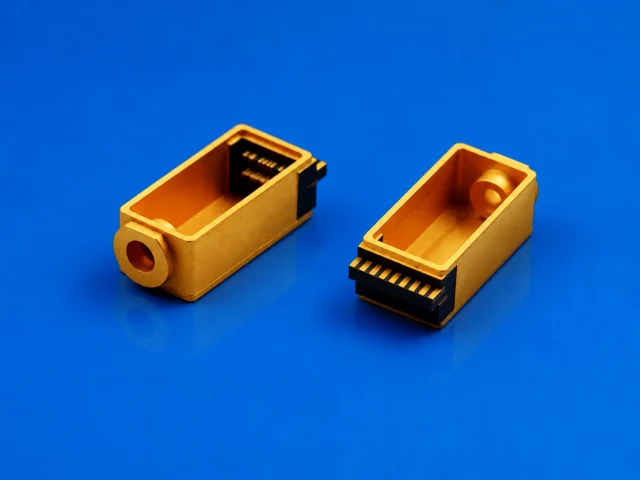
In a development that could have a significant impact on the electronics industry, the latest ceramic metallized insulators are making strides in enhancing semiconductor packaging and related applications. These insulators offer a range of practical benefits that can improve the performance and durability of electronic components. Let’s take a closer look at what sets them apart:
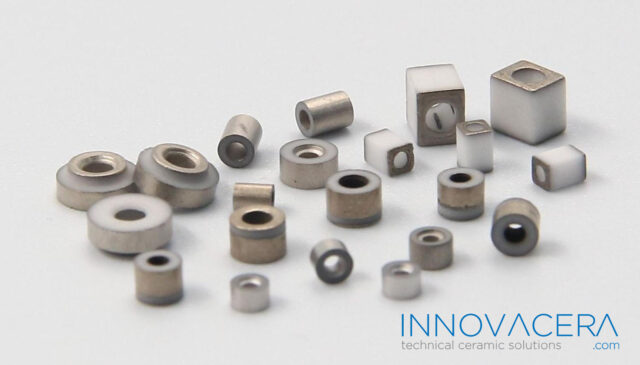
Key Features of Ceramic Metallized Insulators:
1. Stability and Strength: The ceramic material employed in these insulators boasts an even texture, ensuring every batch maintains stable quality and flexural strength. This consistency in material quality is pivotal for the reliability of electronic components.
2.Dense and Weldable Metal Layer: The metal layers in these insulators are densely applied, providing a smooth and even surface. This not only enhances their appearance but also makes them easy to work with, particularly in manufacturing processes.
3. Exceptional Electrical Insulation: These insulators offer outstanding electrical insulation properties, characterized by a low dielectric constant. Additionally, they exhibit excellent resistance to abrasion and corrosion, guaranteeing long-lasting durability.
3.High Tensile Strength and Airtightness: With high tensile strength and airtight qualities, these insulators are well-suited for various applications, particularly those demanding high-frequency and high-power capabilities. Their durability and reliability make them a valuable choice for critical electrical components.
Applications:
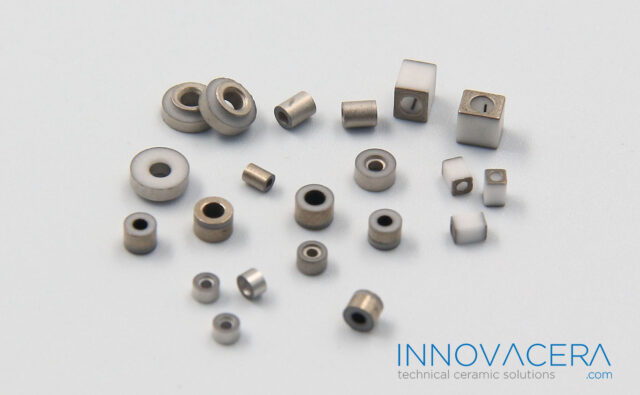
The versatility of these advanced ceramic metallized insulators opens up a multitude of applications:
1. RF Packaging: These insulators are ideal for RF packaging, where small cavity sizes and reliable plating are essential. Their exceptional electrical properties and robust construction make them a practical choice for RF components.
2.Vacuum Electronic Devices: Their exceptional insulation and durability make these insulators a perfect fit for vacuum electronic devices, where maintaining a vacuum environment is essential.
3.LED Accessories: The insulators’ ability to withstand environmental factors and provide excellent electrical insulation positions them as valuable components in the LED accessory market, contributing to the longevity and efficiency of LED products.
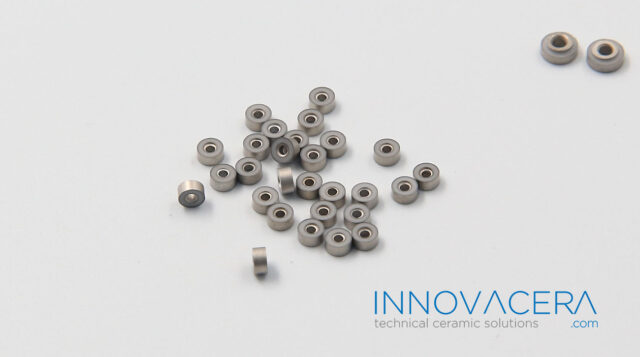
While not groundbreaking innovation, these ceramic metallized insulators represent a step forward in enhancing the reliability and performance of electronic components across various sectors. As the demand for dependable electrical components continues to grow, these insulators are expected to play a pivotal role in various industries, offering practical solutions to everyday challenges.
Manufacturers and industry experts are keeping a close eye on the adoption of these insulators, which have the potential to raise the standards for semiconductor packaging and related applications. As technology evolves, these insulators are likely to become essential components in various electronic products, benefiting both manufacturers and consumers.