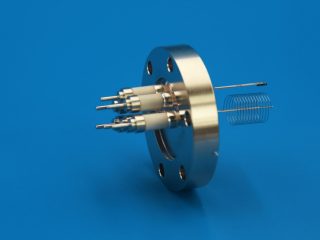
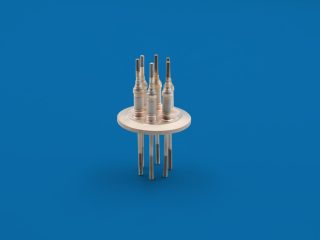
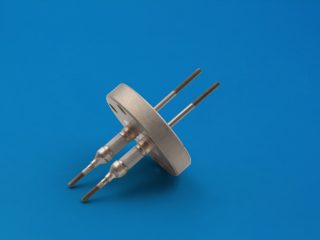
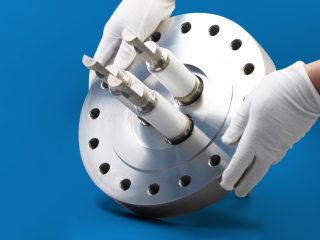
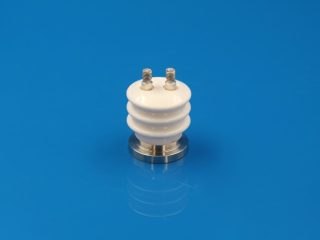
Materials Used in Feedthrough Assemblies
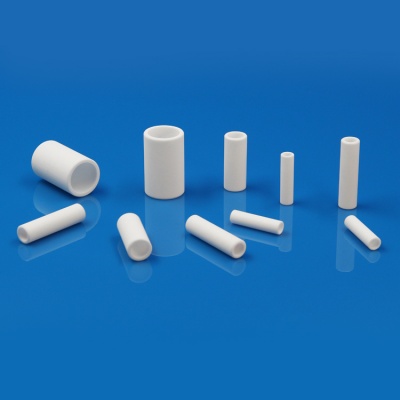
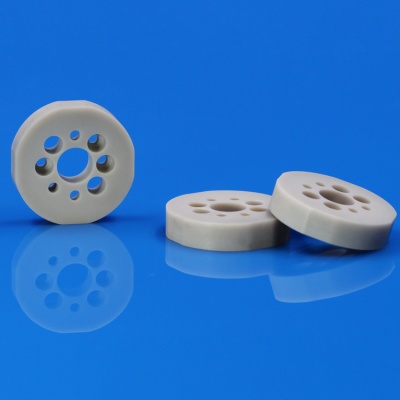
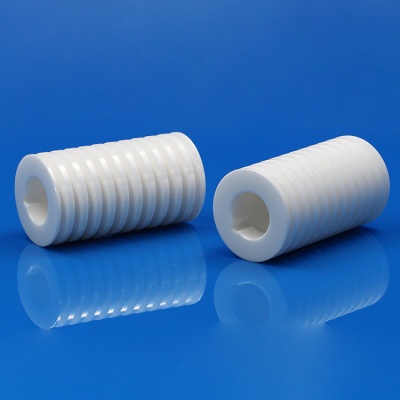
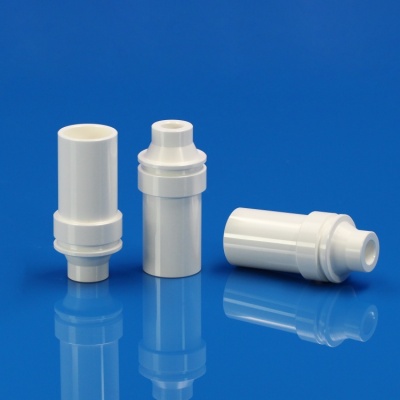
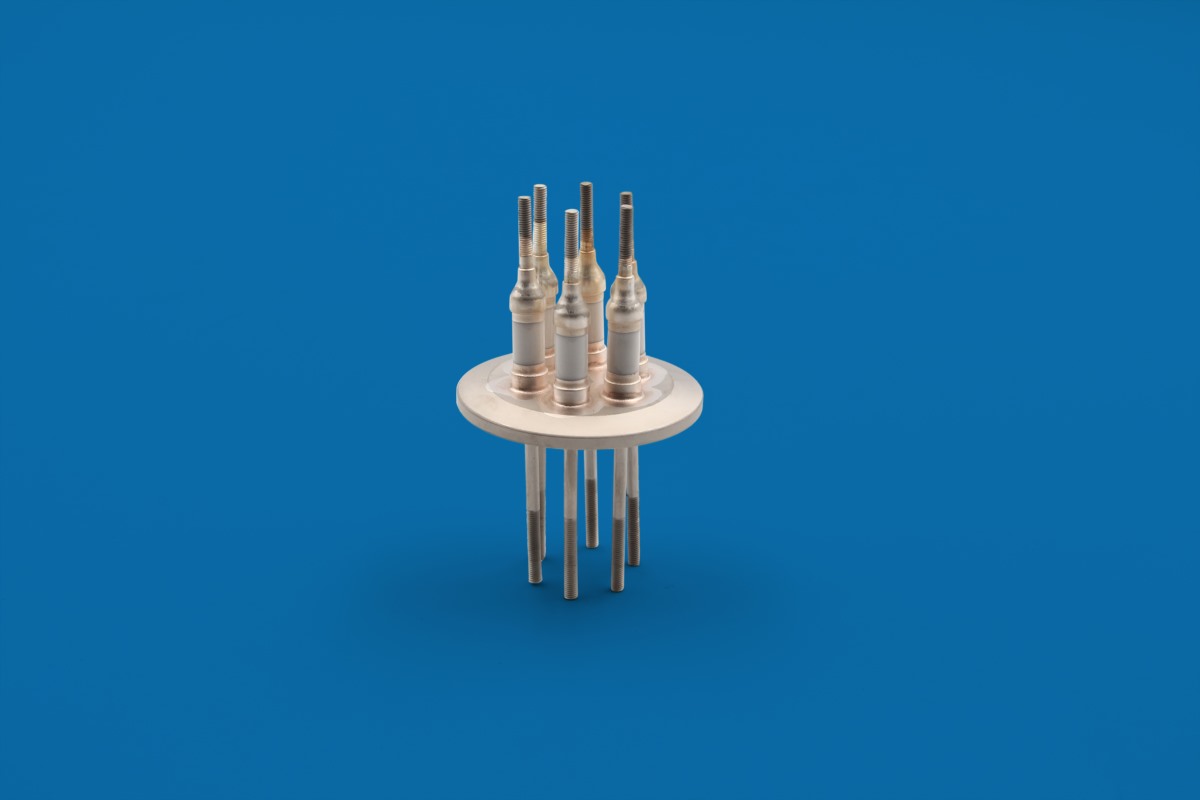
-High-purity alumina (95% to 99.5%)
-Brazing materials (AgCu alloy, Silver, AgCuTi, etc.)
-Metals: OFHC copper, stainless steel, nickel alloy, molybdenum alloy
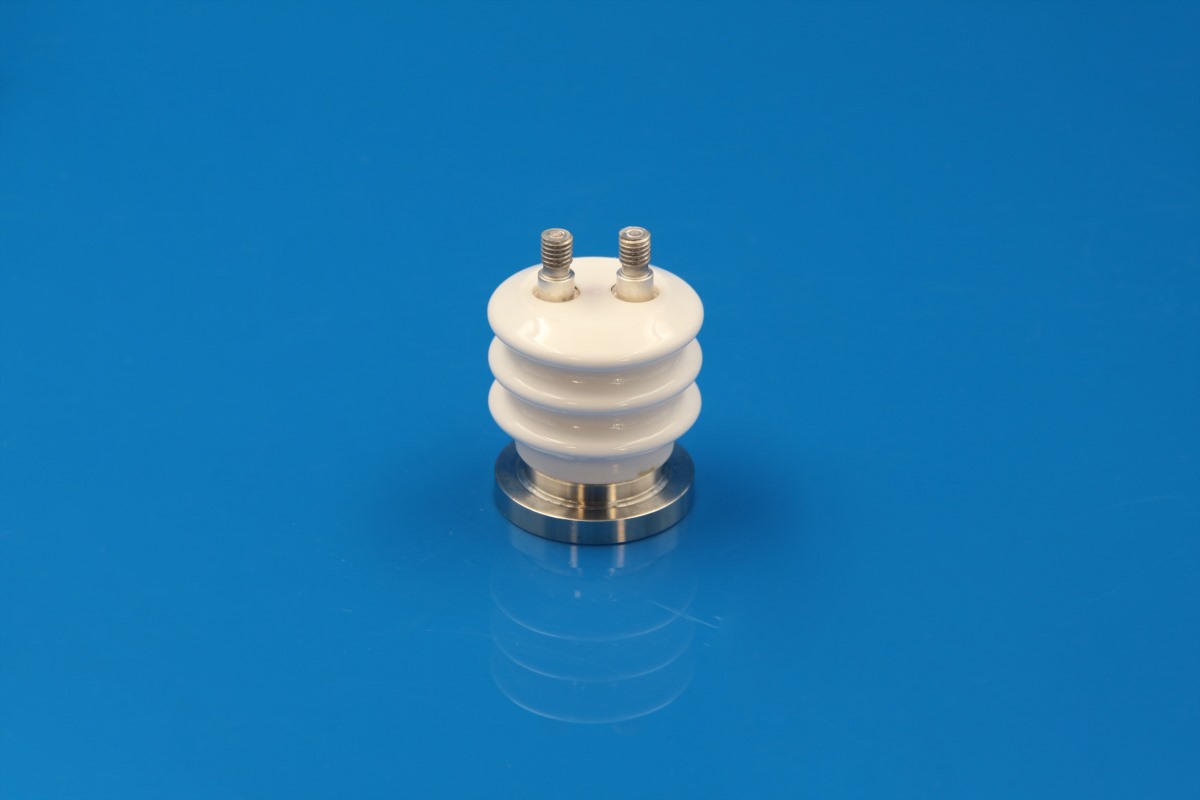
-Surfaces: glazed, nickel costing, silver costing, gold costing
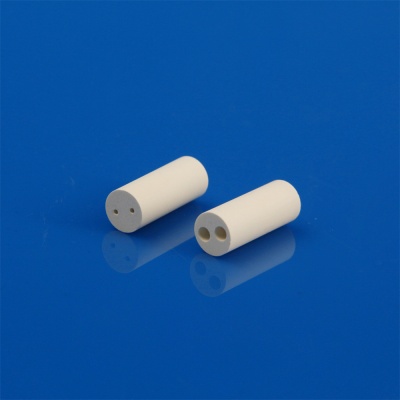
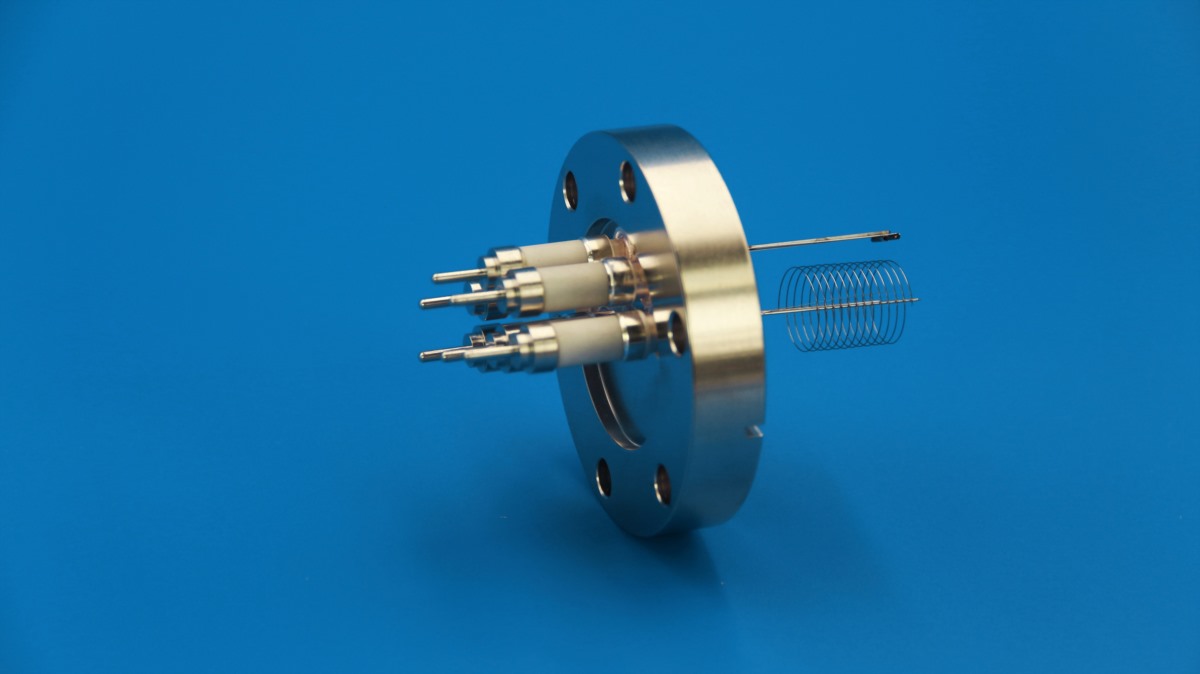
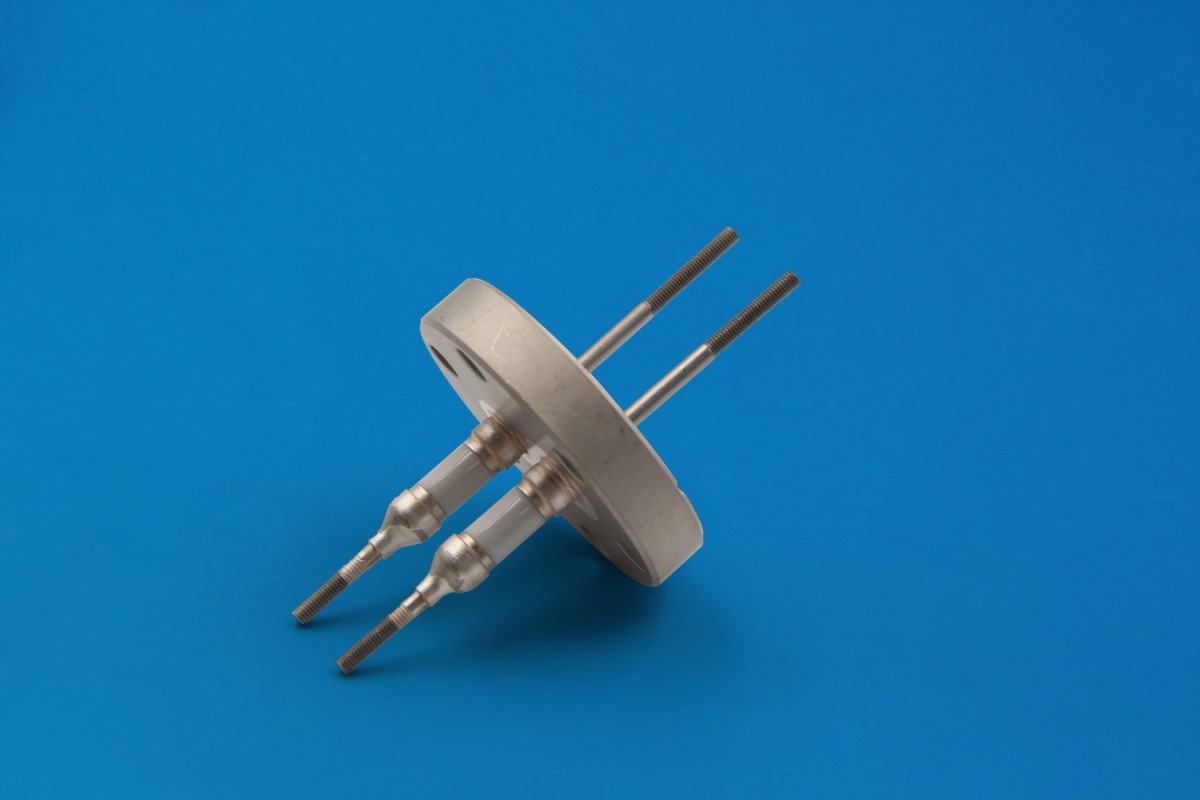
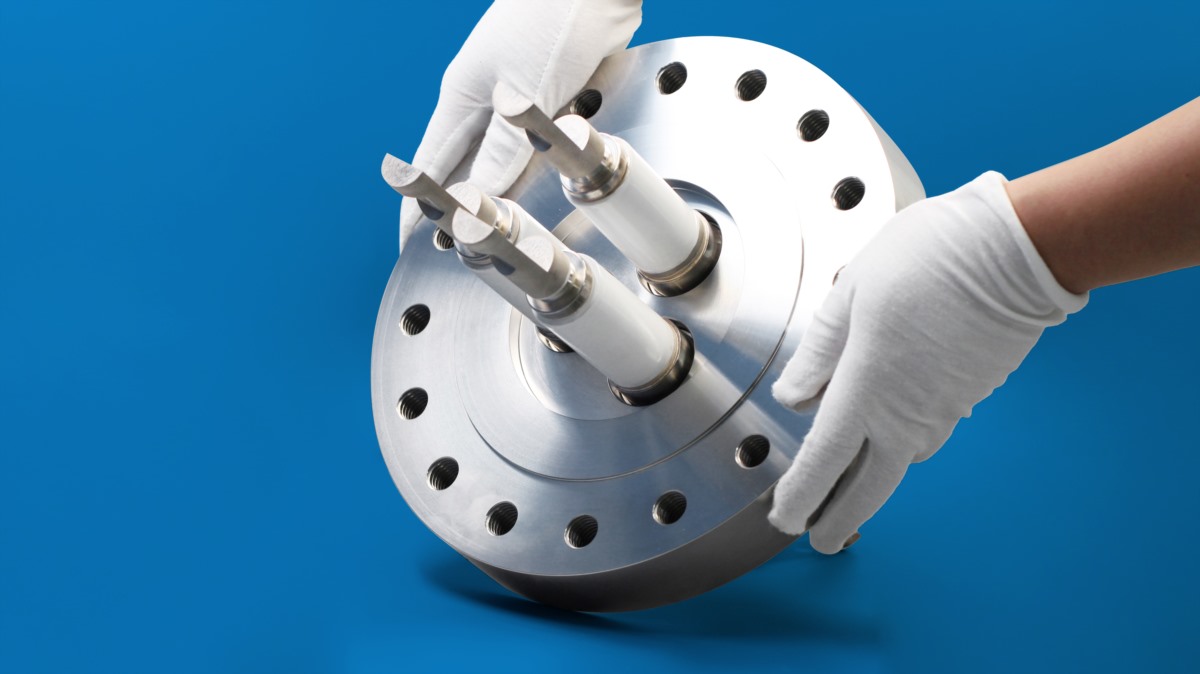
High-voltage feedthroughs can be designed according to customer requirements.The interconnection method (number of conductive pins) is flexible, allowing designs as single-pin or multi-pin configurations.
All products undergo helium leak testing with a leak rate of <1x10⁻⁹ Pa*m³/s.
Customizable mounting flanges, threads, or welding rings are available.
Core Application
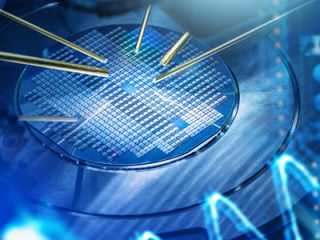
-Vacuum & semiconductor equipment (vacuum coating machines, etching equipment, ion implanters)
-Energy & power equipment (high-voltage power supplies, transformers, new energy storage systems)
-Industrial & special equipment (plasma equipment, high-voltage test instruments, accelerators)
-Medical equipment (CT, X-ray machines, radiotherapy equipment)
Declaration: This is an original article of INNOVACERA®. Please indicate the source link when reprinting: https://www.innovacera.com/product/high-voltage-feedthroughs
Frequently Asked Questions
Looking for a high voltage feedthroughs manufacturer? How do you prevent electrical arcing up to 120 kV?
INNOVACERA manufactures high-voltage ceramic-to-metal feedthroughs rated from 5 kVDC to 120 kV. By combining high-purity alumina ceramics (95% to 99.5%) with extended creepage distance designs, glazed anti-fouling outer surfaces, and fluxless high-vacuum brazing, our feedthroughs prevent surface flashover and electrical breakdown while maintaining helium leak rates below <1×10⁻⁹ Pa·m³/s.
Need custom high voltage vacuum feedthroughs? Can you configure single or multi-pin conductors and flanges?
Yes. INNOVACERA supplies custom high-voltage feedthroughs available in single-pin or multi-pin configurations using OFHC copper, stainless steel, or molybdenum conductors. We engineer custom mounting interfaces—including CF, KF, and ISO vacuum flanges, threaded bushings, or weldable rings—to meet the precise space and voltage demands of semiconductor implanters, CT scanners, and particle accelerators.