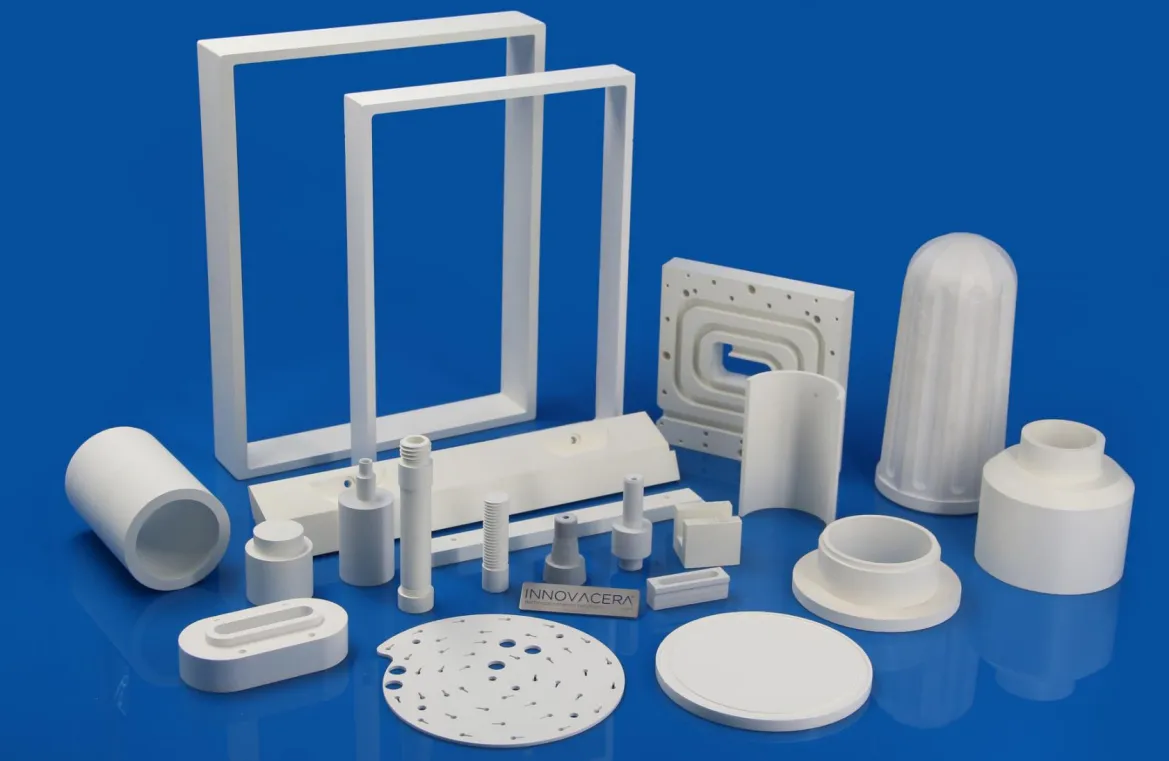
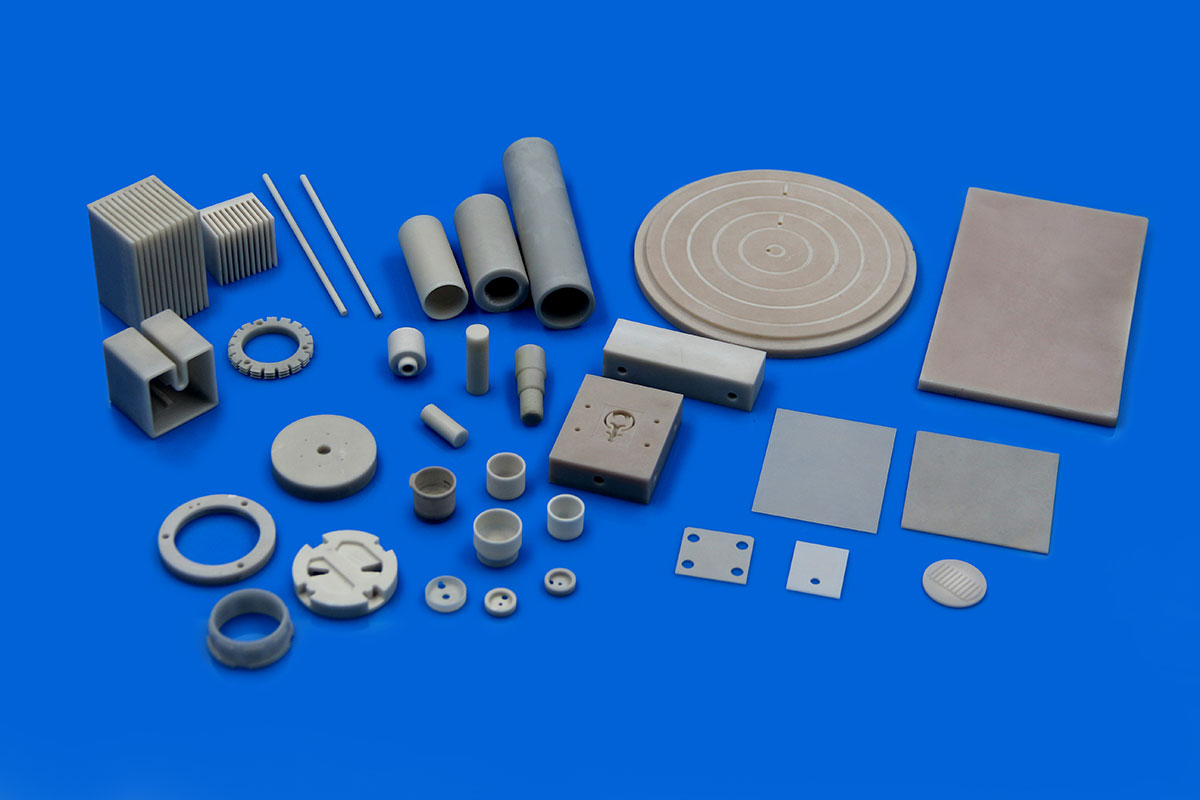
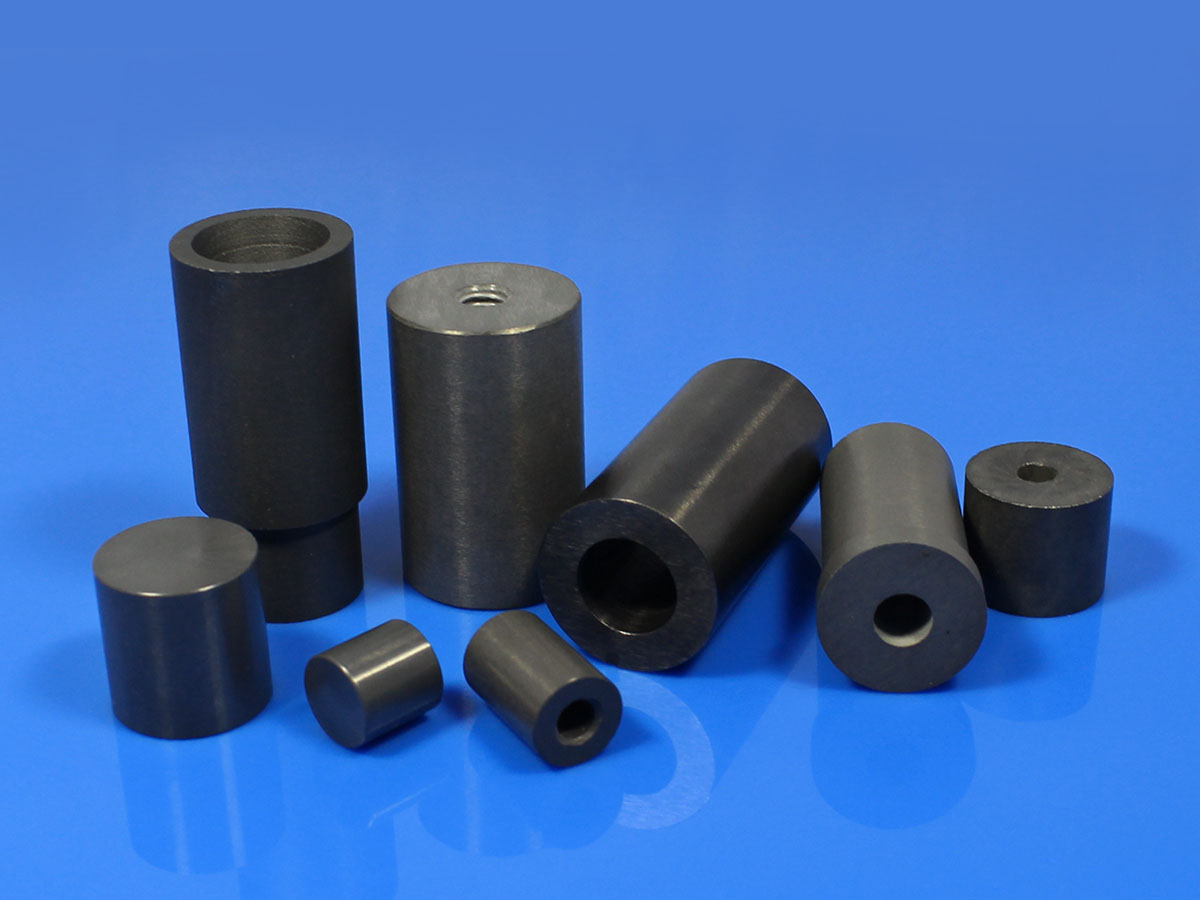
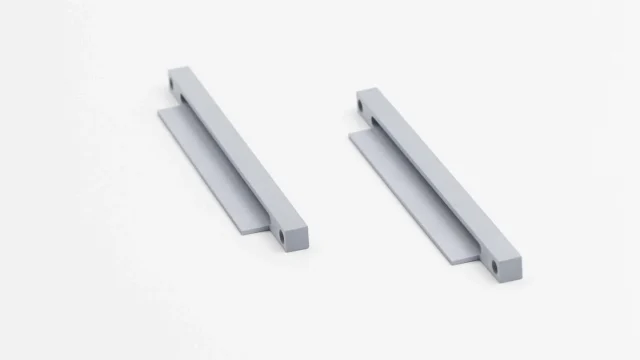
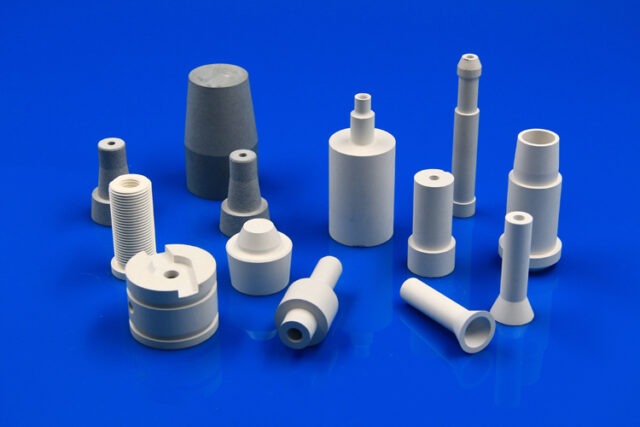
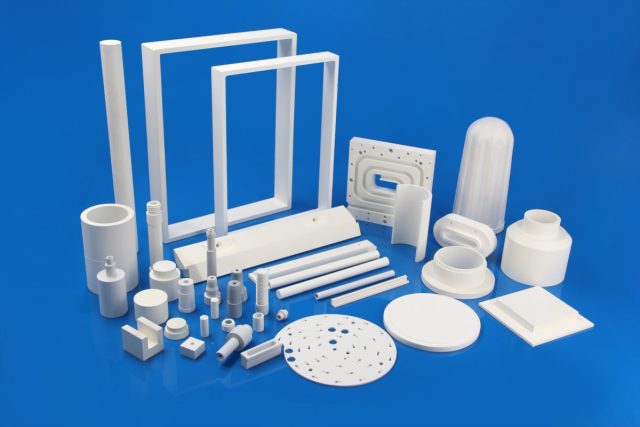
High-temperature fine ceramics are a class of advanced materials that maintain excellent performance in harsh high-temperature environments. They possess high temperature resistance, high hardness and strength, excellent chemical stability, unique thermal properties, and functional versatility, making them widely used in the harsh high-temperature environments of metallurgy and chemical engineering, machinery and automotive, and electronics and information technology. Innova’s high-temperature specialty ceramics encompass all the following oxide, carbide, nitride, and boride ceramic materials that can be used in high-temperature environments.
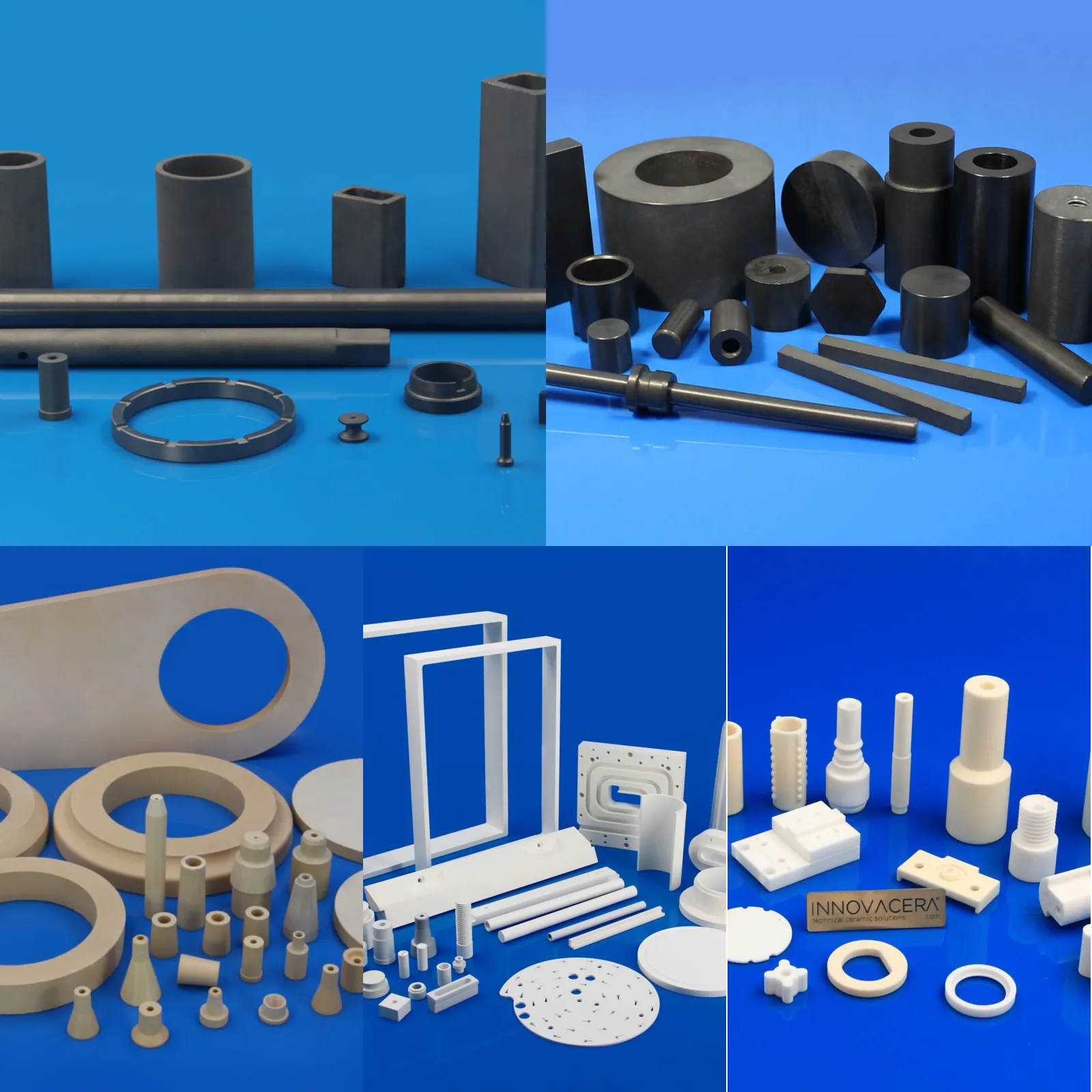
| Ceramic Types | Main Characteristics and Advantages | Typical Applications |
| Alumina Ceramics | – High melting point, excellent refractoriness – High hardness, excellent wear resistance – Chemically stable at high temperatures, low dielectric loss – Relatively low cost, good overall performance |
– Advanced refractory materials: high-temperature furnace tubes, crucibles – Wear-resistant parts: grinding balls, sealing rings |
| Zirconia Ceramics | – Extremely high melting point and hardness: melting point 2650–2715°C, Mohs hardness above 7.5 – Excellent strength and toughness: bending strength above 1000 MPa, fracture toughness ~6–8 MPa·m¹/² – Excellent chemical stability: no reaction with molten aluminum, iron, nickel and other metals above 1900°C – Low thermal conductivity and good thermal shock resistance |
– Metallurgical and refractory materials: continuous casting steel parts, ultra-high temperature furnace linings, smelting crucibles – Machinery and precision manufacturing: wear-resistant parts, cutting tools |
| Boron Nitride Ceramics | – High temperature resistance and oxidation resistance – Excellent thermal stability and chemical inertness, strong resistance to molten metal corrosion – Excellent dielectric and wave-transmission properties – Known as “white graphite”, soft and lubricating |
– Electrode insulation parts for vacuum high-temperature equipment – Metallurgical industry: separation rings for horizontal continuous casting – High-temperature insulation materials and heat dissipation substrates – Insulation parts for vacuum coating equipment – Insulation and heat dissipation components for semiconductor equipment |
| Silicon Nitride Ceramics | – Extremely high strength, known as the “all-around champion” of ceramics – High hardness, self-lubricating and wear-resistant – Excellent thermal shock resistance, withstands severe temperature changes – Corrosion resistant to almost all inorganic acids except hydrofluoric acid |
– High-temperature structural components: engine parts, turbine blades – Wear-resistant mechanical components: bearings, cutting tools, mechanical seal rings |
| Silicon Carbide Ceramics | – High strength at elevated temperatures and excellent creep resistance – High thermal conductivity and low thermal expansion coefficient – Outstanding thermal shock resistance – Extremely high hardness and wear resistance |
– High-temperature structural components such as engine parts – Wear-resistant and corrosion-resistant components |