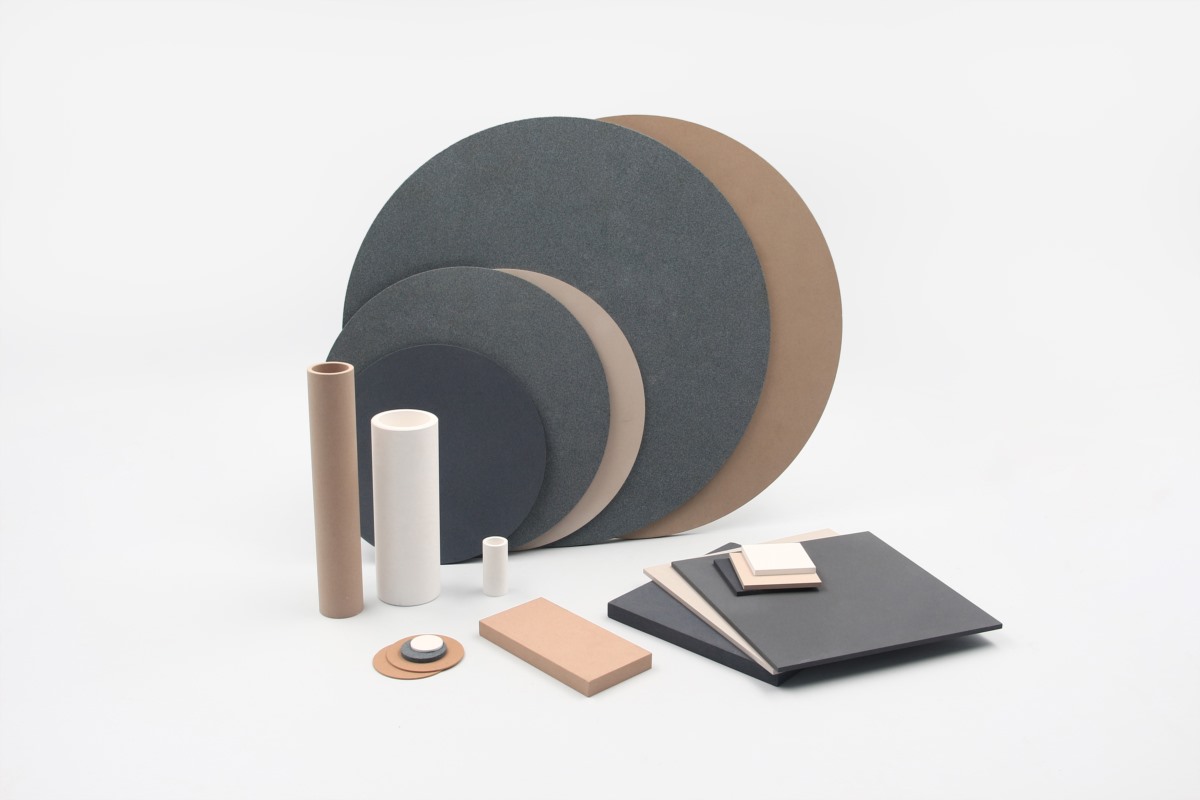
Silicon carbide ceramics possess outstanding characteristics such as low thermal expansion coefficient, high thermal-conductivity, good chemical stability, also excellent wear resistance. They are highly promising structural ceramics. When they are endowed with precisely controllable porous structures, the materials retain their original excellent properties while acquiring new functions such as high specific surface area and controllable permeability. As a result, their application fields have been significantly expanded.
I. Properties of Porous SiC Ceramics
1. Porosity Properties
① Porosity
Porosity refers to the percentage of the volume occupied by pores in a porous material relative to the total volume of the material (including three types of pores: open pores, semi-open pores, and closed pores). Research has shown that the performance of porous materials mainly depends on the porosity.
② Pore morphology
Pore morphology refers to the shape of the pores in a porous ceramic. When the pores are equiaxed, the overall performance of the material is isotropic; however, when the pores are in the form of strips or flat shapes, such as in the porous SiC ceramics prepared by sintering carbonized wood through a silicon infiltration reaction, the pore structure has a certain directional nature.
③ Pore size and distribution
Materials with pore diameters less than 2nm are classified as microporous materials, those with pore sizes ranging from 2 to 50nm are considered mesoporous materials, and those with pore sizes larger than 20nm are classified as macroporous materials. Properties significantly influenced by pore size and distribution include permeability, permeation rate, and filtration performance.
2 Mechanical Properties
The porous SiC ceramic material is highly brittle. Usually, the bending strength or compressive strength is used to characterize its mechanical properties. The porosity and the preparation method have a significant impact on the mechanical properties of the porous SiC ceramic.
3 Thermal Conductivity
The porosity and pore morphology have a significant impact on the thermal conductivity of porous ceramics. For porous ceramics with uniform pore distribution, as the porosity increases, the thermal conductivity gradually decreases. However, due to the significant differences in pore morphology among porous ceramic materials prepared by different processes, the heat transfer process becomes more variable and complex.
Filtering materials:
1 Filtration Materials
① High-temperature metal melt filtration
Apart from being used for filtering molten iron, porous SiC ceramic filters are also used for filtering aluminum liquid. BAO et al. studied the wettability of porous Al2O3 and porous SiC filters on aluminum liquid, and found that the SiC filter has better wettability with the aluminum liquid and can effectively improve the throughput efficiency of the aluminum liquid, which is beneficial for removing inclusions in the aluminum liquid.
② Gas filtration
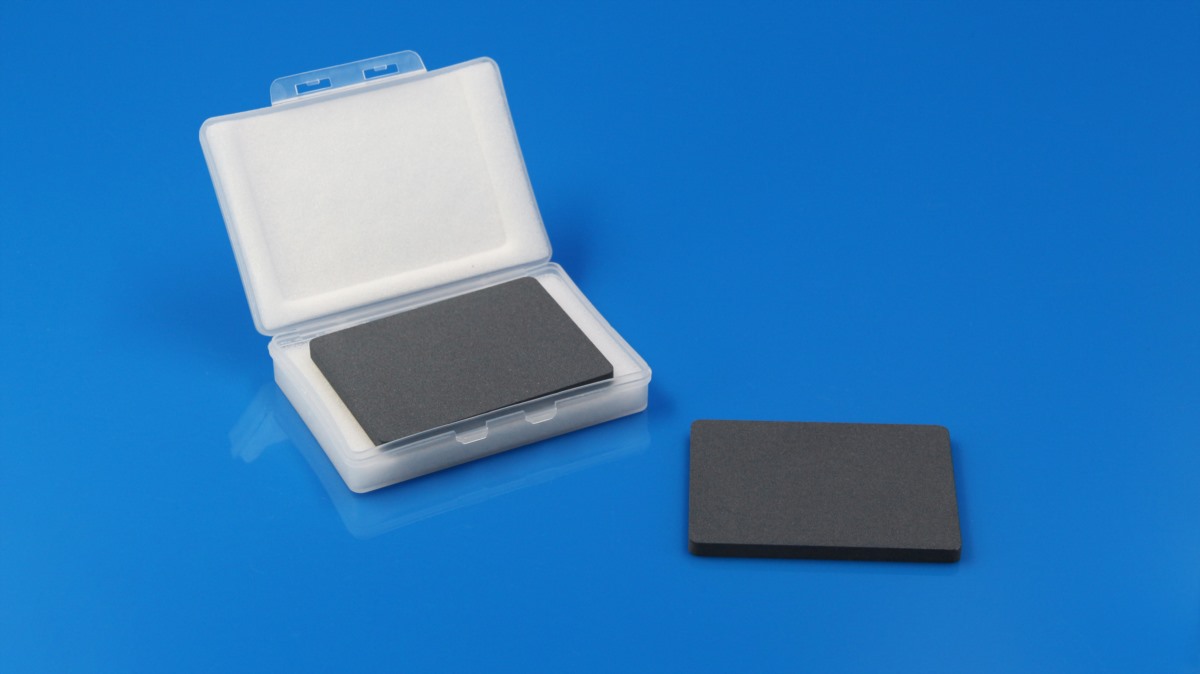
The advantages of gas filters made of porous ceramics are low exhaust resistance, convenient regeneration, and high filtration efficiency. Porous SiC ceramics have low pressure loss, heat resistance, thermal shock resistance, and high oil smoke collection efficiency, making them widely concerned in diesel engine oil smoke collection and filtration.
Catalyst carrier
The porous SiC ceramic has a high porosity, high thermal-conductivity, and excellent oxidation resistance and corrosion resistance. Its surface is uneven and contains a large number of pore . When used as a catalyst carrier, it can significantly increase the contact area between the two phases; its high thermal-conductivity can shorten the time for the catalyst to reach the activation temperature, thereby improving the reaction efficiency.
Sound Absorption and Microwave-Absorbing Materials
Porous SiC possesses interconnected open pore structures. When sound waves propagate inside, acoustic energy is continuously dissipated due to air viscosity and the material’s inherent damping characteristics, achieving sound absorption. Meanwhile, its favorable microwave absorption properties make it a promising wave-absorbing material.
Biomedical Materials
The porosity and pore size of porous ceramics can be adjusted according to requirements, even achieving interconnected pore structures. Combined with light weight, high strength, and good biocompatibility, these materials become ideal candidates for bone tissue substitutes.
Thermal Engineering Materials
As thermal insulation materials, porous SiC primarily utilizes closed pores to achieve efficient heat insulation. As heat exchangers, they leverage the large heat exchange area formed by high porosity while maintaining heat resistance, corrosion resistance, and non-contamination characteristics.