Advanced ceramic materials have become an indispensable foundation support in modern industry, and are widely applied in key fields such as semiconductor manufacturing, environmental engineering, new energy, and high-end equipment. Although microporous ceramics and porous ceramics have similar names and are often confused in practical applications, they have significant differences in their microstructure and applicable scenarios, and their functional focuses are also different.
For engineers and purchasing personnel, accurately identifying the differences between the two is an important basis for meeting the working conditions and achieving scientific material selection.
I. The Difference Between Micro-porous Ceramics and Porous Ceramics
The core differences between the two mainly lie in aspects such as aperture range, controllability of pore structure, and performance emphasis.
1. Microporous ceramics
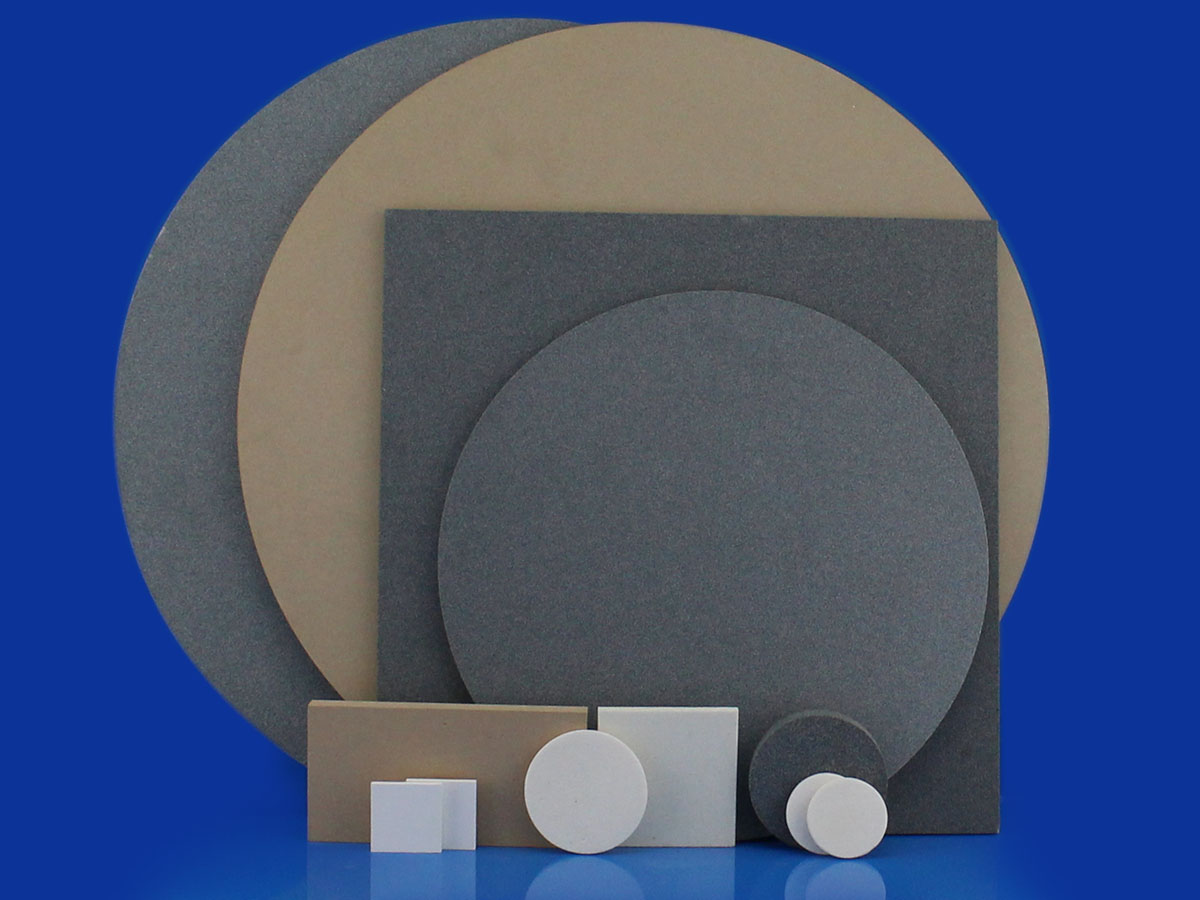
The pore diameters of microporous ceramics usually fall within the range of micrometers to sub-micrometers (referred to as “microporous structure” in engineering applications). This type of material relies on precise formulation design and sintering processes to achieve highly uniform and controllable pore structure distribution.
Its main features include:
- Uniform pore size distribution and regular structure
- Strong controllability of pore structure
- Suitable for functional scenarios such as precision filtration, gas diffusion, and capillary action
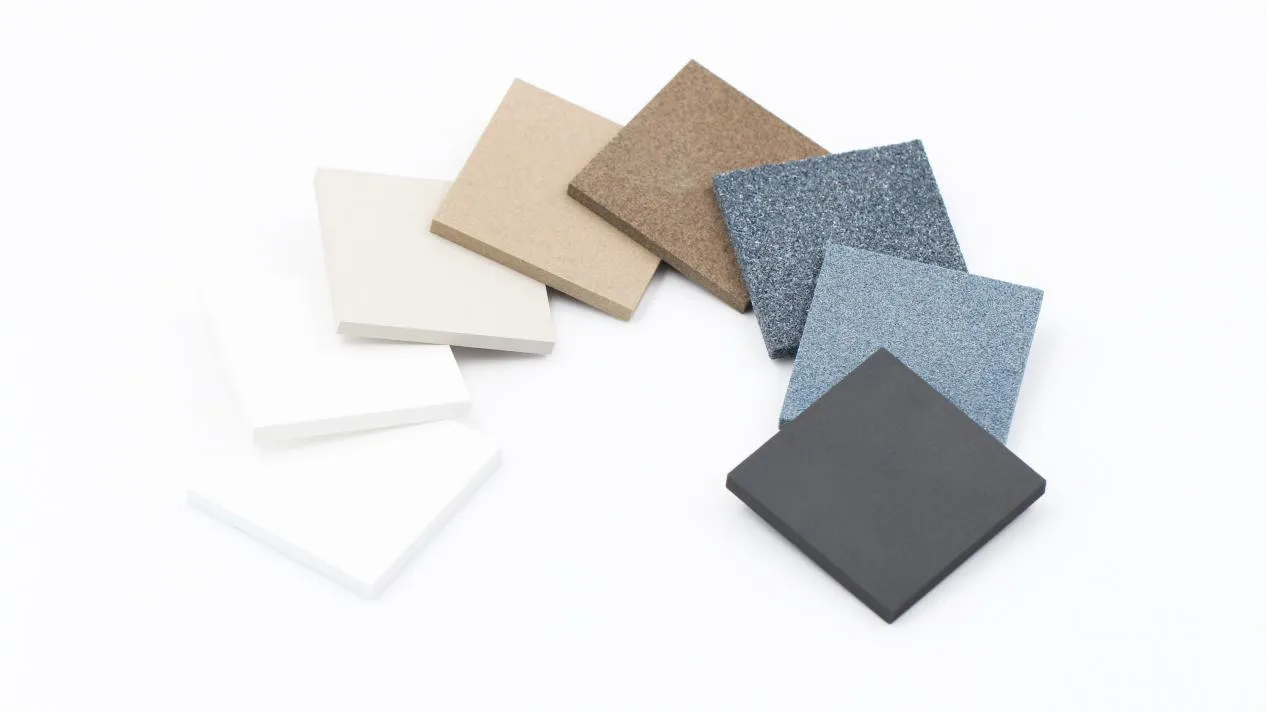
Furthermore, micro-porous ceramics with controllable surface roughness (such as Ra 0.4) have particularly outstanding performance in high cleanliness and precise fluid control applications.
2. Porous ceramics
Porous ceramics generally refer to ceramic materials with relatively large pore diameters (mostly macroscopic pore structures), whose pore structure is relatively irregular and the overall porosity is high.
Its main features include:
- The aperture range is wide, and the pore distribution is irregular.
- The porosity is high, and the permeability is strong.
- It places greater emphasis on mechanical strength and high-temperature resistance.
Compared with microporous ceramics, porous ceramics place more emphasis on overall flux and structural performance rather than precise control of pore size.
3. Differences in Preparation Process
From a manufacturing perspective, there are significant differences in the process routes for these two types of materials:
Microporous ceramics: Usually require more precise control of molding and sintering to achieve strict pore size distribution and consistency.
Porous ceramics: Typically are prepared using methods such as foaming, pore-forming agent method, or partial sintering method. The process is mature and the cost is relatively low.
II. Differences in Application Scenarios
Due to the differences in structural characteristics, there are significant distinctions in the application directions of microporous ceramics and porous ceramics in industry.
1. Typical applications of microporous ceramics
Microporous ceramics are suitable for scenarios that require high precision and stability. They mainly include:
- Precise filtration systems (for liquids and gases)
- Key functional components in semiconductor equipment
- Fuel cells and gas diffusion layers
- Medical filtration and sterilization devices
These applications typically emphasize filtration accuracy, fluid control capabilities, and long-term stability.
2. Typical Applications of Porous Ceramics
Porous ceramics are more suitable for high-temperature environments and high-flow conditions, such as:
- High-temperature insulation and heat preservation materials (e.g., industrial furnace linings)
- Catalyst carriers in the chemical and environmental protection fields
- Melt metal filtration
- Sound absorption and noise reduction, as well as lightweight structural components
These applications place greater emphasis on the structural stability, heat resistance, and overall permeability of the material.
III. Suggestions for Selecting Materials
In actual engineering applications, the corresponding materials can be selected according to the requirements:
When there are demands for precise filtration, controllable permeation and high-precision fluid management, it is recommended to preferentially use microporous ceramics;
For scenarios that mainly require heat insulation, structural support or large flow rate circulation, porous ceramics have a higher cost-performance ratio and are more durable.
IV. Summary
Although both microporous ceramics and porous ceramics belong to the category of porous structure ceramics, the differences in pore structure, performance characteristics and practical application directions are quite obvious.
A thorough understanding of these differences will enable more precise material selection, which not only improves the operational efficiency of the entire system but also helps to better control costs and ensure the usage effect over the long term.
If you need customized solutions for microporous ceramics or porous ceramics, please feel free to contact us via email: sales@innovacera.com.