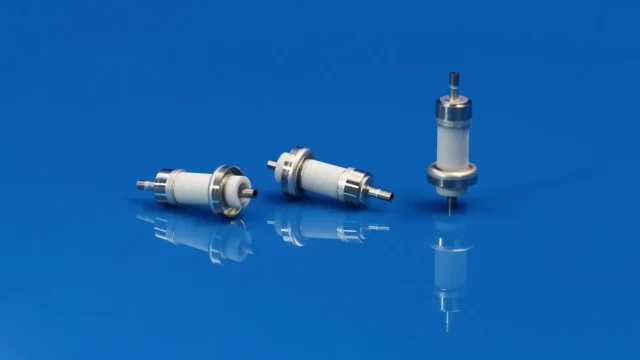
Why Use Ceramic-to-Metal Sealing? Advanced Solutions for Glass Substrate Chips
You hear a lot of noise lately about glass substrates taking over the advanced semiconductor packaging industry, which makes perfect sense when you consider how incredibly flat they are for routing those impossibly tiny signals in modern AI chips. People often ask me if this massive shift toward glass cores means that the old reliable sealing methods are suddenly becoming obsolete in the face of new technology. Actually, putting an expensive and highly sensitive chip on a beautiful glass substrate makes the physical outer protection of that component even more critical than before.
Why do glass substrate chips require ceramic-to-metal sealing?
While a glass substrate acts as the ultra-smooth internal highway system for data routing within an advanced semiconductor, it absolutely requires ceramic-to-metal sealing to provide the heavy-duty external vault that stops moisture and air from ruining that delicate internal setup.
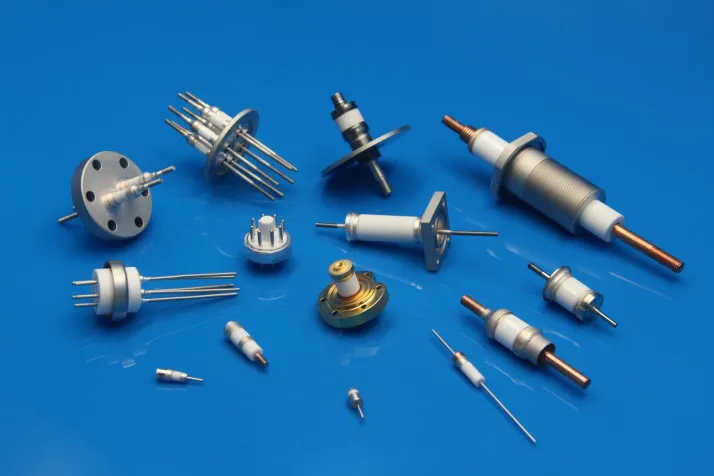
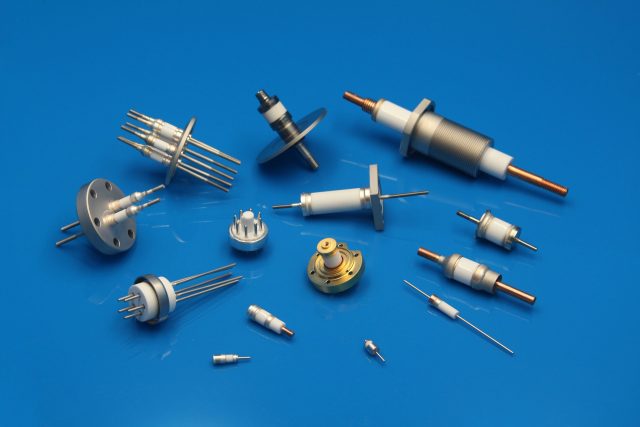
Specifically, these technologies work together in a few critical ways:
1. Thermal matching: Both the internal glass and the external ceramic must perfectly align with the thermal expansion of the metal pins to avoid cracking when things get hot.
2. Hermetic protection: High-performance chips mounted on glass substrates demand vacuum-tight spaces that only true hermetic seals can reliably maintain over a long lifespan.
3. Environmental survival: The rugged outer ceramic housing absorbs the actual mechanical stress and high pressures so the fragile glass core never has to deal with the outside world.
If you look at the whole picture of an electronic component working out in the field, you will quickly understand why these two distinct concepts do not compete with each other but actually belong in the exact same room. A glass substrate gives you incredible electrical performance with practically zero signal loss, which is exactly what data centers and advanced sensors need right now to push the boundaries of computing. But once you build that amazing brain, you still have to plug it into the messy, hot, and unpredictable outside world without breaking it.
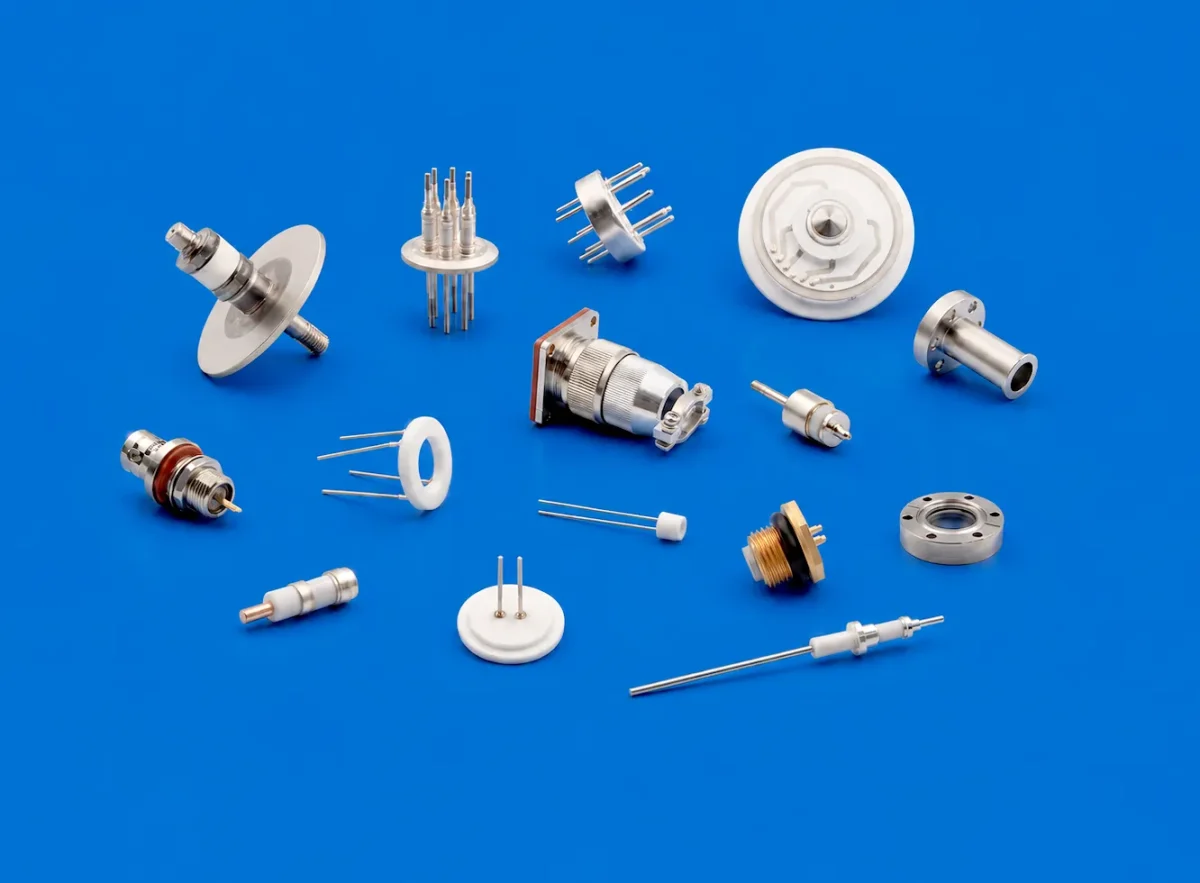
Based on my experience dealing with high-voltage feedthroughs and sensor housings here at Innovacera, carefully matching the Coefficient of Thermal Expansion between our high-purity alumina and the Kovar alloy pins is the only reliable way to prevent those microscopic stress fractures from forming over years of heavy use. The protection must be absolute. You can have the fastest and most technologically advanced glass substrate in the world sitting quietly inside your device, but if the outer shell lets in even a microscopic drop of moisture during a sudden temperature shift, the entire expensive package simply fails.
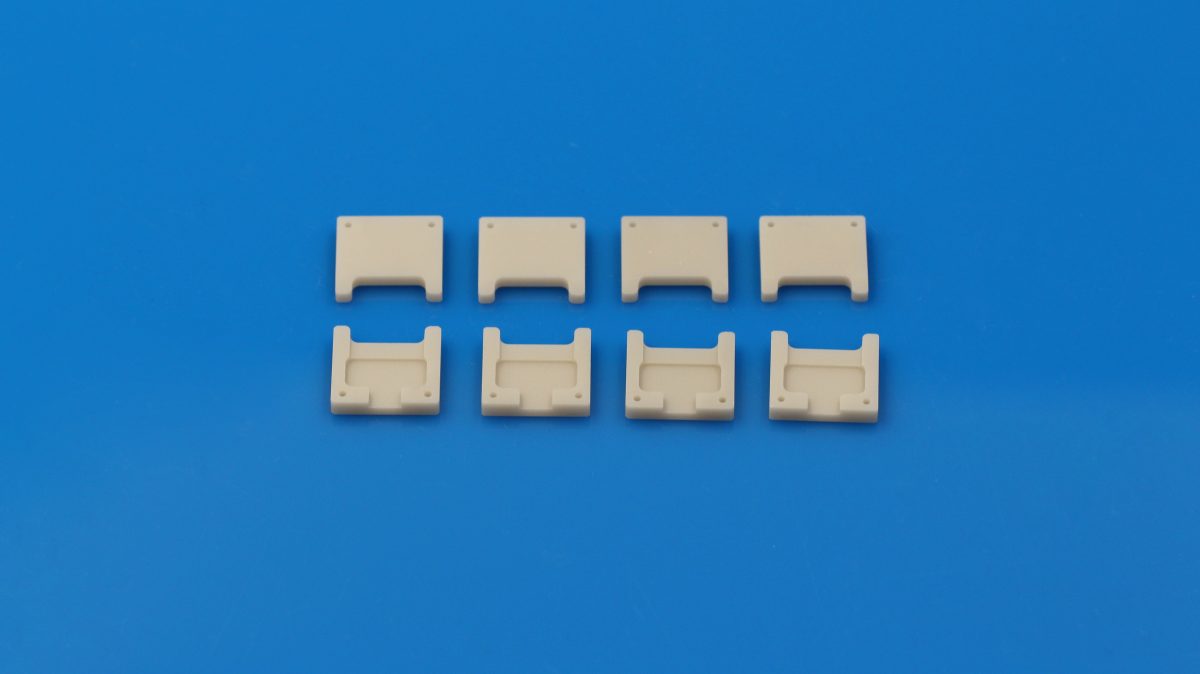
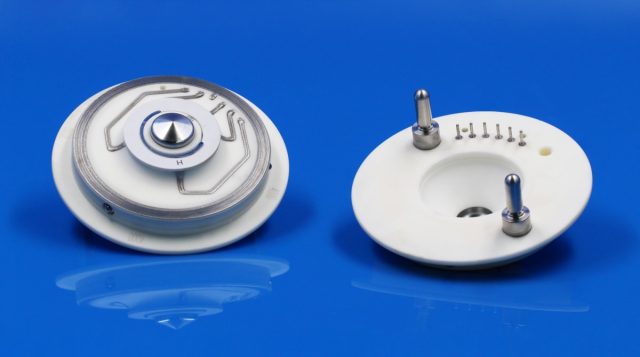
We spend a massive amount of time making sure that the transition from ceramic to metal is completely flawless because high-end electronics simply cannot afford unpredictable leaks when deployed in the field. Since every advanced chip architecture brings its own unique physical dimensions, standard off-the-shelf parts rarely work. This is exactly why we support custom manufacturing to engineer a hermetic package that perfectly matches the exact geometry of your specific device. When you use precise brazing techniques to join the ceramic and metal parts, you get a solid, dependable package that can easily withstand harsh environments and temperatures well over 500 degrees Celsius while maintaining a perfectly vacuum-tight space inside.
We usually measure this hermeticity down to extremely strict levels, which is really just our technical way of ensuring that absolutely nothing is getting through our barrier to harm the sensitive electronics inside. So, while the brilliant engineers over in the semiconductor labs keep making the internal glass substrates thinner and faster, we will keep focusing our energy on building the impenetrable ceramic and metal walls that keep all those amazing innovations completely safe from the elements.