What is Mo-Mn Metallization?
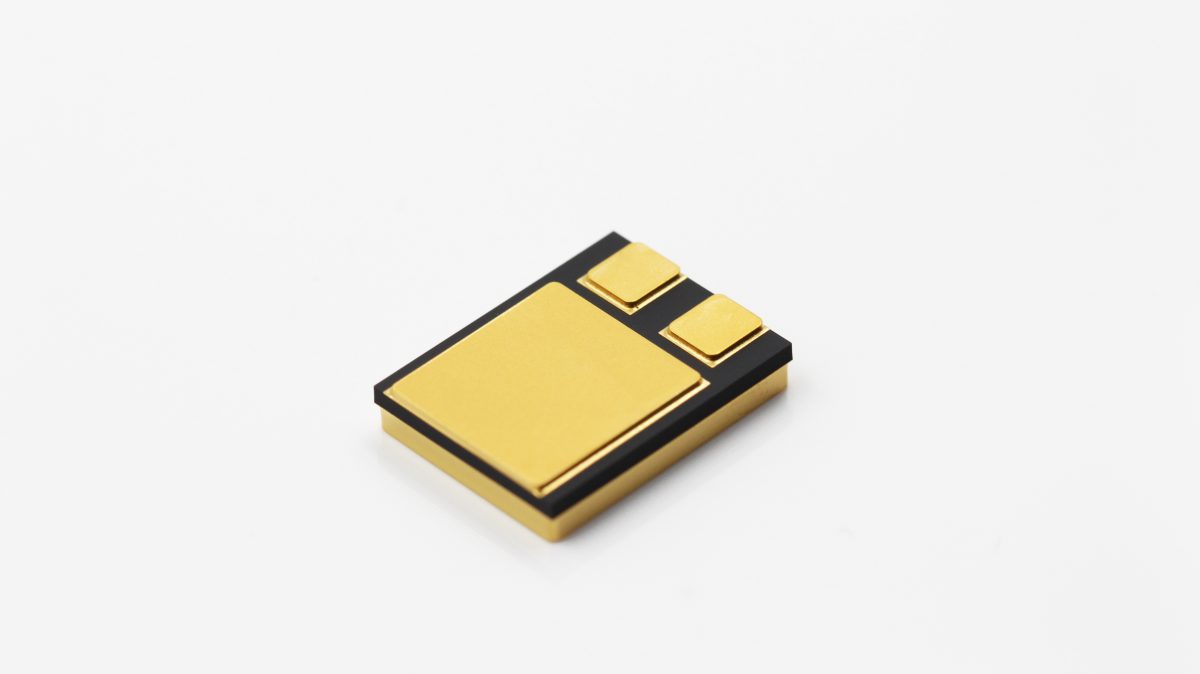
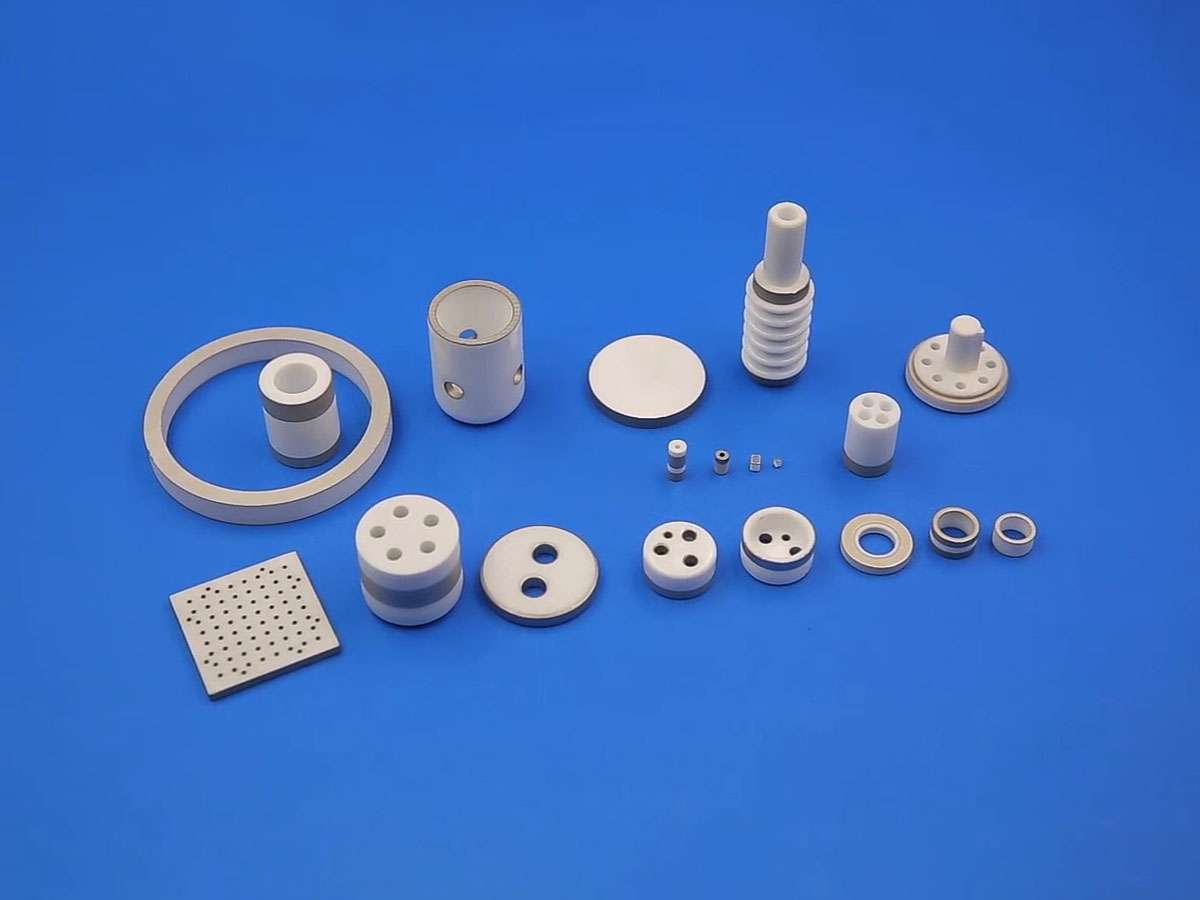
The metalized layer is obtained by adding a small amount of MoMn powder and coating it on the surface of the ceramic body with a binder and sintering at high temperatures.
Features:
1) High-intensity sealing, high air-tightness, high reliability, good heat resistance
2) Excellent insulation performance and high temperature resistance
3) Good mechanical, electrical, and thermal conductivity
4) Great bonding strength
5) Widely used for all electric products and electric heating products
These metalized ceramics are ideal for high voltage, high vacuum, and high pressure applications.
So far the most widely-used and effective method for creating a leak-tight, robust joint between ceramic and metal is by brazing. A thin layer of metal deposited on a ceramic part enables brazing between ceramic and metal part that has a different coefficient of thermal expansion.
A layer of Molybdenum-Manganese is deposited with a typical thickness of 8 to 30 µm after sintering.
The metalized surface receives a secondary coating of nickel to seal and improve wettability for later brazing.
Applications:
Electrical transmission and distribution
Electronics industry
Textile machinery
Medical electronics
Automobile industry
Sealing
Solid Oxide Fuel Cells
High temperature application
We can supply the products according to the customer’s drawings, samples, and performance requirements.