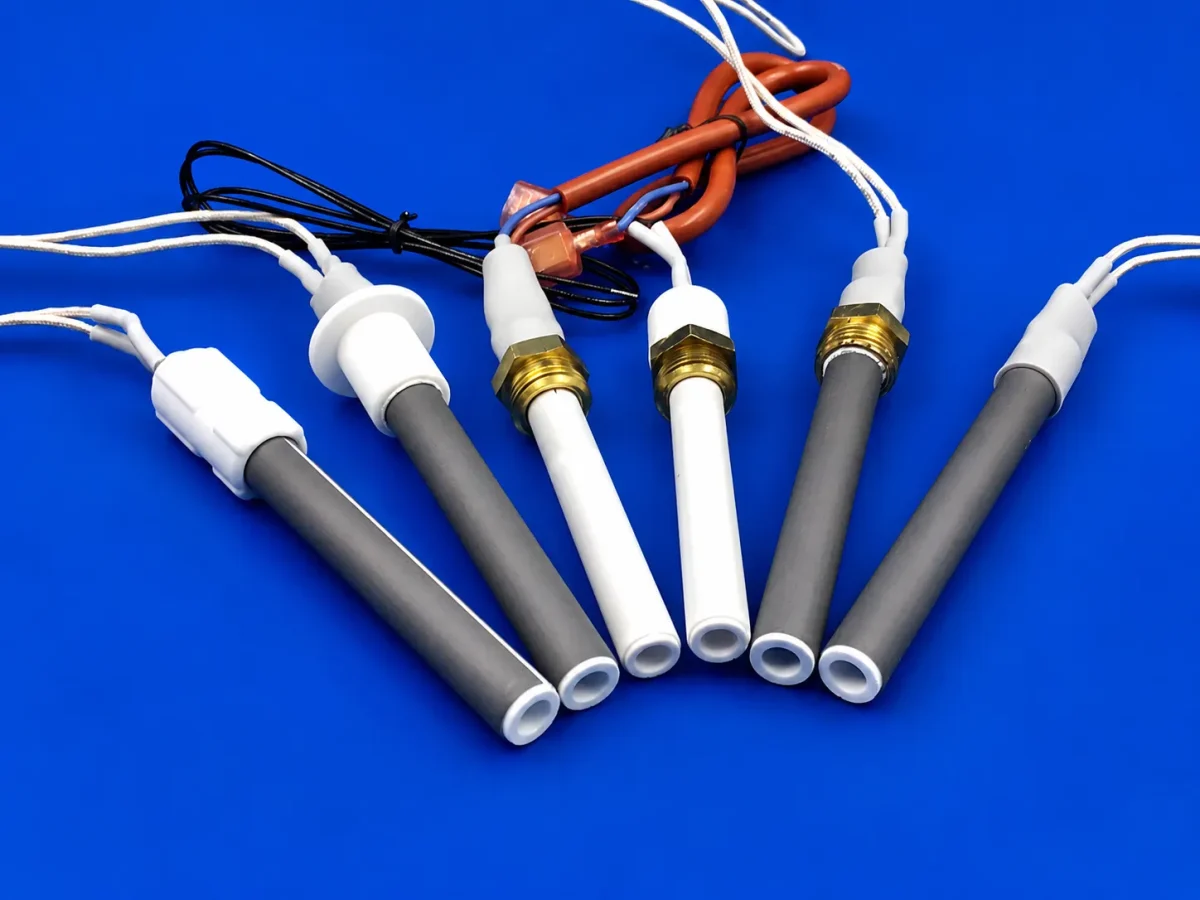
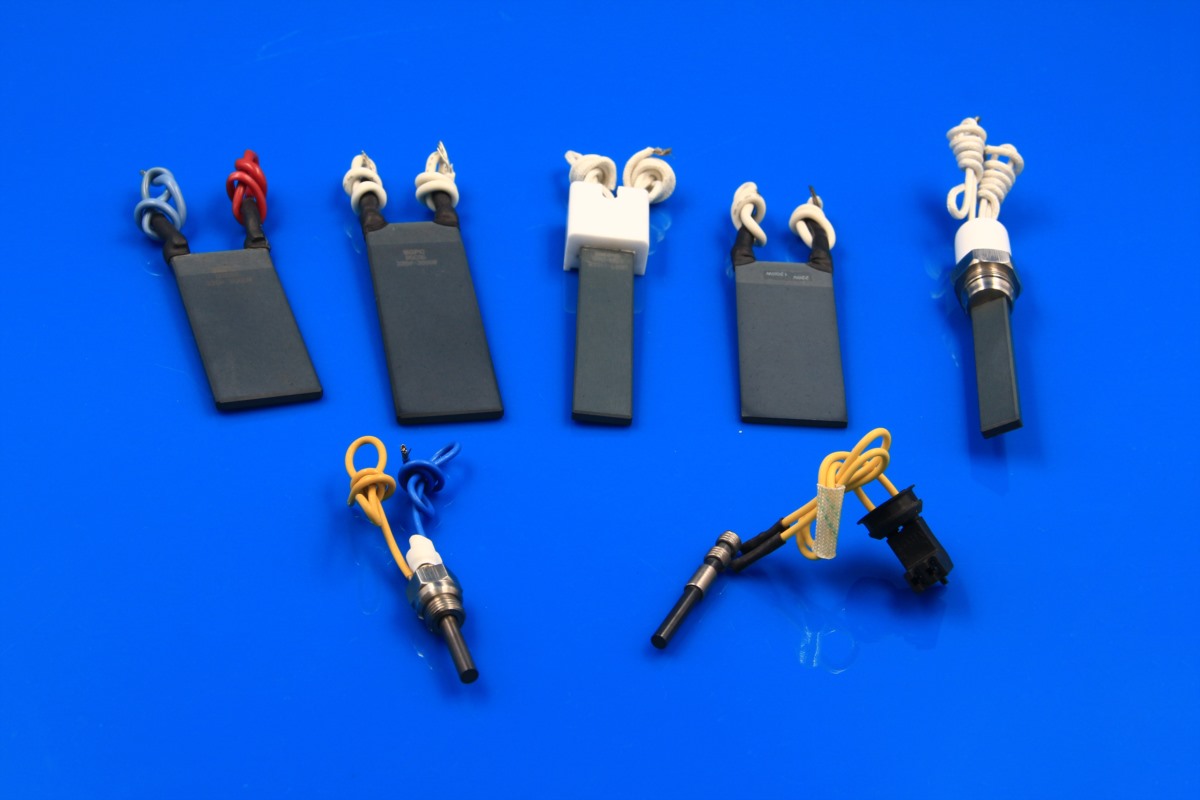
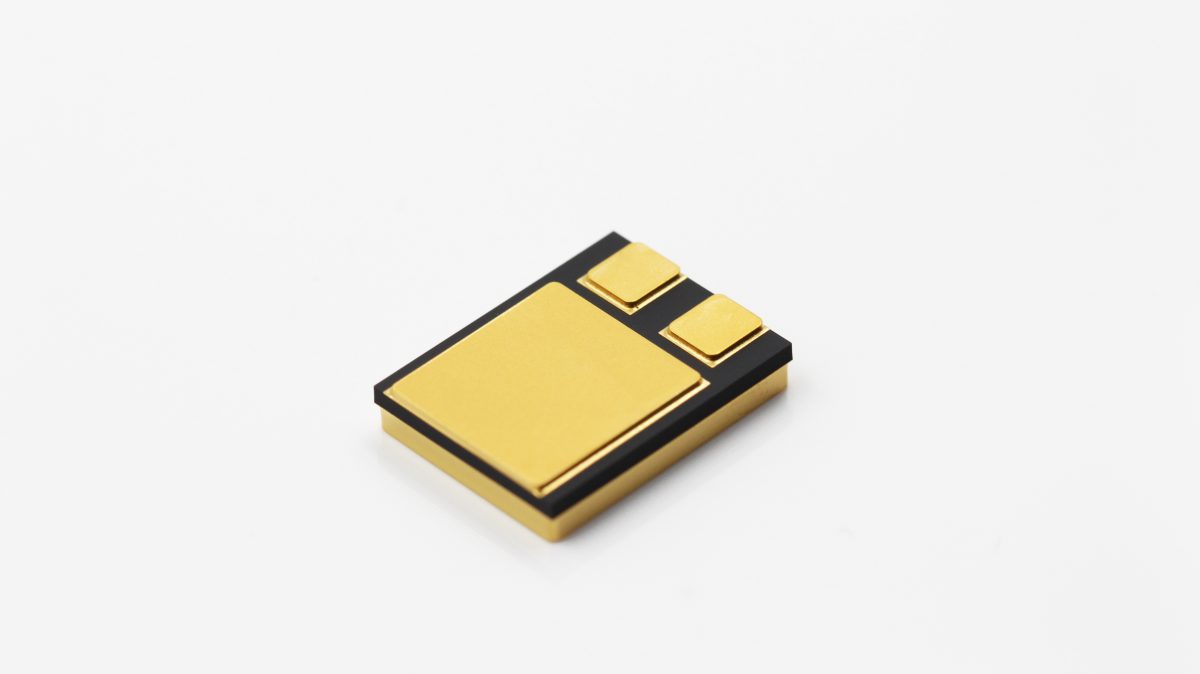
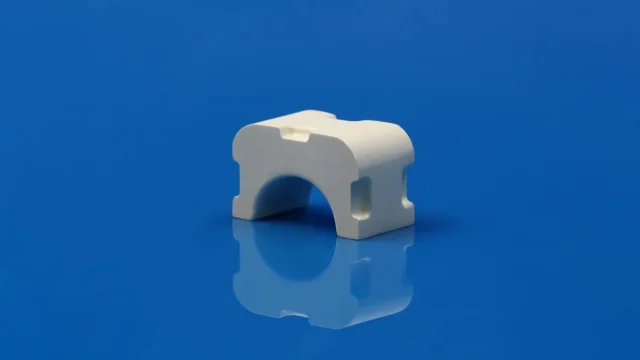
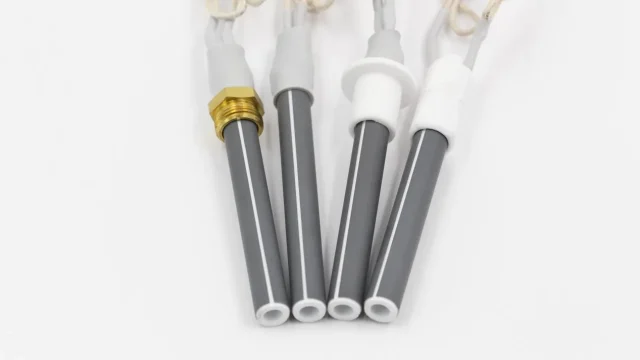
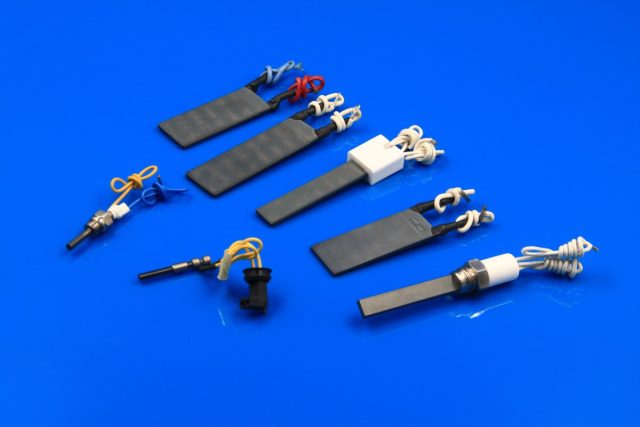
Boilers, as core thermal energy equipment in industrial and commercial applications, place extremely high demands on the stability, durability, and safety of their ignition systems. Compared to traditional metal ignition pins, silicon nitride hot surface igniters demonstrate irreplaceable advantages in boiler applications. A detailed comparison is as follows:
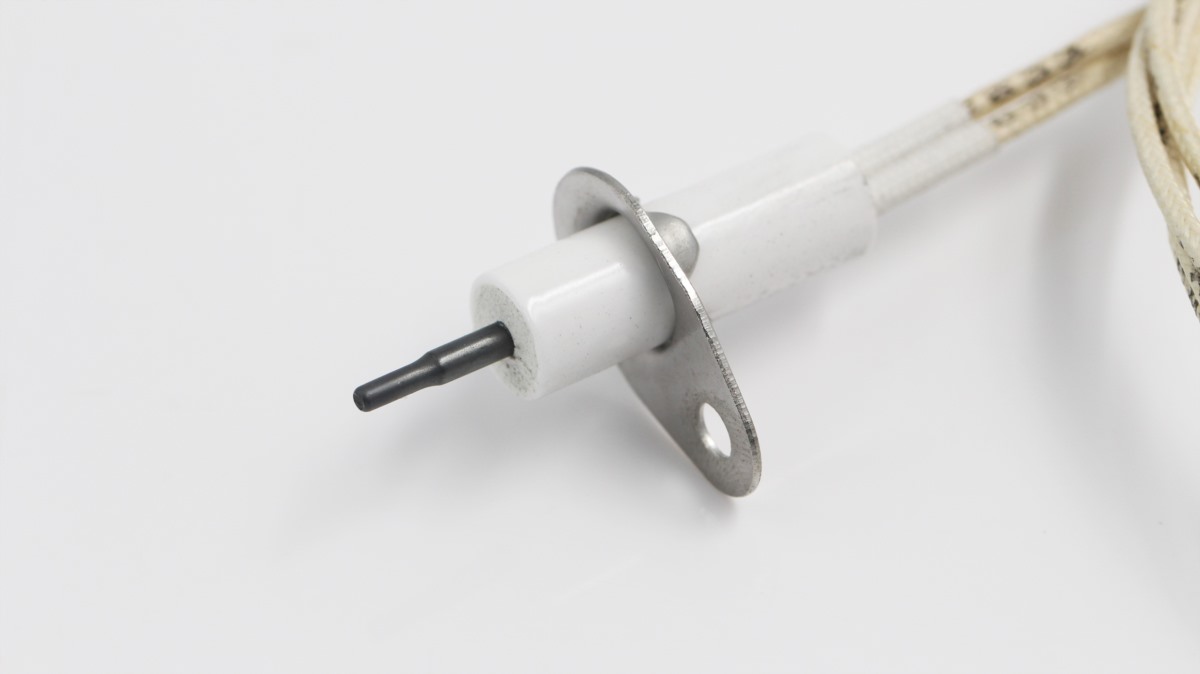
| Comparison Dimension | Traditional metal ignition pins (such as stainless steel, brass) | Silicon nitride hot surface igniter | Core advantages |
| Temperature resistance and thermal shock resistance | Long-term temperature resistance ≤ 600℃, prone to cracking and deformation due to sudden cooling and heating | Long-term temperature resistance ≥1300℃, excellent thermal shock stability, no cracking risk | Adapt to the high temperature flue gas environment of the boiler to avoid frequent damage to ignition components |
| Anti-corrosion and anti-scaling capabilities | Susceptible to flue gas corrosion and rust, boiler scale easily adheres and causes ignition failure | Strong chemical inertness, no corrosion, no scaling, long-lasting and stable ignition performance | Reduce boiler shutdown times for maintenance and lower operation and maintenance costs |
| Ignition success rate and environmental adaptability | Affected by humidity, dust, and gas concentration, it is easy to fail to start at low temperatures | Not affected by environmental factors, the ignition success rate is nearly 100% in environments from -40℃ to high temperature | Ensure boiler starts at low temperatures in winter and operates stably under high dust conditions |
| Service life and replacement frequency | The service life is about 2000-3000 hours, and it needs to be replaced every 3-6 months on average. | Service life 8000-12000 hours, replacement every 2-3 years | Reduce downtime for replacement and reduce spare parts procurement costs |
| Safety and energy consumption | Relying on high-voltage electric sparks, there is a risk of gas leakage and explosion; high-voltage modules have high energy consumption | No high-voltage electric sparks, higher safety; low working power, energy consumption saved by 30% | Improve boiler operation safety and save electricity consumption in long-term use |
Taking industrial gas boilers as an example, after a chemical plant replaced traditional ignition needles with silicon nitride hot surface igniters, the boiler startup success rate increased from 85% to 100%, and the replacement frequency of ignition components was extended from once every four months to once every two years, reducing downtime for maintenance by approximately 12 hours each year and reducing overall operation and maintenance costs by more than 40%. At the same time, the safety hazards caused by corrosion and leakage of traditional ignition needles were completely resolved.
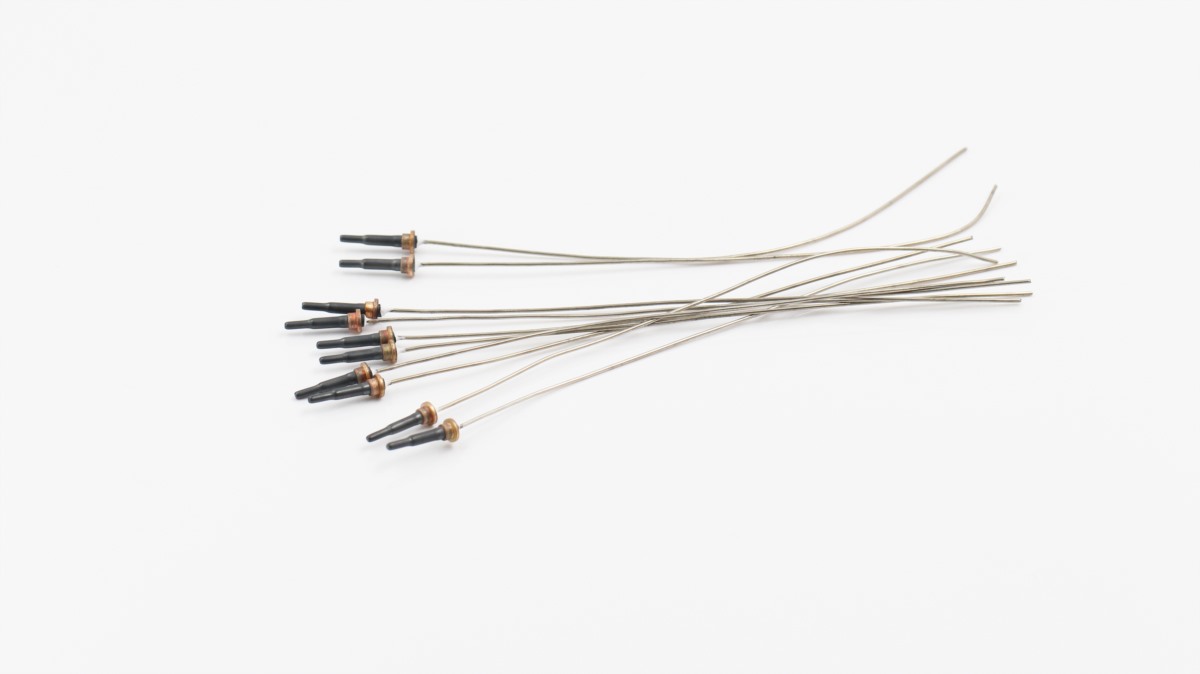
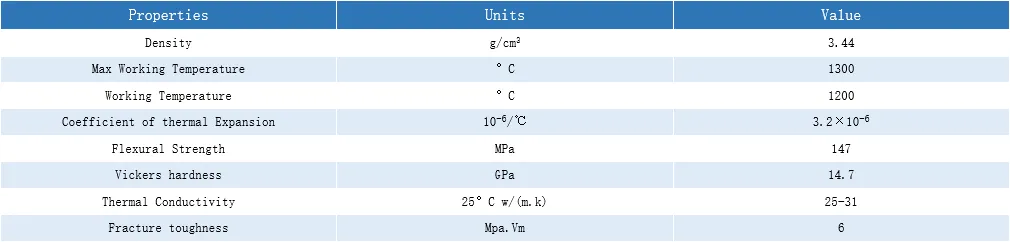
The performance data of the silicon nitride igniter is as follows:
In summary, as boilers increasingly demand higher reliability, safety, and lower maintenance costs, silicon nitride hot surface igniters have emerged as a superior alternative to traditional metal ignition pins. Owing to their outstanding high-temperature resistance, excellent thermal shock stability, strong corrosion and scaling resistance, and significantly extended service life, silicon nitride igniters demonstrate clear advantages in modern boiler ignition systems.