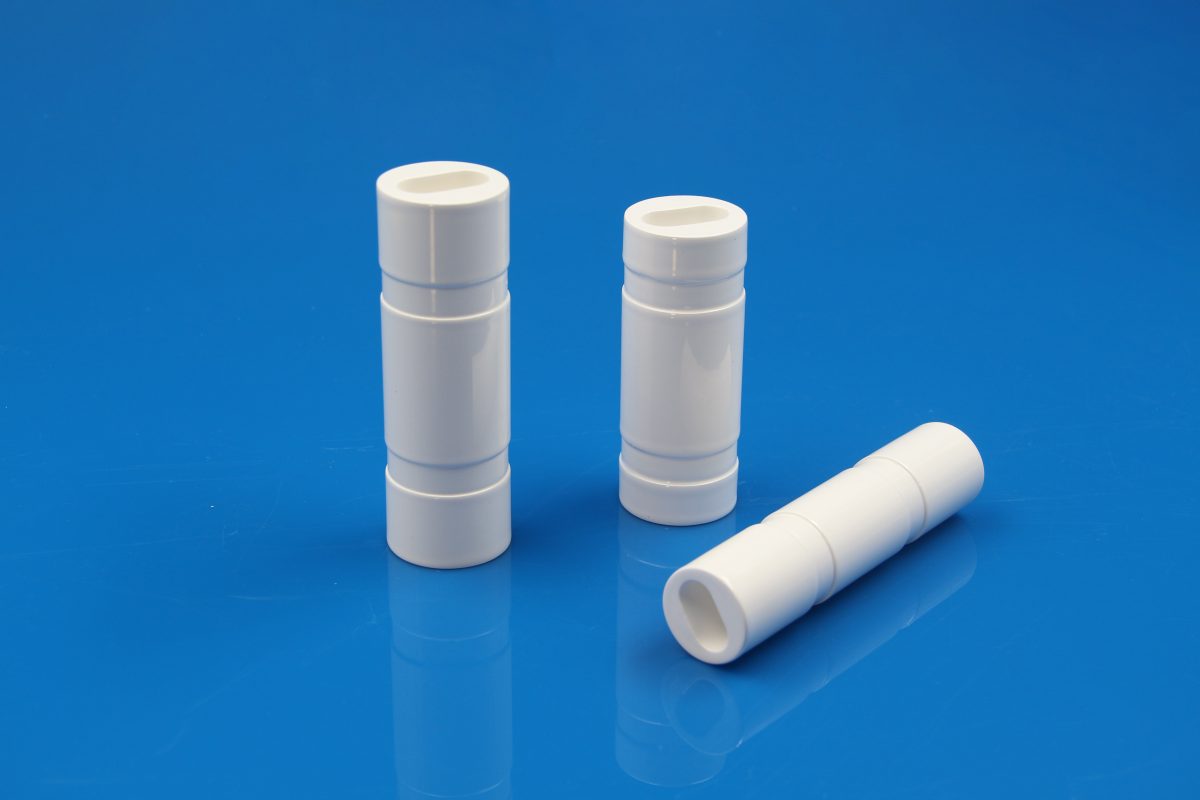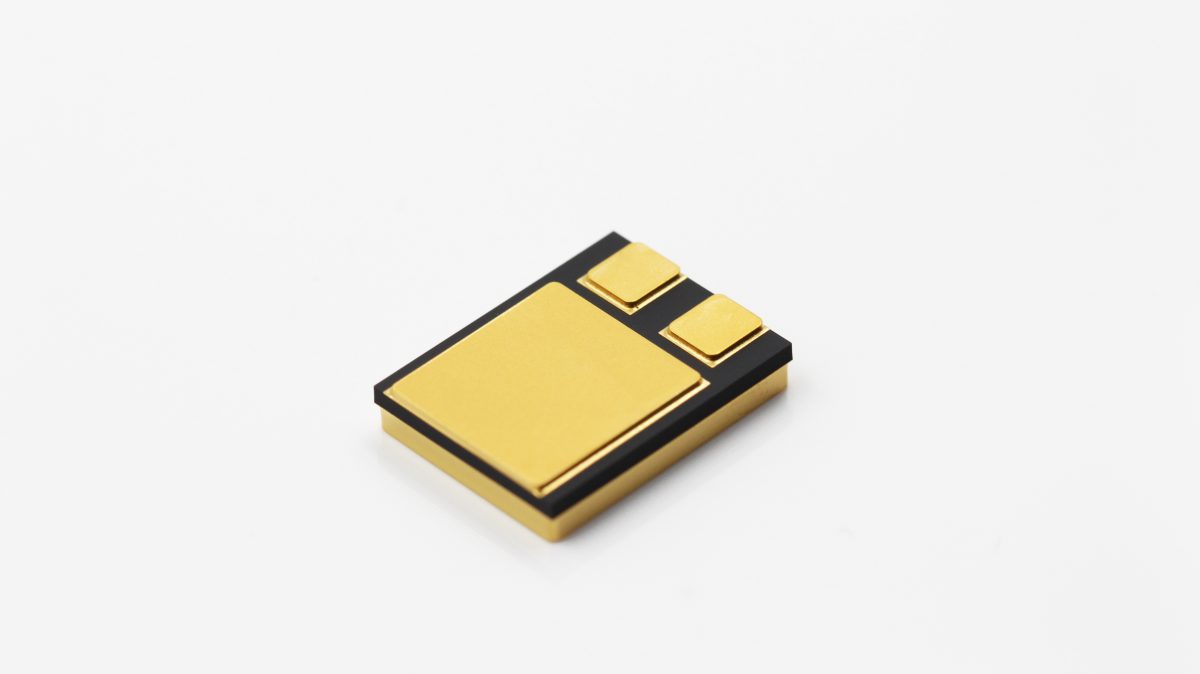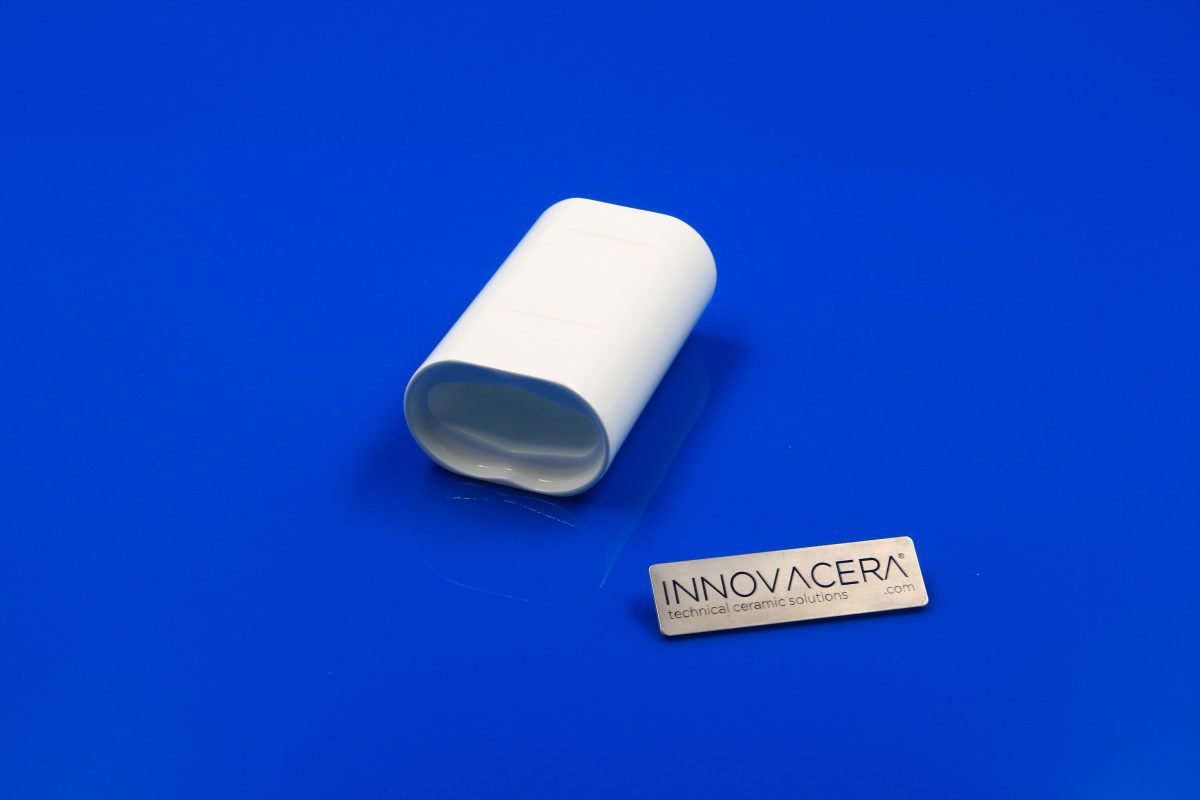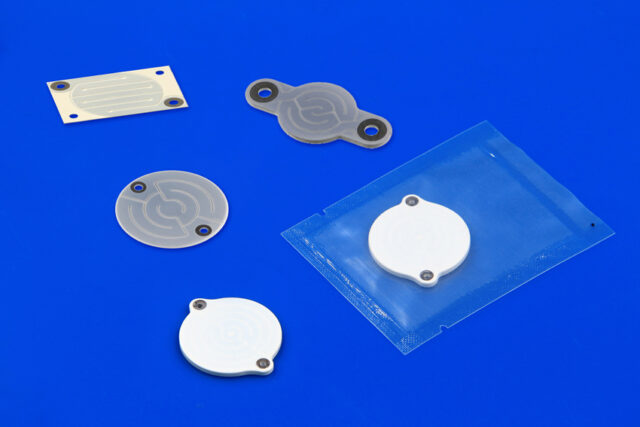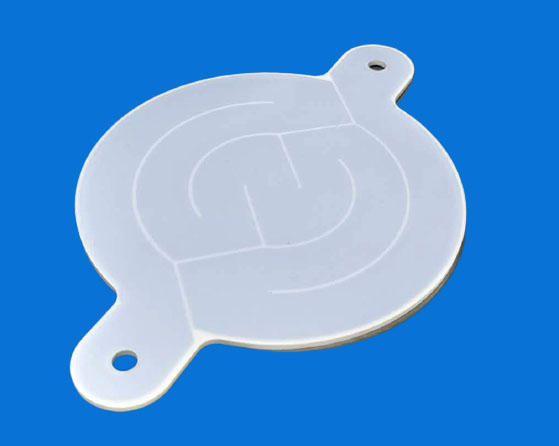
Pyrolytic graphite (PG) is placed on the surface of PBN plates by the CVD method as a conductor and heater. And the PG heating element could be covered by PBN again. As both PG and PBN are extremely pure (99.99% or even higher) and very stable in a vacuum or inert atmosphere, the PBN-PG heating element could be very durable and keep the chamber clean. It could be heated to ultra-high 1600°C for a very short time without emission of any gas component. These heating elements are ideal products for the semiconductor industry and applications that require high temperature, high vacuum, and high purity.
PBN/PG Heater Advantages:
1. PBN composite heating element has an operating temperature of up to 1600°C.
2. High mechanical durability and dimensional stability.
3. High thermal shock resistance.
4. PBN layer provides electrical insulation.
5. Eliminate outgassing and contaminations.
6. Thermal gradients can be tailored.
7. Chemically inert to almost all metals, liquids, and gas.
8. Large variety of PG heater and PGN heater shapes is available.