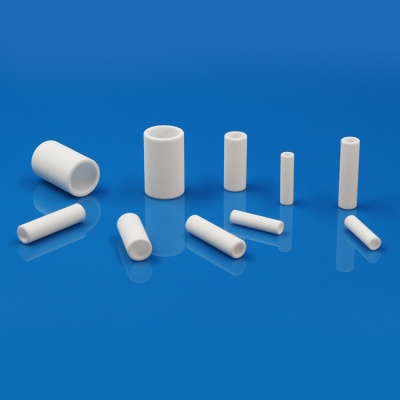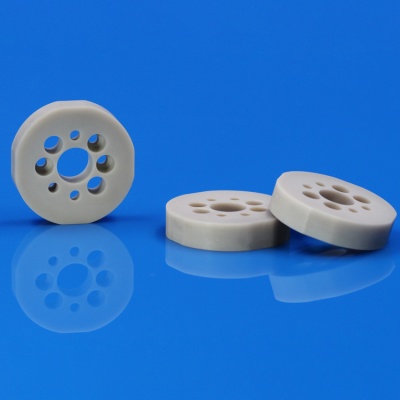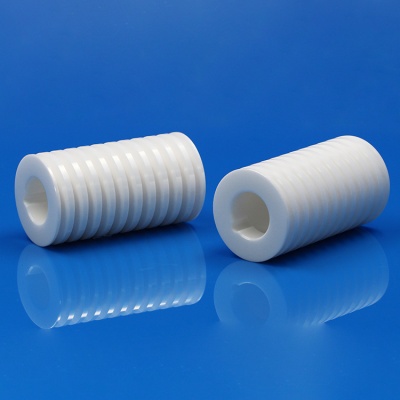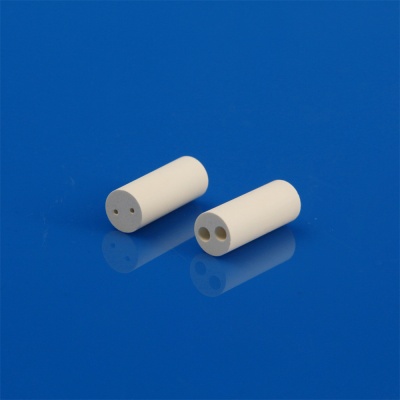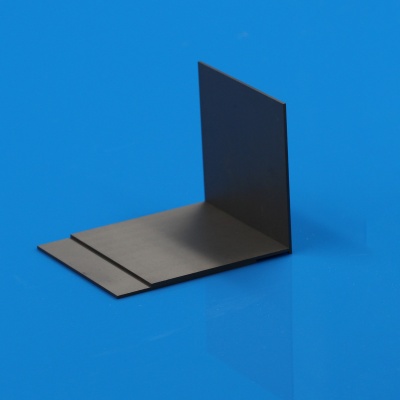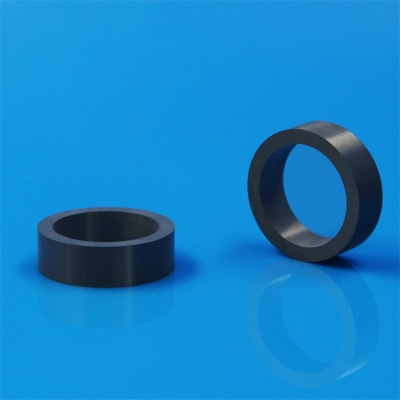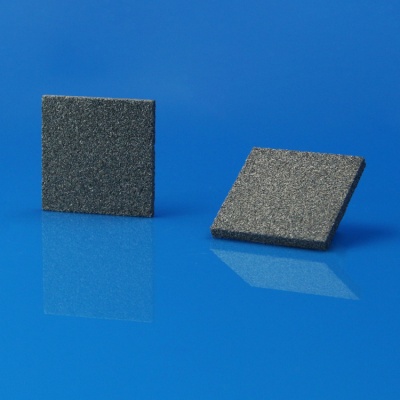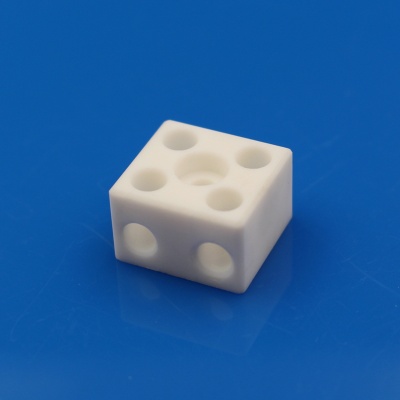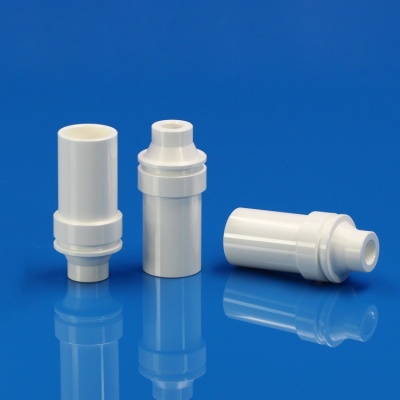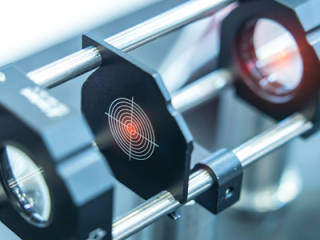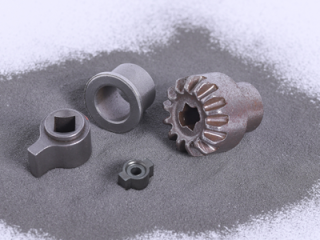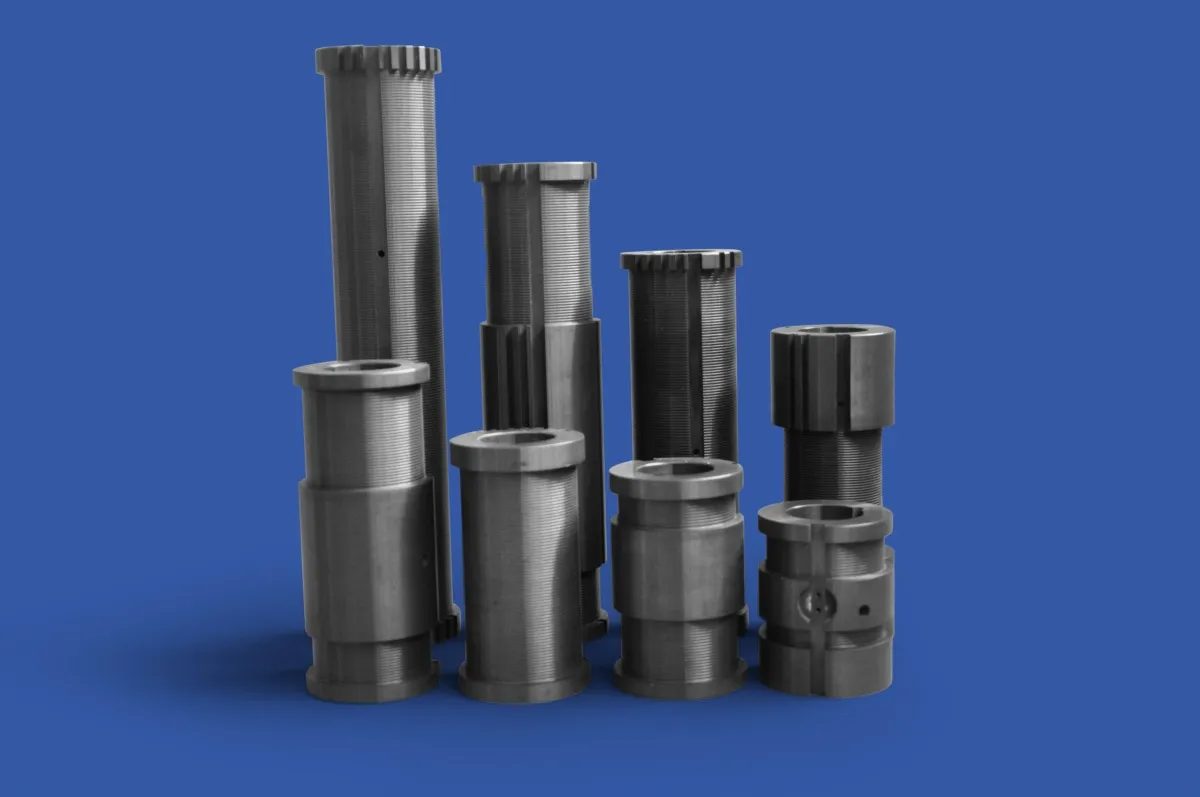
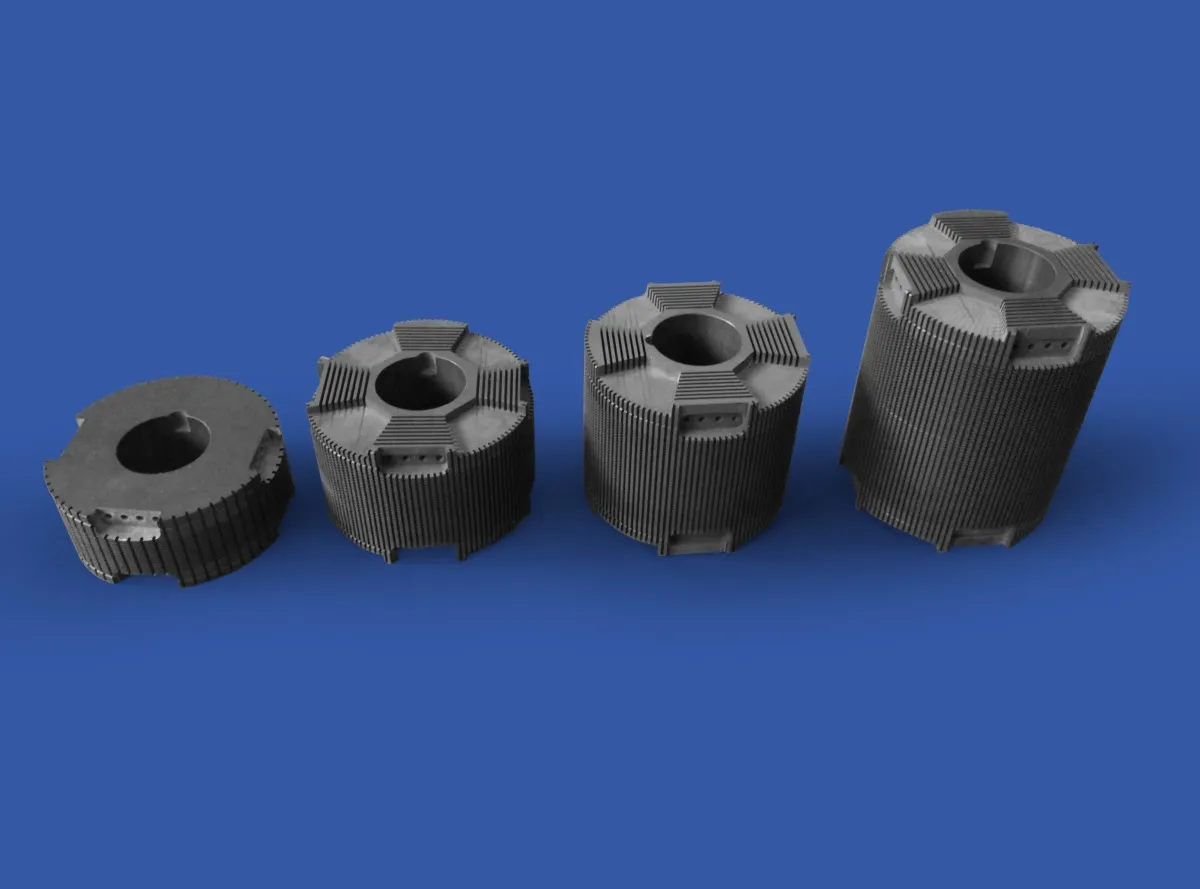
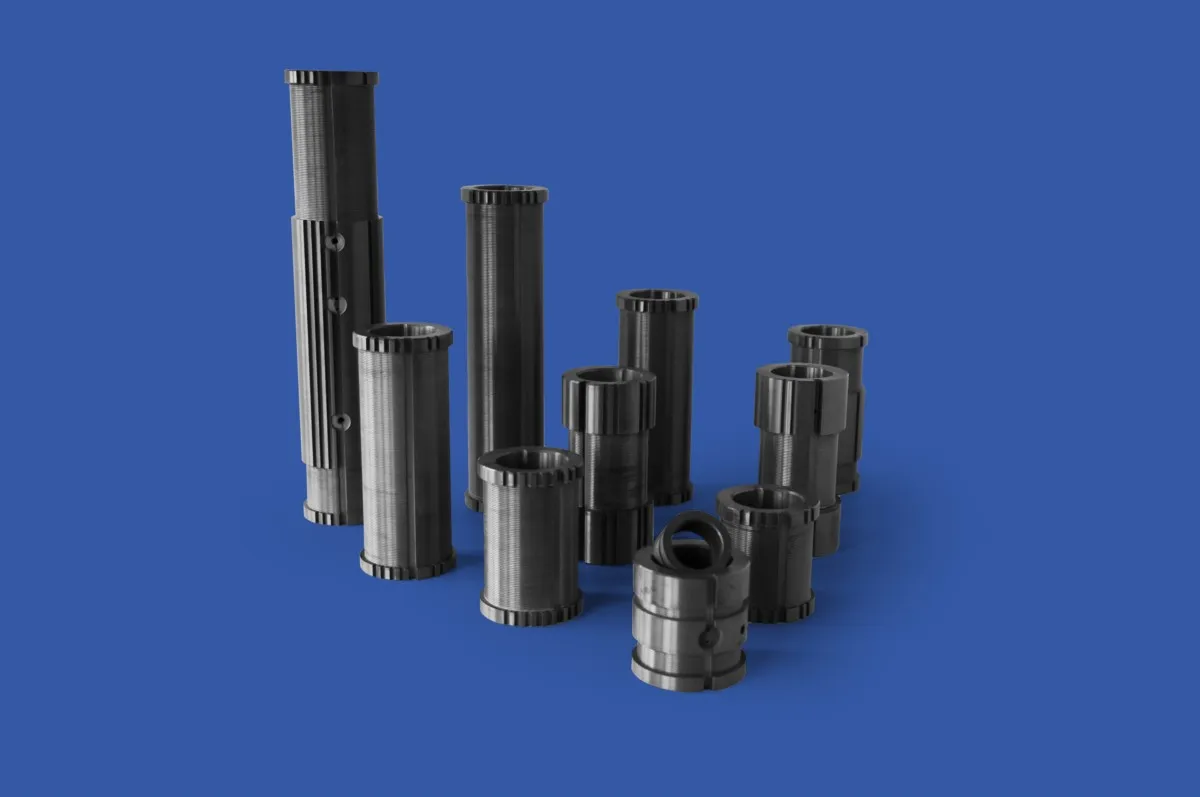
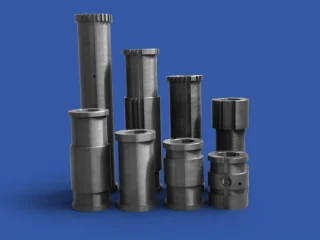
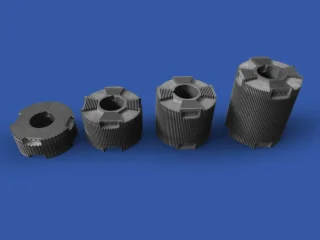
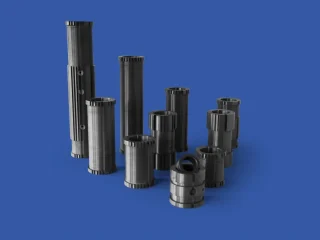
As the coil rack of the sensor coil, the silicon nitride coil rack mainly applies the ultra-high hardness performance of silicon nitride ceramics and the nonmagnetic insulation of Silicon Nitride (Si3N4) Ceramic. As the sensor coil rack, it must be insulated and nonmagnetic in order to accurately transmit the collected data; At the same time, as a sensor for depth exploration, the underground environment is generally complex, and only the support with high hardness can protect the sensor from damage. In addition, the silicon nitride support has certain protective effects on the sensor coil due to its anti-corrosion, high and low temperature resistance, and low coefficient of thermal expansion.
Applications:
Induction ceramic coil of induction instrument in practical oil well logging instruments
In the field of medical imaging equipment, such as magnetic resonance imaging (MRI) systems, gradient coil stents are used as core components
Silicon Nitride Ceramic Material Properties
| Properties | Unit | Value |
| Density | g/cm3 | 3.2±0.05 |
| Relative density | % | >99.5 |
| Elastic Modulus | GPa | 300~320 |
| Crushing Load Ratio (25℃) | % | ≥40 |
| Hardness | (HRA) | 91 |
| Fracture Toughness | MPa·m1/2 | 6.0~7.0 |
| Flexural Strength | MPa | 600~700 |
| Poisson's Ratio | - | 0.25 |
| Coefficient of Thermal Expansion | 10-6 /K | 2.3~3.2 |
| Weibo Modulus | Gpa | 10~12 |
| Thermal Conductivity | - | 15~20 |
| Resistivity | W/(m·K) | 1018 |
| Acid and Alkali Corrosion Resistance | - | Excellent |
| Dimensional Stability | - | Excellent |
| Magnetism | - | None |
| Oxide Content | % | 8 |
Benefits:
High strength over a large temperature range
High fracture toughness
Good flexural strength
Mechanical fatigue and creep resistant
Lightweight – Low density
High hardness and wear resistance, both impingement and frictional modes
Superior thermal shock resistance
Low thermal expansion
Electrical insulator
Good oxidation resistance
Good chemical corrosion resistance
Wear-resistant
Declaration: This is an original article of INNOVACERA®. Please indicate the source link when reprinting: https://www.innovacera.com/product/silicon-nitride-ceramic-coil-core