

99 Alumina
High-purity 99 percent alumina ceramics for clean insulation, high-temperature stability, wear resistance and precision ceramic parts.
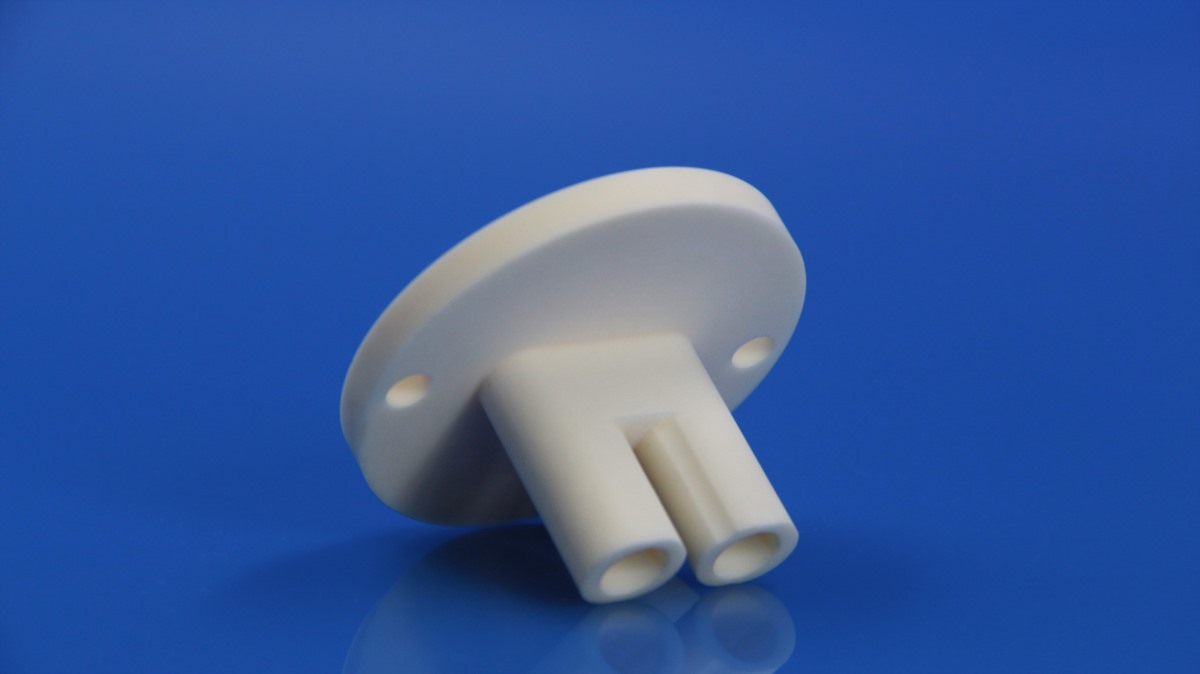
99 Alumina ceramic components for demanding operating environments.
99 alumina provides higher purity and improved performance compared with standard alumina grades. It is often selected for cleaner environments, higher temperature duty and components where electrical insulation and chemical stability are important.
- Purity requirement and contamination-sensitive contact surfaces
- Operating temperature, atmosphere and cleaning method
- Electrical insulation or vacuum compatibility requirements
- Critical dimensions, surface finish and edge condition
- Whether 99 percent purity is required or a lower grade is sufficient
99 Alumina material overview
99 alumina provides higher purity and improved performance compared with standard alumina grades. It is often selected for cleaner environments, higher temperature duty and components where electrical insulation and chemical stability are important.
Key material advantages
- Higher purity than general alumina grades
- Excellent dielectric behavior
- Good corrosion and wear resistance
- Stable high-temperature performance
Common ceramic components
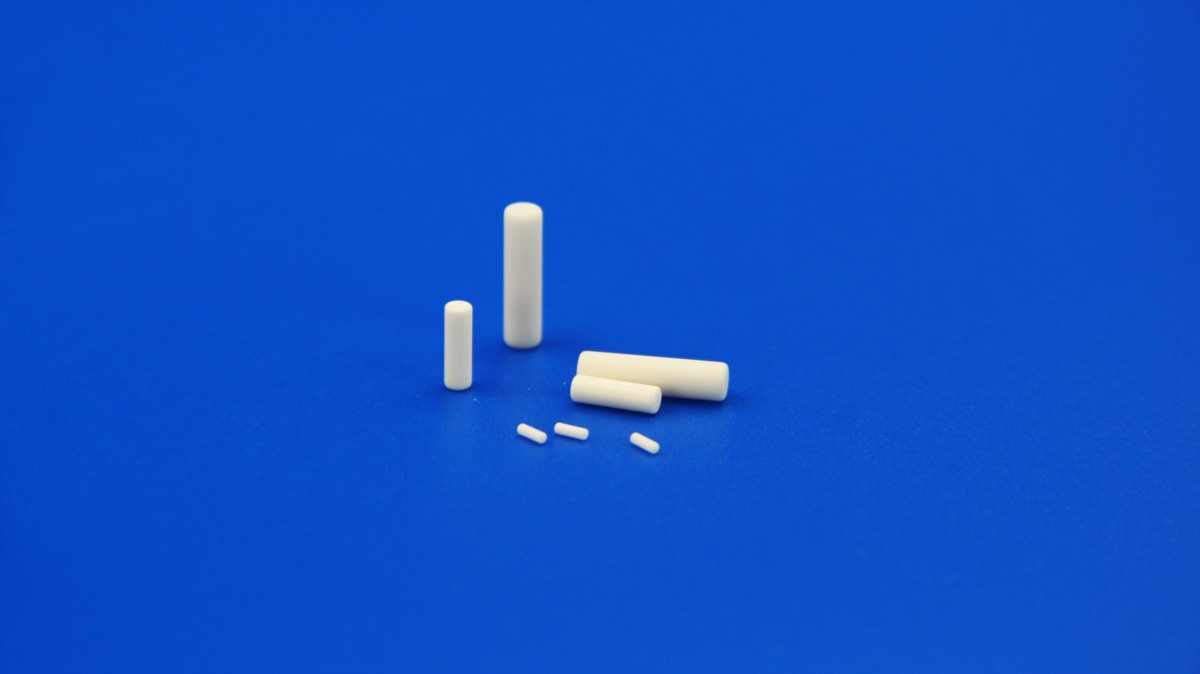
- High-purity alumina tubes
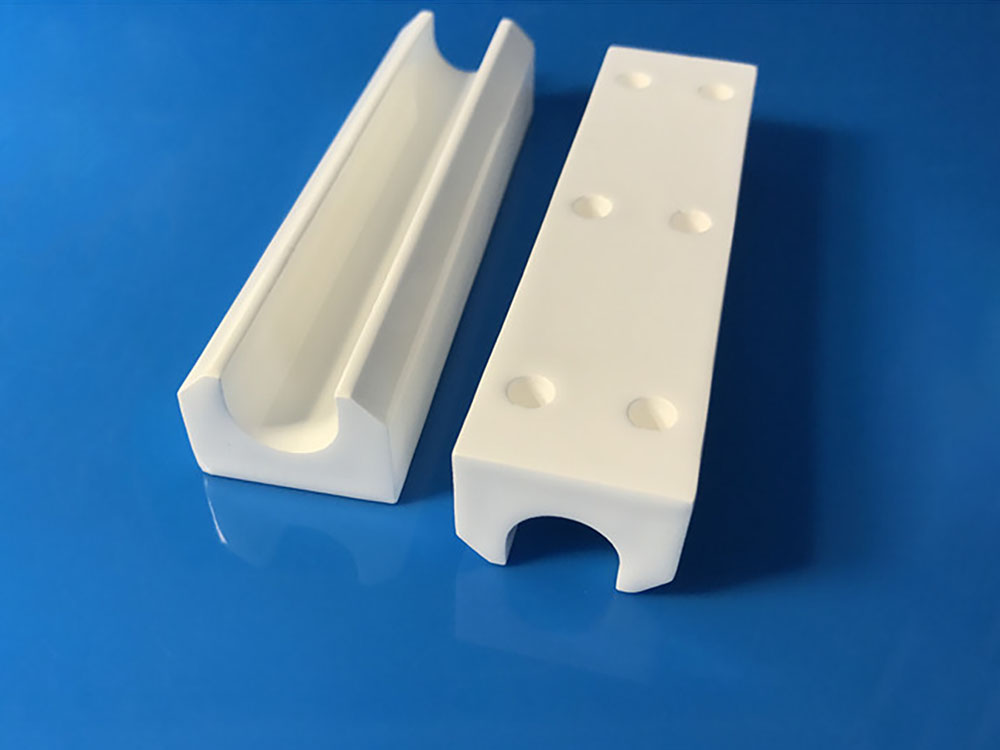
- Insulating plates and rings
- Ceramic crucibles and holders
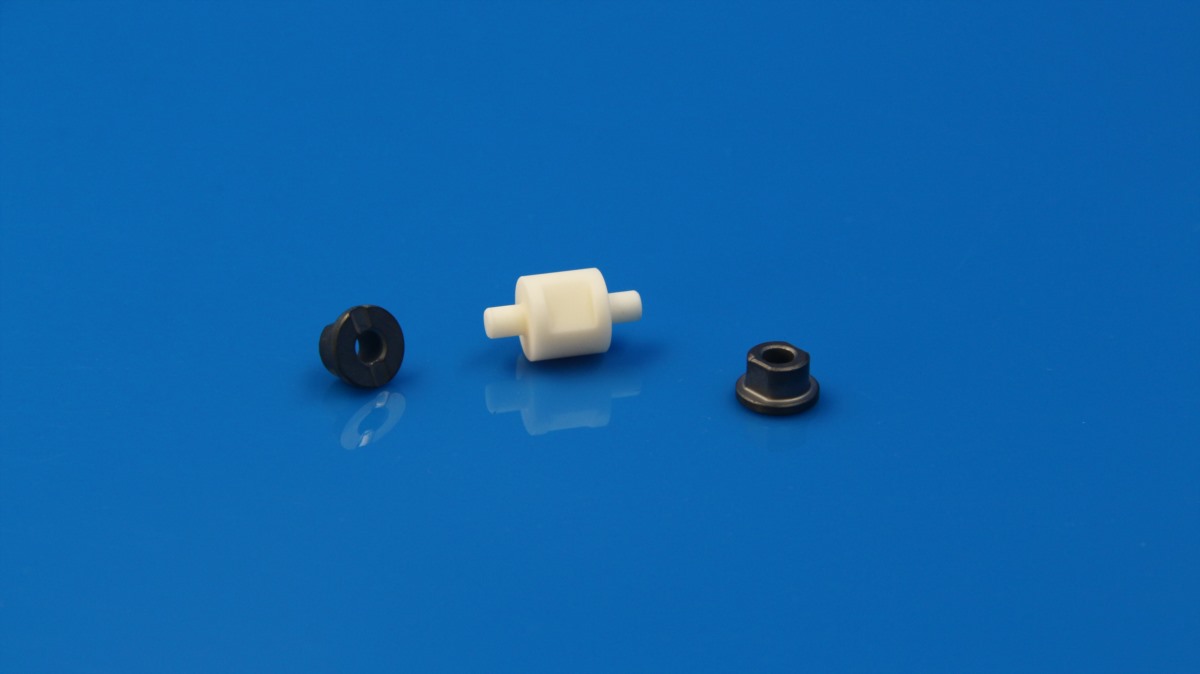
- Precision machined alumina parts
Typical application fit
- Laboratory and analytical equipment
- Semiconductor support hardware
- High-temperature insulation
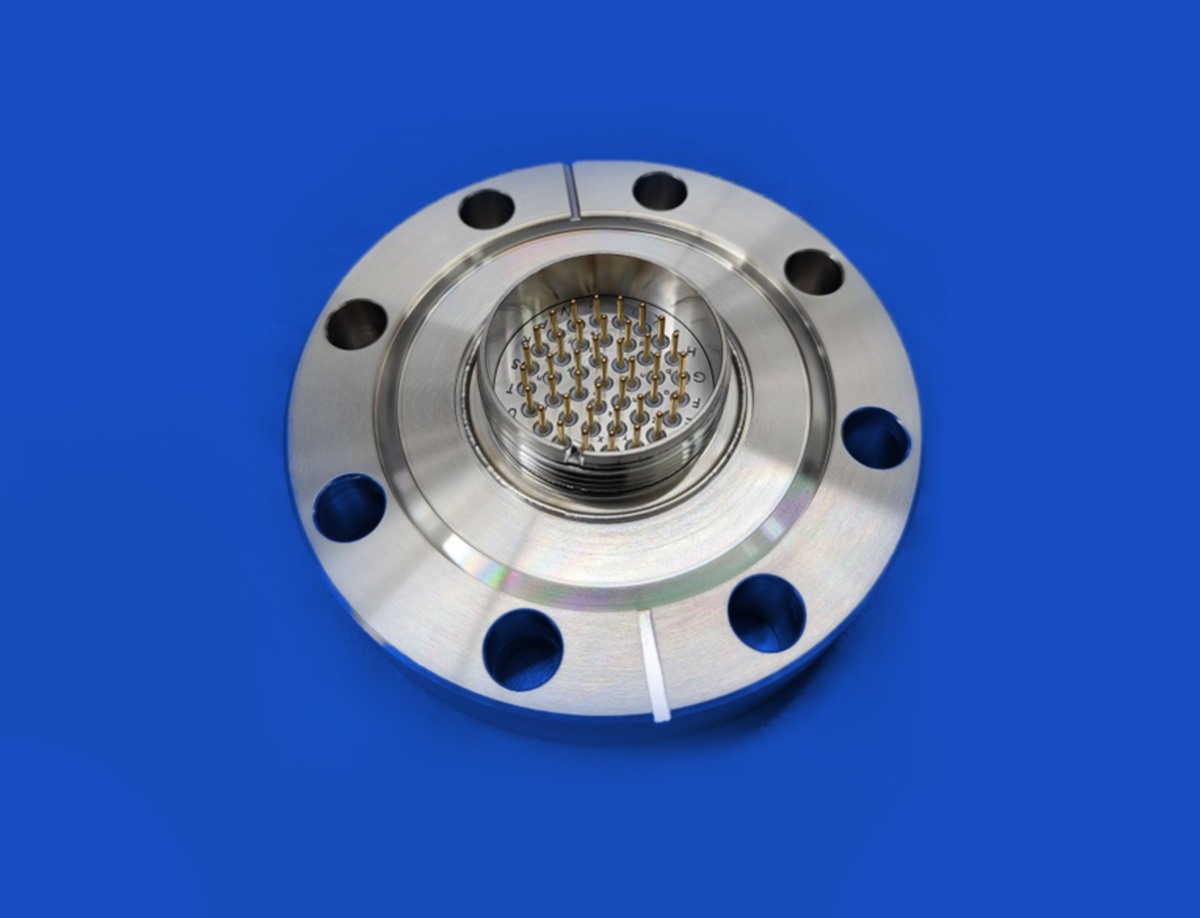
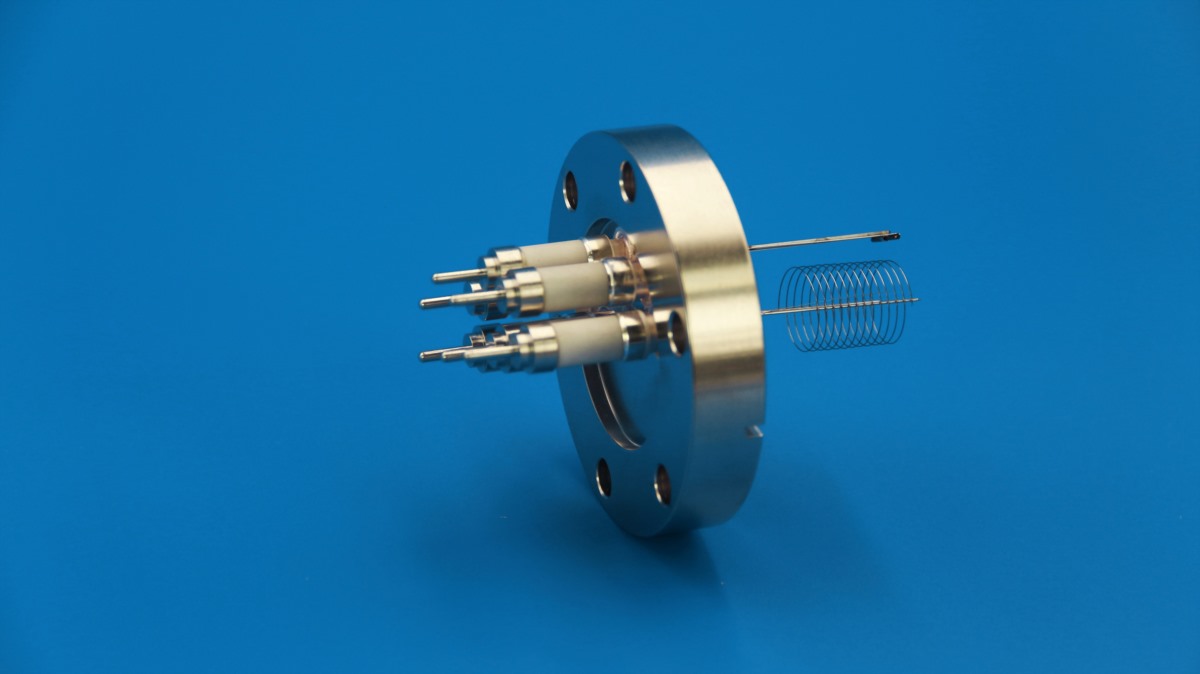
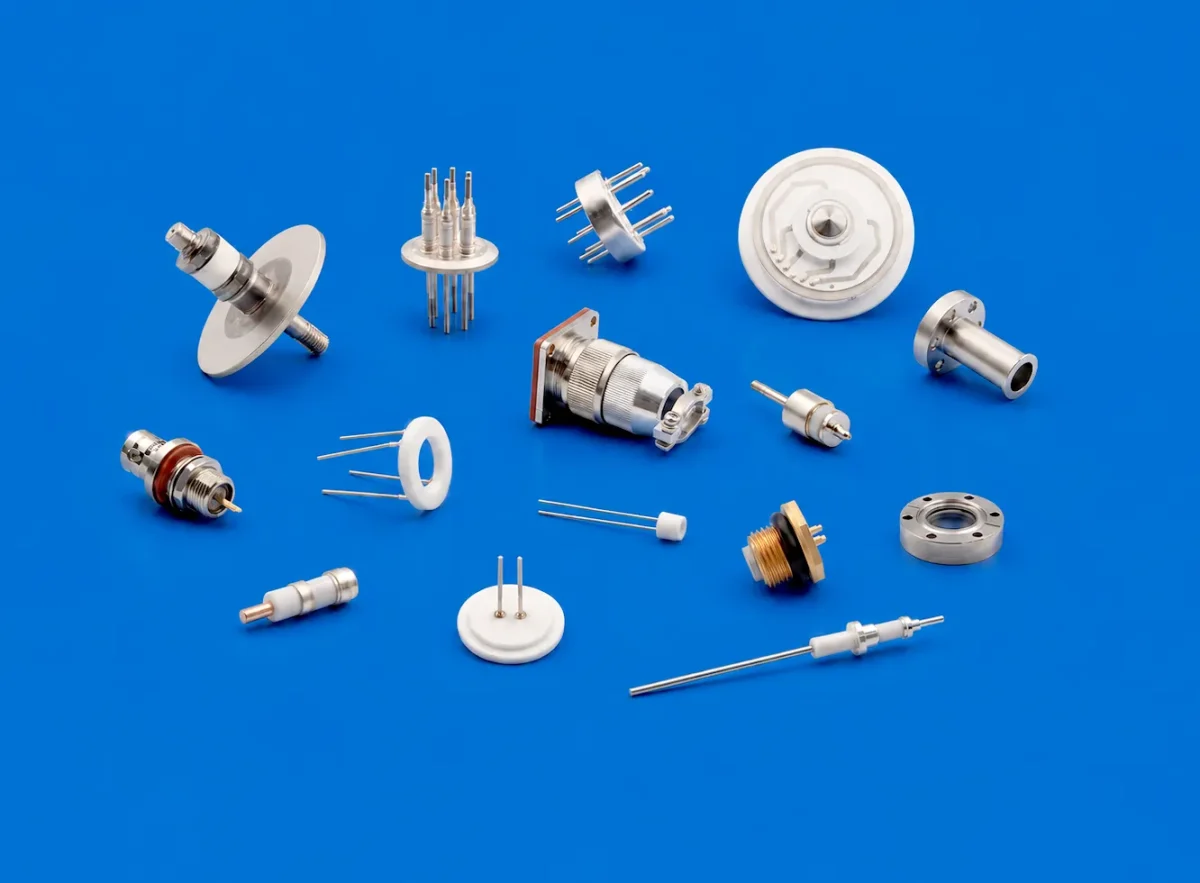
- Electrical and vacuum components
How Innovacera supports this material
Innovacera helps engineers decide when 99 alumina is justified over 95 or 96 alumina based on purity, temperature, tolerance and cost requirements.
Information that helps us review an RFQ
Share drawings, working temperature, electrical or thermal requirements, media contact, tolerance targets and quantity so the Innovacera team can recommend a practical ceramic material and manufacturing route.
Related ceramic products.
15 related products are tagged to this material family in the current catalog.
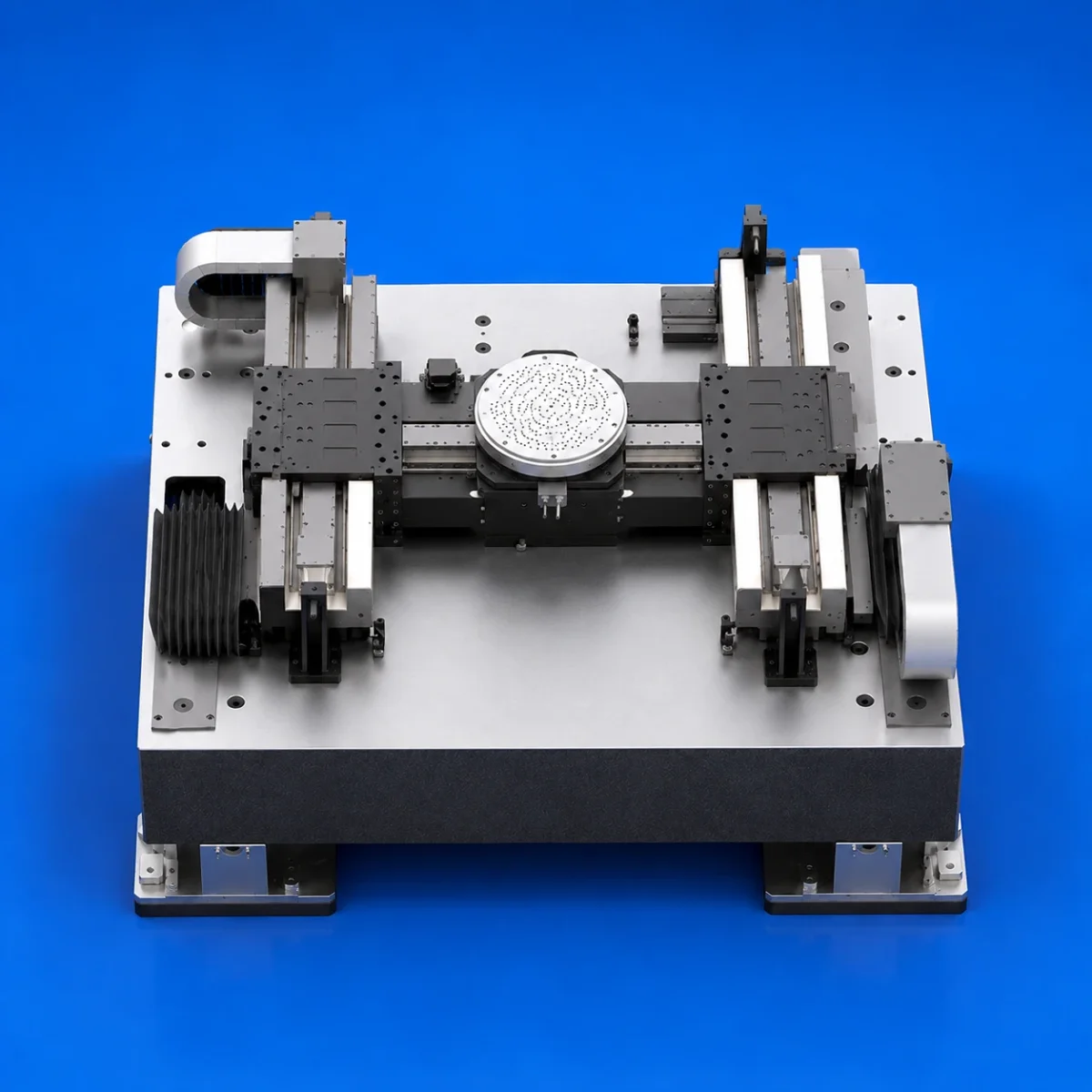
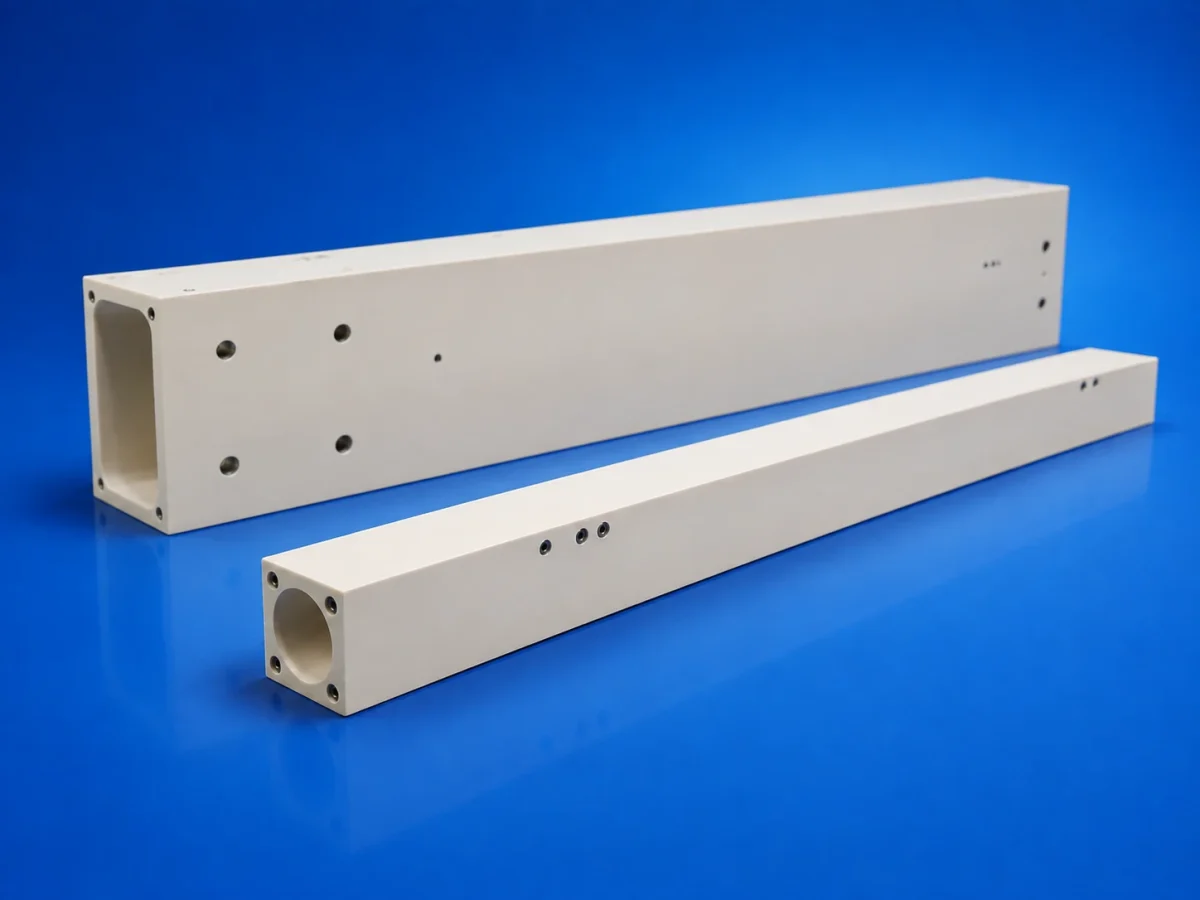
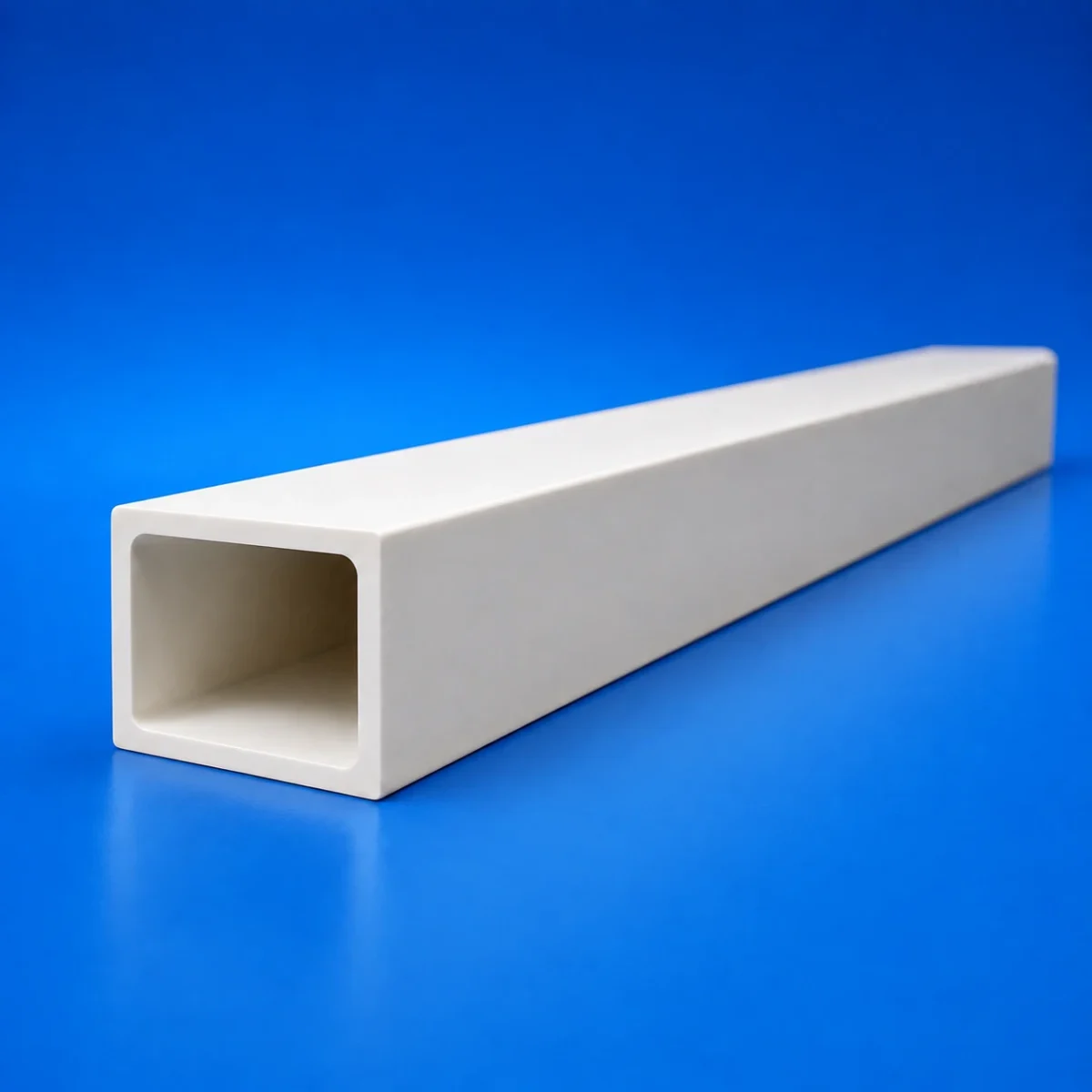
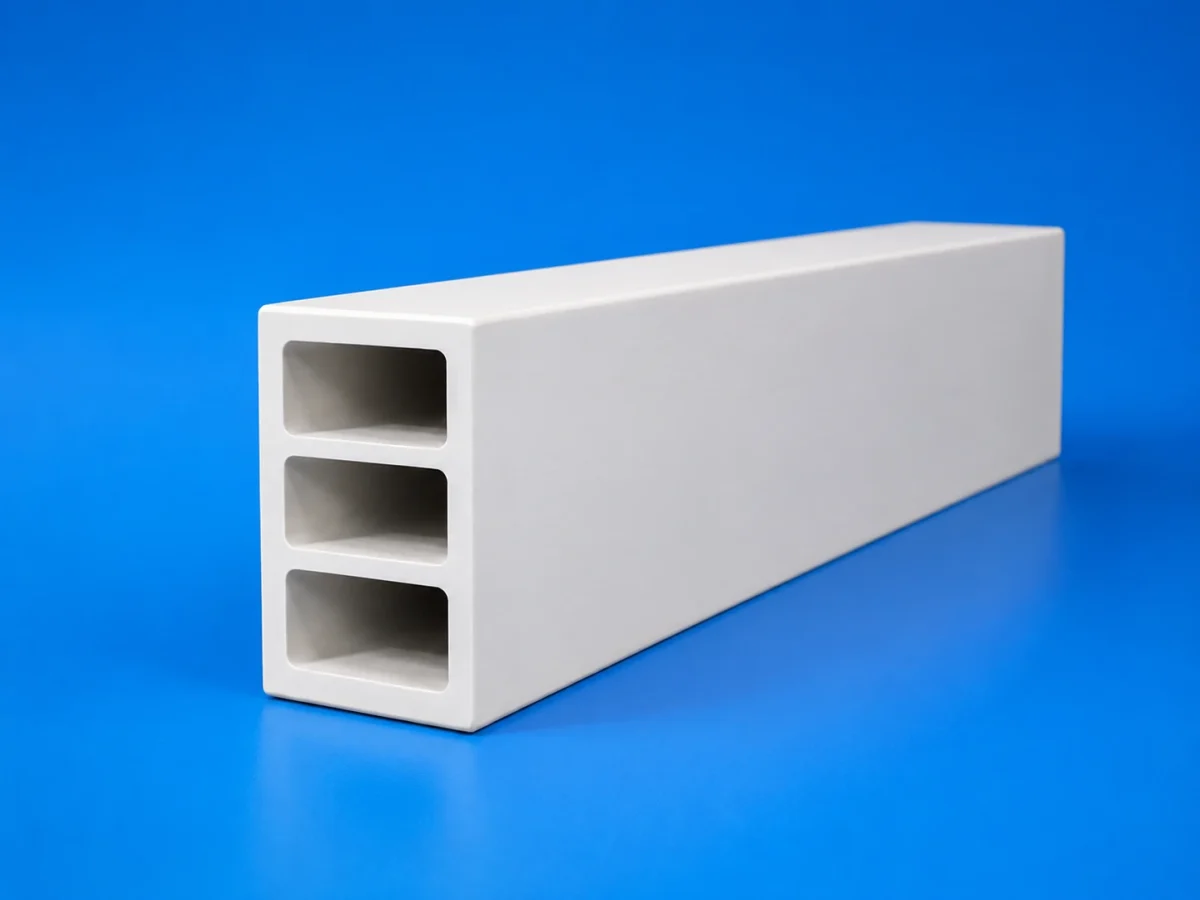
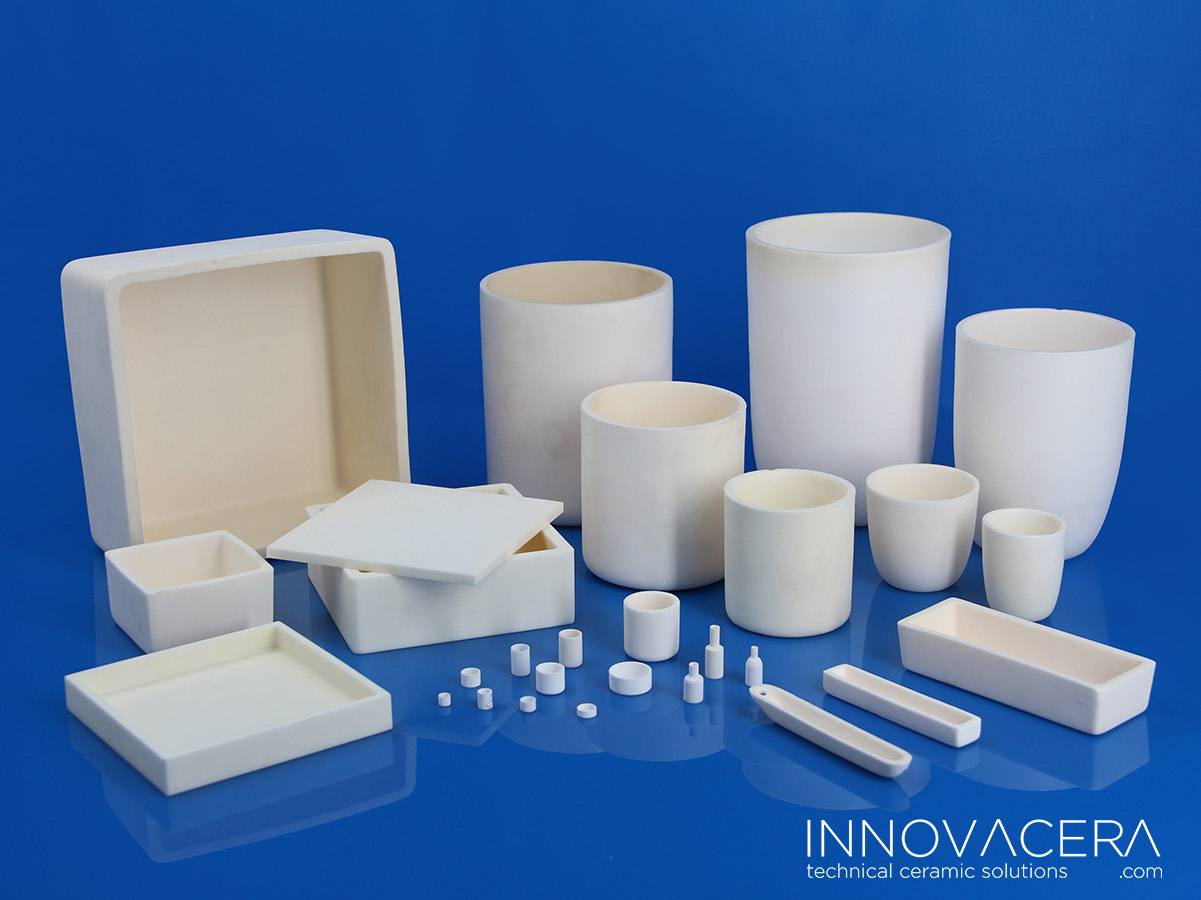
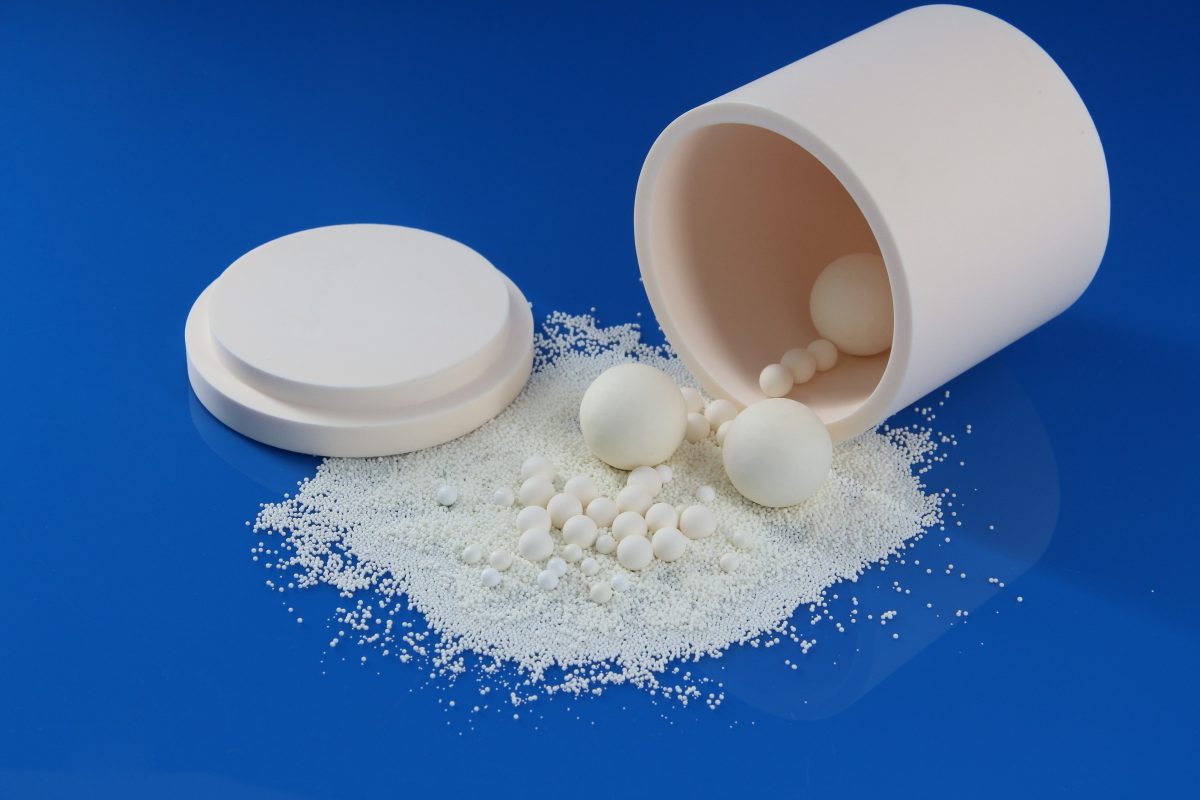
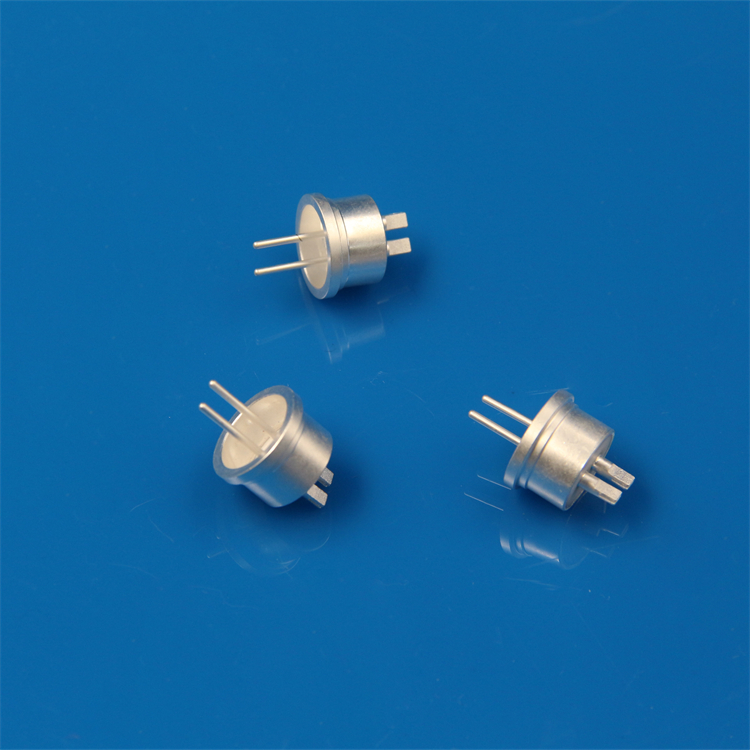
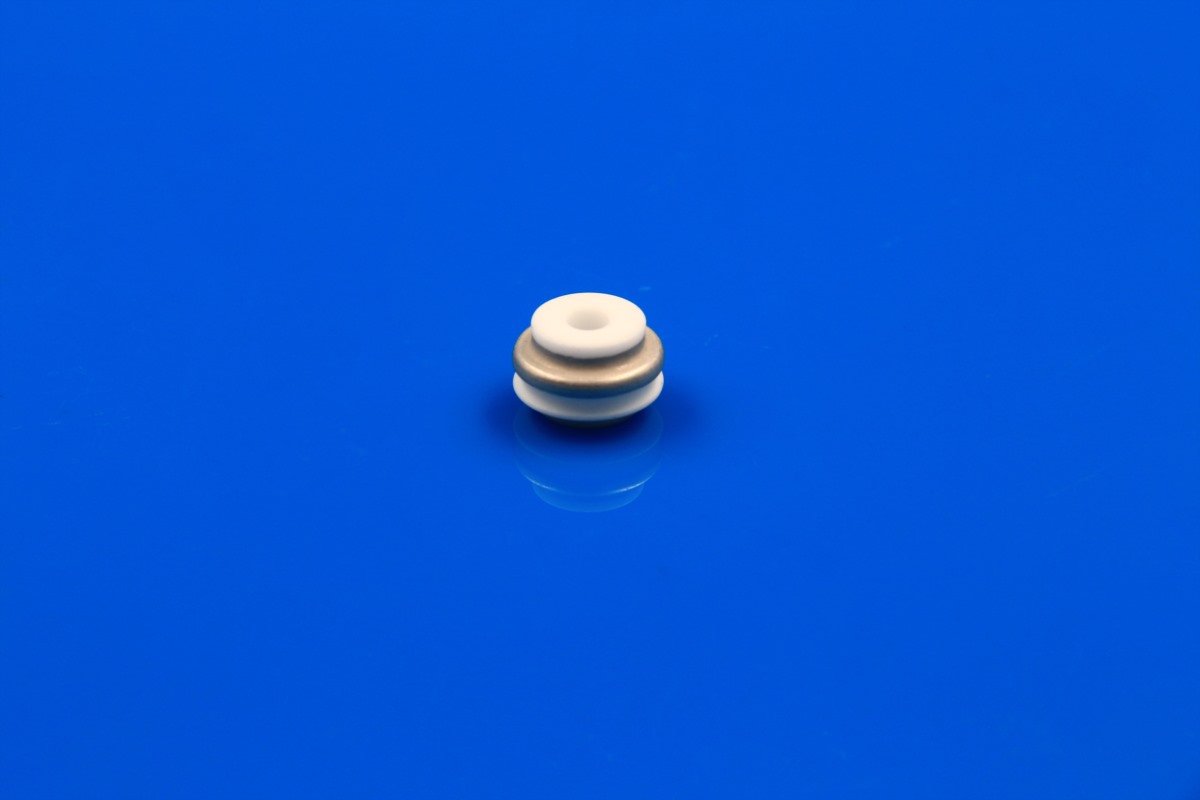
Review 99 Alumina ceramic components for your operating conditions.
Share drawings, operating temperature, atmosphere or media contact, electrical, thermal or wear requirements, tolerance targets, quantity and expected service life. Innovacera can review the material grade, manufacturability, prototype path and production feasibility.