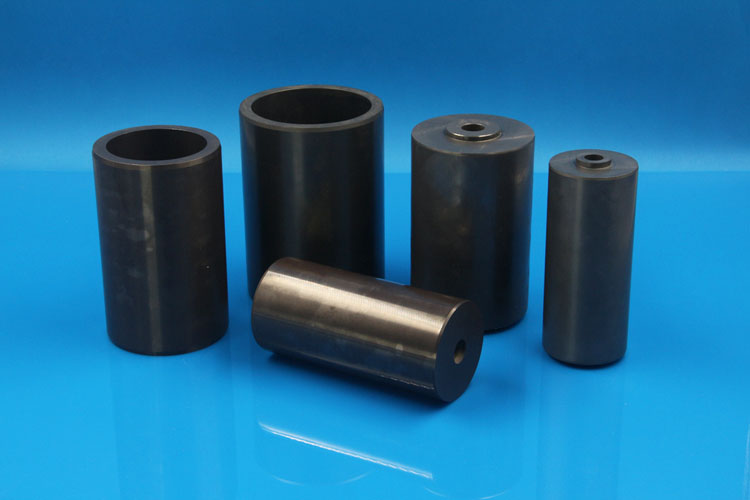
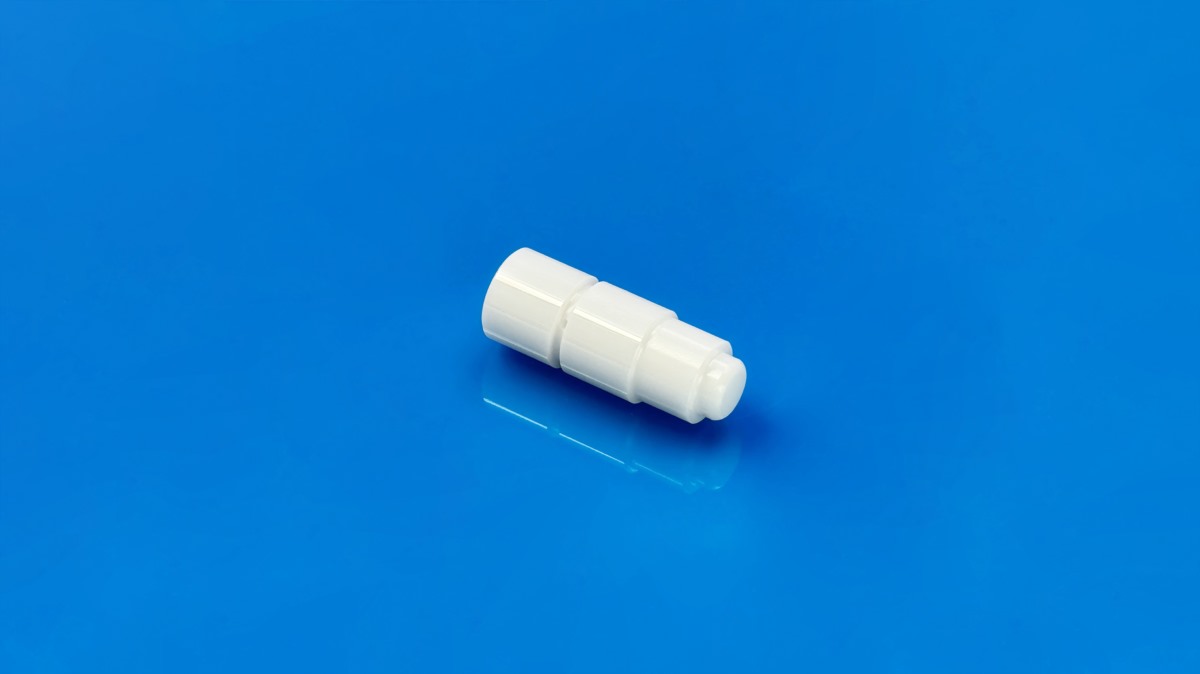
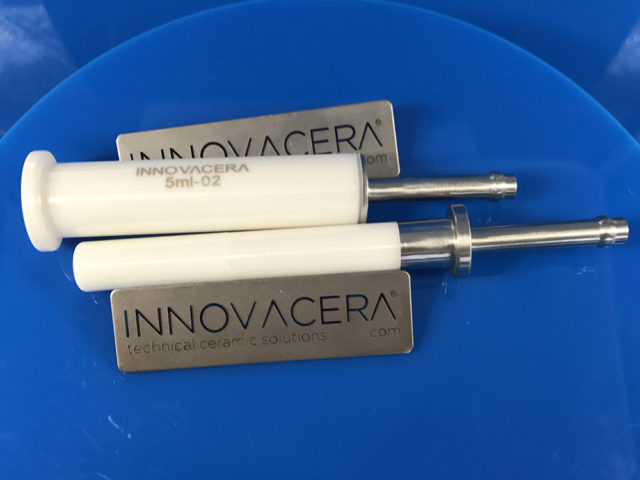
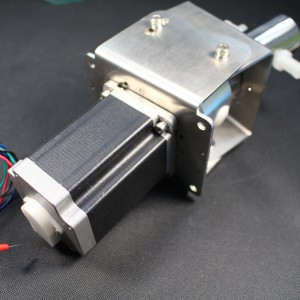
In plunger pumps and precision fluid transfer equipment, ceramic plungers must move repeatedly within the sealing structure and withstand friction and the effects of the medium over long periods. Zirconia ceramics, with their good wear resistance and chemical stability, are used in some plunger products that require high wear resistance and long service life.
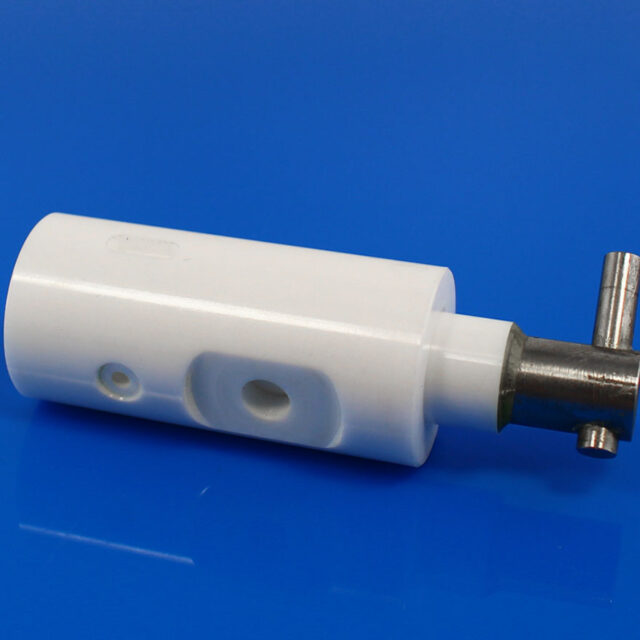
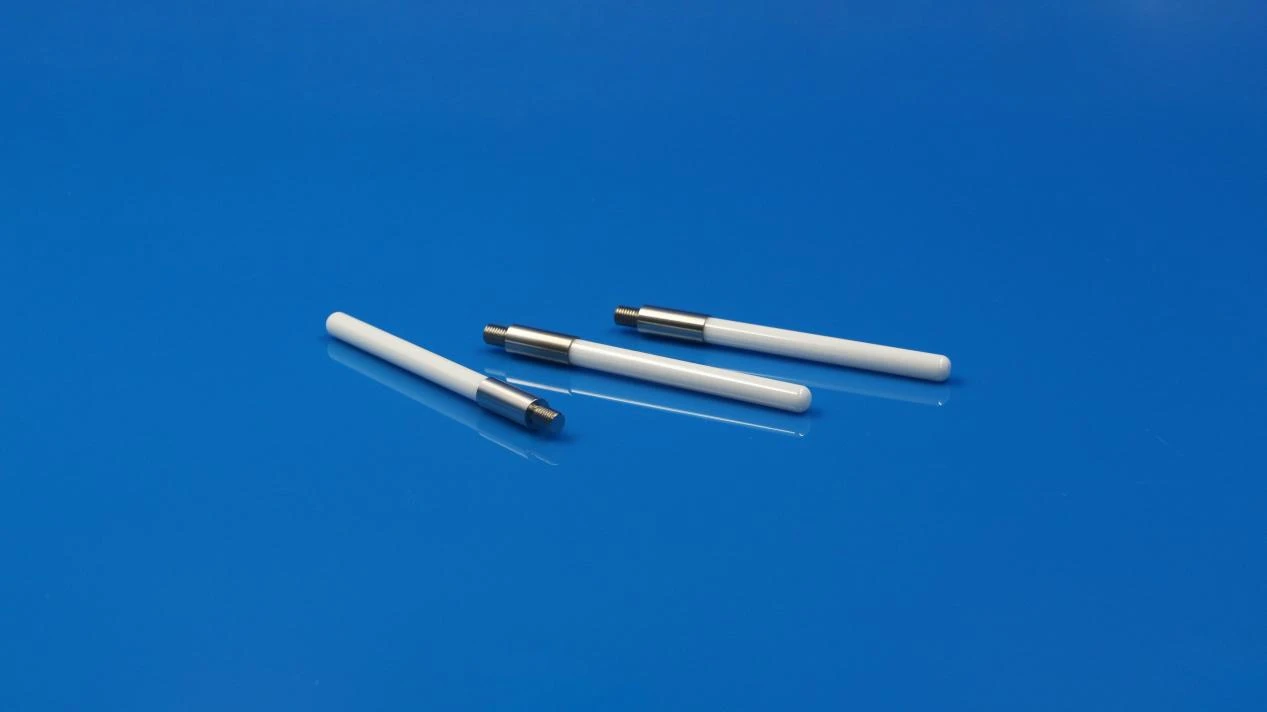
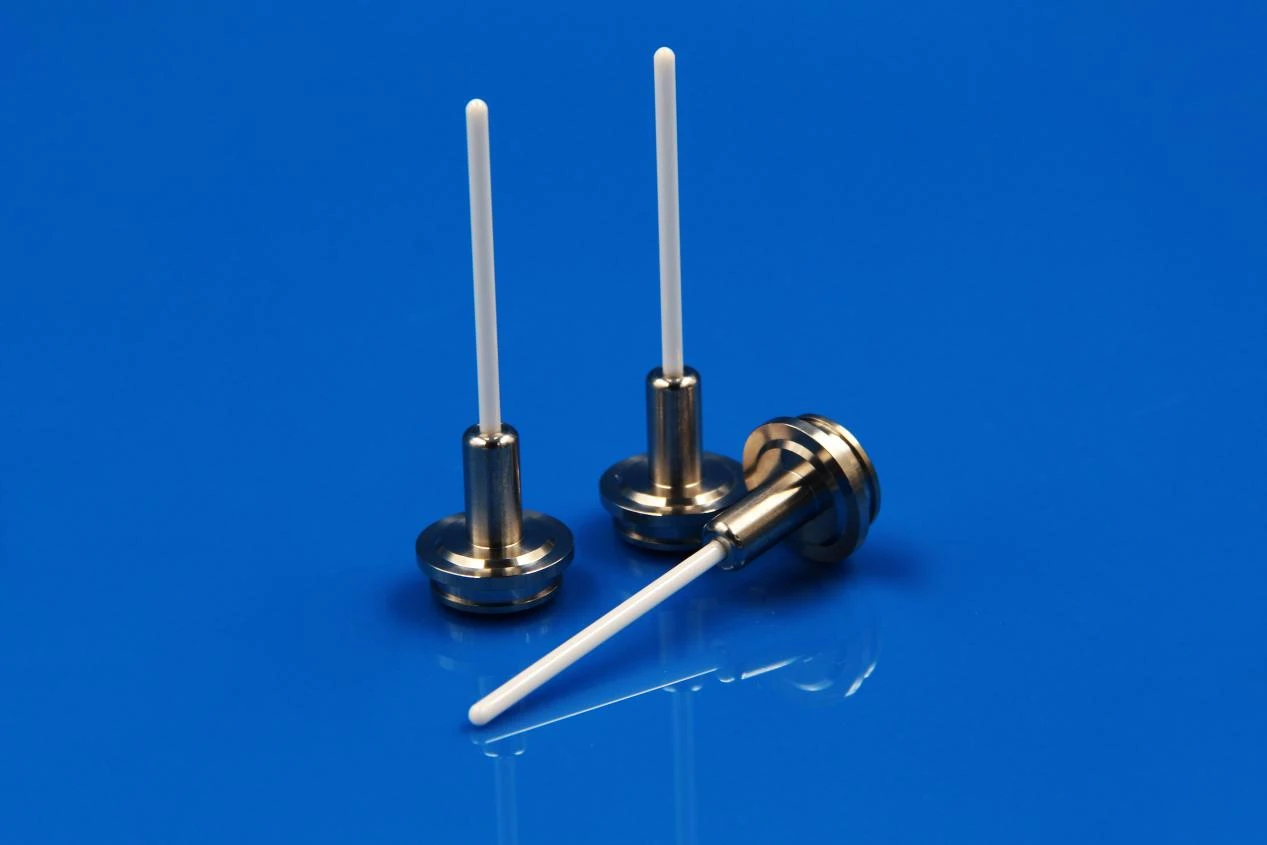
Some ceramic plungers are not made of a single ceramic structure, but consist of a ceramic rod and metal end caps. The ceramic rod contacts the seal, while the metal end caps connect to the equipment’s drive mechanism. How the two materials are joined and whether good concentricity can be maintained after assembly both affect the actual performance of the plunger.
1. Why do zirconia ceramic plungers need metal end caps?
Zirconia ceramic has high hardness, good wear resistance, and good chemical stability, making it suitable for some plunger structures that require long-term reciprocating motion. However, ceramic materials and metals differ in machining methods, load-bearing characteristics, and connection design.
In some plunger assemblies, the metal end cap is used to connect to the drive rod, connecting seat, or other transmission components, allowing the ceramic rod body to interface with the equipment’s mechanical structure. Through this combined design, ceramic material can be used in wear-critical working areas, while metal components provide mechanical connections.
That said, fitting a metal end cap does not guarantee a stronger joint. Poor structural design can still lead to loosening, misalignment, or localized stress buildup during operation.
2. Which performance characteristics are affected by the ceramic-to-metal connection method?
Ceramic rods can be joined to metal end caps using different methods, including mechanical fastening, interference fitting, shrink fitting, and other suitable joining techniques. The final joining solution is selected according to plunger geometry, applied load and service conditions.
For mechanically connected structures, fit dimensions and contact locations are particularly important. If there is excessive clearance at the connection, relative displacement may occur during reciprocating motion; if the fit is too tight in certain areas, the ceramic may be subjected to unfavorable assembly stresses.
When adopting interference or shrink fits, thermal expansion mismatch between zirconia ceramic and paired metals is another key point. Temperature shifts in service trigger differential expansion and contraction, which will change the joint’s contact pressure and stress distribution.
Therefore, connection quality cannot be judged solely from the plunger’s appearance, and not all ceramic plungers with metal end caps can be classified as ceramic-metal brazed assemblies. The actual joining process should be based on the product design and manufacturing documentation.
3. What other factors should be considered during reciprocating motion?
During operation, the plunger moves repeatedly, and the fit between the ceramic rod body, metal connection end, and sealing structure affects operating performance.
First is coaxiality. If there is a significant deviation between the centerlines of the ceramic rod body and the metal end cap, additional lateral loads may be generated during motion, affecting the contact condition of the seal and increasing the risk of localized wear.
A second consideration is the finish quality on the ceramic functional surface. The plunger continuously interfaces with seals, and its roughness, roundness and dimensional tolerances all impact friction, wear and sealing behaviour. Precision grinding and polishing can be applied to upgrade the ceramic rod surface where stricter surface criteria are needed.
In addition, actual operating pressure, reciprocating frequency, medium properties, and operating temperature must be considered. Operating conditions vary from one piece of equipment to another, so even if plungers use similar ceramic-metal combined structures, the same connection design and machining requirements cannot be applied directly.
4. INNOVACERA Ceramic Plungers and Ceramic Components for Fluid Equipment
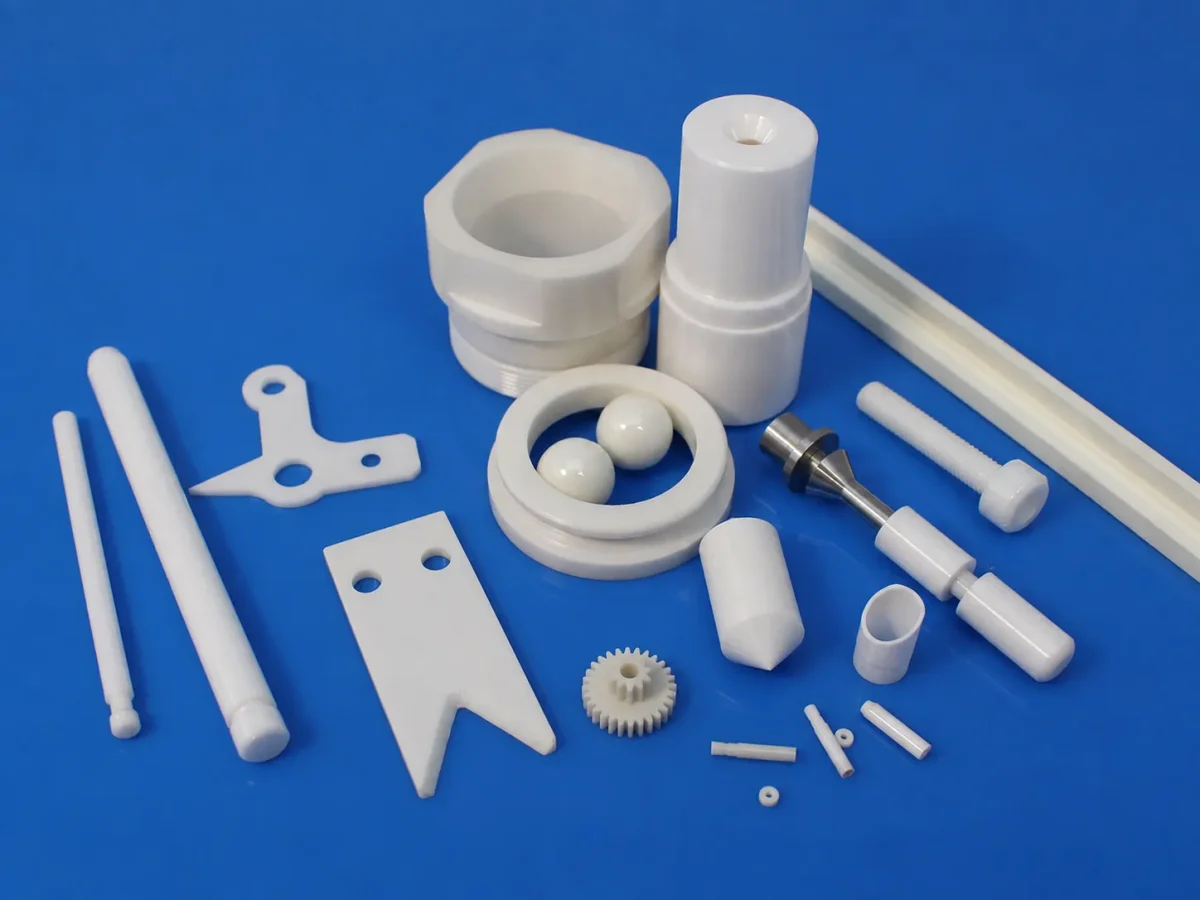
INNOVACERA can provide zirconia, alumina, and other ceramic plungers, as well as precision ceramic components for fluid equipment. Different ceramic materials have different performance characteristics, and specific material selection should be evaluated based on conditions such as equipment structure, conveyed medium, operating pressure, and service temperature.
Custom orders can be assessed covering ceramic grades, dimensions, surface finishes and structural designs, based on customer drawings, samples or technical specifications. Whether for ceramic plungers or other ceramic components in fluid transfer equipment, machining and product requirements must be determined based on actual operating conditions.
If you are developing or procuring ceramic plungers and ceramic components for fluid equipment, please send your product drawings and technical requirements to sales@innovacera.com.