During the grinding process of electronic ceramics and functional powders, both particle size and purity requirements must be met. For some high-purity materials, even if the particle size distribution after grinding meets the process requirements, increased impurity levels may still affect its subsequent use. Especially in applications such as electronic components, ceramic substrates, and other fields with strict requirements on material composition, even small amounts of contamination introduced during grinding need to be considered.
Using ceramic grinding balls or grinding beads can reduce the contamination from metal wear that may occur when using metal grinding media. However, this does not mean that ceramic grinding media will not bring impurities. The chemical compositions of alumina, zirconia, silicon nitride, and silicon carbide are different, and the additives used in the manufacturing process may also be different. For the grinding of electronic materials, in addition to considering grinding efficiency and wear resistance, it is also necessary to understand which components may be introduced into the powder as the grinding media wear.
1. Where does contamination come from during milling?
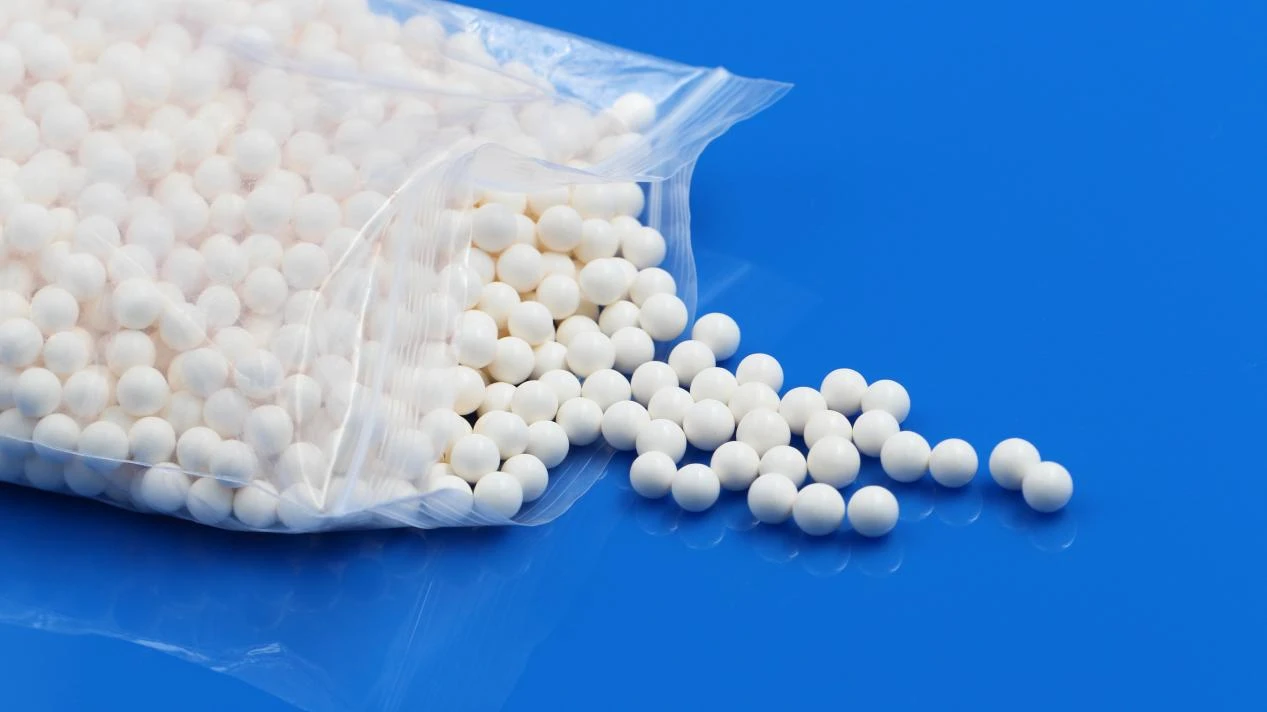
Grinding balls or beads may generate wear particles that mix into the powder through continuous collisions and friction with the powder and the inner walls of the container. Relevant studies indicate that both wear from the grinding media and the grinding vessel can lead to powder contamination, with the extent of contamination also influenced by the properties of the powder and the grinding conditions.
In addition to grinding media, the liner of the grinding jar, equipment contact parts, liquid medium, and process additives may also serve as sources of contamination. Inadequate cleaning when using the same equipment for different batches of powder can lead to cross-contamination.
Therefore, when an increase in impurity content is detected after grinding, it should not be immediately attributed to the grinding balls. Instead, a systematic investigation should be conducted by comparing test results before and after grinding, examining the media, equipment contact components, and cleaning procedures to identify the source of contamination step by step.
2. What are the differences among various ceramic grinding media?
The main components and formulations of different ceramic grinding media are different. Even if the wear rates are similar, the wear debris entering the powder may be different. When selecting, in addition to paying attention to the material name and nominal purity, the composition of the specific grade and the impurity limits of the target powder should also be verified.
| Grinding Media | Key Components to Consider During Selection | Information to Verify |
|---|---|---|
| Alumina (Al₂O₃) | Aluminum-bearing wear debris, plus other impurities in specific grades | Purity grade, impurity composition, wear performance |
| Zirconia (ZrO₂) | Zirconium-bearing wear debris, and stabilizer-related components | Stabilizer type, target powder’s limits on related elements |
| Silicon Nitride (Si₃N₄) | Silicon-bearing wear debris, and sintering additive components in certain grades | Material grade, additives and impurity composition |
| Silicon Carbide (SiC) | Silicon- and carbon-bearing wear debris, plus other components in specific grades | Material composition, manufacturing process and target powder requirements |
The table lists the potential sources of contamination that need to be evaluated during the selection process, but it does not mean that these components will definitely significantly increase after grinding. The actual impact depends on the product formula, wear conditions, and specific process parameters.
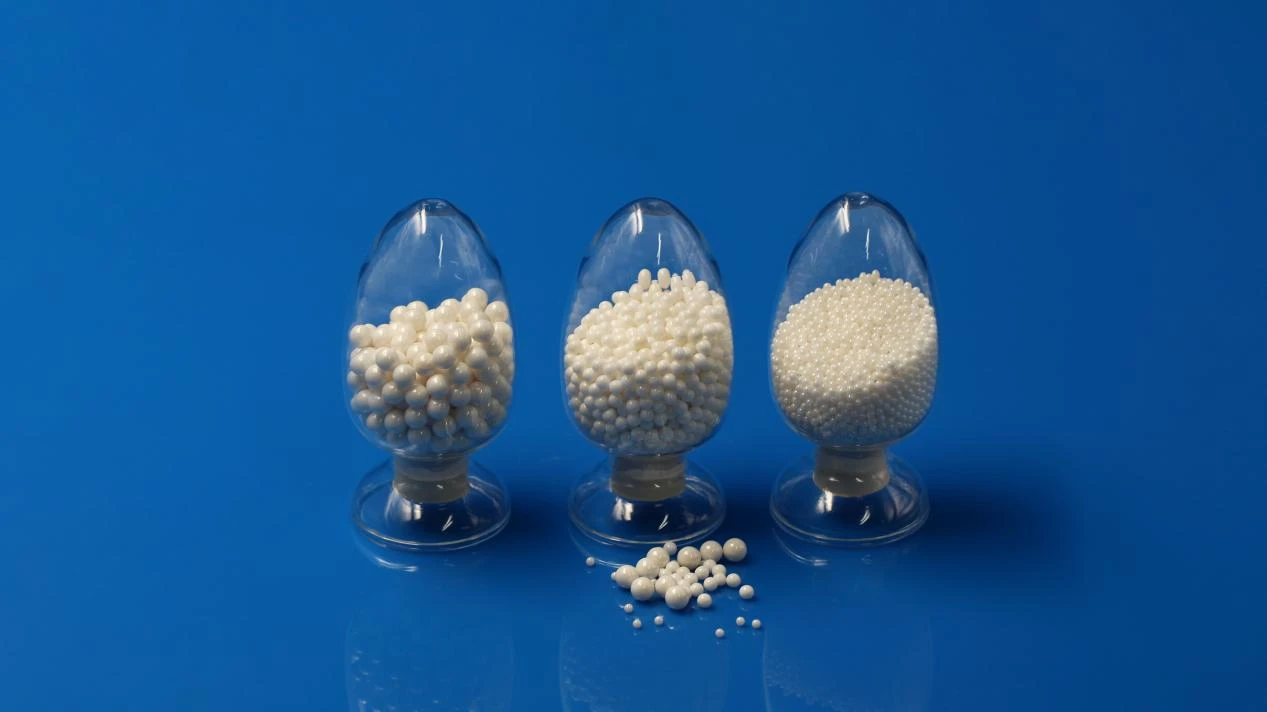
As an example, alumina grinding balls are commonly selected for milling alumina powders. Even so, you still need to validate that the impurity profile of these alumina beads aligns with the specification limits of the powder being processed. The stabilizer system used in zirconia grinding beads should also be checked, as different formulations may introduce different related elements. For silicon nitride and silicon carbide media, the composition should also be judged to determine if it is compatible with the target material based on the specific material grade.
The key point is not which ceramic medium is generally the best, but whether the wear products will affect the composition requirements of the target powder.
3. How to Check Whether Grinding Media Contribute to Contamination?
To determine whether a grinding medium is suitable for a certain electronic powder, one cannot only rely on the purity indicated on the product label. Actual grinding tests are also necessary.
During the test, the impurity content of the powder before grinding can be detected first. Then, the selected grinding medium can be used for a trial grinding, and the powder after grinding can be tested. By comparing the results before and after the test, it is possible to understand whether any impurities increase during the grinding process.
Key test parameters including grinding equipment type, media size and milling duration shall be documented during testing. Post-milling particle size needs to be verified against specifications. Whether the grinding media is suitable for the practical process can only be confirmed by evaluating both particle size results and impurity changes.
If certain impurity content increases, it cannot be directly concluded that it is caused by the grinding balls. The grinding jar liner, the contact parts of the equipment, or the original powder could all be the sources. Further investigation should be conducted by considering the equipment situation.
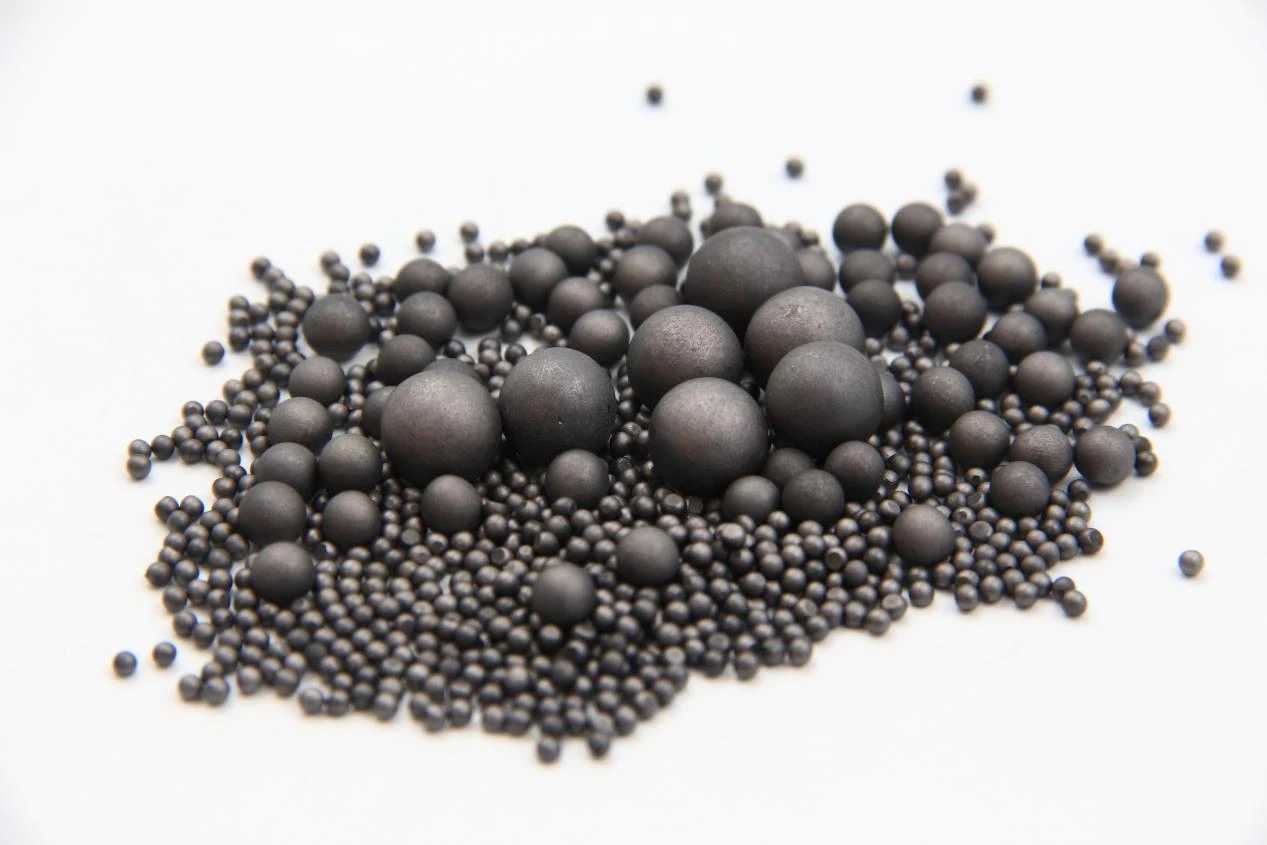
4. How to select the grinding medium for electronic materials?
For electronic materials with strict requirements for impurity control, when choosing the grinding medium, in addition to considering the grinding efficiency, it is also necessary to confirm whether the medium itself will introduce components that are not allowed by the target powder. The actual selection can focus on the following aspects:
- Powder formulation and impurity control targets: Start by clarifying the starting particle size, final particle size target, and the impurity elements under restricted control. As one illustration, if your material has limits on zirconium or yttrium content, pay close attention to the stabilizer formulation when selecting zirconia grinding beads.
- Materials and specifications of the grinding medium: Besides the names of materials such as alumina and zirconia, one should also understand the specific purity grades, sintering aids, and other components. The size of the medium also needs to be determined in combination with the equipment. Smaller grinding beads are often used for fine grinding, but not all equipment is suitable for using small-sized media.
- Milling performance verification: For powder grades with stringent impurity limits, run small-scale milling trials upfront. Characterize the resulting particle size distribution and track shifts in critical elemental levels. If particle size targets are achieved yet impurity levels rise markedly, the grinding media or wetted equipment components should be re-examined.
When consulting with suppliers, it is recommended to provide the powder type, initial and target particle sizes, key impurity restrictions, grinding equipment, whether the process uses dry or wet milling, and the expected purchase quantity. These pieces of information can help suppliers determine the available materials and specifications, and also facilitate the arrangement of subsequent trial grinding.
INNOVACERA Ceramic Grinding Media
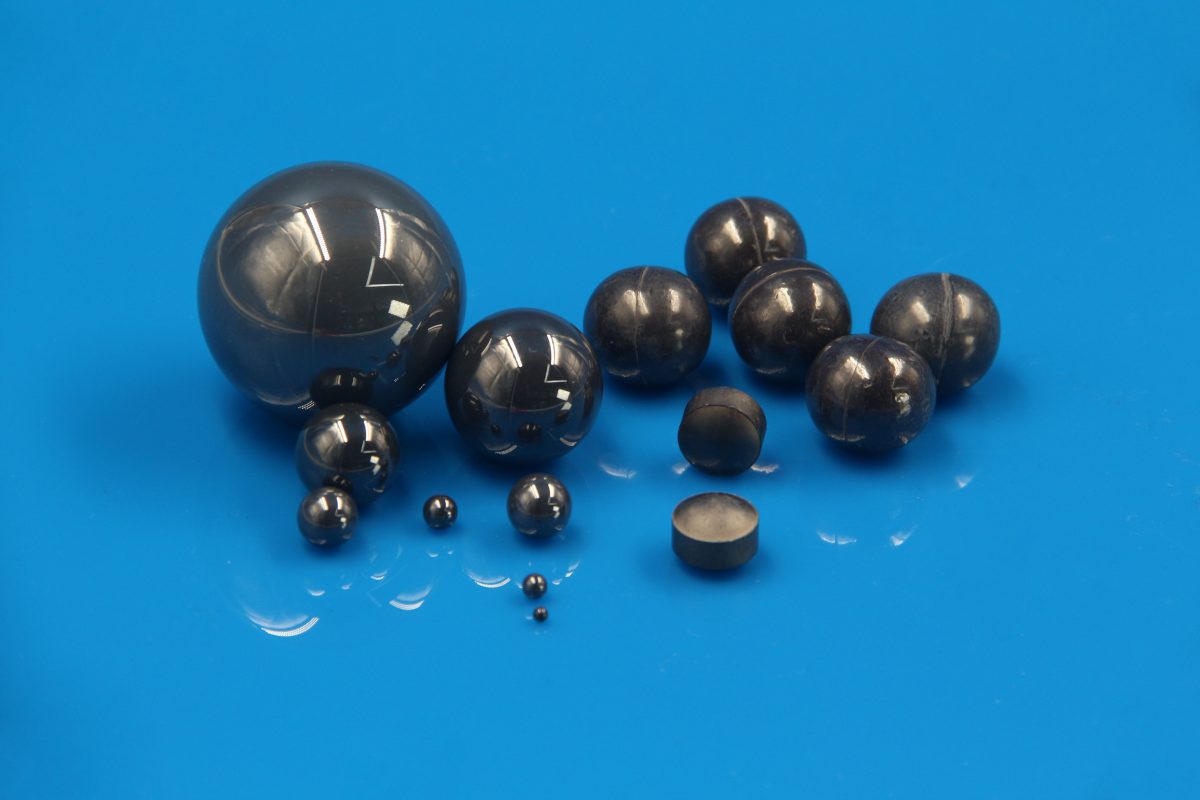
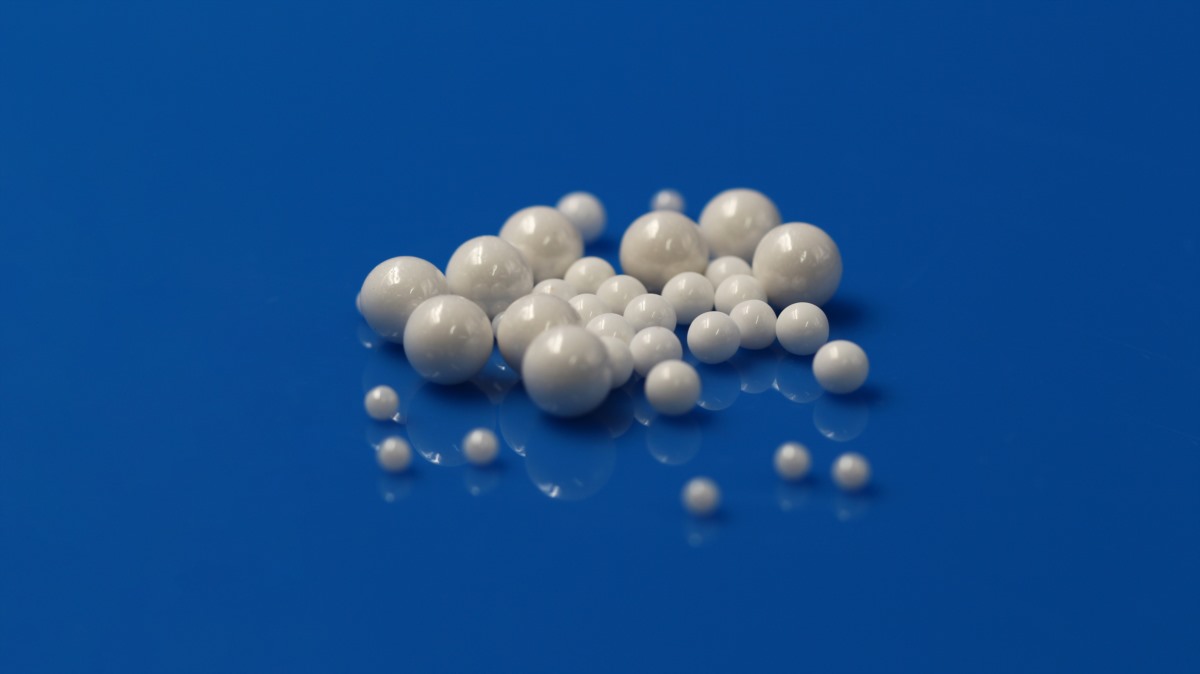
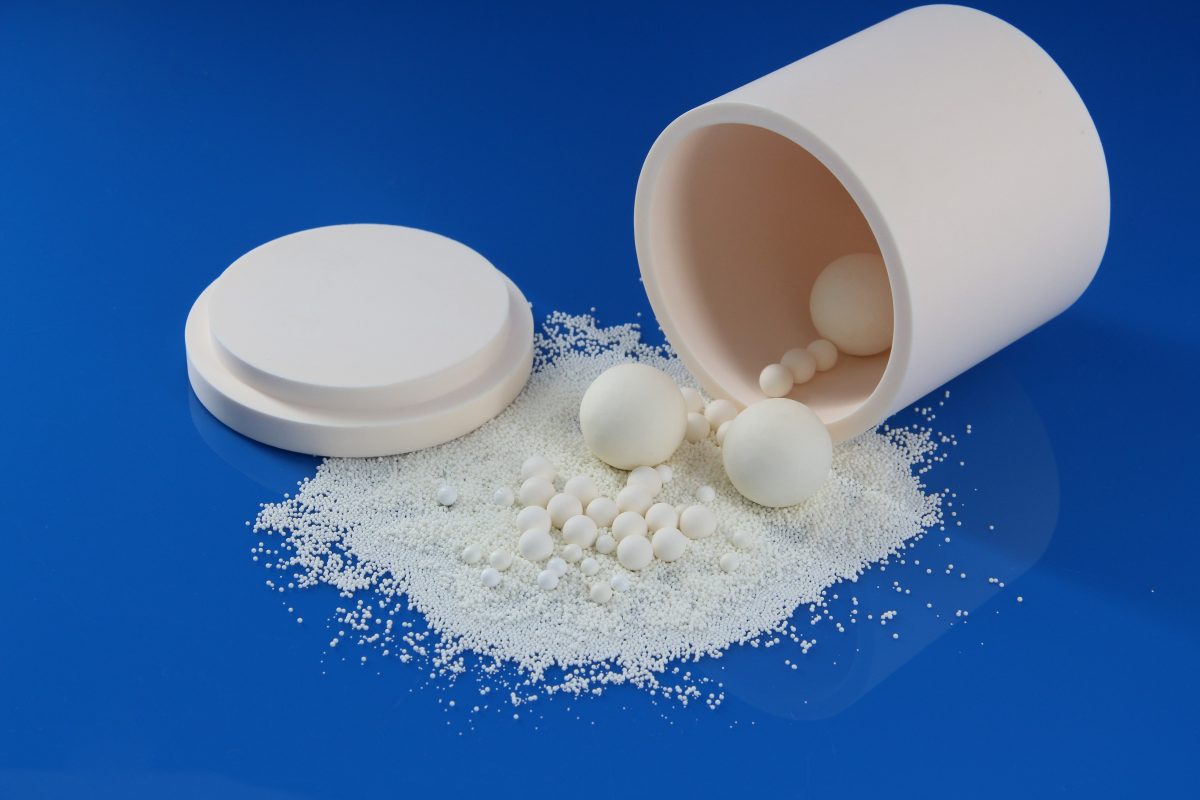
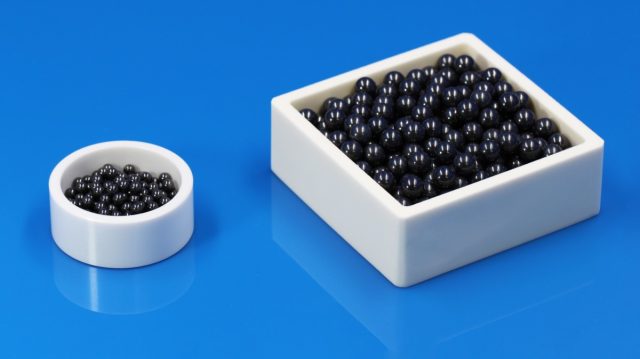
INNOVACERA offers ceramic grinding media such as alumina, zirconia, silicon nitride, and silicon carbide, which can be used in grinding processes for different materials according to specific product specifications.
If you are looking for grinding balls or beads for electronic ceramics or functional powders, please provide the type of powder, impurity control requirements, equipment conditions, and the required media specifications so that we can further discuss suitable product options.
Contact email: sales@innovacera.com