technical ceramic solutions

News

Category Archives: News

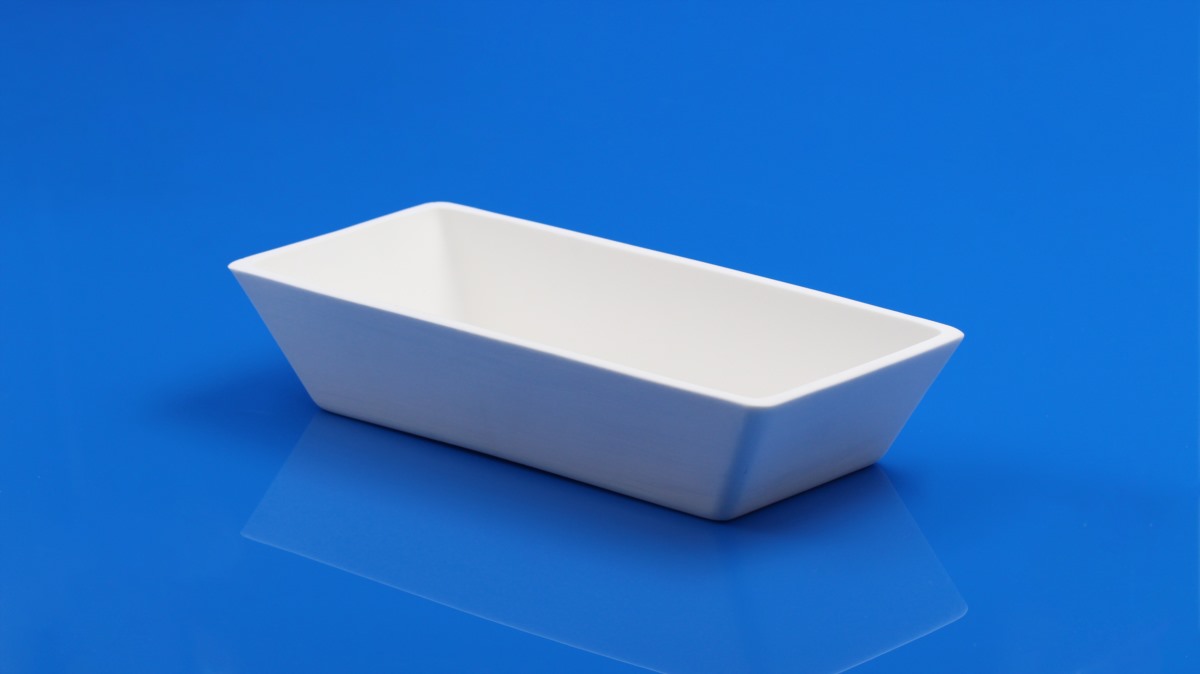
Cynosure Elite Plus Laser Head Cavity Ceramic Laser Cavity Ceramic Reflector

The ceramic laser cavity is a type of laser cavity made from alumina ceramic materials. It is an integral part of a laser system, creating and maintaining the lasing action. Ceramic laser reflectors are high-efficiency diffuse reflectors.  Near-perfect diffuse reflection and high reflection efficiency are effectively exploited in laser systems where the pump band of the laser host is in the spectral range of 500 nm to 1200 nm.


Cynosure Elite Plus Laser Head Cavity Ceramic Laser Cavity Ceramic Reflector

Cynosure Elite Plus Laser Head Cavity Ceramic Laser Cavity Ceramic Reflector

Alumina ceramic materials are preferred for laser cavities due to their high thermal conductivity, excellent mechanical properties, and resistance to thermal shock. Innovacera laser reflectors compared to PTFE polymer reflectors, metal reflectors and packed barium powder diffuse reflectors with several desirable characteristics:

  • Efficient reflection eliminates the need for high-precision focusing reflectors
  • There will be no coating peeling off like specular metal reflectors.
  • Ceramic reflectors are not susceptible to localized catastrophic damage from surface contaminants absorbing radiation.
  • The light field inside the cavity is highly uniform and the output beam profile is more uniform.
  • Dimensionally stable
  • The glass surface is corrosion-resistant and allows direct contact with coolant. The full cavity is easily achieved, so the laser head is simple, compact and low-cost.
  • The ceramic material is strong and durable, resisting breakage when the flash explodes.
  • Long operational lifetime
  • High laser output

Ceramic laser cavities are widely used in various applications, including materials processing, laser cutting, medical lasers, scientific research, and defense systems. Their excellent thermal and mechanical properties make them suitable for high-power laser operation while maintaining stability and longevity.


Are Technical Ceramics Corrosion Resistant?

Technical ceramics generally have excellent corrosion resistance, this mainly depends on their chemical composition and microstructure. The chemical composition of ceramic determines the type and extent of its reaction with corrosive media. The microstructure, including grain size, porosity, microstructure, etc., also significantly affects the corrosion resistance of technical ceramics. So they are highly resistant to chemical attacks and do not easily react with aggressive substances. This property makes them suitable for various applications in corrosive environments, such as in the chemical industry, oil and gas industry, marine applications, and electric power generation. Also, technical ceramics have low porosity, high density, and excellent thermal stability, which enhance their corrosion resistance.


Are Technical Ceramics Corrosion Resistant


In addition to the characteristics of the material, we can also improve the corrosion resistance of the material in the following ways:


1. Surface treated: Technical ceramic surfaces can be treated by coating, plating, oxidation treatment, etc. to improve their corrosion resistance. Such as applying a layer of corrosion-resistant coating on the ceramic surface can effectively prevent the corrosive medium from contacting the ceramic surface, thereby extending the service life of the technical ceramic.


2. Surface Finishing: Polishing or grinding the ceramic surface can help remove any defects that may act as initiation points for corrosion. A smoother surface can also make it more difficult for corrosive substances to adhere to the ceramic.


3. Material Selection: Choosing a ceramic material that has good corrosion resistance can be an effective strategy. For example, materials like alumina, zirconia, or silicon carbide are known for their high chemical stability and ability to resist corrosion.


4. Optimize the ceramics process: By optimizing the ceramic process, its organizational structure and corrosion resistance can be improved. For example, with good molding technology and firing systems, ceramic materials with high density, low porosity, and uniform grain size can be produced, thereby improving their corrosion resistance.


5. Cleaning and Maintenance: Regularly cleaning and maintaining the ceramic components can help prevent the buildup of corrosive substances and extend their lifespan.


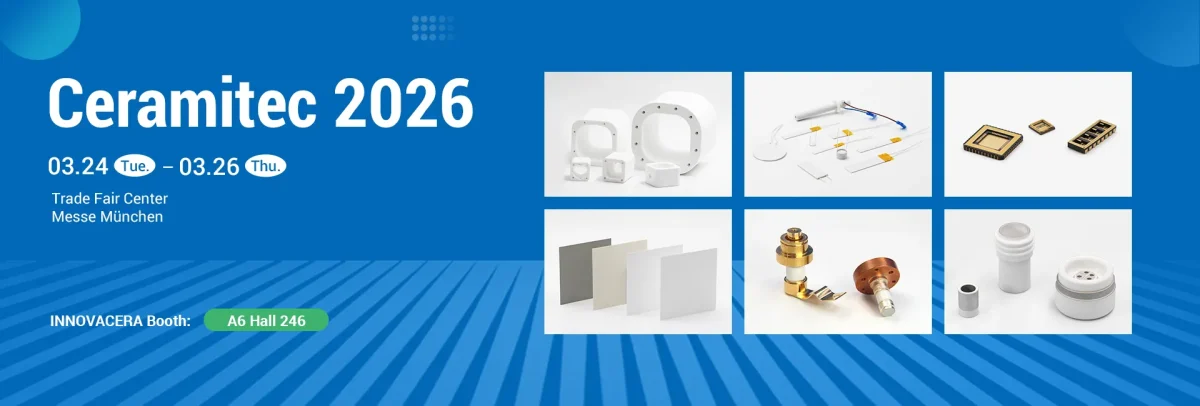
Innovacera At Ceramitec 2024

Innovacera’s team is at Ceramitec 2024 from April 9-12 in Mess Munchen Exhibition Center booth No.A6 145. We had an excellent first day. It is good to see the new and old business partner and friend. Thank you for coming to see us from all over the world like France, UK, Spain, Italy,Switzerland, Korea, Singapore.


Innovacera Advance Ceramic Material will show: Alumina Ceramic, Zirconia Ceramic, Aluminum Nitride, Boron Nitride Ceramic, Porous Ceramic, Silicon Nitride Ceramics, Beryllia Ceramics, Machinable Glass Ceramic, Silicon Carbide Ceramics.


Innovacera cordially invites all old customers, industry professionals, partners, and enthusiasts to visit booth No.A6 145 at Ceramitec 2024.


Ceramitec-2024


Main Uses Of Boron Nitride Setter

One of the main materials supplied by INNOVACERA-Boron Nitride is mainly used in refractory materials, semiconductor solid-phase doping sources, structural materials of atomic piles, packaging materials to prevent neutron radiation, rocket engine components, high-temperature lubricants and release agents.

High Thermal Conductivity Hexagonal Boron Nitride Ceramic Cylinder for Plasma Systems

Boron nitride baking plate is a tool used in ceramic kilns to carry and transport fired ceramic bodies.


These sheets have many excellent properties that make them widely used in ceramics and other high-temperature industrial applications.


Boron nitride Setter features and applications:

High purity: Boron nitride setters usually have high purity, which can reach more than 99.7%.

This prevents it from sticking to the product, contaminating the fired ceramic, and has a long service life.

High temperature resistance: The maximum operating temperature of boron nitride setter plate can reach 2100 degrees Celsius.(Under atmospheric protection)

And it has good resistance to high and low temperature repeated impact and carbon corrosion resistance.


Boron nitride setters are widely used in the following scenarios:

1. Push plates, burners, shed plates, and saggers for ultra-high temperature electric kilns and electric furnaces
2. Pollution-free high-temperature sintering of magnetic materials, powder metallurgy, ceramic substrates, zirconia ceramics ,ALN, Si3N4 and other industrial ceramics.
3. Sintering of electronic components (such as MLCC, LTCC, PTC chip resistors and capacitors).


In short, boron nitride burner plates carry and transport fired ceramics in high-temperature environments, improve firing efficiency, and reduce energy consumption. They are one of the indispensable key materials in the ceramic industry.


Why Aluminum Nitride Heater Plate Is Very Difficult To Make

Aluminum nitride ceramic heating plates are widely used in the semiconductor industry. The size is generally 8 inches. The demand for aluminum nitride ceramic heating plates is very tight, but there are very few manufacturers that can process aluminum nitride ceramic heating plates. The main reason is that the aluminum nitride ceramic heating plate is very difficult to process. So why is the aluminum nitride ceramic heating plate difficult to process?

AlN Heater Plate

First, we need to understand what the aluminum nitride ceramics are:


Experts in the ceramic industry know that aluminum nitride ceramics are advanced ceramic materials that have high thermal conductivity and electrical insulation properties and are widely used in the electronics industry.


Aluminum nitride crystal belongs to the hexagonal crystal system. It is a covalently bonded compound with tetrahedron as the structural unit and has a wurtzite structure. At the same time, it is also a high-temperature resistant ceramic material. Its single crystal thermal conductivity is about 5 times that of alumina. It can be used in an environment of 2200°C and has good thermal shock resistance.


At the same time, aluminum nitride is resistant to corrosion by metals in the molten state and is almost unstable by acids. Because the aluminum nitride surface reacts to form an extremely thin oxide film when exposed to moist air, takeing advantage of this property and use it as a crucible and firing mold material for the smelting of aluminum, copper, silver, lead and other metals. Also because aluminum nitride ceramics have better metallization properties, they can replace toxic beryllium oxide ceramics and are widely used in the electronics industry.


The chemical formula of aluminum nitride is AlN, and its chemical composition is about 65.81% AI and 34.19% N. Its powder is generally white or off-white, and it is colorless and transparent in the single crystal state. Its sublimation decomposition temperature under normal pressure reaches 2450°C.


The thermal conductivity of aluminum nitride ceramics is between 170~210 W / (m.k), and the thermal conductivity of single crystal can be as high as 275 W / (m.k) or more. High thermal conductivity (>170W/m·K), close to BeO and SiC; thermal expansion coefficient (4.5×10⁻⁶℃) is similar to Si (3.5~4×10⁻⁶℃) and GaAs (6×10⁻⁶℃) Matching; excellent various electrical properties (dielectric constant, dielectric loss, volume resistivity, dielectric strength); good mechanical properties, higher flexural strength than Al2O3 and BeO ceramics, can be sintered at normal pressure; can be produced by tape casting process.


Aluminum nitride ceramics is a hard and brittle material. It is very difficult to process after sintered. Its various properties are superior to other ceramic materials, which also means that its processing difficulty is higher than other ceramics. There is another fatal difficulty in processing aluminum ceramics which is it is very brittle and very easy to have white edges.


Under this circumstance, it has become extremely difficult to make ceramic heating plates from aluminum nitride. An 8-inch aluminum nitride ceramic heating plate is approximately a disc with a diameter of 315mm and a thickness of 19mm. The aluminum nitride material used to make the heating plate needs to be larger than this size. In the processing industry, this size is very large. In the processing center It is very easy to damage the entire material when the slot is empty.


The processing cost of such a large aluminum nitride ceramic material is very high. If there is a slight problem in a certain detail, the entire material will be scrapped. So the risk is also very high when processing aluminum nitride heating plates. If a piece of material is damaged, the manufacturer will lose all its money, so many manufacturers are not willing to take this risk, which results in very few manufacturers processing aluminum nitride heating plates.


Boron Nitride Ceramic Evaporation Boat Sets For Thermal Evaporation

In the realm of materials science and manufacturing, thermal evaporation stands as a fundamental process for depositing thin films of various substances onto substrates. Whether in the domain of scientific research or industrial production, the efficiency and precision of thermal evaporation are very important. To meet the demands of this critical process, boron nitride ceramic evaporation boat sets emerge as indispensable tools, offering excellent performance and versatility.

BN ceramic evaporation boat

Innovacera offers an extensive selection of boron nitride ceramic evaporation boat sets, readily available for purchase. The remarkable sales volume of this series has surpassed 10,000 units, attesting to its popularity and reliability. The BN ceramic evaporation boat, functioning equivalently to internally heated ceramic containers, caters to a wide spectrum of metal evaporation processes, encompassing precious metals like gold and silver, as well as various other metals and alloys including copper, zinc, nickel, and chromium.

Boron Nitride Ceramic Evaporation Boat With tungsten basket

Notably, this boron nitride evaporation boat ensures the complete evaporation of most metals without any loss, with the added advantage of re-usability for the evaporation tungsten basket. Our innovatively developed ceramic evaporation boats offer a novel solution for thermal evaporation needs, serving as invaluable assets for scientific research and metal production requirements alike. Available in sizes ranging from 0.25ml to 3ml, these boats provide versatility to suit diverse application needs.

Innovacera specializes in the development and production of boron nitride products, primarily manufacturing ceramic insulating components, crucibles, tubes, rings, sheets, shaped parts, boats, nozzles, and other boron nitride ceramic products. These products have found successful implementation in ultra-high-tech applications across various fields, including ultra-high temperature equipment production, powder metallurgy gas atomization processing, thermal plastic molding, optical glass manufacturing, horizontal continuous casting, amorphous strip production, technical ceramic components sintering, fluorescent powder sintering, metal casting, electronics industry, superhard materials development, semiconductor fabrication, and aerospace technology applications.

The distinctive features of boron nitride ceramic evaporation boats contribute significantly to their effectiveness in thermal evaporation processes:

  • High Purity: Boron nitride ceramic ensures the purity of the evaporated material, minimizing contamination and enhancing the quality of the deposited thin films.
  • Low gas content: BN boats is the minimal presence of gases within the material of the evaporation boats, which can otherwise interfere with the evaporation process or lead to contamination of the deposited thin films
  • High density: High-density materials are more robust and can withstand the mechanical stresses and thermal cycling inherent in thermal evaporation operations
  • Uniform grain: A uniform grain structure ensures homogeneous properties throughout the material, including thermal conductivity, mechanical strength, and chemical stability.
  • Good compactness: the tight packing of grains within the boron nitride ceramic material, resulting in a dense and homogeneous structure.
  • Complete Evaporation: The design of boron nitride ceramic evaporation boats facilitates the thorough evaporation of most metals without any loss, ensuring maximum efficiency in material utilization.

Magnesium Stabilized Zirconia (MgO-ZrO2) Ceramic Nozzles

1. MgO-ZrO2 Ceramic Metering Nozzles (lnserts)

They are mainly used in steel making continuous casting ladles, converter tundishes, and converter taphole slag retaining mechanisms.

Magnesium Stabilized Zirconia Ceramic Nozzles

Features:

  • Good erosion resistance, corrosion resistance
  • Thermal shock stability
  • The service time is generally 50 hours, which solves problems such as clogging, cracking and diameter expansion.

Related general products:

  • Continuous casting tundish upper nozzle
  • Tundish quick change nozzle
  • Fixed diameter nozzle for continuous casting.

2. MgO-ZrO2 Ceramic Atomizing Nozzles

They are mainly used in the powder metallurgy industry, the smelting of ferrous and non-ferrous metal powders, such as nickel-based alloy powders, copper powders, stainless steel powders, iron powders and other super alloy powders.

Features:

  • Higher density,
  • Excellent resistance to high temperature corrosion,
  • Resistance to erosion by metallic liquids
  • Thermal shock performance.

Different stabilizer materials and particle sizes are used according to different requirements. The nozzles of various types and sizes can be customized individually according to different using condition and requirements.


Technical Indicators

Indicators Item Units MSZ-H MSZ-L
Density g/cm3 5.35-5.45 5.45-5.60
Main Composition ZrO2+HfO2 % ≥95 95-96
Al2O3 % ≤0.2 ≤0.2
SiO2 % ≤0.4 ≤0.4
MgO % ≤2.9 ≤2.9
Fe2O3 % ≤0.1 ≤0.1
TiO2 % ≤0.1 ≤0.1

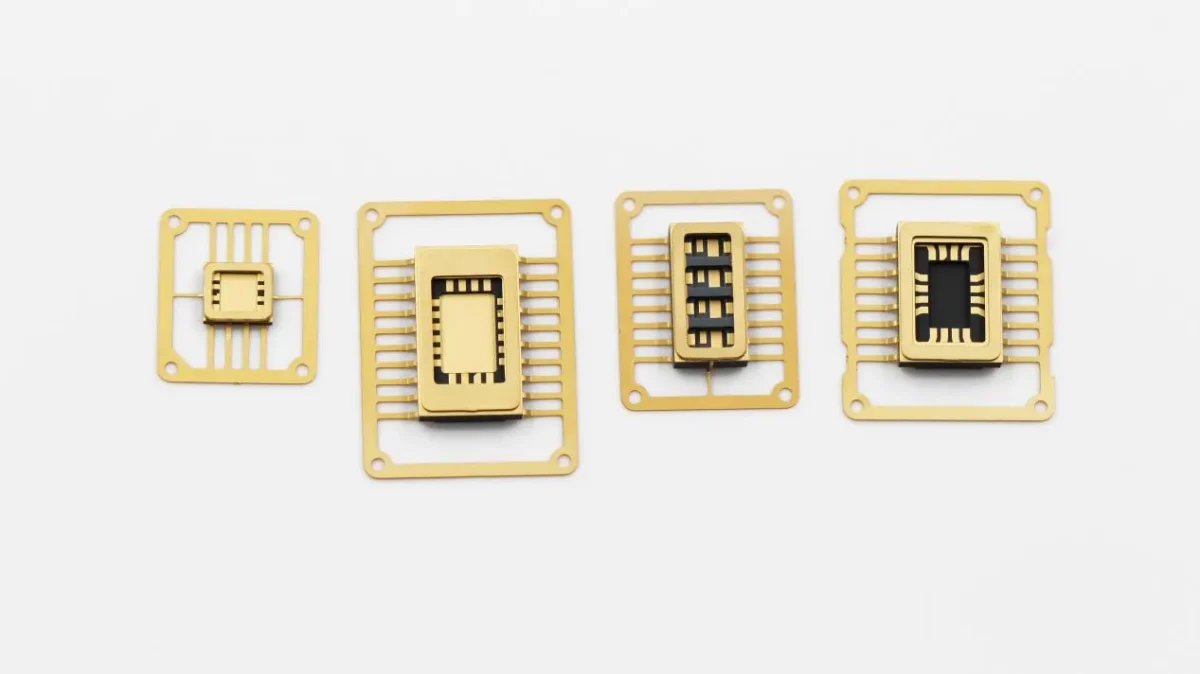
Ceramic Feedthroughs For Hermeticity and Electrical Isolation Application

In aerospace, electrical and medical equipment applications, maintaining hermeticity and electrical isolation is critical. Ensuring a reliable seal against environmental contaminants while facilitating the transmission of electrical signals requires sophisticated solutions. Ceramic feedthroughs have emerged as indispensable components, offering unparalleled performance in achieving hermeticity and electrical isolation in demanding environments.

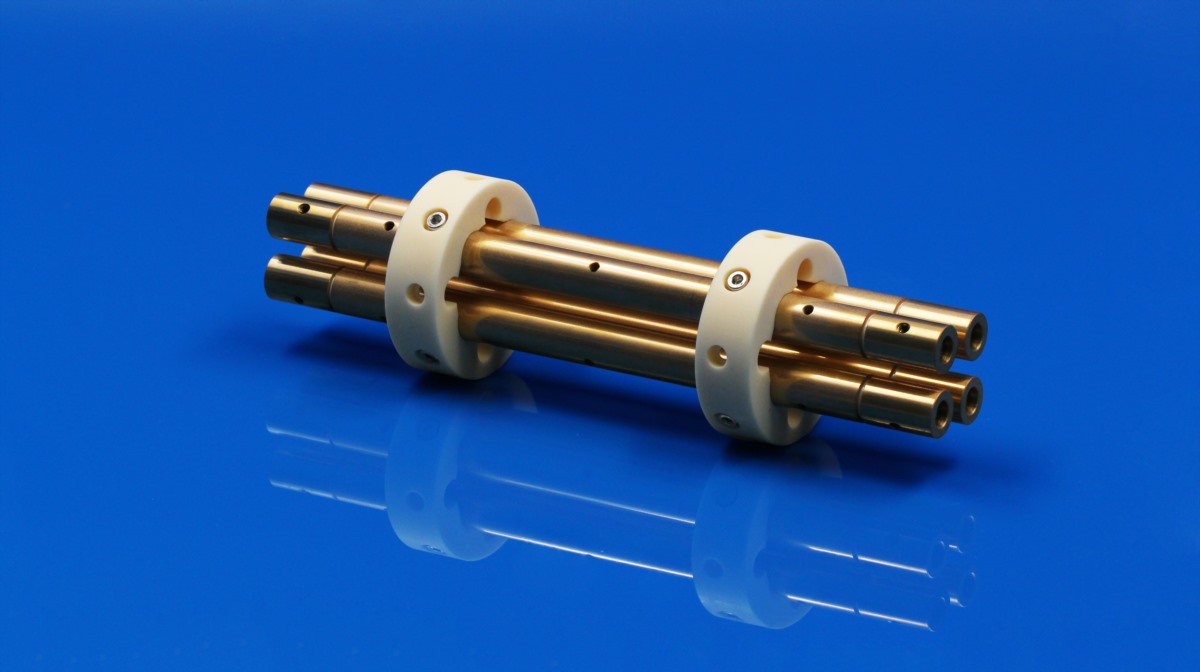
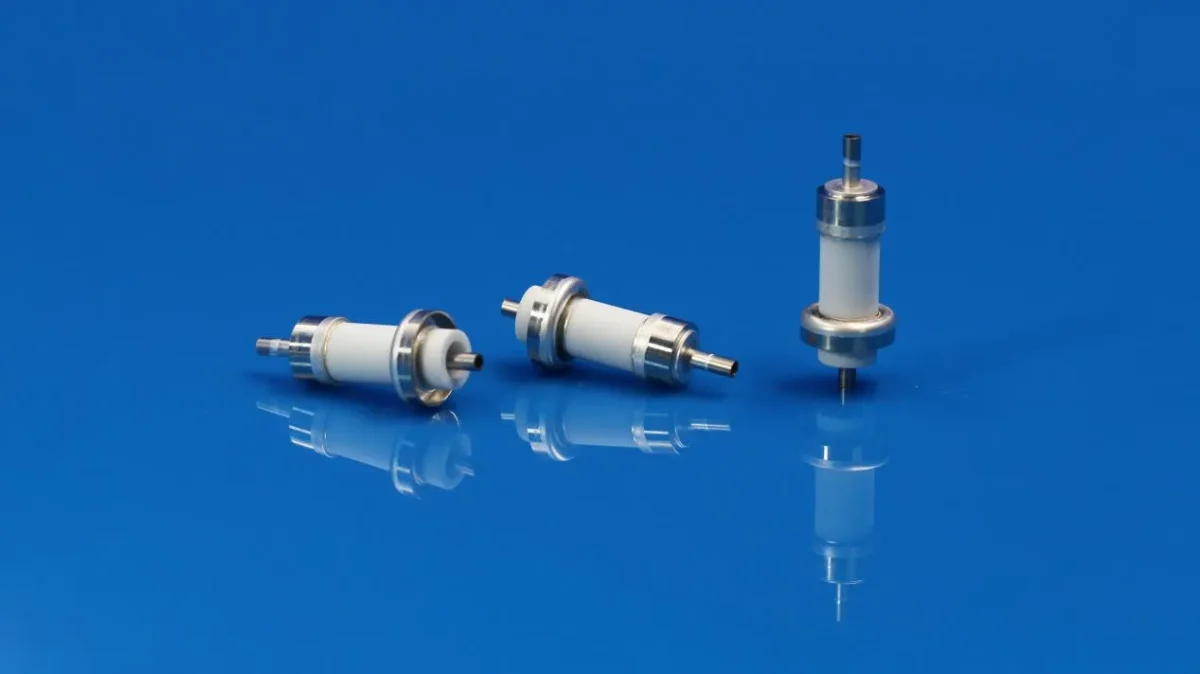
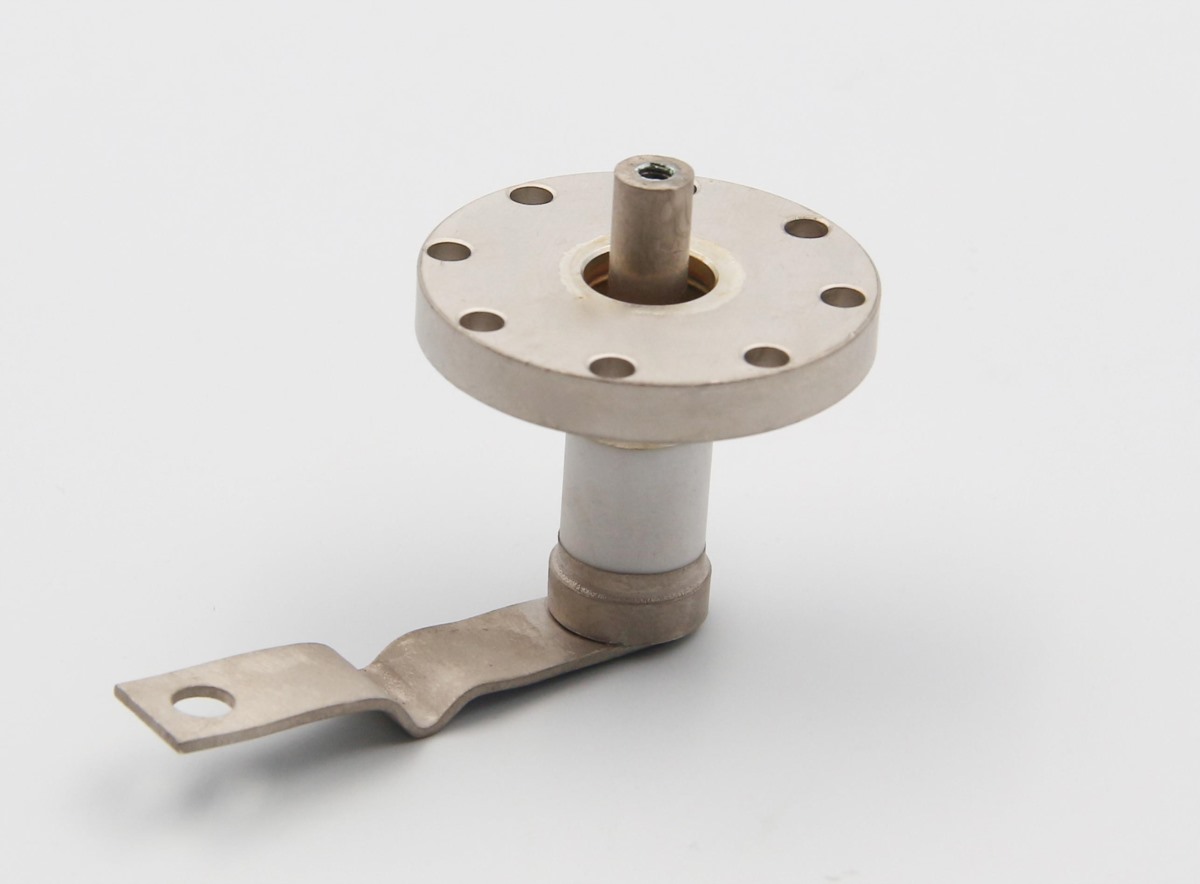
Ceramic Feedthroughs For Hermeticity and Electrical Isolation

Ceramic feedthroughs serve as conduits for electrical signals, allowing them to pass through barriers such as vacuum chambers, pressure vessels, or hermetically sealed enclosures while maintaining a tight seal against moisture, gases, and other contaminants. This benefits makes ceramic feedthroughs essential in applications where need the reliability and durability.


Innovacera ceramic-to-metal feedthroughs insulators are made by high purity alumina ceramics and Metals are made by stainless steel, nickel, copper, nickel-iron alloys, cupro-nickel alloys, molybdenum and Kovar. The braze materials Innovacera used are silver, copper, silver-copper, or gold-copper alloys. Innovacera controls and monitors critical processes of each ceramic feedthroughs, such as helium leak testing and x-ray measurements.


The ceramic feedthroughs have material properties such as high mechanical strength, thermal stability, and chemical resistance, making them ideal candidates for withstanding extreme operating conditions. Whether subjected to high temperatures, corrosive environments, or mechanical stress, ceramic feedthroughs maintain their integrity and functionality, ensuring long-term performance and reliability.


Even the slightest ingress of moisture or contaminants will effect the functionality of sensitive electronic components, so the hermetic sealing is critical. Ceramic feedthroughs provide an effective barrier against external influences, creating a reliable seal that prevents leakage and maintains the integrity of the enclosed environment. This is particularly crucial in industries such as aerospace, electrical and medical device.


Ceramic feedthroughs are excellent in providing electrical isolation between different environments or components within a system. By virtue of their dielectric properties, ceramics prevent the transmission of electrical currents, thereby ensuring that signals remain isolated and interference-free.


The versatility of ceramic feeders extends to a wide range of applications in a variety of industries. In aerospace, ceramic feedthroughs are used in satellite communications systems, spacecraft instrumentation and propulsion systems to provide reliable electrical isolation and sealing in the vacuum of space. In medical devices such as implantable pacemakers and defibrillators, ceramic feedthroughs can transmit electrical signals while maintaining a sterile and sealed environment within the device.


Additionally, ceramic feedthroughs also used for semiconductor manufacturing , where they help transmit electrical signals in vacuum chambers and plasma processing environments. Its rugged construction and high reliability make it an indispensable part for ensuring the integrity and performance of critical manufacturing processes.


If you need any ceramic to metal ceramic components such as ceramic feedthroughs, welcome to send your inquiry to us at sales@innovacera.com.


Metallized Ceramic Cylinders for Vacuum Interrupters &Capacitors

Metallization ceramic cylinders are a crucial component of vacuum interrupters (often referred to as VI) used in the fabrication of vacuum circuit breakers (VCB). VCBs find application in medium-voltage switchgear and distribution circuits, where they play a pivotal role in regulating distribution voltage by suppressing voltage surges.

Metallization Alumina for Isolators

Innovacera is a lead supplier of high purity alumina metallized ceramic cylinders. These metalized cylinders are used in vacuum arc extinguishing chambers worldwide due to their excellent electrical insulation properties


Innovacera specializes in the metallization of molybdenum-manganese (Mo-Mn) and nickel plating, providing excellent hermetic sealing for these metallzed ceramic cylinders, essential components in vacuum interrupters.


The hermetic sealing ensures the maintenance of the required vacuum level for efficient arc extinguishing within the interrupter chamber. Moreover, the high mechanical strength of Mo-Mn metallization prolongs the service life of vacuum interrupters, contributing to their reliability and durability. By offering advanced solutions in metallization techniques, Innovacera continues to play a crucial role in enhancing the performance and longevity of critical electrical infrastructure components.


Metallized ceramic cylinders provide fabrication properties and can then be easily brazed with common brazing alloys for a variety of applications.


Characteristics Description
Shapes Cylindrical, Corrugated, Stepped, Grooved
Sizes 1.0″ to 7.0″
Material and Color Aluminum Oxide, White
Features Excellent Electrical Insulation
Excellent Hermetic Sealing
High Mechanical Strength of Metal-Clad Layers


Application Description
Vacuum interrupters in vacuum circuit breakers Used to maintain efficient operation and ensure safety in vacuum circuit breakers
Load break switches Provide reliable breaking and safety
Relays Automatic switches in electrical control systems
Automatic reclosers Used for automated reclosing operations
Isolators Provide additional safety isolation in circuits
Mining circuit breakers Suitable for circuit breakers in mining environments
Capacitors Capacitor circuit breakers in power systems
Generator circuit
breakers
Protect generators and prevent circuit overload
Vacuum tubes Used to protect circuits from overcurrents
Fuses Provide short-circuit and overload protection
Switchgear Various types of switching devices for controlling power flow


Benefit
High Purity Aluminum Oxide Capability for Internal Electrode Brazing
Efficient Arc Extinguishing in Interrupter Chambers Specialized Production Lines
Extended Lifespan Outstanding Collaborative Partner
Customized Solutions


Innovacera’s team of technical experts is here to help you meet your metalllized ceramic requirements. We offer comprehensive solutions – from prototype design and manufacturing to large-scale production.


Ceramic Components Improve Photovoltaic Efficiency

Innovacera produced precision ceramic components which have a positive effect on durability in the photovoltaic industry. Advance ceramic components play a important role in solar energy technology and improve efficiency in various areas of photovoltaic systems.

99 alumina ceramic suction plate for solar energy

Below is some typical ceramic products for Photovoltaic industry.

Ceramic insulation rings for thermal decoupling in solar systems.
Ceramic encapsulation offer superior thermal conductivity, facilitating efficient heat dissipation from the solar cells, thereby mitigating thermal stress and enhancing overall performance. Also provide a robust barrier, safeguarding the delicate solar cells throughout their operational lifespan.
Ceramic heat sinks protect from overheating in high-concentration photovoltaic systems .
Fine ceramic bearings and bushings are used in the drives of tracked photovoltaic systems.
Ceramic rollers give precise rolling of flat wires in PV systems.
High thermal ceramic substrates for solar application.


Ceramic components are widely use in the photovoltaic industry is because of their excellent properties in corrosion resistance, good electrical insulator and mechanical strength. So the alumina ceramic, zirconia ceramic, silicon nitride ceramic, aluminum nitride is ideal ceramic material for making ceramic part for photovoltaic industry.

Ceramic Components Improve Photovoltaic Efficiency

Alumina ceramic material properties is as below:

Properties Units Alumina Ceramic
Purity wt% 95% 99% 99.80%
Volume Density g/cm3 3.65 3.8 ≥3.89
Water Absorption % 0 0 0
Crystal Size(Grain Size) μm 4-5 4-5 4-5
Vickers Hardness, HV1.0 Gpa 14 1600 ≥15
Flexural Strength Mpa 300 310 ≥300
Coefficient of Linear 20-500℃ 1×10⁻⁶ 6.5-7.5 6.5-7.5 6.5~7.5
Expansion 20-800℃ mm/℃ 6.5-8.0 6.5-8.0 6.5~8.0
Thermal Conductivity W/m·K( 20℃) 20 25 ≥20.9
Specific Heat Capacity KJ/(kg·K) ≥0.8 ≥0.8 ≥0.8
Dielectric Strength KV/mm ≥12 15*106 ≥12
Volume Resistivity Ω·cm 20℃ ≥1014 ≥1014 ≥1014
Ω·cm 300℃ ≥1011 ≥1011 ≥1011
Ω·cm 500℃ ≥109 ≥109 ≥109
Dielectric Constant 1MHz 9 9-10 9-10
Tangent of Dielectric Loss 1MHz ≤4×10⁻⁴ ≤2×10⁻⁴ ≤3×10⁻⁴
Surface Roughness μm 0.4 After Machine 0.1-0.4 After Machine 0.1-0.4 After Machine
Max Working Temperature 1600 1600 1650


Photovoltaic system needs ceramic suction plate, ceramic rack, ceramic top tooth block, top comb pins, side comb plates as below are very hard to machine because it needs high quality control in the flatness, deformation and surface finish and Innovacera make it.

Zirconia Ceramic Pins For Photovoltaic Industry

As insulator materials, ceramics are key components of energy saving solutions. Within the energy sector, ceramic components are also used in machinery for energy production, including bearings, plate, rods, valves, seals, spheres, pumps, sheaths, and tubes for wind turbines, gas turbines, oil and gas extraction equipment, and other systems.


In addition to their electrical and thermal properties, ceramic parts contribute to the optical enhancement of solar panels. Ceramics play a crucial role in the manufacturing of solar commentators, which focus sunlight onto photovoltaic cells to intensify energy generation. Ceramics, with their ability to withstand high temperatures and harsh operating conditions, serve as ideal materials for the fabrication of concentrator components, ensuring long-term performance and reliability.


Enquiry