technical ceramic solutions

News

Category Archives: News

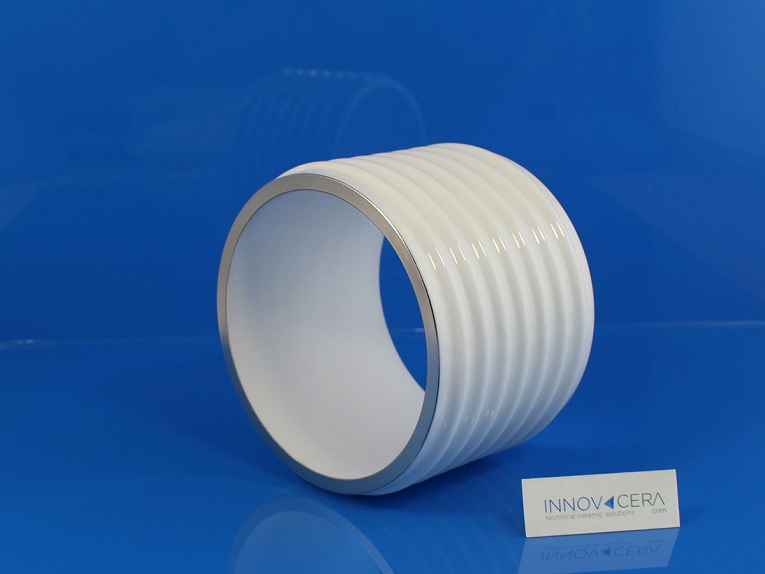
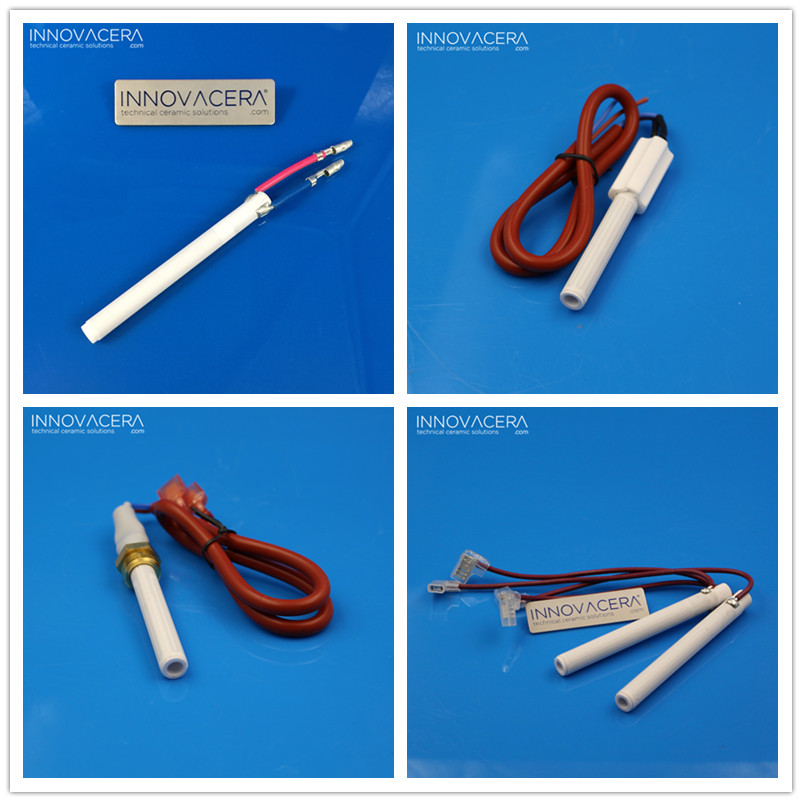
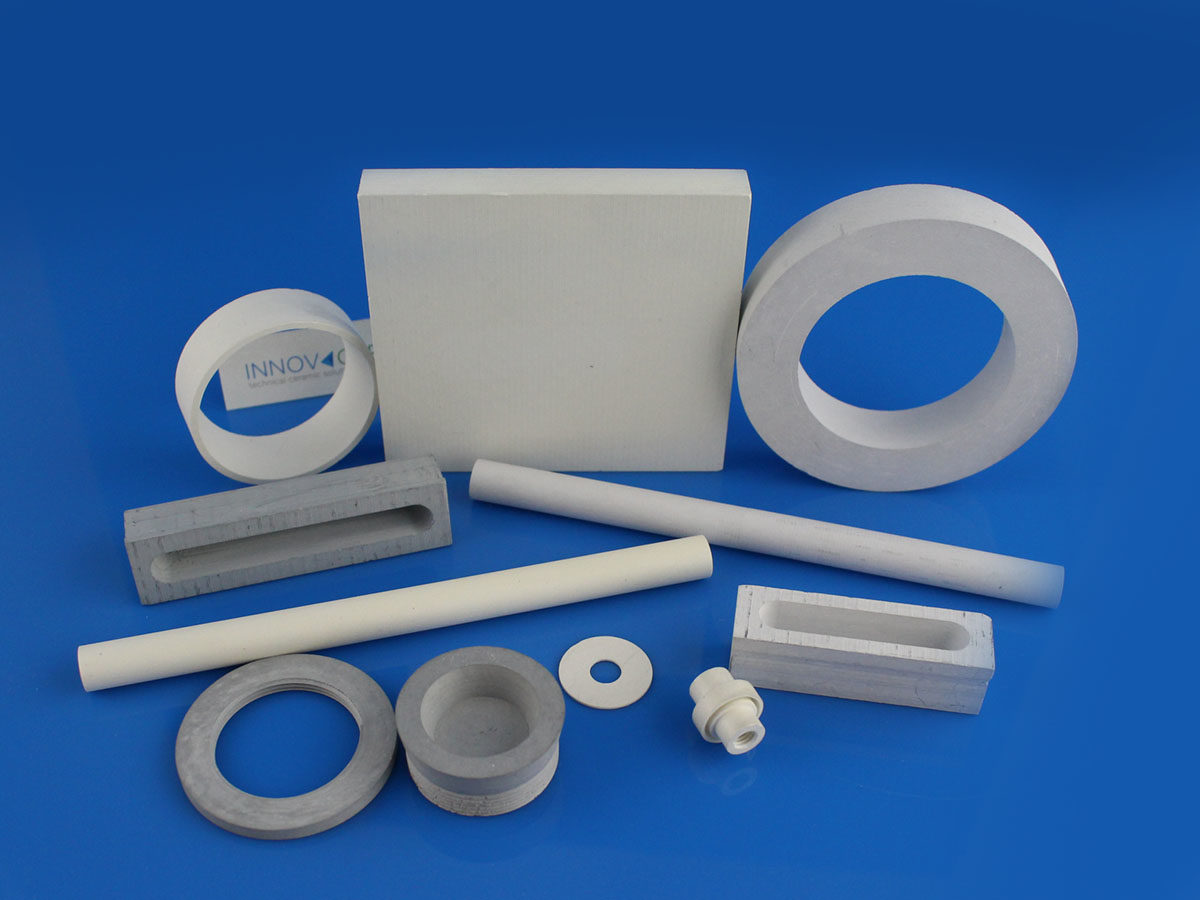
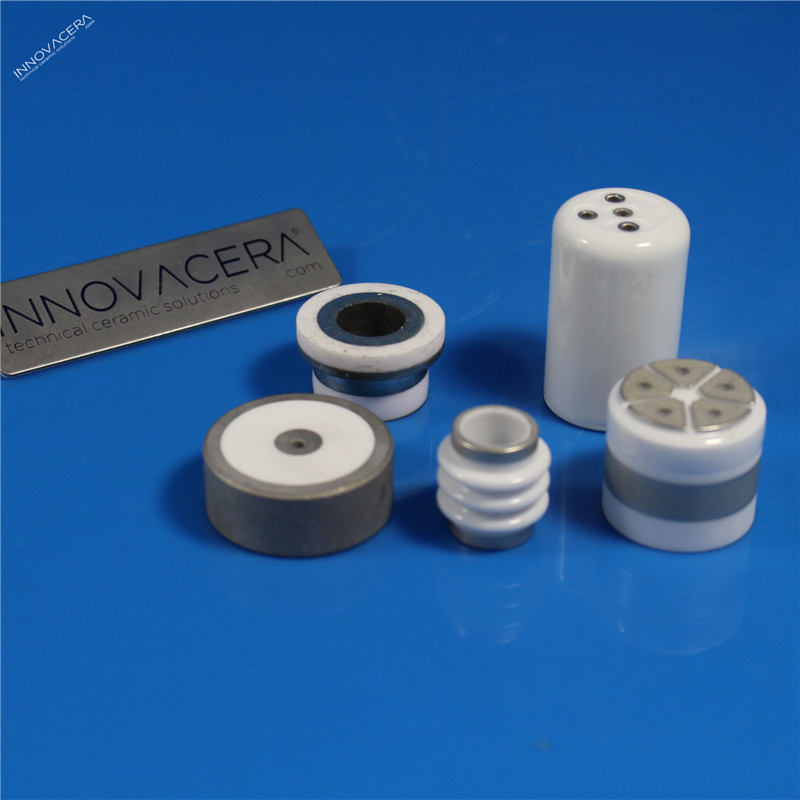
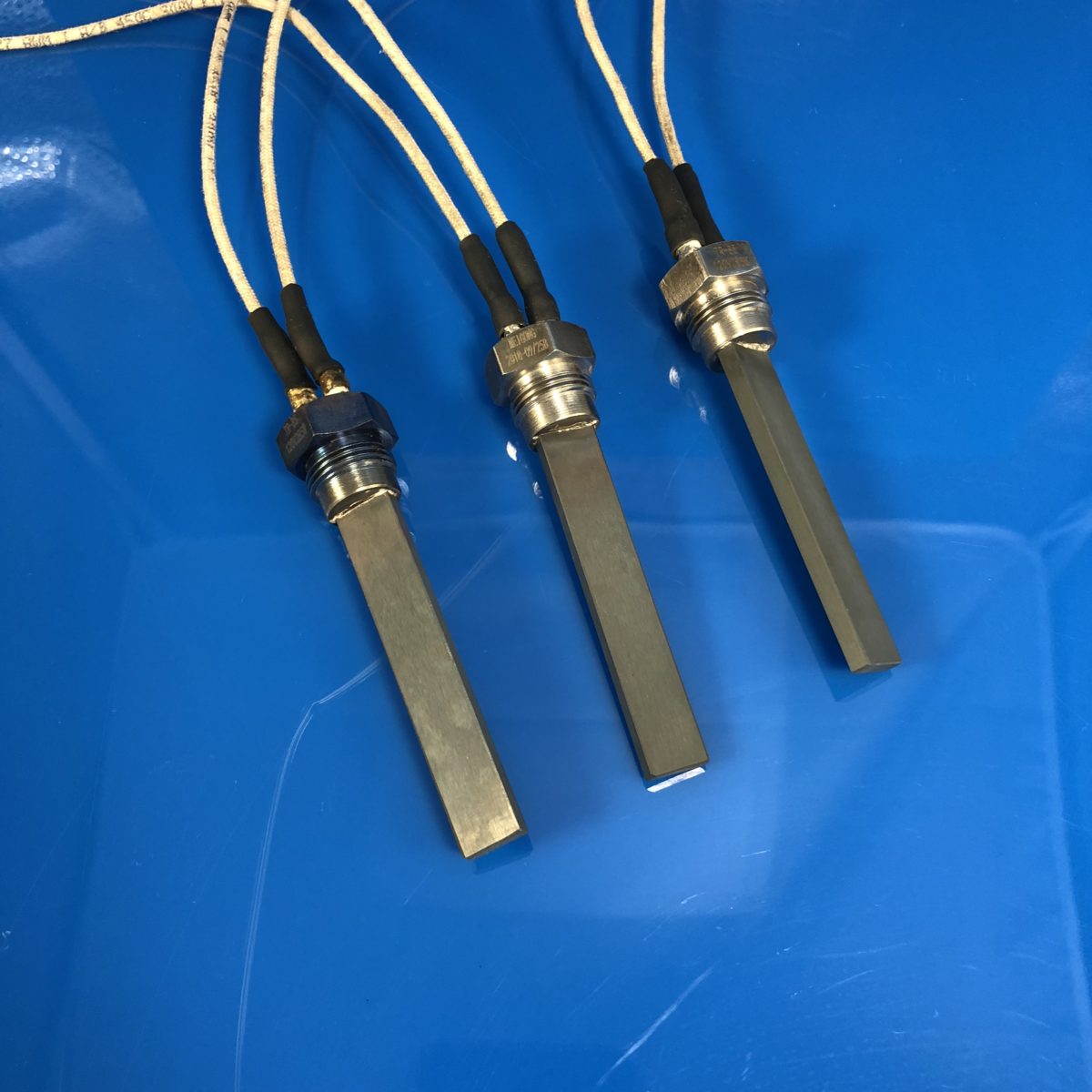
The suitable design ceramic heater for your heating management system!

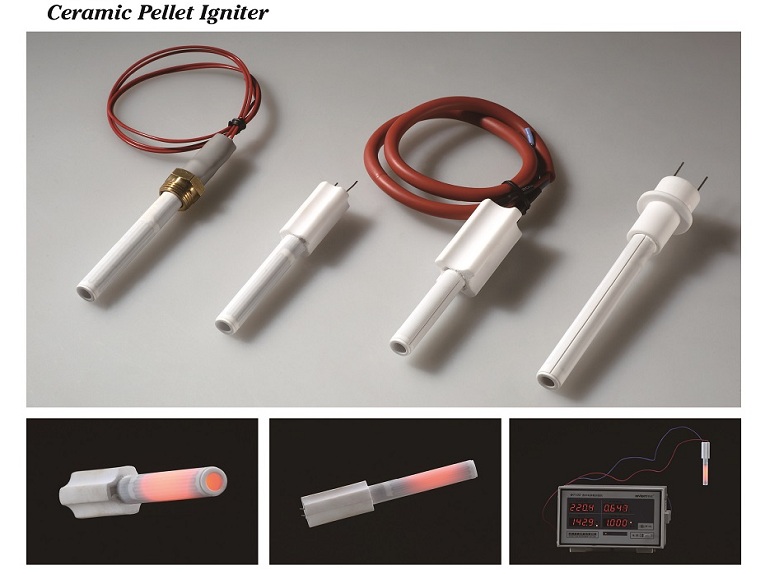
Do you require ceramic heater/heating elements for normal applications, such as for ignition or hot air generation for Biomass Burner?

Or are you looking for a tailor-made solution for laboratory equipment or special machines?

High temperature ceramic heating elements from Innovacera are the suitable choice for you!

Our heating elements prove their value where normal heating cartridges have long since failed: In the temperature range above 800°C.

Alumina Ceramics-heating elements with system:

1).Maximum element temperature: 900°C in permanent and alternating operation, for a short time up to 1,200°C

2).Just a few seconds heating up time (depending on the component geometry)

3).Controllable throughout the entire temperature range

4).Electrically fully insulated from the inside and outside

5).High load-bearing capacity (thermal shock resistance, cycles)

6).Extremely oxidation and corrosion-resistant

We offer you high quality heating elements from our standard product range:

Tube-shaped heating elements;

Performance data: 120 – 350W, 1,000°C, 230Vac or 120Vac

Rod-shaped heaters; performance data: 50W, 1,000°C, 12-120V

Rod-shaped micro-heaters; performance data: 20W, 1,000°C, 6-12V

Flat heating elements up to max.800°C

We can do ceramic heating element according to your design.


Contact Information

Ms.Charlin Xu (Sales Engineer)

Ceramic Heater and Boron Carbide Components

Tel: 0086-592-558 9731

Fax: 0086-592-558 9731

Email: charlin@innovacera.com


INNOVACERA’S Mid-Autumn Day and National Day Holiday

INNOVACERA’S Mid-Autumn Day and National Day Holiday

1. MID-AUTUMN HOLIDAY
Our office will be closed from 19th Sept.(Thursday) to 21th Sept.(Saturday).

2. NATIONAL DAY HOLIDAY
Our office will be closed from 1st Oct.(Tuesday) to 7th Oct.(Monday).

During the holidays, please feel free to send your e-mail inquiries to sales@innovacera.com and put the recipient’s name in the subject line. We wish you a peaceful and happy holiday!

The INNOVACERA Team


High-alumina ceramic insulator at heart of new spark plug

Surefire+ Spark Plug

Sure Fire Plus spark plugs use a high-alumina insulator material to provide higher voltages without electrical breakdown and fit into the tighter packaging windows used in modern gasoline engines. (Credit: Federal-Mogul.)

Federal-Mogul Corp., a Southfield, Mich.-based supplier of OEM and aftermarket automotive components and systems, has introduced a new high-performance spark plug featuring a high-alumina insulator material that enables the plug to handle the increasing thermal, voltage, and other requirements of modern high-output gasoline engines.

The company’s SureFire Plus spark plugs provide higher voltages, extend plug life, and are designed to fit efficiently into the increasingly crowded engine cylinder heads, according to a news release.

Trends in modern gasoline engine technology include the need to maintain or increase performance while lowering CO2 emissions. Downsized engines with high compression ratios produce much higher peak temperatures and pressures during combustion, and use leaner air-fuel mixtures and alternative fuels that are more difficult to ignite. All these factors increase the energy requirement and thus the voltage needed across the spark plug, according to the release. Coupled with reduced real estate for the spark plug in the cylinder head—the result of smaller cylinder diameters, more valves per cylinder, and direct fuel injection technology—these changes led Federal-Mogul to develop a better insulator material that would enable high-voltage ignition and fit in a smaller package.

Rich Keller, director of product ignition engineering, says the new spark plugs can handle voltages of 42 kV or more, compared to 36 kV for the previous generation of plugs. “The ceramic insulator is the only barrier between the electrodes,” Keller says in the release. “It forces the spark to jump the gap, which initiates combustion. The unprecedented level of ceramic performance we have achieved in SureFire Plus spark plugs enables a new generation of ignition systems that provide greater energy and durability in a smaller package.”

Keller says the down-sized insulator is also a big deal. “Traditionally, spark plugs have used a 14-mm thread body,” he explains. “Today, most new engines are coming out with 12-mm thread bodies. In the future, we see this going to 10 mm in size.”

According to the release, spark plug insulators have typically been produced from a material consisting of 95 percent alumina and 5 percent glass. The insulator material in the new plugs is nearly pure alumina doped with small amounts of other oxides designed to improve high-temperature shunt resistance and minimize electrical current leakage through the ceramic.

Keller says the advanced insulator material required changes in processing methods and equipment. “In production of SureFire Plus plugs, we’ve gone from 8,500 psi compaction pressure to 30,000 psi,” he explains. “We are also heat treating the blanks to make sure we can handle them without breaking them.

The company is currently in pilot production with the new plugs; high-volume manufacturing is slated to start in May 2014. According to the release, Federal-Mogul also expects non-automotive applications for the patent-pending material, such as in the compressed natural gas market.

Linked: ACerS


KYOCERA Develops Ultra-Thin, Lightweight ‘Piezo Film Speaker’ for TVs, PCs, Tablets

KYOCERA Develops Ultra-Thin, Lightweight ‘Piezo Film Speaker’ for TVs, PCs, Tablets
High audio quality “Smart Sonic Sound” utilized in flat-screen TV for first time

Kyocera Corporation (President: Goro Yamaguchi) today announced that it has developed an ultra-thin, lightweight (medium-size model thickness: 1mm; weight: 7g) audio device, called “Smart Sonic® Sound.” The new product is based on the company’s long history of pioneering fine ceramic technology and utilizes a piezoelectric actuator combined with a special film to create a piezo film speaker. Smart Sonic Sound will not only contribute to making digital devices even thinner ― such as flat-screen TVs, PCs and tablets ― but also enhances audio quality for a much more realistic audio experience. Its low directivity characteristics broaden the sound projection range, providing 180-degree sound quality and bringing delicate and minute sounds to life.

This innovative piezo actuator audio technology is being utilized in a flat-screen television for the first time*1 by LG Electronics, Inc. in the company’s new 55” curved-screen OLED TV. Smart Sonic Sound comes in three different sizes (large, medium and small), and Kyocera plans to expand its use in a broad range of applications including digital devices and automotive applications with strict weight requirements.

This is the second audio innovation from Kyocera in recent years. The company launched the award-winning Smart Sonic Receiver® in early 2012, revolutionizing how sounds are heard exclusively on Kyocera mobile phones for the Japan and U.S. markets. Smart Sonic Receiver uses a ceramic actuator to send vibrations via tissue conduction and traditional air conduction through display screens without the need for a traditional earpiece or loudspeaker, making it ideal for clear audio in exceptionally noisy environments. The new Smart Sonic Sound technology uses the same base technology but with a different implementation that amplifies air conduction.

Smart Sonic Sound component in small, medium and large (left), with a thickness of just 1mm (right) Smart Sonic Sound component in small, medium and large (left), with a thickness of just 1mm (right)
Smart Sonic Sound component in small, medium and large (left),
with a thickness of just 1mm (right)

Development Background
Currently there is a growing demand for even further downsizing (thickness and weight) of flat-screen TVs, PCs and other digital devices. However, up until now there has been a limit to the achievable thinness of such devices due to the size of conventionally-used cone-shaped electromagnetic speakers, which has confined design and engineering layouts. Furthermore, as organic light-emitting displays (OLED) and 4K high-definition screens create a superior visual experience, it has become necessary for audio technology to rise to new heights as well.

Main Characteristics

1. Ultra-thin, lightweight size allows flexibility in end-product design

Illustration:Size reduction comparison

The piezo actuator used in the new product was born from Kyocera’s proprietary fine ceramic material technology and lamination technology, combined with a special film. Smart Sonic Sound can create the same audio volume as conventional electromagnetic speakers in just a fraction of the width and weight. This allows for the speaker device to be built onto the front face of an end-product with ease ― contributing to flexibility and enhancements in end-product designs.

Model Large Medium Small
Size (mm) 70×110×1.5 35×65×1.0 19.6×27.5×0.7
Weight (g) 23g 7g 1g
Frequency range 200Hz – 20kHz 500Hz – 20kHz 800Hz – 20kHz

2. Low directivity, and high responsivity create a high-quality audio experience

Illustration:Acoustic Pressure Directivity Comparison(10kHz)

As the new product’s piezo actuator and film create sound through vibrations, the directivity (directional projection of sound waves) is more balanced than a conventional speaker, meaning that sound quality and volume are delivered almost completely equally within a 180 degree range. Moreover, the high speed of responsivity in the Smart Sonic Sound is able to reproduce delicate and minute sounds such as raindrops and background effects with greater clarity, thus providing an even more realistic audio experience.

3. No rare earth elements used

Illustration:Material composition

Electromagnetic speakers use the repulsion force of magnetic fields created between the magnet and coil to produce sound, which is achieved through the use of rare earth elements such as neodymium. Conversely, the core component in the Smart Sonic Sound is made of a piezo actuator (fine ceramics) and resins, so the new product eliminates the use of rare earths.

Kyocera will continue to develop new applications for the use of its piezo film speaker, helping to contribute to the further downsizing of electronic equipment.

Other products using Kyocera piezo actuators
Kyocera has developed a range of piezo actuator products using the company’s proprietary technology. Among the wide range of applications, some notable examples include: actuators*2 for diesel-engine vehicles requiring high reliability; actuators*3 in the world’s fastest inkjet printhead*4 used for on-demand printing applications; as well as Kyocera’s Smart Sonic Receiver.

*1 The world’s first use of a ceramic piezoelectric actuator as the sound device for a flat-screen television. As of July 31, 2013; based on research by Kyocera.
*2 These actuators control fuel injection, thus enhancing fuel efficiency and reducing emissions.
*3 These actuators are used to control the ejection of ink drops in inkjet printheads.
*4 As of July 31, 2013; based on research by Kyocera.
“Smart Sonic” and “Smart Sonic Receiver” are registered trademarks of Kyocera Corporation.

Linked:KYOCERA CORPORATION


INNOVACERA’s factory becomes ceramic disc supplier of Black&Decker

On 20th, Aug., INNOVACERA‘s factory was selected as a long-standing strategic supplier of ceramic disc, by Black&Decker,

Black&Decker, as one of the Global Top 500 enterprises, is specialized and owns a leading position in the research, design and fabrication of electric power tools and relevant accessories, household hardwares, fasteners, etc. Their products have very good reputation and high market share in more than 100 countries. With an investment of 7.5 million dollars, their first production base in China (the 12nd around the world) was established in Xiamen city in July 2006. The new factory mainly produces household hardwares especially faucet, which has huge demand of ceramic disc.

Ceramic disc is used a a key component in faucet. Owning 3 production lines, ceramic disc is one of INNOVACERA’s main products, with a monthly output of 8 tons. The standard material is 96% Alumina.

Ceramic disc from INNOVACERA has the following advantages:
1. Perfect sealing performance, zero leakage.
2. High hardness, wear resistant.
3. Excellent corrosion resistance.
4. Long service life, more than 800,000 turns.

Since last August, INNOVACERA have been in contact with Black&Decker for 12 months. During the past 12 months, technical engineers and chief managers from Black&Decker Xiamen branch as well as headquarter visited INNOVACERA’s factory for a total of 3 times, and tested 4 batches of different sizes of ceramic discs, the evaluation results were satisfying. Besides, the two parties also had negotiations and finally came to agreements on payment terms, quality assurance, warranty terms, etc.

As an ISO certified manufacturer, INNOVACERA has good management in every production process especially quality control system, which is well acknowledged by Black&Decker.

The first bulk order from Black&Decker is now under production. INNOVACERA is planning to add 2 new production lines to ensure the capacity and deliverbility.

With regular orders from Black&Decker, the estimated annual output value will hopefully be double.


Pump Components in Ceramic Materials

Pump Shafts in Ceramic Materials

Thirty years ago, Grundfos in Denmark was a pioneer in this field by using alumina ceramic shafts in their central heating circulator pumps. click to enlarge (171 KB)Since that time, Grundfos alone has built around 30 million pumps using ceramic shafts and bearings, most of which are still running today – so we can say quite safely that these materials work well in this application!

The parts in the picture are pump shafts made of 95% pure alumina which Aegis supply for use in small pumps. The applications for these pumps varies from chemical handling to heating water circulation, garden pond and fountain pumping and even for use in aquariums. Shown in the picture are shafts centreless ground to 3.0, 4.0 and 8.0mm diameter, some having anti-rotation features and some without. Sometimes the shafts run in ceramic bearings of the same grade and sometimes they run in small plastic bearings or Glacier-type composite bearings with a non-metallic contact surface. Other grades of alumina can also be supplied, but for most purposes the high strength and low cost of the pink 95% grade make it the first choice.

How do ceramic shafts and bearings work?
The reason that ceramic shafts working against ceramic bearings are so good when working under water or process-fluid lubricated conditions, is not because the ceramics are inherently “good”, i.e. low-friction, bearing materials – they are not! If the pumps run dry, the bearings start to squeal and eventually seize up or otherwise damage themselves. For wet running, they work well because the ceramic bearing and shaft are very hard indeed and so are able to grind up and disperse foreign materials such as limescale, rust or sand particles which happen to get into the bearing area. For the best running conditions, quietness of bearing and longevity, the alignment, surface finish, roundness and tolerances of the ceramic components have to be to a very high standard. In such a case, the bearings function hydrodynamically, with a thin film of process liquid separating the rotating elements. However, for applications like small garden fountain pumps, the materials work quite well enough with just unground surfaces on the inside of the bearings. No hydrodynamic action is present but the boundary lubrication of the surfaces is enough to give a relatively long life and a low enough friction level.

What are the properties of alumina ceramic shafts?
As already mentioned, alumina ceramics are well known for being extremely hard. A hardened steel file is about 700 HV. A tungsten carbide drill tip is about 1,400 HV. 95% pure Alumina ceramic is about 1,600 HV and the individual crystals within it, if measured on a microhardness tester, would approach the figure for sapphire, which is 2,100 HV.
Alumina ceramics are also immensely strong – if you use them in compression. “High tensile” steel has a yield strength in compression somewhat over 1,000 MPa. Alumina ceramic has a compressive strength of over 2,000 MPa! Unfortunately for us, it’s difficult to design a shaft to work purely in compression, so the more useful parameter to consider is the flexural strength of the material. The flexural strength of 95% alumina is approximately 330 MPa, which compares with brass (300 MPa) or mild steel (385 MPa) – so it is to be considered as a medium strength material.
Ceramics are very stiff. The Young’s Modulus for steel is 200 GPa, while for alumina ceramic it is 350 GPa. This is both an advantage and a disadvantage of ceramics. While it means that elastic bending of the shaft will be very small in service, allowing a very precise pump to be built, it also means that if misalignment or bow is forced into the shaft, perhaps by lack of precision in other components, the resulting stress in a shaft strained to a pre-determined degree will be much greater, perhaps leading to failure.
However, the most noticeable difference between ceramics and metals is in what happens just as they fail. Metals fail in a ductile fashion, bending, creasing, stretching or squashing. Ceramics do not. They just break. The impact resistance of ceramics is well known to be quite low, so it is important that shafts are designed to be protected in the case of a pump being dropped onto a hard surface, or else are specified over-size so that they can withstand such an impact.

How are ceramic shafts made?
The ceramic process begins with production of the chemically and physically correct powder. The last production step is diamond grinding (and possibly polishing) to reach the desired tolerance, geometry and surface finish. In between these stages lie the forming and sintering processes which turn a fine white powder into a sapphire-hard near-nett-shape sintered product. In the case of small solid or tubular shafts of 6mm diameter and less, the usual forming process is Extrusion.
For extrusion, the powder is mixed with a small quantity of water and suitable organic binders and is then extruded through a tungsten carbide die using either a de-airing screw extruder or else a batch-type piston extruder. This process is done at room temperature and the extruded ceramic is dough-like and very fragile while damp. After drying, it becomes rigid and has properties similar to school-room chalk; it can be turned, milled, drilled or threaded using tungsten carbide or diamond tipped tools, and can be form-ground using an abrasive wheel.
For larger diameter shafts, or those with steps on the inside, it is more desirable to use Isostatic Pressing as a forming process. This process uses dry powder at room temperature and presses this into a cylindrical shape using hydraulic pressure. The powder (with suitable organic binders) is fed into a cylindrical rubber bag, which may also contain a steel mandrel if the shaft is to be tubular or with a stepped or blind hole. The bag is then sealed and pressurised in a hydraulic fluid so that the powder is compacted inside it, and onto the mandrel if one is present. After de-pressurisation, the rubber bag returns to its normal shape and the compact can be removed. For large scale production, automatic isostatic presses are used which can turn out over 1,000 compacts per hour. The compact is usually relatively misshapen, especially near the ends, so it is then green-machined by turning or form-ginding, sometimes after a pre-firing operation to strengthen the part.
Once shaped to a near-nett shape, it is Sintered at a temperature of around 1,600�C for a furnace cycle time of around 36 hours, and during this sintering the material densifies by around 60%, shrinking by about 20% in each dimension, and taking on its final mechanical and chemical properties. During the sintering process the material becomes quite plastic, and this means that shafts tend to bend during firing unless special techniques are used to keep them straight.
The sintered shafts now have to go through at least one Diamond Grinding process to reach the desired degree of precision. Usually this is done on a centreless through-feed machine with a diamond wheel which is as long as possible. Several passes through the machine are required, since each pass only can take off a relatively small amount of material. Diameter tolerances at this stage may be as coarse as �0.02mm for light duty products, or may be as tight as 5 microns for the best performance. Superfinishing of the shaft may be called for as a final process to improve the surface quality to a polished finish and to improve the roundness of the shaft. The material is capable of giving surface finishes as low as 0.05 microns Ra, though normally 0.2 microns Ra would be the finest finish necessary.

How much do ceramic shafts cost?
Alumina powder is a relatively inexpensive material, but the long list of production processes necessary to make a finished shaft indicate that the cost of the raw material is not a good indication of the cost of the final product. The price of finished ceramic shafts can be anywhere between �0.30 for a small, ground-only shaft produced in quantities of 50,000, to several � for a larger high precision shaft made in smaller volumes.
The best value for money will be found by:

Avoid changes in diameter on the shaft O/D. Reduced diameter zones or steps are possible, but bear in mind the need for through-feedable centreless grinding for cost-effectiveness. The reduced zone or step will have a bigger diameter tolerance and may be eccentric to the ground surface.
Minimise the length of the shaft commensurate with its function
Allow the tolerance on the length to be �1.5% or more to avoid the necessity for end-grinding
Below 5mm dia, making the shaft smaller does not necessarily make it cheaper, since grinding of small diameter products is much slower.
For iso-pressed products, build in as many internal design features as possible, since they are ‘free-of-charge’ once the tooling is established.
Avoid tight tolerances on anti-rotation flats, so they can be machined before sintering.
Avoid specifying chamfers on smaller diameter shafts since the grinding process will make them uneven. A small tumbled radius to break the sharp corners can be provided inexpensively.

Original Link: http://www.aegis-ceramics.co.uk/shafts.htm


Innovacera developed a new Boron Nitride ceramic material in China

Innovacera, as a technical ceramic manufacturer, has long-term cooperation in the research of ceramic materials with professors or researchers from universities and institutes in China.

Hot Press Boron Nitride Components

On 15th July, Innovacera was highly pround to annouce that a new Boron Nitride ceramic material , named as ZSBN, has been developed under the cooperation with 2 university professors in China, Professor Mr.Huang and Professor Mr.Chen, who have been specializing in the research of technical ceramic materials for more than 10 years.

ZSBN boron nitride is developed for the increasing demand of applications requiring the combination of high temperature, excellent thermal shock resistance and excellent wear resistance. It’s a composite material combining the best performance characteristics of hot-pressed boron nitride and zirconia(HPBN+ZrO2>99%), in addition, a little SiO2.

 Overview of key properties

  • High temperature up to 1700℃(vacuum conditions)
  • Excellent thermal shock resistance
  • Excellent wear resistance
  • High machinability

 Overview of key applications

  • Crucibles
  • Nozzles for transfer in casting industry
  • Break rings
  • High temperature valve components
  • High temperature bearings

Material Properties

Material Name ZSBN
Composition BN, ZrO2, SiO2
Density(g/cm3) 2.8~2.9
Flexural strength(MPa) 280
Compressive strength(MPa) 450

Coefficient of thermal expansion

4.5×10⁻⁶/℃
Thermal Conductivity(W/mk) 15

Please feel free to get in touch for more detail sales@innovacera.com


Aluminium Oxynitride(ALON) will be used in the Microsoft new smart watch

Rumour: Microsoft is actually working on a new wrist device. Several weeks back Microsoft has placed orders for 1.5″ screens as The Verge reported but now trusted sources told AmongTech that the smartwatch is already being used as prototype, that the watch’s wrist bands will be available in a variety of colors Blue, Red, Yellow, Black, White and Gray, that it will have removable wrist bands and the outside housing will be made Aluminium Oxynitride, a aluminium that is a 80% transparent material but still 4 times harder than glass. The smart watch has since short gotten its own department and isn’t part of the Xbox team any more.

Our source also confirms that the smartwatch will include a adapted version of Windows 8 and is mostly based on Cloud storage as far as storage goes, however it won’t have to be connected to a smartphone like Google Glass will be, it will have its own 4G LTE and 6GB of internal storage (mostly for the OS). All though it doesn’t have to be contented to a smartphone, it will be able to able to interact with it and show stuff like push notifications or will allow you to change a song.

Aluminium Oxynitride :
Aluminium oxynitride or AlON is a transparent polycrystalline ceramic with cubic spinel crystal structure composed of aluminium, oxygen and nitrogen. It is currently marketed under the name ALON by Surmet Corporation.[3] ALON is optically transparent (≥80%) in the near-ultraviolet, visible and near-infrared regions of the electromagnetic spectrum. It is 4 times harder than fused silica glass, 85% as hard as sapphire and nearly 15% harder than magnesium aluminate spinel. The material is stable up to 1,200 °C (2,190 °F).[1] It can be fabricated to transparent windows, plates, domes, rods, tubes and other forms using conventional ceramic powder processing techniques. Because of its relatively low weight, optical and mechanical properties, and its resistance to damage due to oxidation or radiation, it shows promise for use as infrared, high-temperature and ballistic- and blast-resistant windows. Manufacturing methods continue to be refined. The cost is similar to synthetic sapphire. Source from Wikipedia

The product is currently still in prototype but we expect to see more about it being revealed in late 2014.
– See more at: http://www.amongtech.com/microsoft-new-smart-watch-to-come-in-a-variety-of-colours/#sthash.LZY0eUl4.dpuf


The Future With Ceramics

The Future With Ceramics

Ceramics of the past were mostly of artistic and domestic value. Ceramics of the present have many industrial applications.

The electronic field looks ahead to microminiaturization of electronic devices. Ceramic engineers will turn nonfunctional packaging parts into functional components of the device. To accomplish this, new ceramic materials will be developed along with new methods to process them.

The communication industry was revolutionized with the development of fiber optics. Along with microminiaturization of components will come the incorporation of opto-electronic integrated circuits.

High temperature superconductors will open the doors to magnetic levitation vehicles, cheap electricity, and improved MRI (magnetic resonance imaging). With micro-applications of superconductors through thin film tapes in sensors and memory storage devices, the use of superconductors will take-off.

The automobile industry, which already incorporates seventy pounds of ceramics into a car, is looking to the field of ceramics to provide improved sensors of motion, gas compositions, electrical and thermal changes; as well as light weight, high strength and high temperature components for the engines. For the conservation of energy and environmental protection, ceramics seem to be a viable possibility in the use of ceramic fuel cells, batteries, photovoltaic cells, and fiber optic transmission of energy.

Besides the ceramic applications in medical diagnostic instruments, the field of bioceramics for bone replacement and chemotherapy release capsules is here. As ceramic materials improve in terms of strength, nonreactivity, compatibility, longevity, porosity for tissue growth, and lower costs, more use of ceramic devices will be seen.

Source From Web


How to Install a Wood Pellet Stove

Pellet stoves are an easy-to-use, but sophisticated alternative to the traditional wood stove. Here’s what to look for and how to install a wood pellet stove in your home.

Last winter, Connecticut homeowners Keith Goodrow and Jody Willis began looking into ways to cut their fuel bills. Goodrow, a civil engineer, and Willis, a veterinarian, were spending about $3000 a year on fuel oil to heat their ranch home and to produce hot water. Looking for a way to trim that number, they decided to follow the lead of a neighbor who had installed a stove that burns pellets made from wood, or, to be precise, sawdust.

These clean-burning stoves form one leg of a dual-fuel strategy that is appealing to growing numbers of homeowners concerned with personal independence, sustainability and cost savings. Unlike oil and natural gas, wood pellets typically are produced close to where they’re used–reducing the energy used in transportation–and they come from a renewable resource. Most compel­lingly, the pellets are made from a sawmill waste product–no trees are cut just to manufacture them.

Then there’s the cost advantage: Oil and natural gas are tightly tied to a global system that’s sensitive to political disruptions and refinery-damaging hurricanes in the Gulf of Mexico, both of which can cause prices to spike. (An online calculator maintained by Penn State helps homeowners compare the costs of various fuels: energy.cas.psu.edu/costcomparator.html.) Federal tax credits are helping to make such stoves more attractive as well. Tax­payers can receive a credit of 30 percent, up to $1500, for the purchase and installation of a 75 percent efficient biomass-burning stove in 2009 or 2010. By leaving a conventional system in place, homeowners can hedge their bets–at times, fossil fuels may well be less expensive than pellets. “What drove our decision was the economics,” Goodrow says. He expects the $6000 investment in the stove, including its installation and a large bulk fuel purchase, will pay for itself in less than three years.

The Parts

parts
1. Warm Air Blower
circulates air from the room through the heat exchanger and back into the room.

2. Auger
Moves wood pellets from the hopper to the fuel chute.

3. Fuel Chute
Guides the pellets off the hopper and into the fire pot.

4. Pellets
Are energy dense extrusions formed from hardwood and softwood sawdust.

5. Igniter
Starts the pellets burning electrically, no matches needed.

6. Fire Pot
Holds about a handful of burning pellets. It’s set against a refractory firewall and cast-iron floor.


The Installation

1. A hooded vent supplies outdoor air for combustion. This prevents the creation of negative pressure in the house (caused by combustion) and the risk of drawing CO into living areas. 2. Exhaust joints are sealed with high-temperature silicone caulk.

In the Hopper

A pellet stove is simpler to operate than a classic wood-burning stove, but it’s certainly not as hands-off as a conventional furnace. “Our whole culture is built around giving the consumer products that you can plug in and forget,” says Dan Freihofer, vice president of operations for PelletSales.com, a pellet provider. “But the pellet stove takes a little more involvement. You’ve got to fill it every day, and clean the ash out every few days. The archetypal owner is someone who isn’t daunted by a little technology–an engineer or someone who likes to tinker.” There are two basic stove types: inserts that fit into a fireplace and freestanding models, like the Lopi Leyden that Goodrow and Willis bought. This stove produces 45,100 Btu per hour, roughly matching the output of a small residential boiler or furnace–enough to heat 2250 square feet of living space.

The homeowner pours pellets into the hopper and tinkers with settings to determine how fast the fuel will burn, and thus how much heat it will throw off. Some stoves can even be connected to a wall thermostat, allowing you to turn the heat up or down as though it were a furnace. When the stove is in operation, an electrically driven auger meters fuel into the fire pot. The fuel is ignited and hot combustion gases wind their way through a tubular heat exchanger at the top of the burn chamber. The gases transfer their heat to the exchanger and are then pulled outside by an exhaust blower. Air from the room is pulled through the heat exchanger and warmed before discharging into the room.

Depending on the burn rate, a stove will run anywhere from several hours to all day before its hopper needs another load of fuel. Each pellet is an energy-dense sawdust extrusion that measures about 1/4 inch in diameter and 3/4 inch long. The average household uses between 2 and 3 tons per heating season. Last winter a ton of pellets (50 40-pound bags) cost about $200 to $275–providing, that is, you could find them. The pellet industry got a sooty black eye over the last few seasons in regions where demand outstripped supply. The producers and retailers say they have fixed the problem for this year with better production methods and logistics. Just to be sure, many stove owners started placing orders in the spring. Some groups of owners started pooling their orders to buy a whole tractor-trailer load of fuel at a time–bringing down the price while ensuring they’d have pellets once the temperature drops. “Supply looks dramatically better this year,” Freihofer says. “Supply will exceed demand.”

To see how these heaters go in, I visited Goodrow and Willis to help the dealer install their Leyden stove–and tried not to get in the way. The process turned out to be straightforward. First, the two-man crew from Dean’s Stove and Spa, in Plantsville, Conn., set down a UL-listed hearth pad with a pedestal base that would raise the 400-pound stove about 7 1/2 inches above the floor. Next, we located wall studs, and temporarily set the stove in place to decide where to run the vents through the wall without hitting any studs.

With the vent locations determined, we moved the stove and bored a pilot hole as the center mark for the exhaust vent. Next, we cut the interior wall surface with a drywall saw. Outside, we used a reciprocating saw to remove wood siding and sheathing and fitted the wall thimbles into their holes. This hardware provides a noncombustible surface to pass the exhaust pipes through. We used essentially the same method to install a fresh-air intake vent, which would supply outdoor air for combustion. Then we fastened all the exterior vent surfaces to the siding and caulked with high-temperature sealant.

Back inside, we set the stove on the hearth pad and connected the vents. The fresh-air vent connects to the stove bottom with a flexible corrugated vent pipe, while rigid metal pipe runs from stove to exhaust. Finally, we attached the hard-wired thermostat, which comes with the stove. (For added convenience, wireless remote thermostats are also available for about $150.)

The installation done, we plugged in the stove and filled its hopper. The auger delivered pellets to the fire pot, and the automatic igniter lit the fuel. In no time, the room was glowing with warmth.


Enquiry