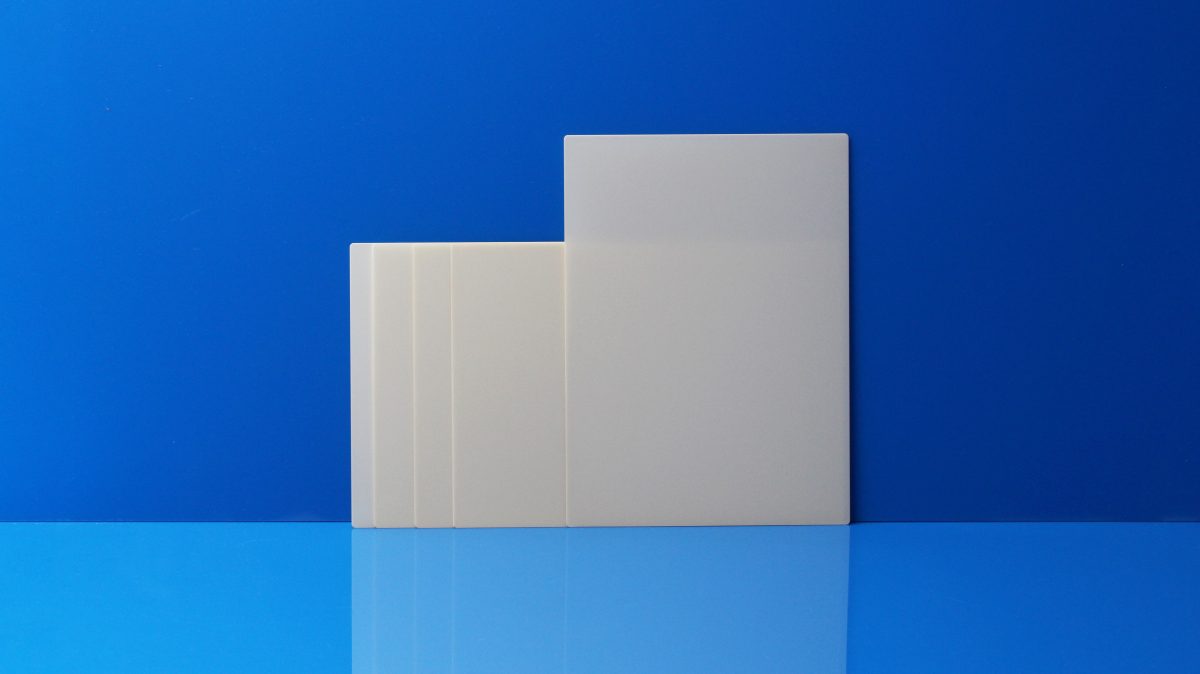
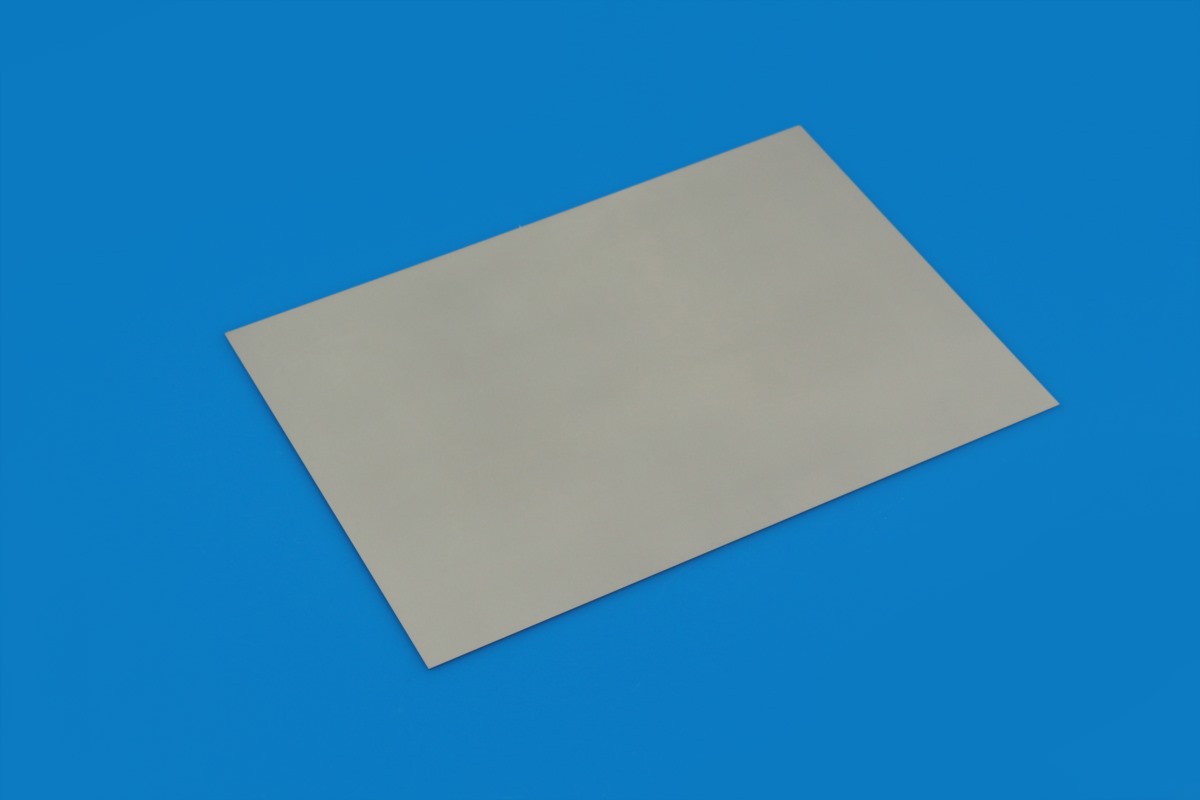
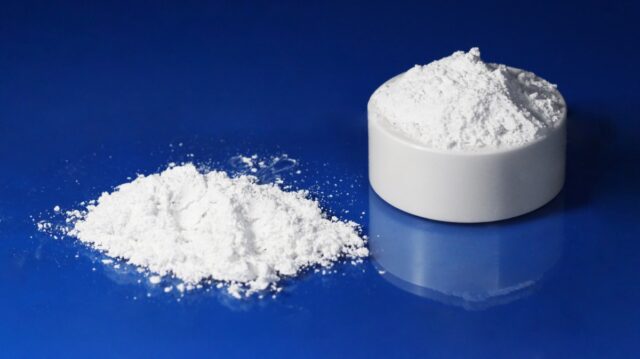
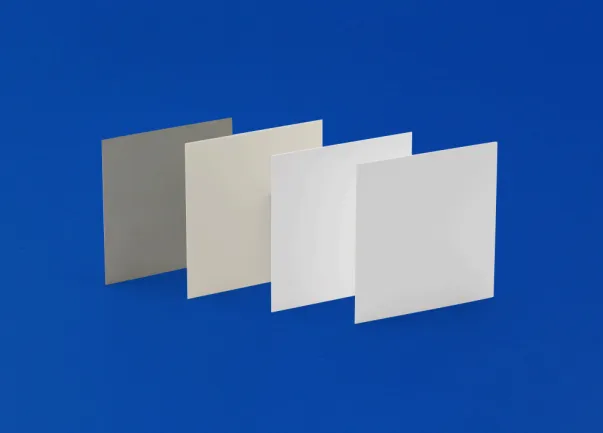
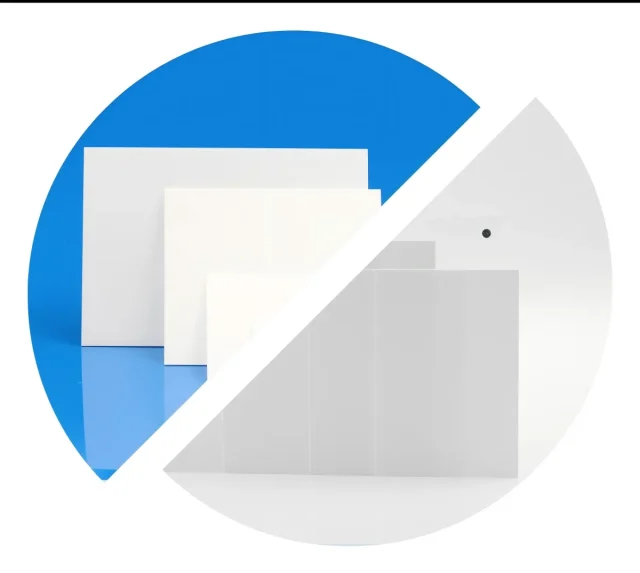
The ceramic substrates is a plate made by ceramic materials. Through a special process, copper layers are bonded to the surface of the ceramic, forming circuit patterns. Sinces its unique thermal, mechanical and electrical properties, it has become an ideal material for demanding electronic applications, especially playing a crucial role in power modules.
The main advantages are as follows:
1. thermal performance:
The thermal conductivity range is wide. For example, AlN can reach up to 170W/m·K, which is much higher than that of traditional substrates, preventing overheating then failure.
2.low CTE: Usually lower than 8ppm/K, match with the CTE of semiconductor chips, reducing thermal stress, improving reliability and lifespan.
3.High temperature resistance: It can work stably in high-temperature environments (such as above 600℃), suitable for extreme weather conditions such as in automobiles and aerospace.
Mechanical property:
1.High strength and hardness. It has good mechanical strength and wear resistance, capable of withstanding vibration, impact, and mechanical wear.
2.Shape stability: Fine size stability, to avoid circuit deformation or fracture.
3.Corrosion resistance:resistant the acids, alkalis, oxidation, and radiation.
4.Electrical properties:
·High insulation: offer high-voltage isolation, preventing current leakage and short circuits.
·Low dielectric loss: working for high-frequency signal transmission (such as 5G communication), reduce the signal attenuation.
·Excellent conductivity: Copper layer support large current transmission, improving circuit efficiency and power density.
Main application:
Ceramic substrates have widely used in power modules, especially in electric vehicles and hybrid vehicles:
1. Electric vehicle power module: such as inverters, battery management systems and drive control modules, supporting high voltage and high power conversion to ensure heat dissipation and insulation, thereby enhancing the overall efficiency and reliability of the vehicle.
2. Others: industrial power, renewable energy, aerospace components and communication equipment, meeting the requirements of high power density, high frequency and high temperature environments.
Manufacturing process and material comparison
The ceramic substrate combines copper and ceramics through processes such as DBC, AMB, and DPV, achieving high bonding strength and circuit accuracy.
Ceramic materials as follows:
1. Al2O3substrate – High cost-effectiveness, with balanced performance, low thermal conductivity (about 20-30 W/m·K)
Advantages: Low cost, use widely
Disadvantages: Limited thermal conductivity, not suit to extremely high-temperature scenarios.
2. AlN substrate – High thermal conductivity (170 W/m·K) ,CTE is highly compatible with silicon chips.
Advantages of high flexural strength: excellent heat dissipation, high reliability
Disadvantages: high cost, strict process requirements
3. Silicon nitride substrate Advantage:
– perfect bending strength and fracture toughness
– Good thermal conductivity
– Strong resistance to thermal shock: uitable for high-stress environments.
– Disadvantages: High cost, complex processing.
Summary: With the rapid development of electric vehicles, new energy technology
and 5G technologies, ceramic plate play an indispensable role in improving circuit reliability, power density and energy efficiency.