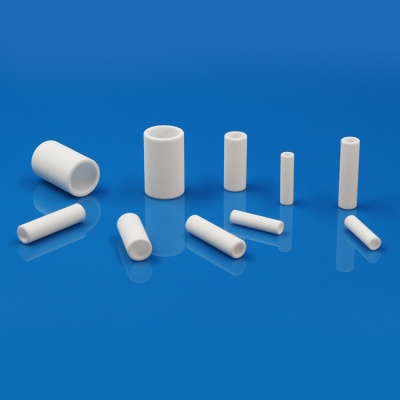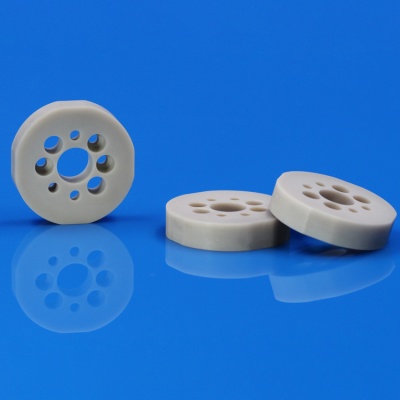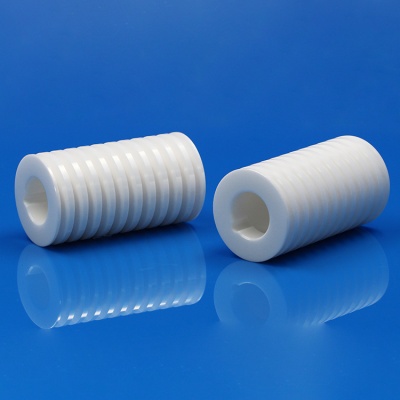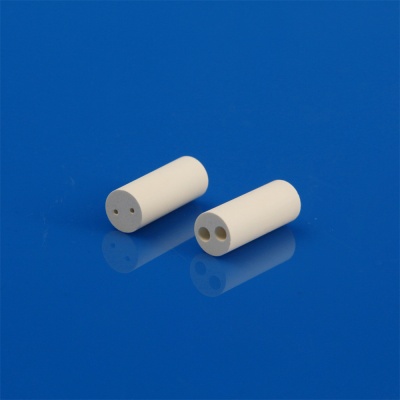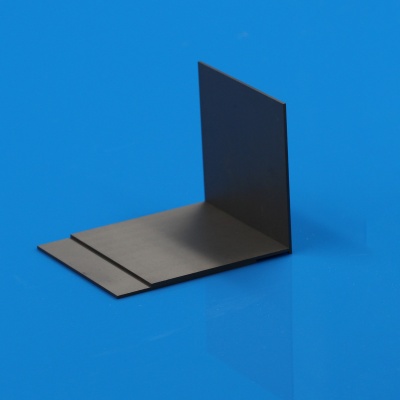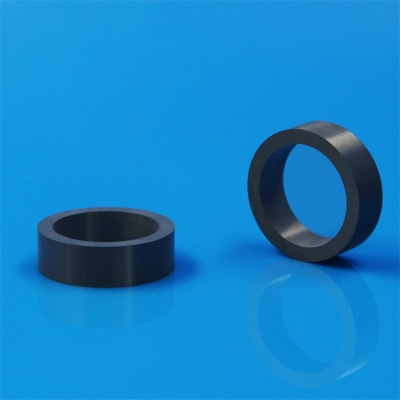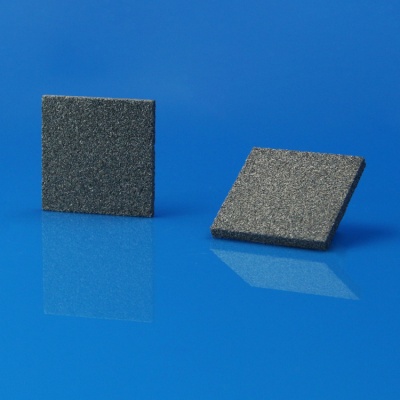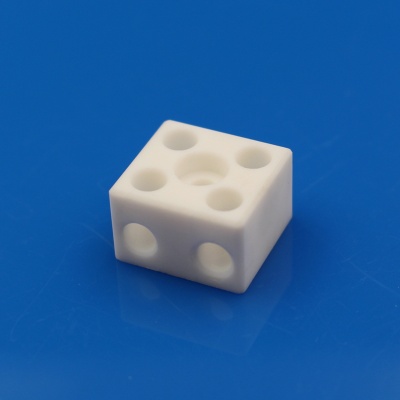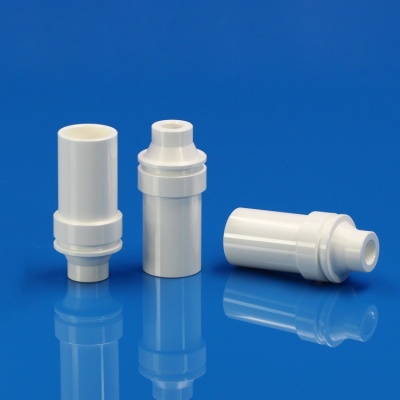
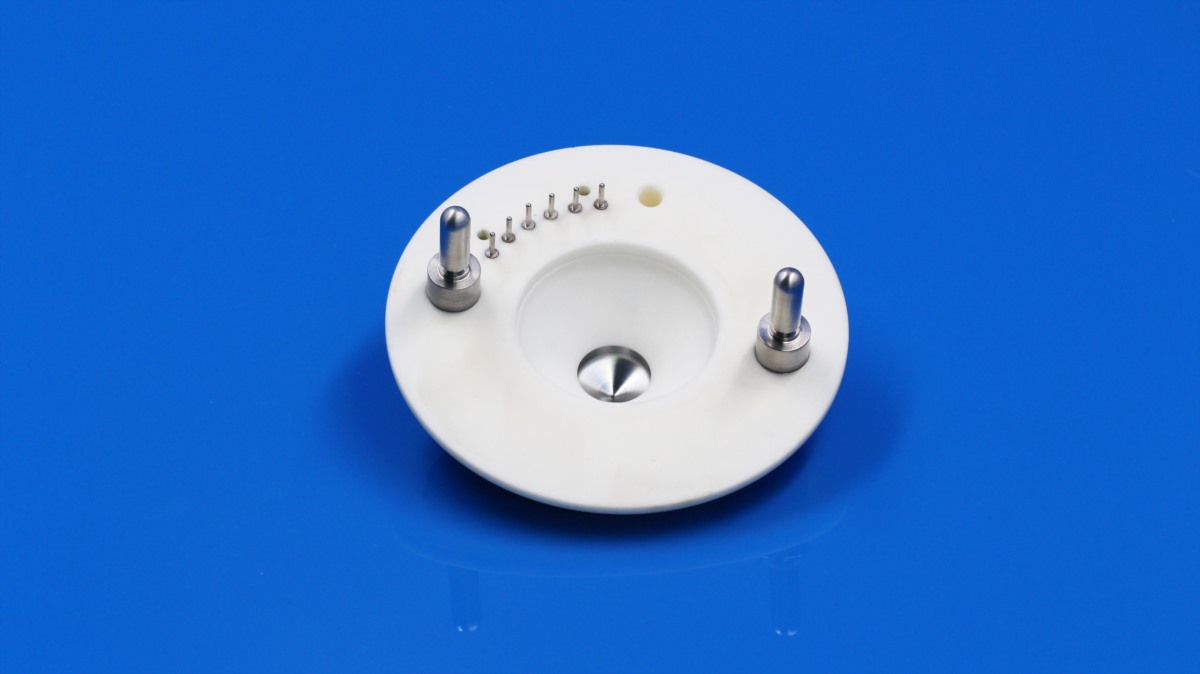
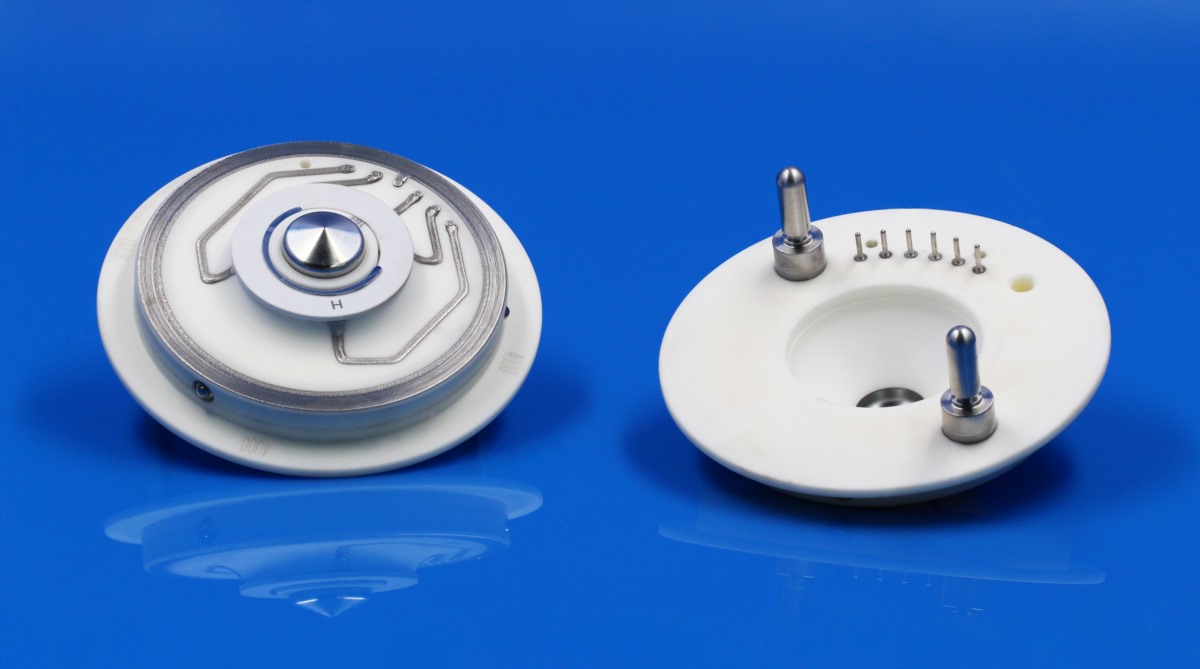
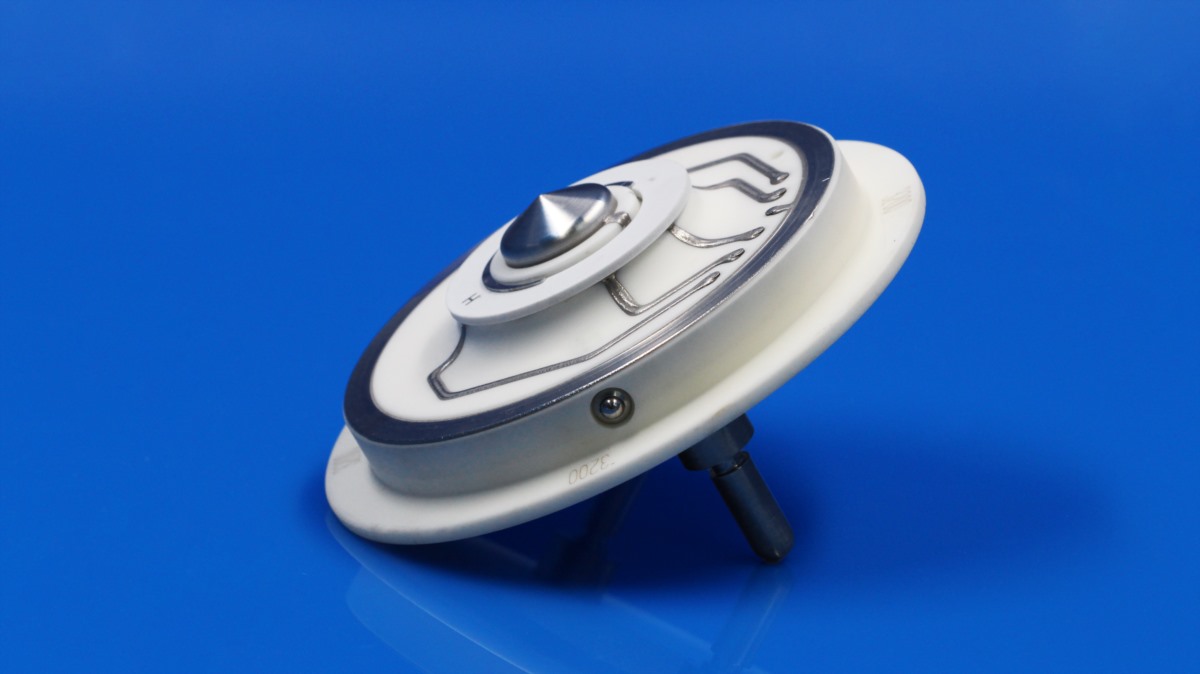
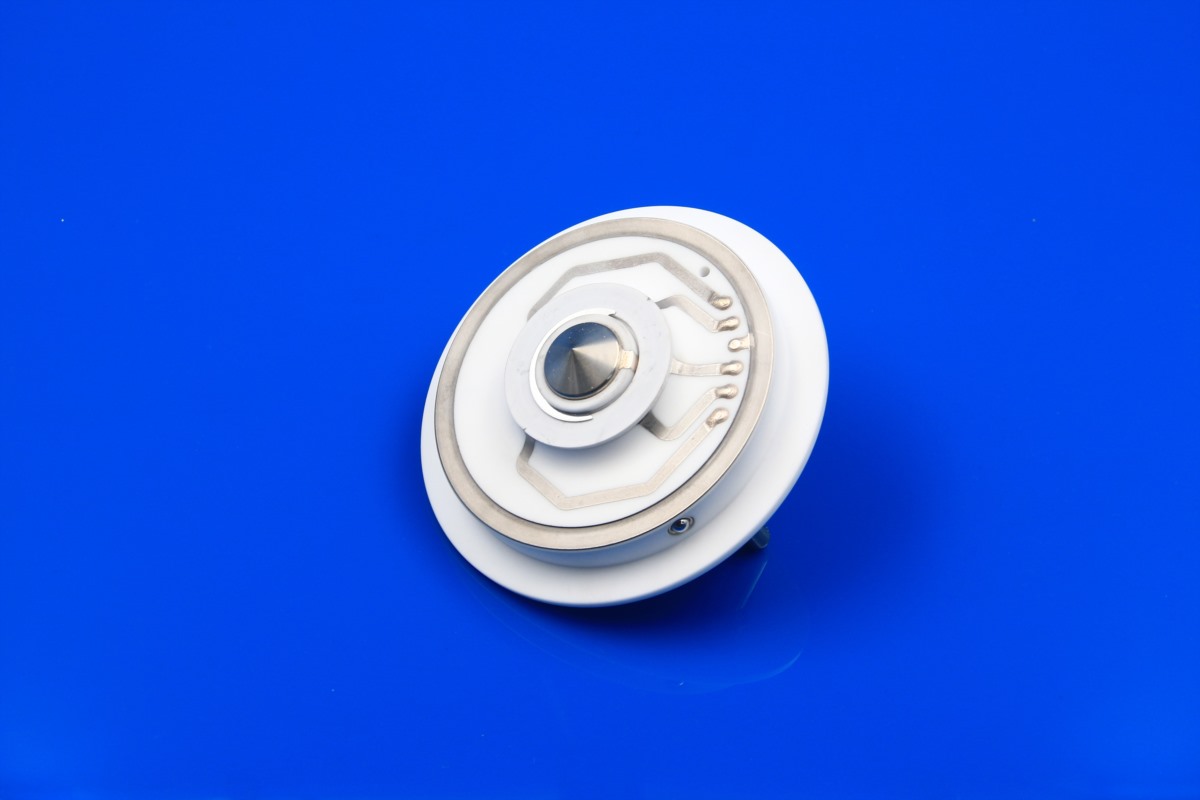
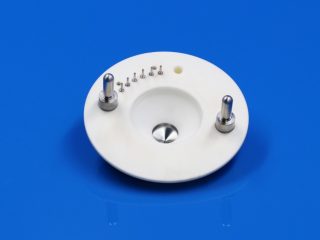
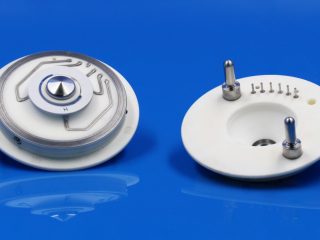
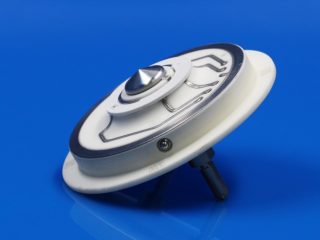
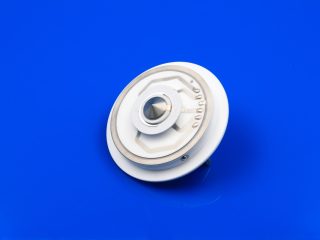
By precisely controlling ion entry, electric field strength, and collisional conditions before mass analysis, the ceramic orifice plate enables efficient desolvation, declustering and primary ion filtering, playing a decisive role in overall system sensitivity, signal-to-noise ratio, and analytical stability.
Role of the Ceramic Orifice Plate in Declustering Potential (DP)
The ceramic orifice plate functions as an electrically biased electrode that directly carries the declustering potential. Ions pass through the orifice into the intermediate vacuum region, a defined potential difference is established between the orifice plate and downstream ion-guiding elements. This potential gradient accelerates ions over a very short distance, providing the energy required for effective declustering prior to mass analysis.
Design and Structural Features
-Precision orifice geometry for stable ion sampling
-Balanced ion throughput and vacuum load control
-High-conductivity materials for stable voltage application
-Optional heating support to assist solvent removal
-Compatible with ESI, APCI, and related ionization sources
-Designed for triple quadrupole mass spectrometer platforms
Typical Applications
-LC–MS/MS triple quadrupole systems
-Pharmaceutical quantitative analysis
-Environmental and food safety testing
-Complex biological matrix analysis
-High-sensitivity trace-level detection methods
Impact on Mass Spectrometric Performance
| Performance Aspect | Contribution of Orifice Plate + DP |
| Sensitivity | Increases effective ion transmission |
| Signal-to-noise ratio | Reduces solvent-related and chemical noise |
| Spectral stability | Minimizes clustering and signal fluctuation |
| Quantitative accuracy | Improves linearity and reproducibility |
| In-source fragmentation control | Achieved through optimized DP settings |
Declaration: This is an original article of INNOVACERA®. Please indicate the source link when reprinting: https://www.innovacera.com/product/ceramic-orifice-plate-the-critical-interface-for-declustering-potential-in-triple-quadrupole-ms