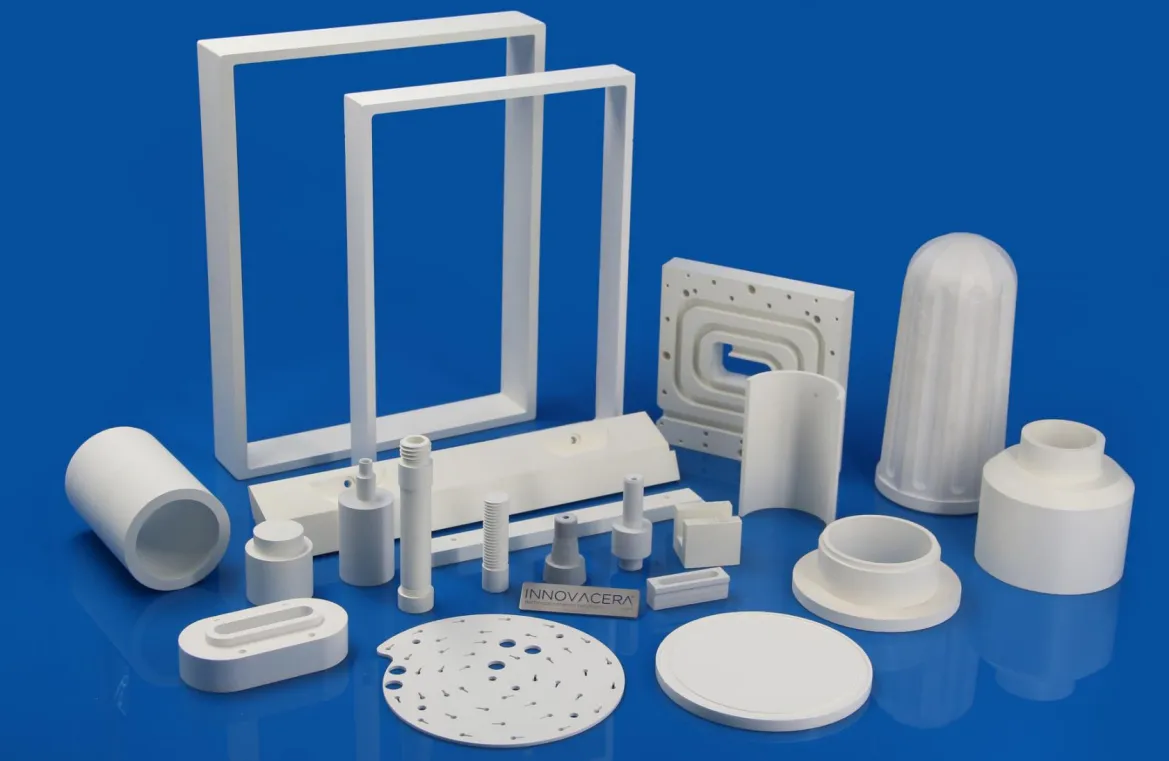
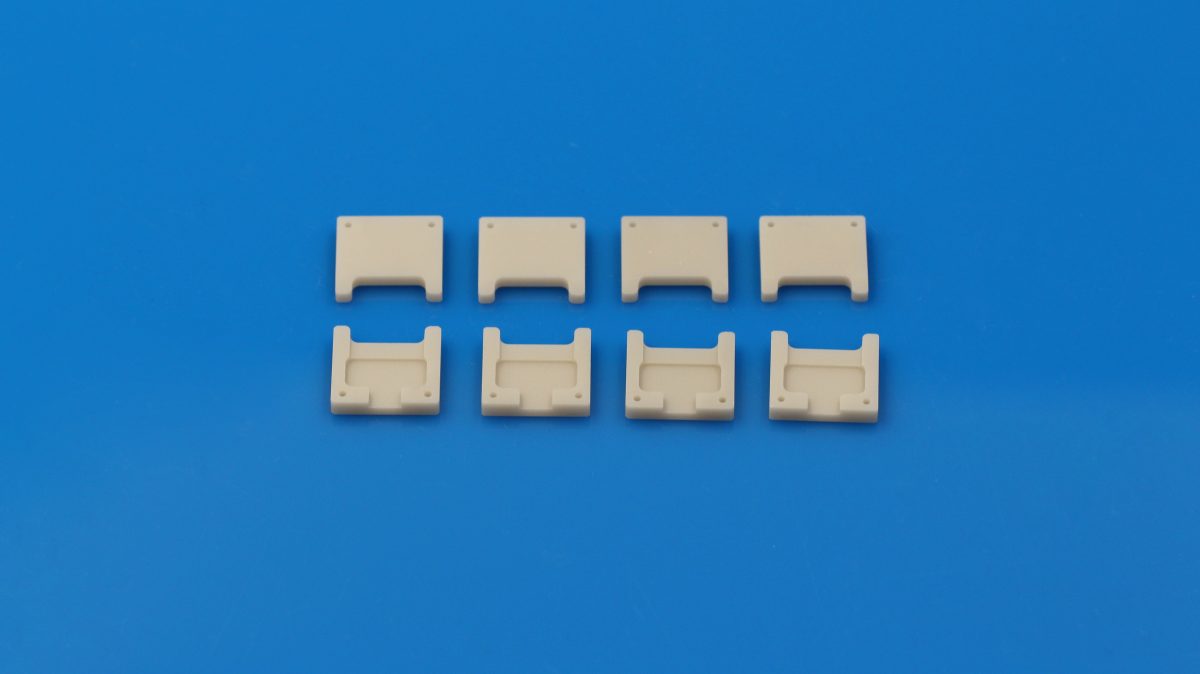
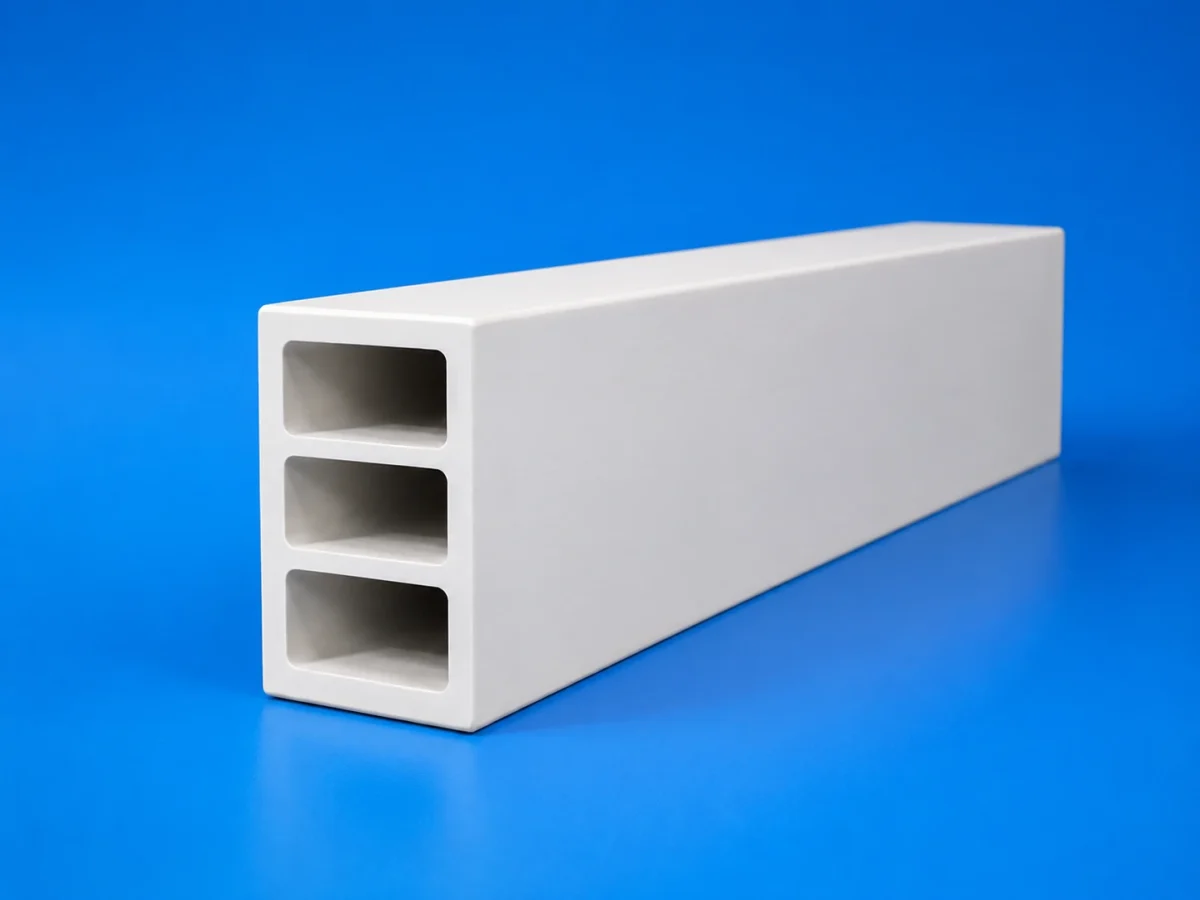
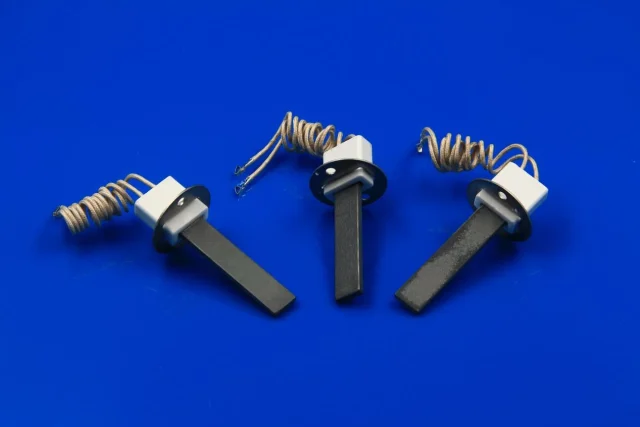
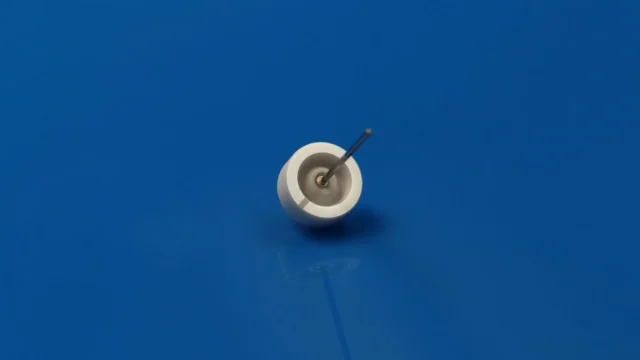
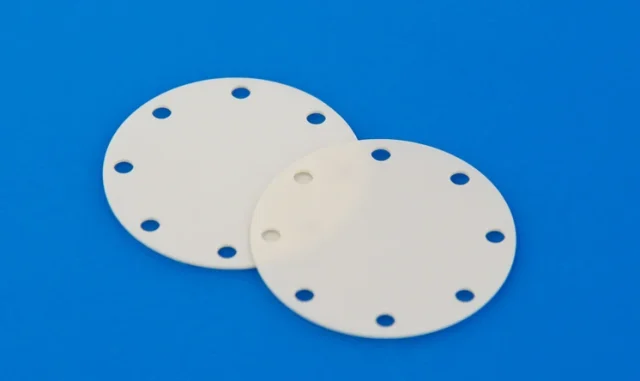
Boron Nitride Ceramics is widely used in ion source equipment for insulators, bushings, and insulating support components.
Why Engineers Choose BN
Ion source equipment operates in extremely demanding conditions:
– kV-level high voltage
– High operating temperature
– Continuous plasma exposure
– High vacuum
– Corrosive gases such as O₂, F₂, and Cl₂
Not every ceramic material can remain stable under all these conditions simultaneously.
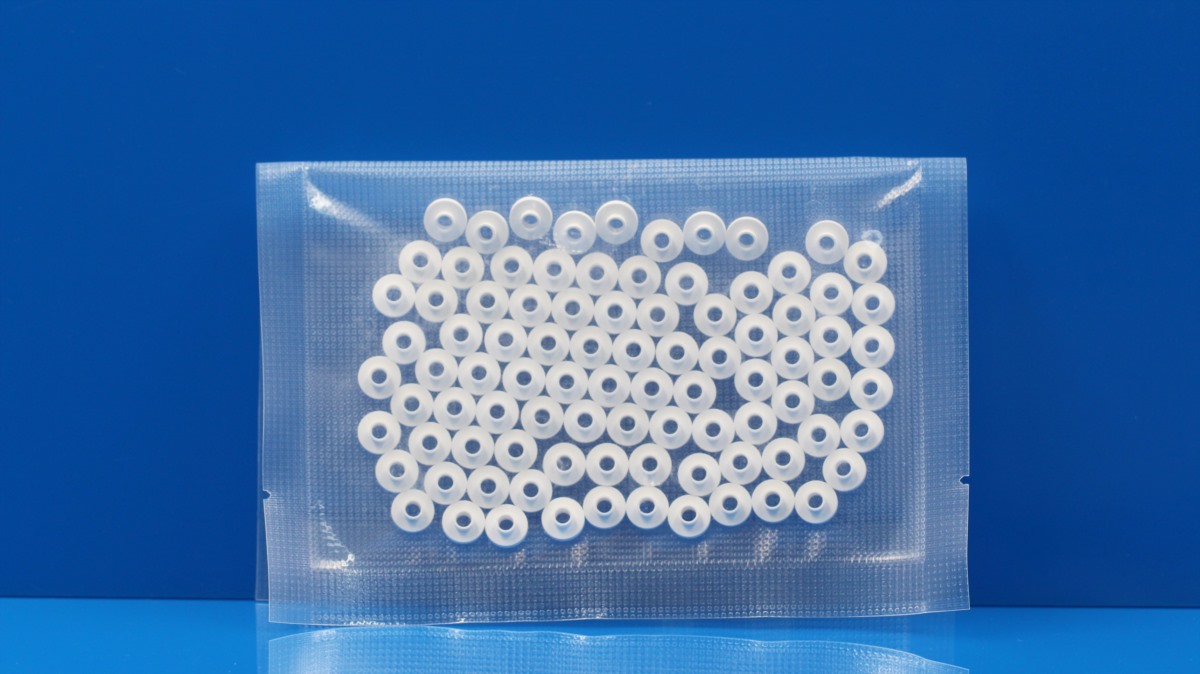
Hot Pressed Hexagonal Boron Nitride (HPBN) is one of the few materials capable of reliably handling this combination.
That is why it is widely used in ion source bushings and insulation components.
Boron Nitride Bushing – What You Get
When purchasing BN bushings, you are primarily paying for stability and reliability in harsh environments.
Key Advantages
Stable insulation performance
High resistivity helps prevent electrical leakage and breakdown under high voltage.
High temperature capability
Can operate up to 1800°C in vacuum environments.
Low impact on electric fields
Low dielectric constant helps maintain stable high-frequency performance.
Better plasma resistance (in many cases)
Compared with standard alumina, BN often provides longer service life in plasma environments.
Easy to machine and customize
Turning, milling, and drilling are straightforward, making it ideal for small-batch or custom parts.
Low outgassing
Well suited for vacuum systems where cleanliness is critical.
What to Be Aware Of
BN is not the strongest ceramic mechanically.
– Mechanical strength is lower than alumina.
– If the part must carry significant structural load, design adjustments may be required.
– For purely load-bearing applications, BN may not be the best option.
Quick Comparison for Purchasing Decisions
Alumina (Al₂O₃)
– Lower cost
– High mechanical strength
– May degrade or become brittle under plasma exposure
Aluminum Nitride (AlN)
– Excellent thermal conductivity
– More difficult and costly to machine
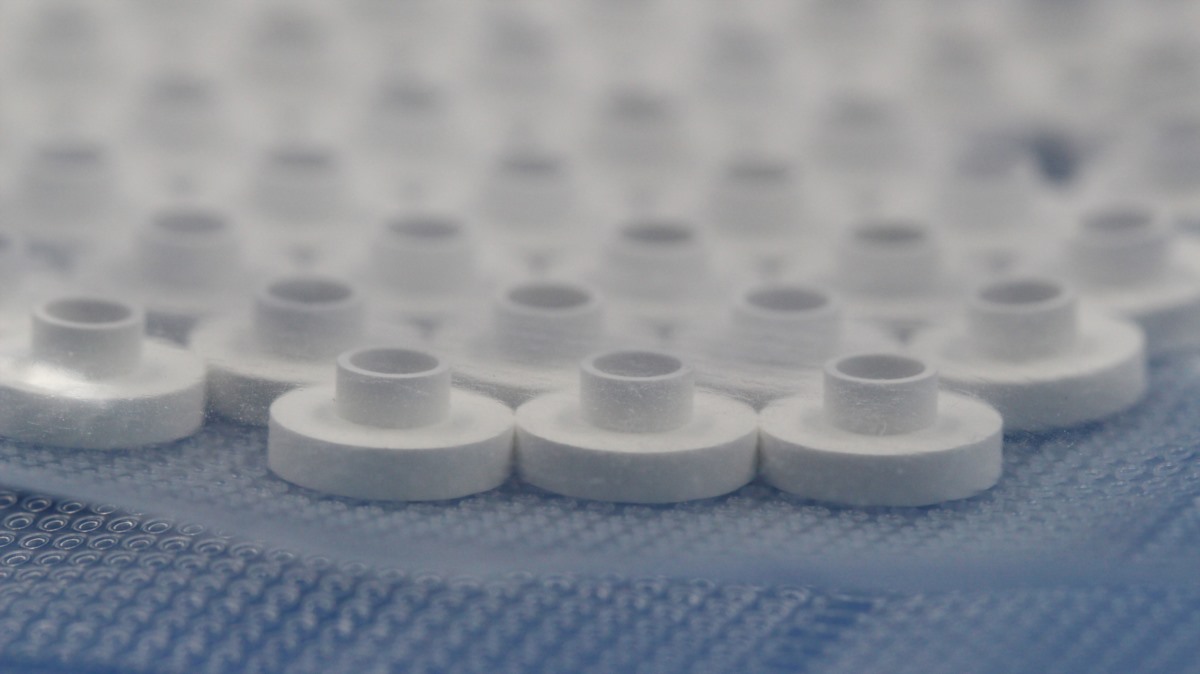
Boron Nitride (BN)
– Easy to machine and customize
– Strong plasma resistance
– Lower mechanical strength
Simple Selection Logic
– If mechanical strength and cost are the top priorities → Alumina is usually more suitable.
– If insulation stability, plasma resistance, and vacuum compatibility are more important → BN is often the safer and more reliable choice.
BN Parts Used in Typical Equipment
– Mass spectrometer ion sources
– Ion implanters
– Plasma etching systems
– Electron beam evaporation sources
– Hall effect thrusters