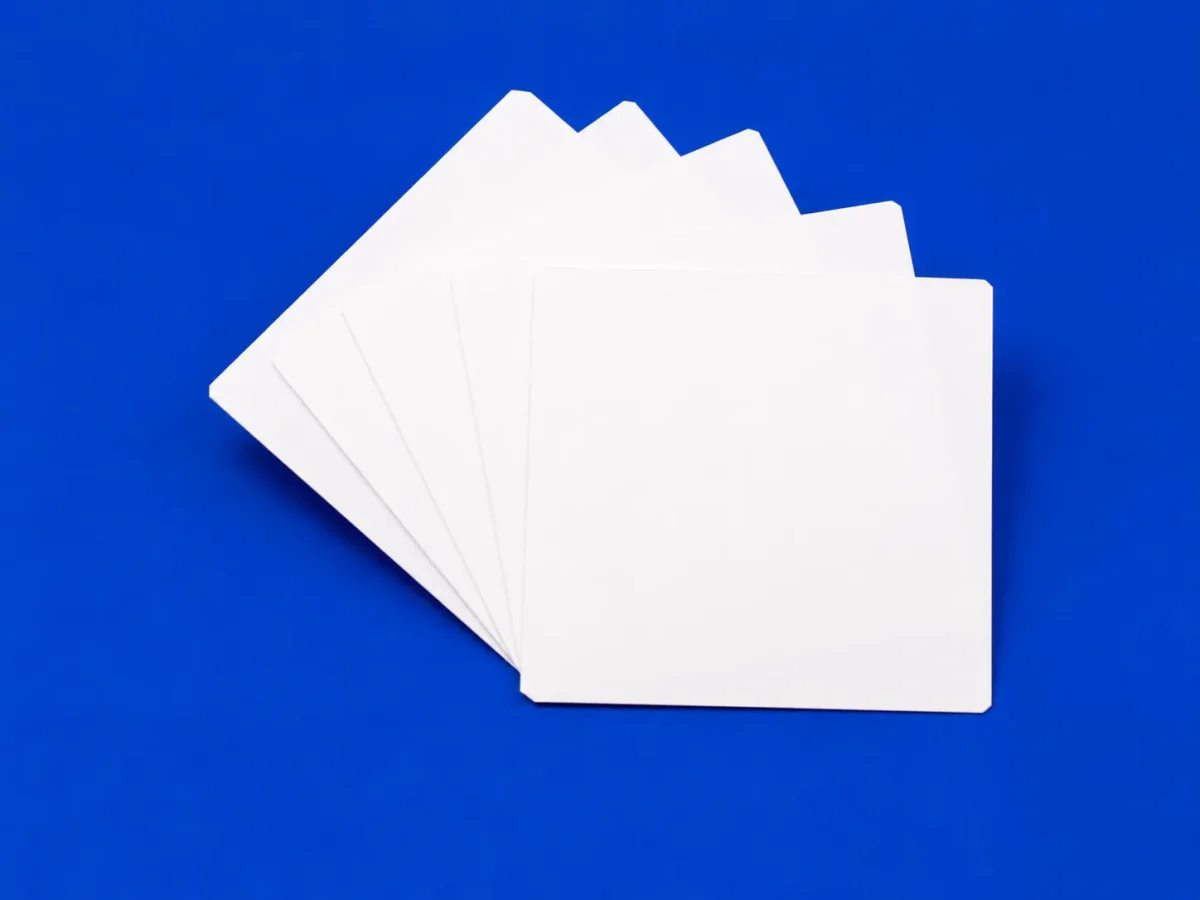
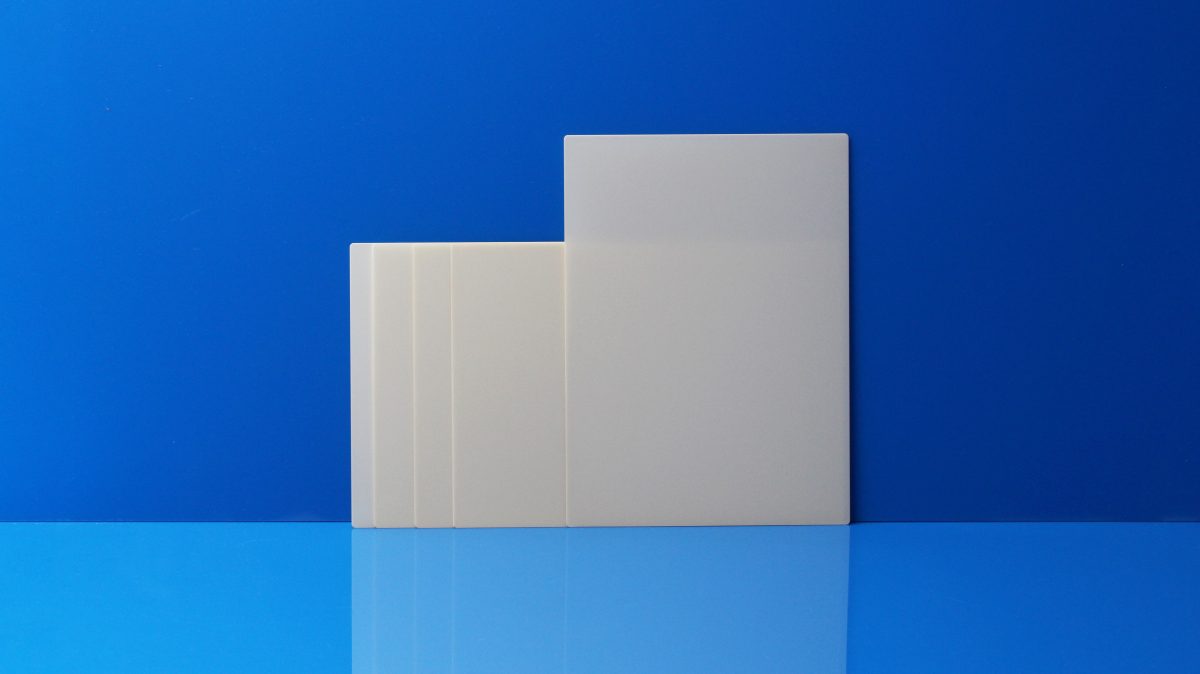
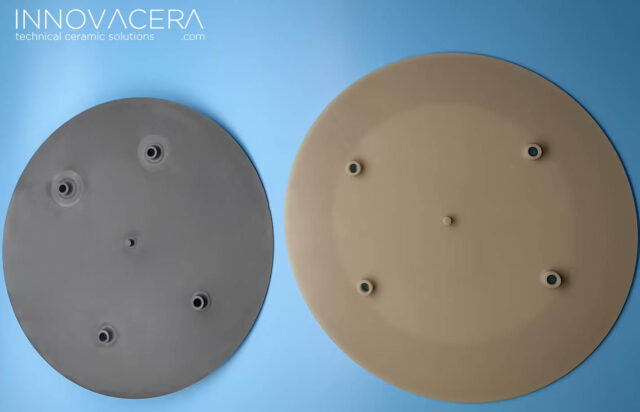
Thermal printheads (TPHs) are indispensable core components in modern printing scenarios, widely applied in retail receipt printing, logistics label marking, medical record output, and industrial tracing. Their performance directly affect printing resolution, speed, and service life. Among the key components of TPHs, ceramic substrates stand out with superior physical and chemical properties, becoming the preferred choice for high-performance thermal printheads.
1. Brief Overview of TPHs
TPHs operate based on the thermochromic effect: when electric current passes through heating elements, the elements rapidly heat up and transfer heat to heat-sensitive media, triggering a chemical reaction that forms clear text, barcodes, or patterns. Structurally, TPHs consist of heating elements, substrates, glazed layers, protective films, and drive ICs. Ceramic substrates serve as the core carrier of heating elements, undertaking dual responsibilities of mechanical support and thermal management, which are crucial for TPH stability.
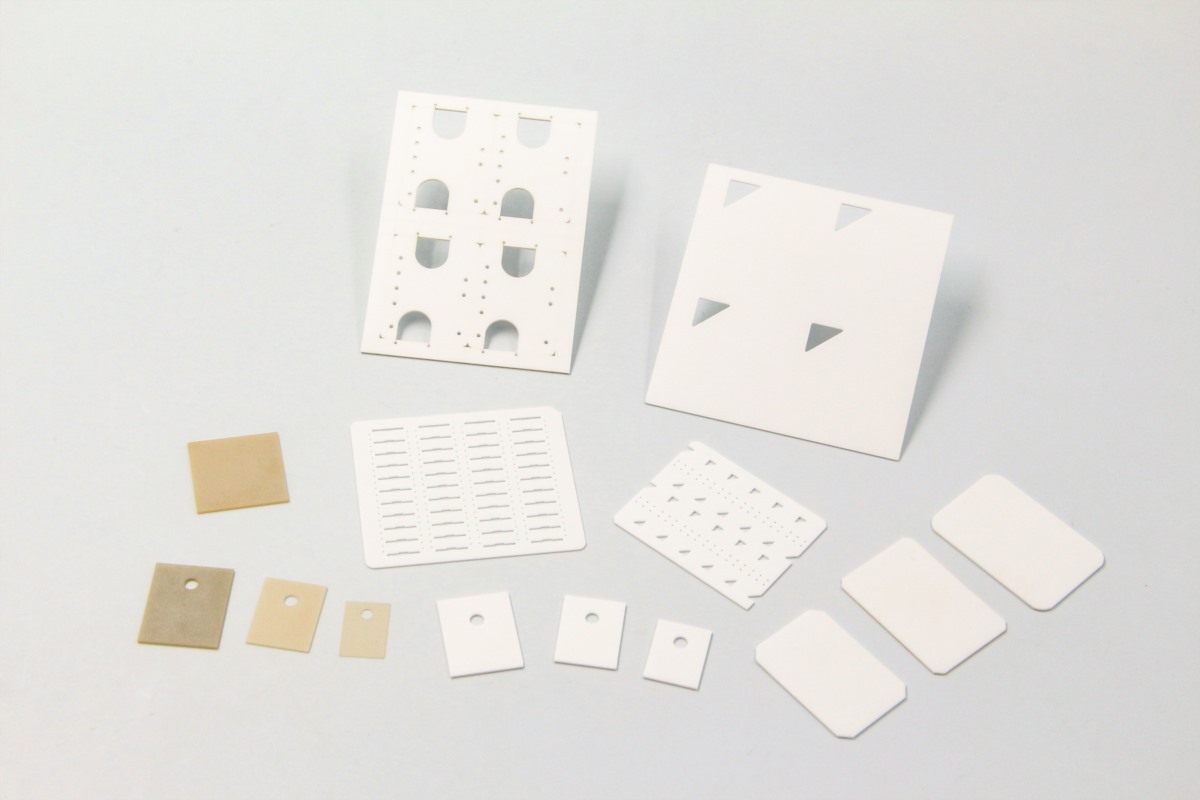
2. Advantages of Ceramic Substrates
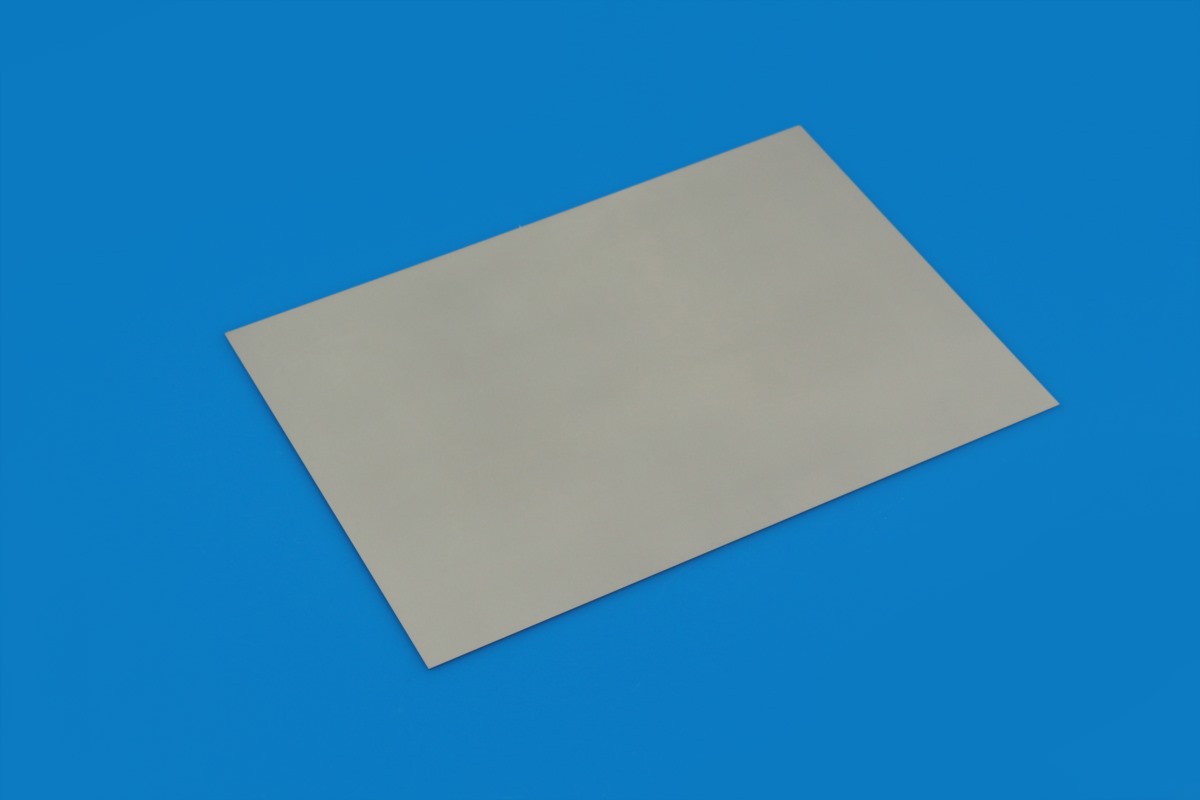
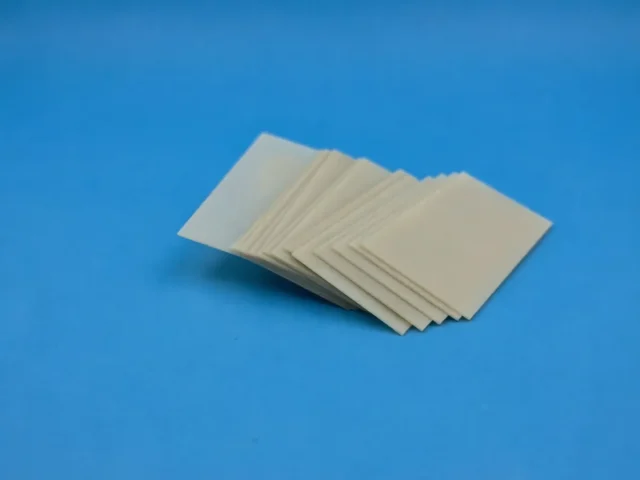
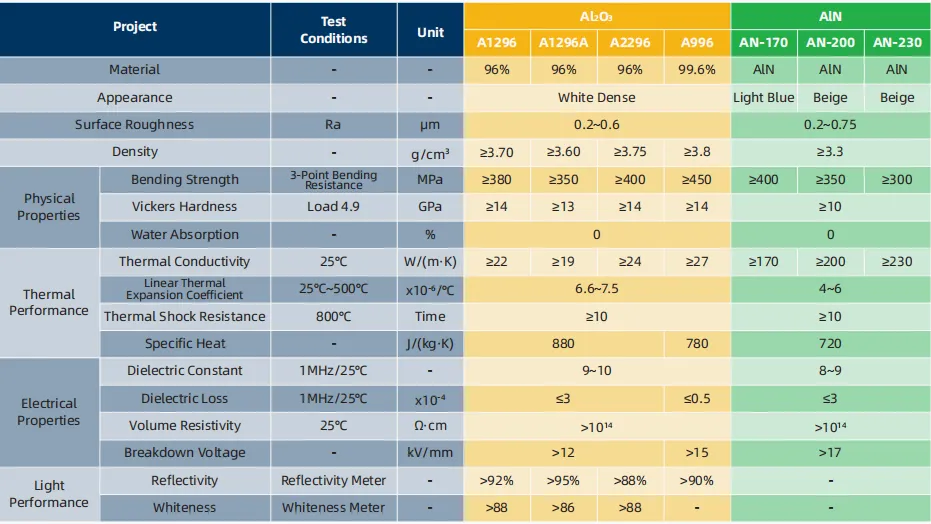
Compared to metal or other material substrates, ceramic substrates have unique advantages for TPHs. Firstly, excellent thermal management: Materials like AlN (140-180 W/(m·K)) and alumina (20-30 W/(m·K)) ensure rapid heat dissipation, avoiding overheating of heating elements. Their thermal expansion coefficient matches semiconductors, reducing thermal stress from temperature cycles. Secondly, superior surface flatness and mechanical strength: Glazed alumina substrates offer high smoothness for uniform printing, while their hardness and wear resistance withstand printing pressure. Thirdly, reliable insulation and chemical stability: High resistivity can prevent short circuits from occurring in dense component arrays, while inertness can resist corrosion in harsh environments. Moreover, they also support personalized customization of size and structure to meet various TPH design requirements.
Below is the properties for ceramic substrates:
3. Key Precautions
Key precautions cover three aspects. Electrical: Follow the correct power sequence (VDD first, then VH; turn off VH first), avoid energizing heating elements without media, and use capacitors to suppress noise. Mechanical: Prevent platen rollers from touching electrodes, avoid impact on brittle ceramic substrates, and adjust structures for thick media to ensure uniform pressure. Operation Instructions: Avoid direct contact with TPH with your hands to prevent static electricity damage; Use qualified medium to prevent electrode corrosion; Keep away from water sources; Use anhydrous ethanol or isopropyl alcohol for horizontal wiping and cleaning.
Ceramic substrates play an crucial role in enhancing TPH performance and reliability, laying a solid foundation for high-quality thermal printing. As industries like logistics and medical care demand higher printing standards, ceramic substrates will further develop through material and process innovations. Their application scope in the thermal printing industry will continue to expand, driving the upgrading of the entire industry chain.