UVC LED technology has become more important in disinfection, air purification, medical sterilization and industrial applications. Emitting 200–280nm ultraviolet light, modern UVC LEDs is better than traditional UV lamps in energy efficiency, service life and environmental safety. Even so, stable and efficient operation depend on a well-designed Ceramic PCB, which defines the overall reliability of UVC modules.
Many designers face challenges in meeting strict demands for heat dissipation, UV durability and electrical stability. So a high-performance Ceramic PCB solutions is important for the unique operating conditions of UVC LED devices.
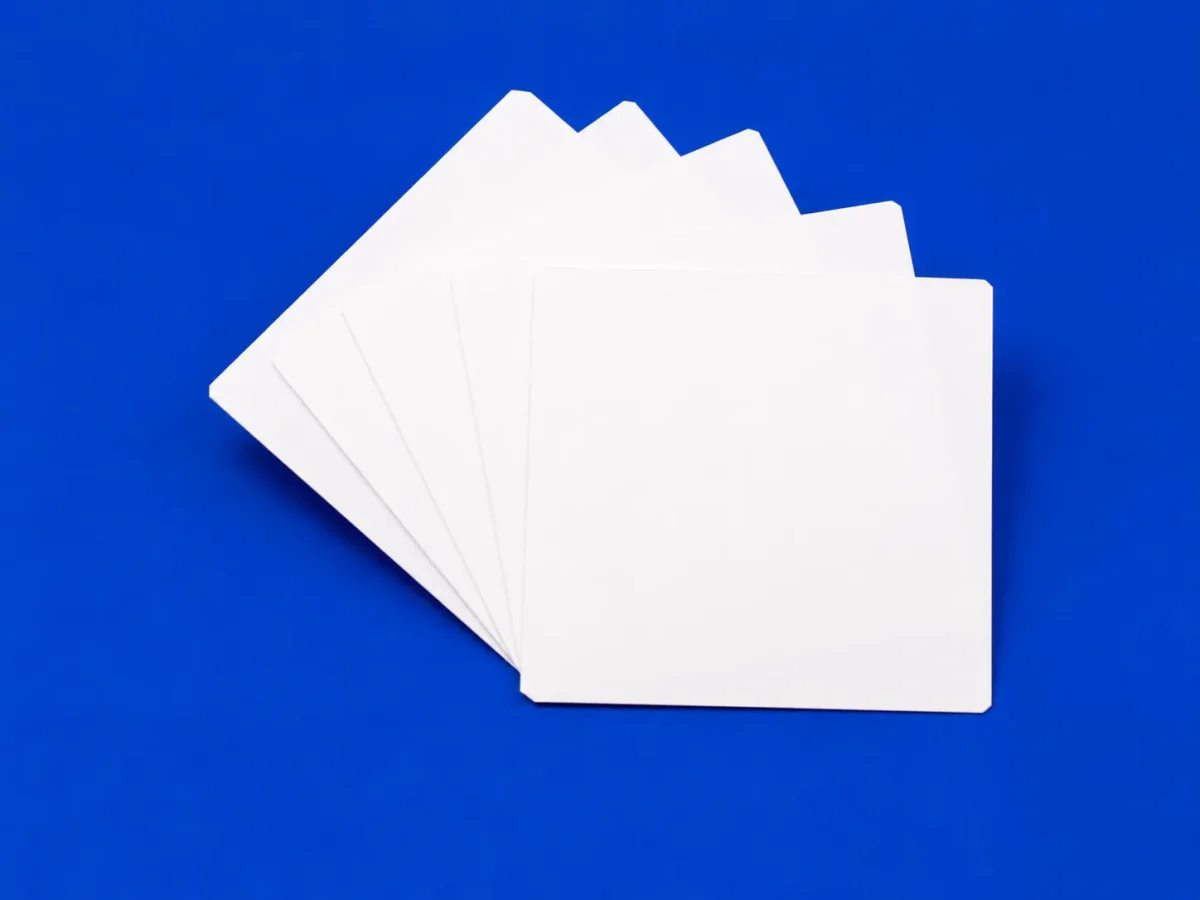
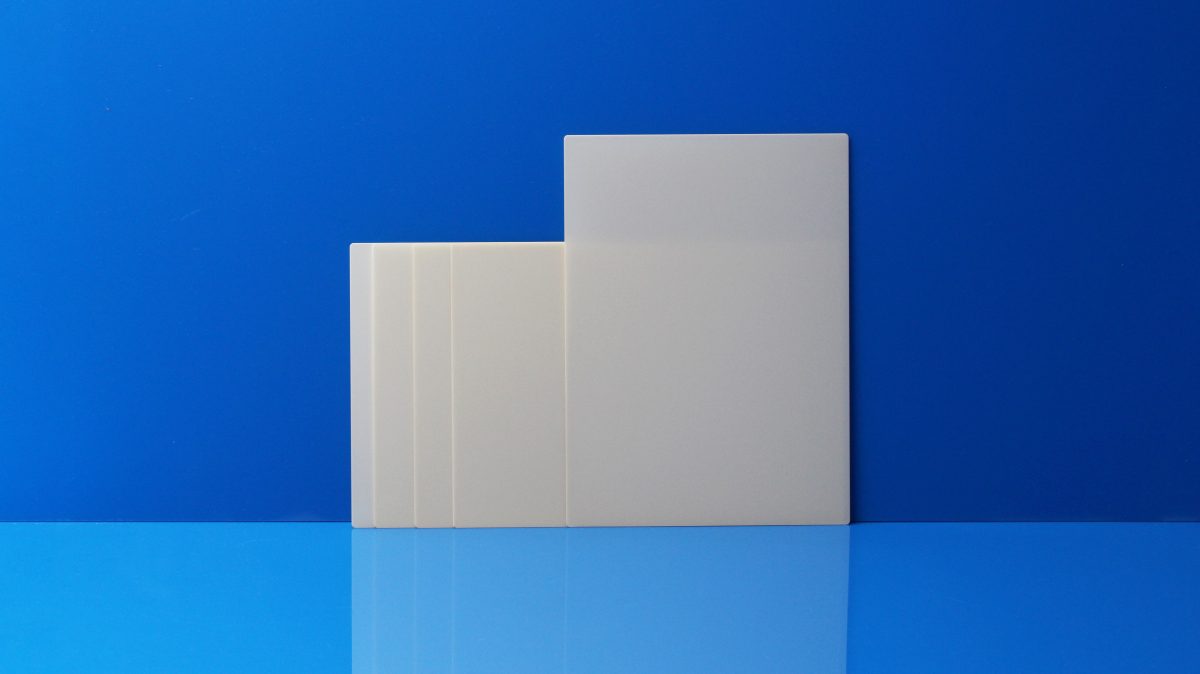
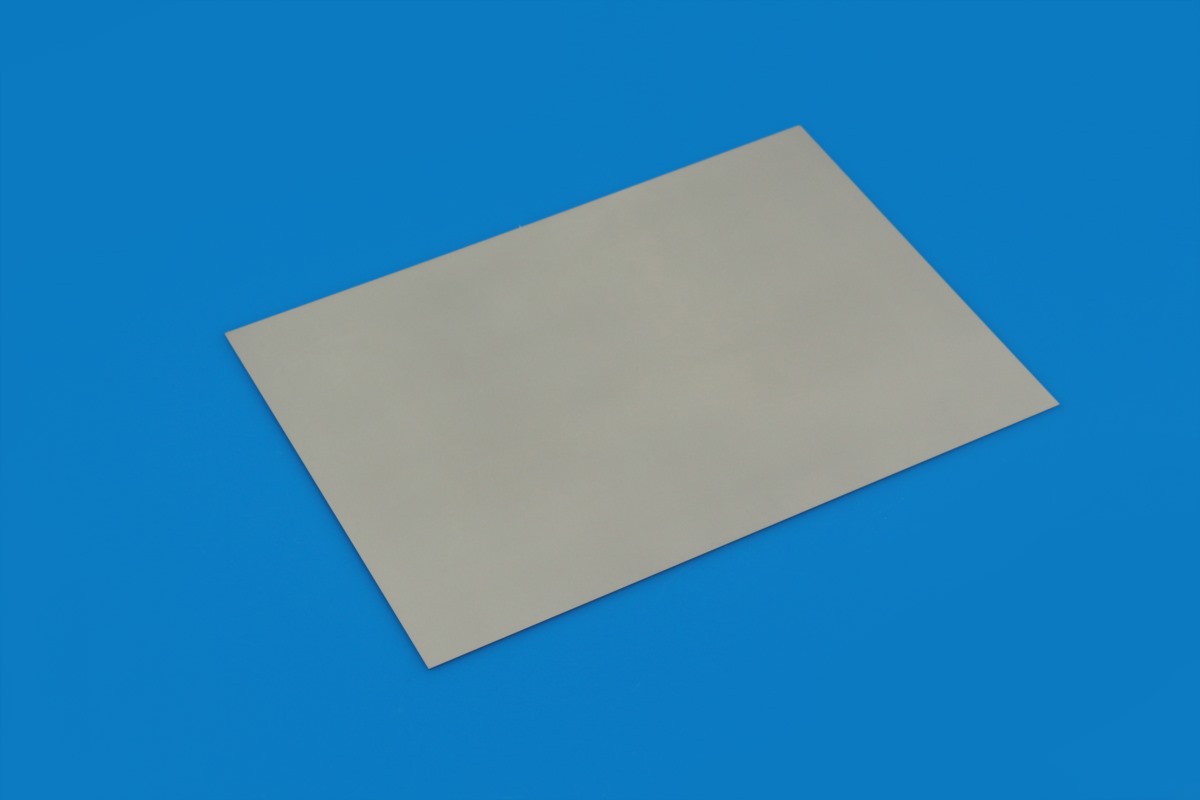
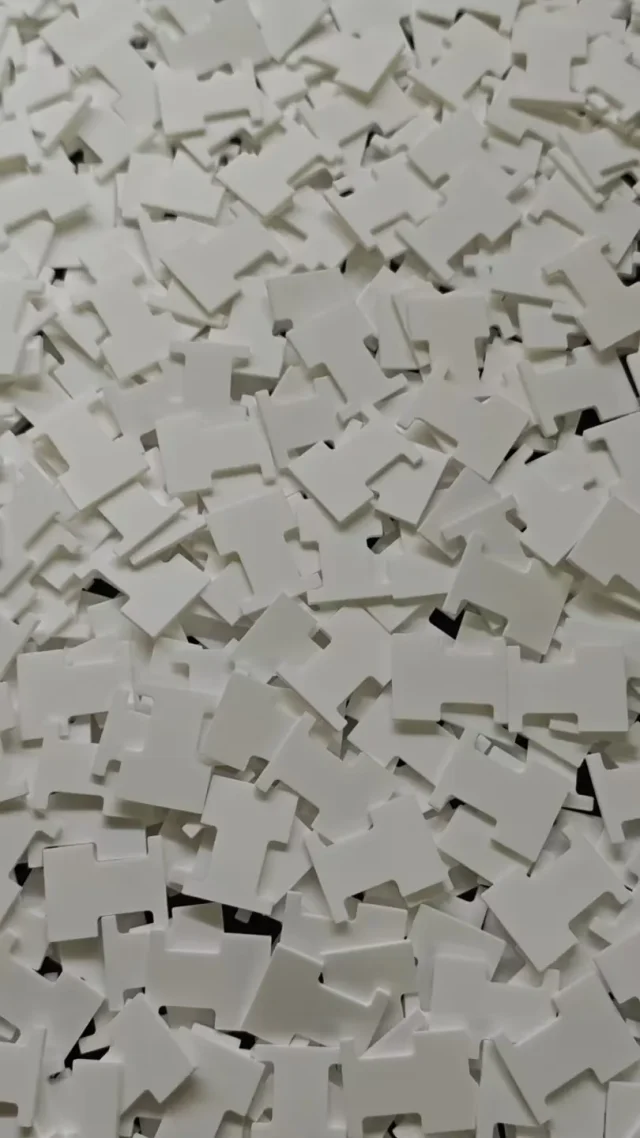
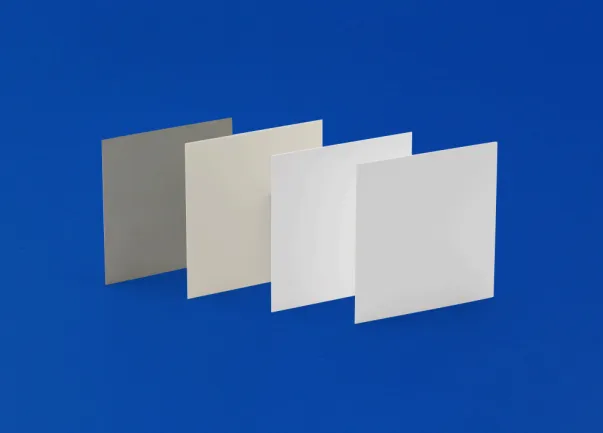
Compared with common FR4 and metal-core boards, Ceramic PCB delivers overwhelming advantages. High-power UVC chips generate continuous heat during operation; without effective heat transfer, light decay and premature failure are inevitable. Ceramic PCB adopts high-purity alumina and aluminum nitride materials. 96% alumina balances cost and thermal performance, while aluminum nitride ceramic options provide ultra-high thermal conductivity to sustain long-duration, high-intensity work.
Below is the material properites for alumina and alumina nitride substrates properties:
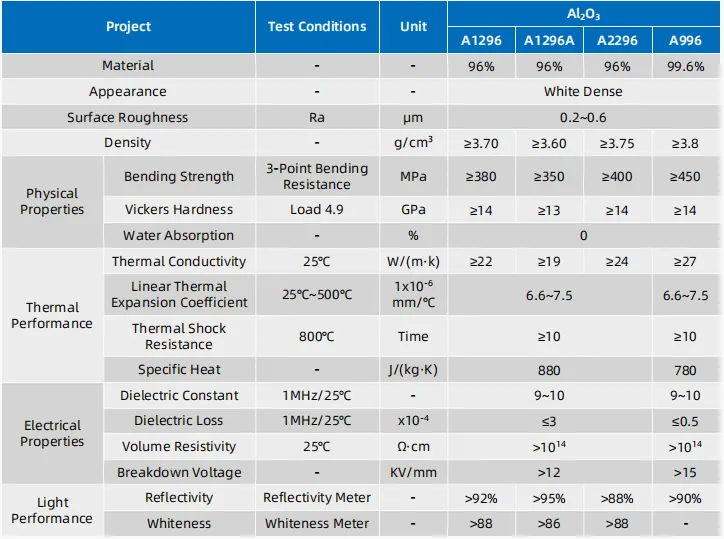
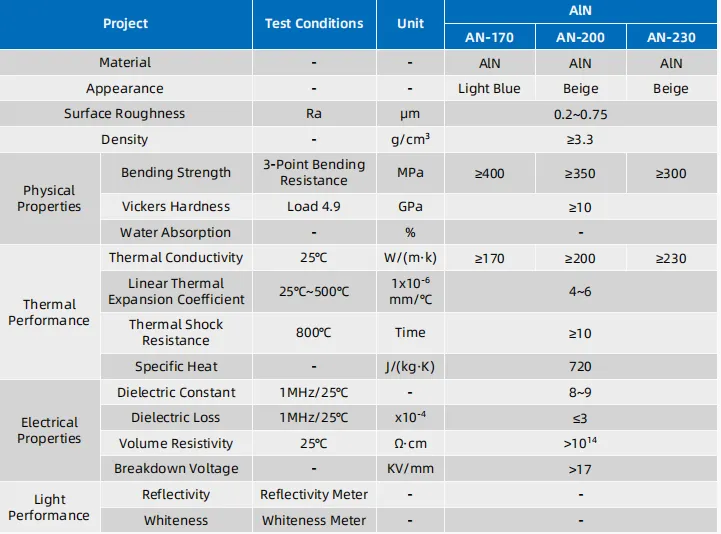
Thanks to a low thermal expansion coefficient, the Ceramic PCB remains structurally stable under frequent temperature fluctuations. It effectively avoids cracking, delamination and solder joint detachment, common pain points in ordinary substrates. Combined with strong dielectric strength and high voltage resistance, it greatly improves safety and extends the service life of UVC equipment, lowering long-term maintenance expenses.
Miniaturization is a clear industry trend, and Ceramic PCB enables compact product iteration. It supports COB direct chip mounting, simplifying structural layout and minimizing module size and weight. High-density vias and fine-line design allow highly integrated chip arrangement, fully meeting the demands of portable and compact sterilization products.
Working in complex environments is no longer a concern with premium Ceramic PCB. Its ultra-low moisture absorption and excellent chemical resistance ensure stable performance in humid, medical and industrial settings. We also offer customized UVC high-reflection coating for Ceramic PCB, reflecting over 85% of UV-C light. This raises light utilization, optimizes radiation uniformity and slows down surrounding material aging.
Proper design choices can fully release the potential of Ceramic PCB. Material selection can be flexibly matched according to power grade and usage scenarios. Optimized thermal interface design further reduces thermal resistance, while diversified thickness options balance structural rigidity and heat conduction. Whether choosing packaged LEDs or high-density COB arrays, Ceramic PCB can be adapted to diverse production processes.
In the booming UVC market, a high-quality Ceramic PCB has become a key competitive edge. We provide ceramic substrates for ceramic PCB including alumina and alumina nitride substrates, The powder material is independently developed, with stable quality and high cost-effectiveness. Feel free to contact us for technical support and project cooperation.