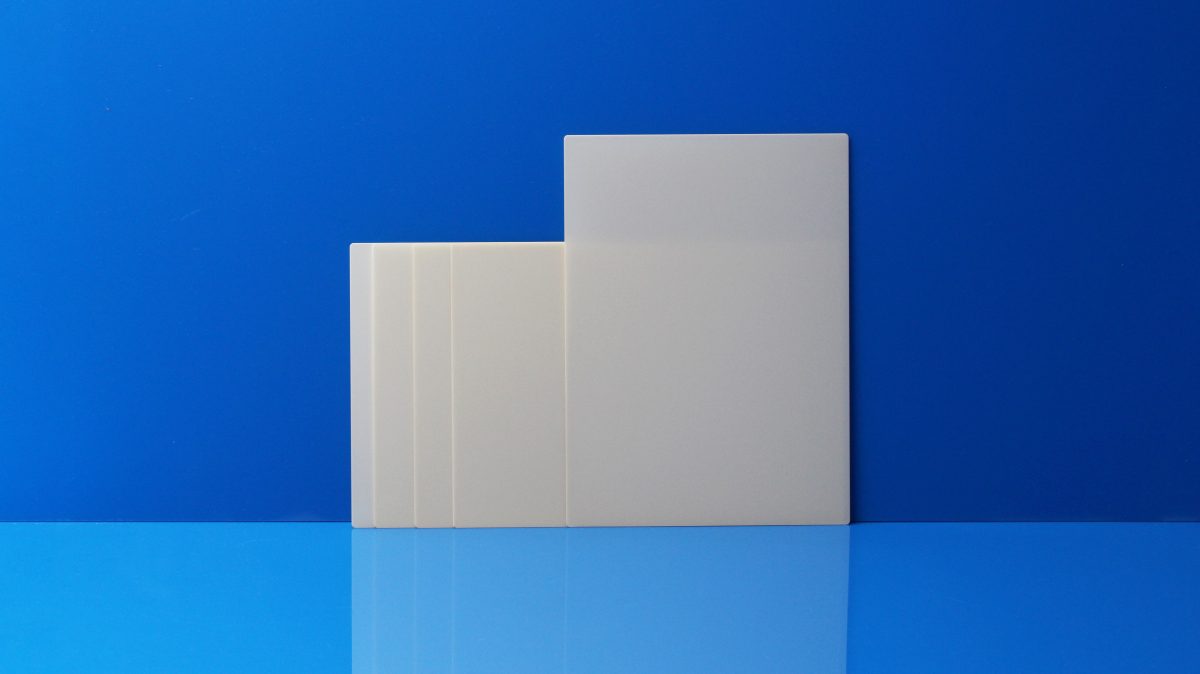
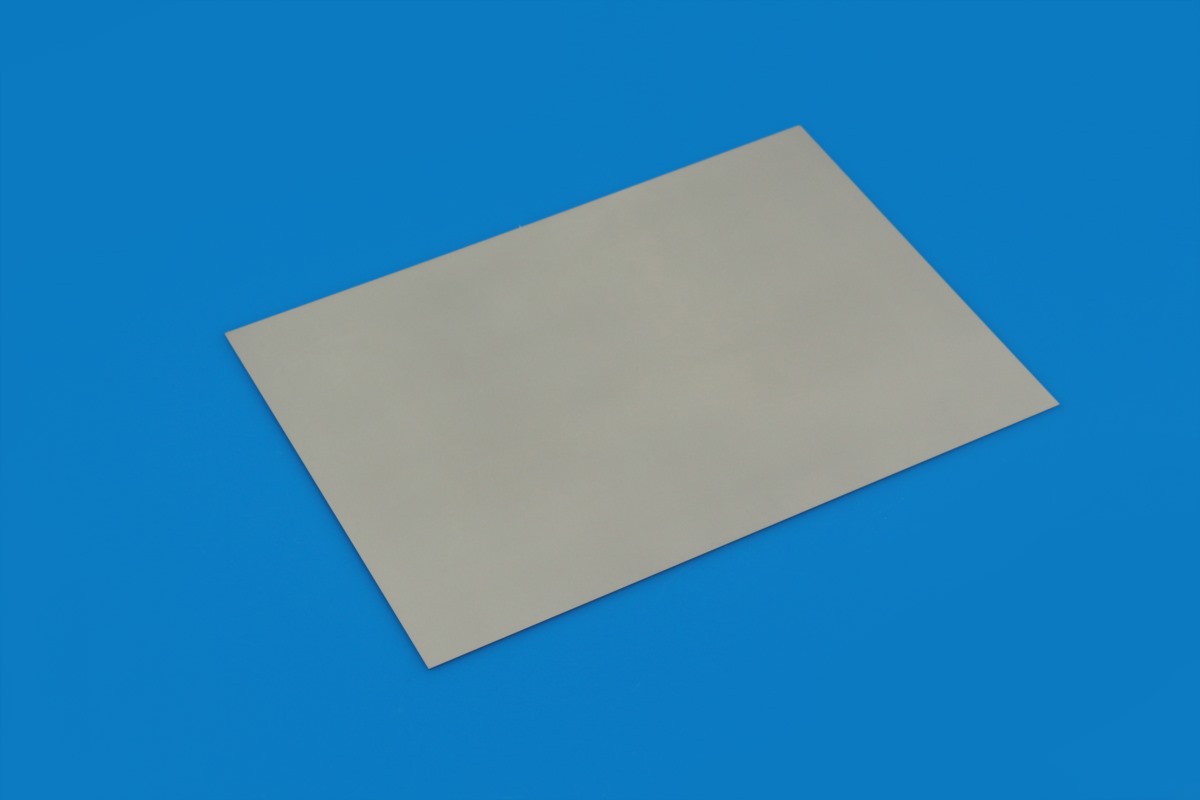
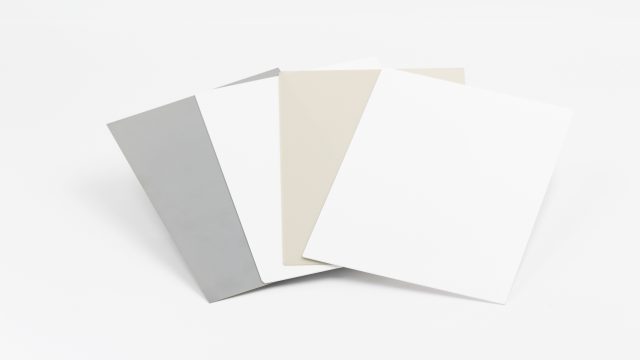
What is a Ceramic Substrate?
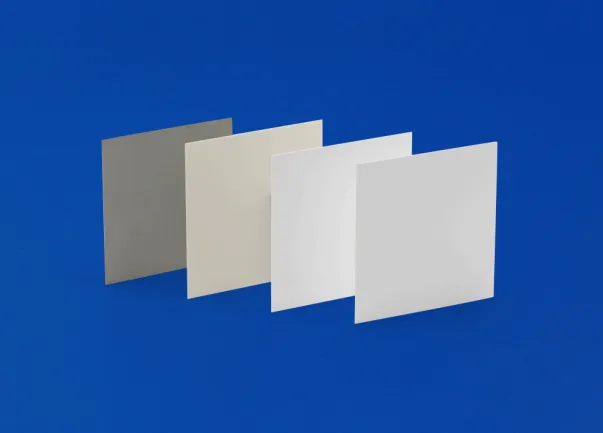
I have been working with ceramic substrates for many years. In technical terms, a ceramic substrate is a substrate made from ceramic materials — most commonly Aluminum Nitride (AlN) or Alumina (Al2O3), also can be silicon nitride, zirconia toughened alumina, and zirconia. From 5G networks and AI data centers to electric vehicles and industrial LEDs, these materials ensure devices operate reliably and efficiently. I want to share my insights from years working with Aluminum Nitride (AlN) ceramic substrates and show you why they are essential in modern electronics.
Why Ceramic Substrates Are Critical for High-Performance Electronics
From automotive power electronics to high-speed communication modules, what always stands out in customer discussions are thermal performance, reliability under cycling stress, and supplier credibility. Ceramic substrates are not just materials — they are foundations of modern electronics that solve heat, insulation, and mechanical challenges that traditional PCB materials can’t handle.
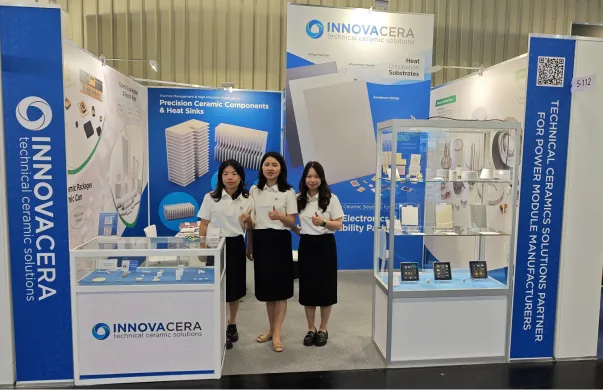
Team at international exhibition, showcasing ceramic substrate solutions
Why Engineers Choose Them?
These substrates serve as the thermal and electrical backbone of high-power devices, offering dramatically better thermal performance than organic materials such as FR-4.
| Feature | Ceramic Substrate | FR-4 (standard PCB) |
|---|---|---|
| Thermal Conductivity (W/m·K) | 20–230+ (AlN highest) | ~0.3–0.5 |
| Electrical Insulation | Excellent | Good |
| Thermal Expansion Matching | Better with semiconductors | Poor |
| Feature | Ceramic Substrate | FR-4 (standard PCB) |
|---|---|---|
| Suitable for High-Power / High-Frequency | Yes | Limited |
| Cost | Higher | Lower |
The most important takeaway is this: thermal conduction matters. Improper heat dissipation leads to hotspots and reduced reliability — especially in EV power modules, 5G RF amplifiers, and 800G optical transceivers.
What Are the Biggest Challenges When Choosing Ceramic Substrates?
When customers evaluate ceramic substrates, their concerns almost always fall into a few key categories:
1. Thermal Management and Hot Spots
Modern power electronics generate concentrated heat that organic substrates can’t handle. Engineers tell me that thermal conductivity is their #1 selection criterion because overheating directly affects junction temperature, product lifespan, and warranty risk.
Ceramic materials such as AlN can achieve high thermal conductivities (170–230 W/m·K) — orders of magnitude higher than FR-4 — allowing heat to dissipate effectively from high-power components.
2. Reliability Under Thermal Cycling and Mechanical Stress
Ceramics are brittle by nature, and mismatches between thermal expansion coefficients can introduce stress during repeated on/off cycles. These stresses can cause cracking, delamination, or warping if not managed properly in design and process control.
Engineering buyers often ask for:
- Flatness and dimensional control
- Metallization adhesion strength
- Long-term thermal cycling test data
These factors determine whether a substrate will perform reliably in systems used in automotive, industrial, and telecom environments.
3. Cost vs Performance Trade-Off
Ceramic substrates are more expensive than organic PCBs or metal core boards. Buyers frequently ask:
“Is the performance gain worth the higher cost?” The answer depends on the application:
| Application | Why Ceramic Is Worth It |
|---|---|
| EV Inverters & OBC | Handles high current and heat over long life cycles |
| High-Speed Optics | Supports very tight thermal budgets in dense layouts |
| RF/Microwave | Maintains performance at high frequency |
| Industrial Power Supplies | Improves reliability in harsh environments |
Despite the higher unit cost, ceramic substrates reduce field failures and warranty claims in mission-critical electronics, making them a cost-justified choice for many OEMs.
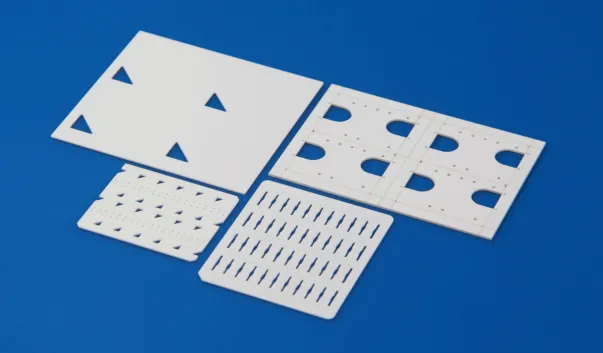
Selecting the Right Ceramic Substrate: Practical Considerations
When sourcing ceramic substrates, here are the key technical and supply chain factors I always recommend our clients consider:
Technical Selection Criteria
| Selection Factor | Description |
|---|---|
| Thermal Conductivity | Highest priority — affects device cooling |
| Material Type | AlN for high thermal performance, alumina for broader cost-efficient applications |
| Metallization Quality | DPC / AMB processes determine adhesion and reliability |
| CTE Matching | Better match with Si, GaN reduces mechanical stress |
| Size & Thickness Options | Must match specific module design requirements |
Good suppliers provide traceability documentation, material certificates, and reliability test results, which are essential for high-confidence purchasing decisions.
Why This Matters to Your Product Roadmap
Whether improving EV power electronics, enabling 5G base station amplifiers, or maximizing LED lifespan, ceramic substrates are a non-negotiable tech choice for demanding systems. Engineers and procurement teams tell me that clear documentation, consistent quality, and supplier technical support strongly influence purchasing decisions — sometimes even more than unit price.
As the global ceramic substrate market continues to grow, driven by EV electrification, 5G/6G roll-outs, and advanced computing, choosing the right technology partner becomes critical for product success.
In Summary
Ceramic substrates solve complex thermal, electrical, and mechanical challenges that traditional substrates cannot. They provide:
- Superior heat dissipation
- Reliable performance under thermal cycling
- Enhanced electrical insulation
- Application-specific design flexibility
For any high-performance system where heat and reliability are limiting factors, ceramic substrates are worth considering early in the design and purchasing process.