The general process of brazing ceramics and metals can be divided into seven processes: surface cleaning, paste coating, ceramic surface metallization, nickel plating, brazing and post-weld inspection.
Surface cleaning is to remove oil, sweat and oxide film on the surface of the base material. Metal parts and brazing materials are first degreased, then pickled or alkaline washed to remove the oxide film, rinsed with running water and dried. Parts with high requirements should be heat treated in a vacuum furnace or hydrogen furnace (or ion bombardment method) at an appropriate temperature and time to purify the surface of the parts. After cleaning, the parts must not come into contact with oily objects or bare hands, and should immediately enter the next process or be placed in a dryer. They cannot be exposed to the air for a long time. Ceramic parts should be cleaned with acetone and ultrasound, then rinsed with running water, and finally boiled with deionized water twice, each time for 15 minutes.
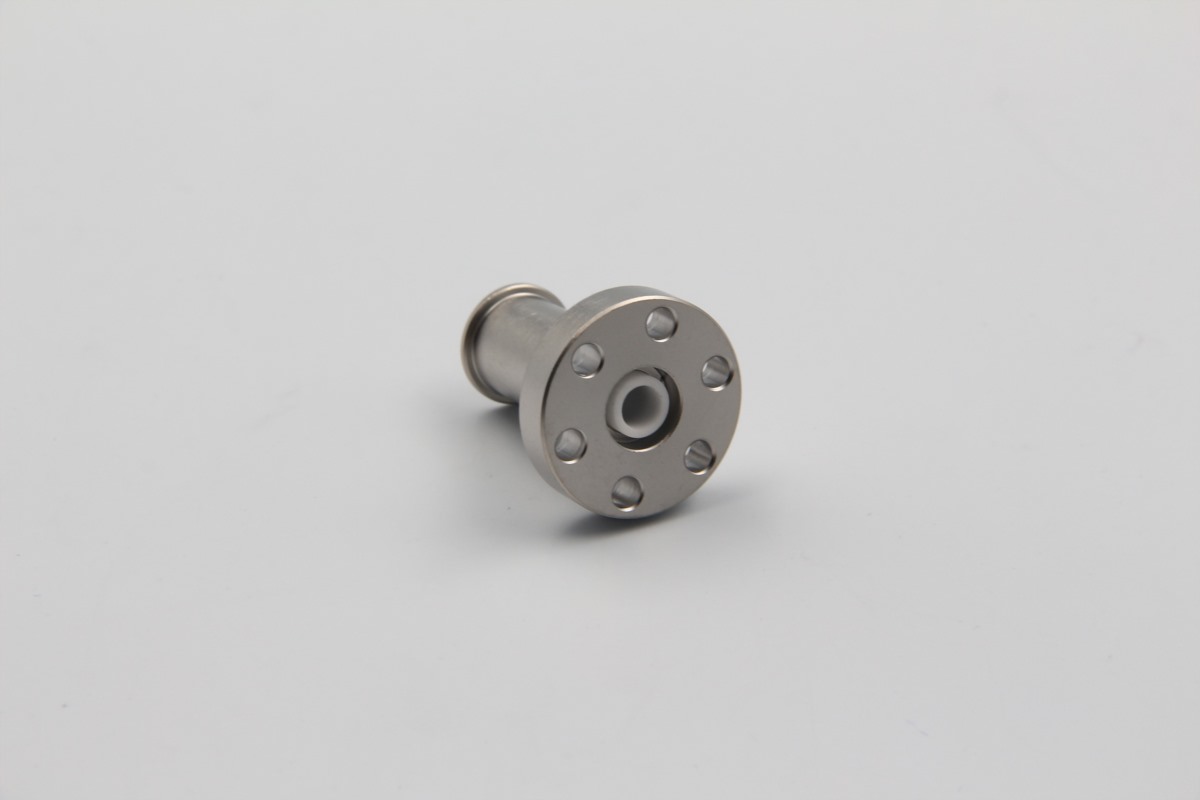
Direct brazing
When brazing directly (active metal method), the surface of the ceramic and metal parts to be welded should be cleaned first, and then assembled. To avoid cracks in component materials due to different thermal expansion coefficients, a buffer layer (one or more metal sheets) can be rotated between welds. The brazing material should be sandwiched between the two welded parts as much as possible or placed in a position where the gap is filled with brazing material, and then brazing should be performed like ordinary vacuum brazing.
(1)When using Ag-Cu-Ti brazing material for direct brazing, vacuum brazing should be used. When the vacuum degree in the furnace reaches 2.7×10⁻³Pa, heating begins, and the temperature can be increased rapidly at this time; when the temperature approaches the melting point of the brazing material, the temperature should be increased slowly so that the temperature of each part of the weldment tends to be consistent; when the brazing material melts, the temperature is quickly increased to the brazing temperature, and the insulation time is 3 to 5 minutes; when cooling, the temperature should be slowly reduced before 700℃, and it can be naturally cooled with the furnace after 700℃.
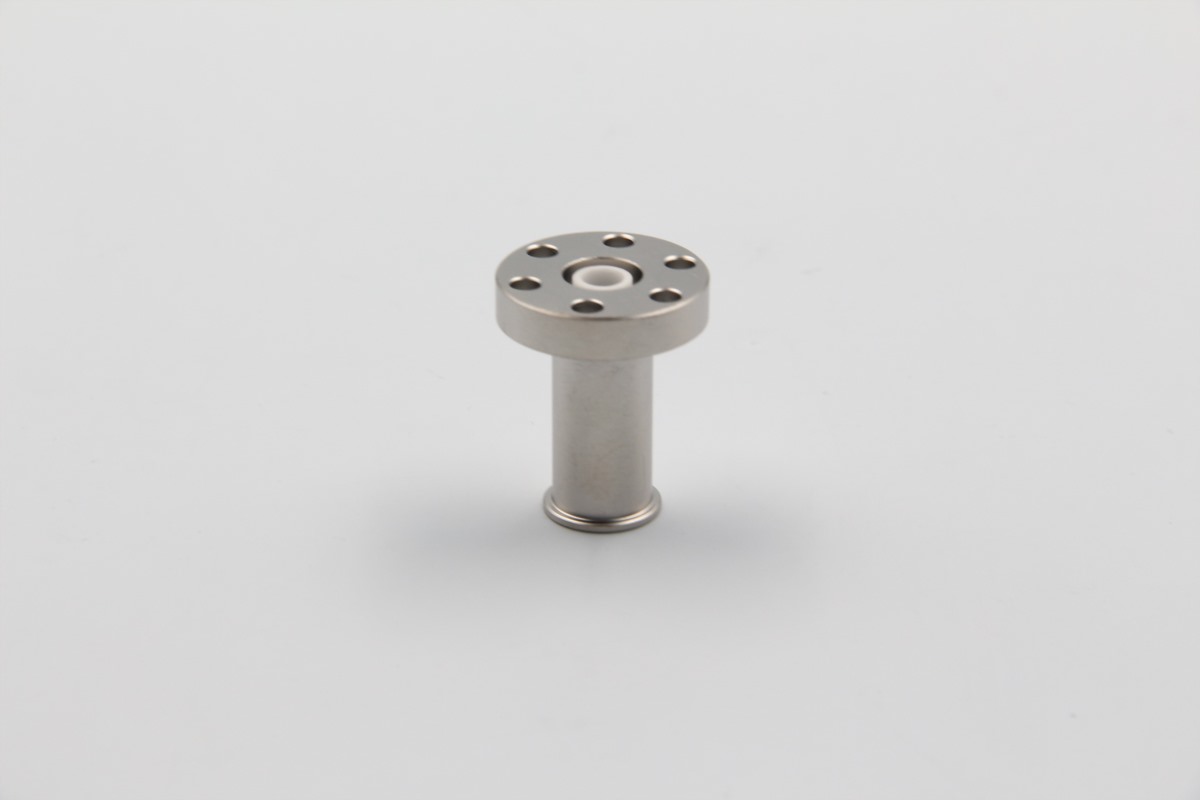
(2)When directly brazing Ti-Cu active brazing material, the brazing material can be in the form of Cu foil plus Ti powder or Cu parts plus Ti foil, or Ti powder can be coated on the ceramic surface and then Cu foil. All metal parts must be vacuum degassed before brazing. The degassing temperature of oxygen-free copper is 750-800℃. Ti, Nb, Ta, etc. require degassing at 900℃ for 15min. At this time, the vacuum degree should not be less than 6.7×10⁻³Pa. During brazing, the components to be welded are assembled in the fixture and heated to 900-1120℃ in a vacuum furnace for 2-5min. During the entire brazing process, the vacuum degree must not be less than 6.7×10⁻³Pa.
(3)The brazing process of the Ti-Ni method is similar to that of the Ti-Cu method, and the brazing temperature is 900±10℃.
In addition to surface quality inspection, the welded parts after brazing should also be subjected to thermal shock and mechanical property inspections. The sealing parts used for vacuum devices must also be leak tested in accordance with relevant regulations.
If you have ceramic-to-metal sealing parts, please feel free to contact us.