technical ceramic solutions

News

Category Archives: News

New 3D Printer Hot End – Ceramic Heating Core

What is the Difference Between the New Hot End and the Traditional Hot End?


1. The new hot end consists of the nozzle, heating element, cold end (other parts of the extruder), and integrates the heater and thermistor. This design effectively solves the problems of traditional hot ends that cannot accurately control temperature and have low thermal efficiency.


2. Due to the ability to quickly replace the nozzle, when the nozzle is clogged or stuck, just replace it with a new nozzle. Each nozzle change reconnects with the filament, so printing can be resumed in minimal time. And since the nozzle and throat are integrated into one unit, there’s also no chance of material leakage.


3. The weight and volume are reduced, so the print head takes up less space, thereby improving printing accuracy and speed.


4. Use a new heater. The heating element is smaller and faster than traditional heating blocks, and has a positive temperature coefficient (PTC) that reduces power as heat increases, preventing overheating and burning, which can cause fires.


What is a Ceramic Heating Core? What is the Difference From Traditional Heating Tubes?


Let’s first introduce the traditional hot end.


A traditional hot end consists of a nozzle screwed into an aluminum heating block that is heated by an inserted cylindrical single-head heating tube. The module also houses a removable thermistor for temperature measurement. Finally, a separate throat thermally isolates the hot end from the wire feed path, preventing it from melting on its way to the hot end. This method of heating is very inefficient and has many problems.


First, the traditional hot end is large and heavy, which affects printing accuracy and speed. If it is a direct extrusion system, the frequency of motor vibration will also be increased, further reducing accuracy and speed.


Second, there is an air gap between the heater block and the thermistor and heating tube, so effective heat transfer and accurate temperature control are not possible. This leads to the problem of being unable to print at different speeds and extrusion volumes without being able to quickly change the nozzle temperature to accommodate changing filament feed rates. This is something that all consumer printers have not yet solved.


What about the ceramic heating core?

Ceramic Heater Core

First of all, the application of ceramic heating core makes the hot end half lighter and smaller than traditional models. In other words, the ceramic heating core replaces the traditional heating tube, allowing the hot end to be designed to be lighter and more compact than the traditional one, thereby improving printing accuracy and speed.


Secondly, the ceramic heating core has a positive temperature coefficient (PTC), specifically, it reduces power when the temperature rises, thereby reducing the risk associated with temperature runaway when the maximum temperature is reached. At the same time, because the ceramic heating core can be integrated with the thermistor, precise temperature control can be achieved.


Finally, the ceramic heating core has more uniform heating performance and thermal efficiency. To achieve the same heating performance as traditional heating tubes, ceramic heating cores may only require lower power.


What is a Ceramic Heating Core?

Ceramic Heater Core With Metal

Ceramic heating core is a tubular ceramic heating element. It is a heating element made of alumina ceramics and metal heating resistor slurry sintered together.


Main process: Print a circuit made of metal heating paste on an alumina ceramic green body with a composition of 92-96%. After hot pressing and lamination, it is jointly sintered in a reducing atmosphere at 1500-1600°C, so it is also called alumina ceramics. fever. Heating resistor slurry is made of tungsten and some precious metals, and its composition ratio affects the heating rate.


Features of ceramic heating:


1. Heating speed is fast. Several types of heating resistor slurries developed by our company can meet the requirements of heating up to 800°C in the fastest 10 seconds.


2. The heating temperature is high, and long-term use below 450°C does not affect the service life.


3. The heat is uniform and consistent, and the temperature difference at different locations in the heating area is small.


4. Thermal efficiency is high. On the premise of ensuring the heating speed, the power can be reduced to achieve the purpose of low energy consumption.


5. The surface insulation is uncharged and can be in direct contact with water.


6. The power density is high, so the volume can be reduced to less than 1cm³ without affecting the heating performance.


7. Safe and reliable, does not contain harmful heavy metals, and has passed RoHS, CE, FDA, ISO9001 and other qualification standards.


Applications of Aluminum Nitride Ceramic Substrates for Integrated Circuits and Semiconductor Chip Mounts

Aluminum nitride is a non-natural existence of man-made crystals, with a hexagonal crystal system of fibrous zincite crystal structure, for the covalent bond is very strong compounds, lightweight, high strength, high heat resistance, corrosion resistance, has been used as a crucible for melting aluminum, but also an excellent performance of electronic ceramic materials.


Aluminum nitride ceramics with high thermal conductivity, low coefficient of expansion, high strength, high temperature resistance, chemical corrosion resistance, high resistivity, low dielectric loss, is the ideal large-scale integrated circuit heat dissipation substrate and packaging materials, the main raw material for the manufacture of high thermal conductivity aluminum nitride ceramic substrate.


Aluminum Nitride Ceramic Substrate


Aluminum Nitride Ceramic Substrate Advantages:

1. Excellent thermal conductivity
2. Low dielectric constant
3. Low dielectric loss
4. Reliable insulation properties
5. Excellent mechanical properties non-toxic
6. High temperature resistance and chemical corrosion resistance;


Due to the above performance, with the rapid development of microelectronic devices, high thermal conductivity aluminum nitride substrate, can be widely used in communication devices, high brightness LED, power electronics.


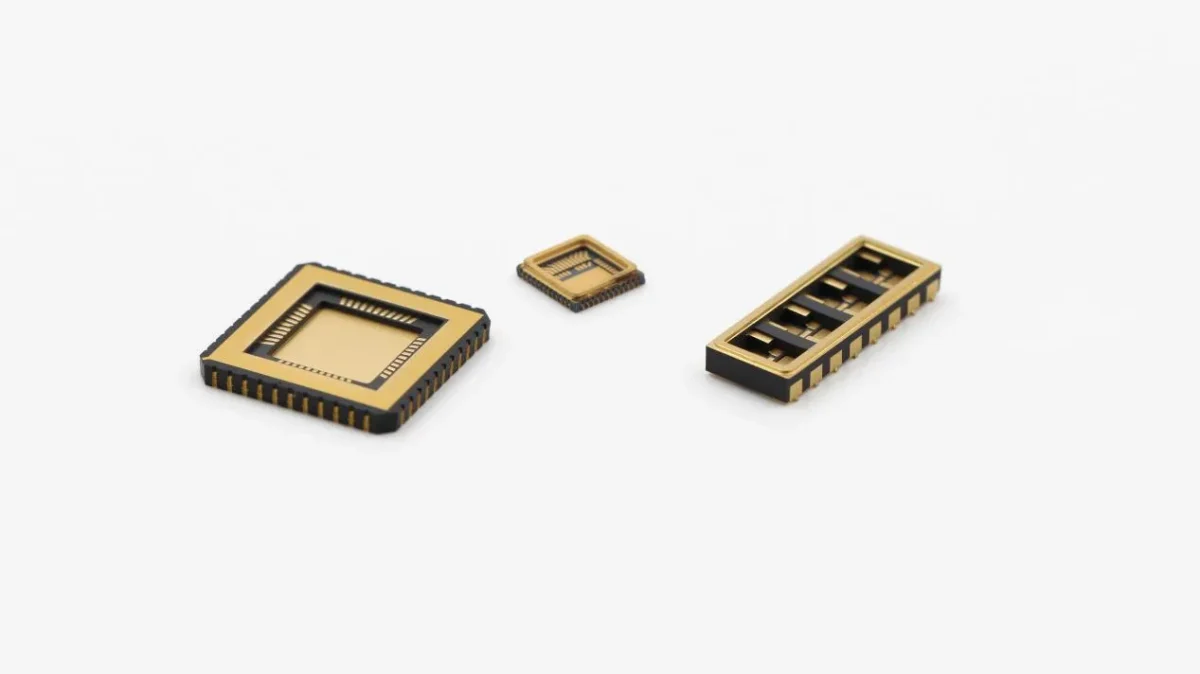
The thermal conductivity of aluminum nitride single crystal is about 250W, theoretically speaking, the thermal conductivity of aluminum nitride single crystal at room temperature can reach 320W, so the aluminum nitride material is very suitable for the manufacture of high heat dissipation substrate. Aluminum nitride ceramic substrate is a new type to solve the problem of high heat dissipation density, the most suitable for high integration, high heat dissipation hybrid integrated circuits with ceramic substrate and semiconductor chip mounting ceramic substrate.


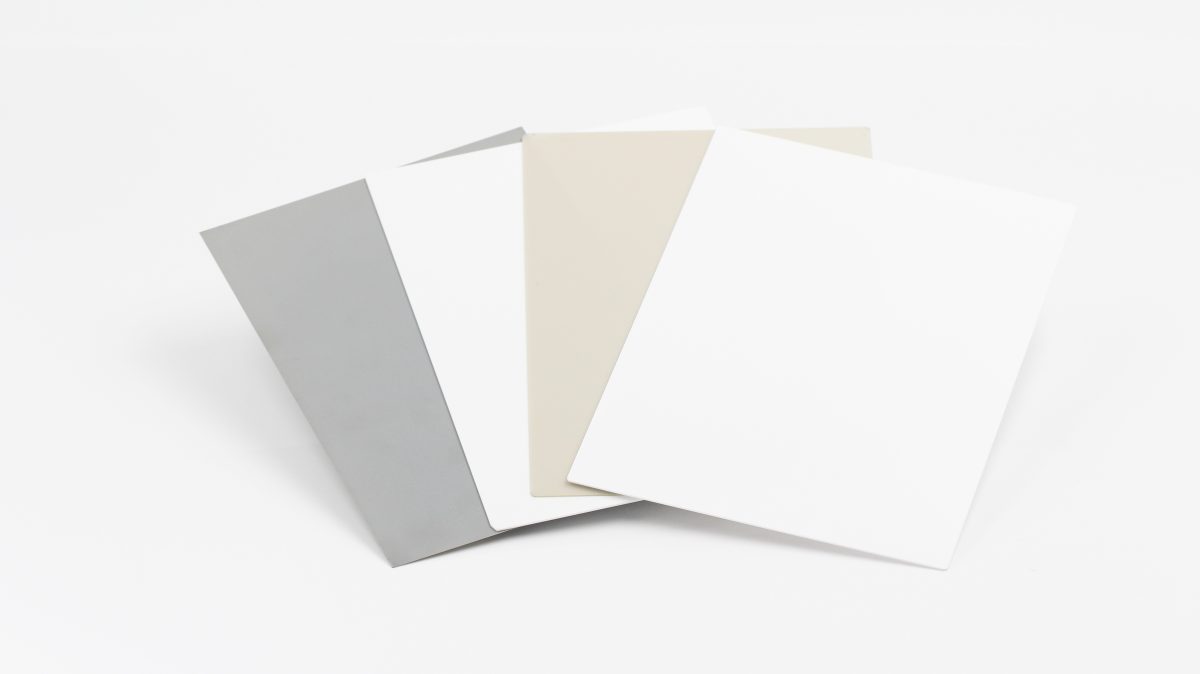
Innovacera Ceramic Thermally Conductive Interface Pads are designed to provide a preferential heat-transfer path between heat-generating components, heat sinks, and other cooling devices. The pads are used to fill air gaps caused by imperfectly flat or smooth surfaces which should be in thermal contact.


Aluminum Nitride Ceramic Thermal Pads


The pads are made by ceramic material such as alumina ceramic and aluminum nitride, which help in providing enhanced thermal conductivity and excellent insulation performance.


Applications of Aluminum Nitride Ceramic Substrates:

Power Devices
MOSFET Transistor
Heat Sink Interface
Integrated Circuit (IC) Chip
Packaging Heat Conduction
LED Board Thermal Interface Material (TIM)
MOS Transistor
Chip ON Film (COF) Heat Conduction
IGBT Transistor Heat Sink


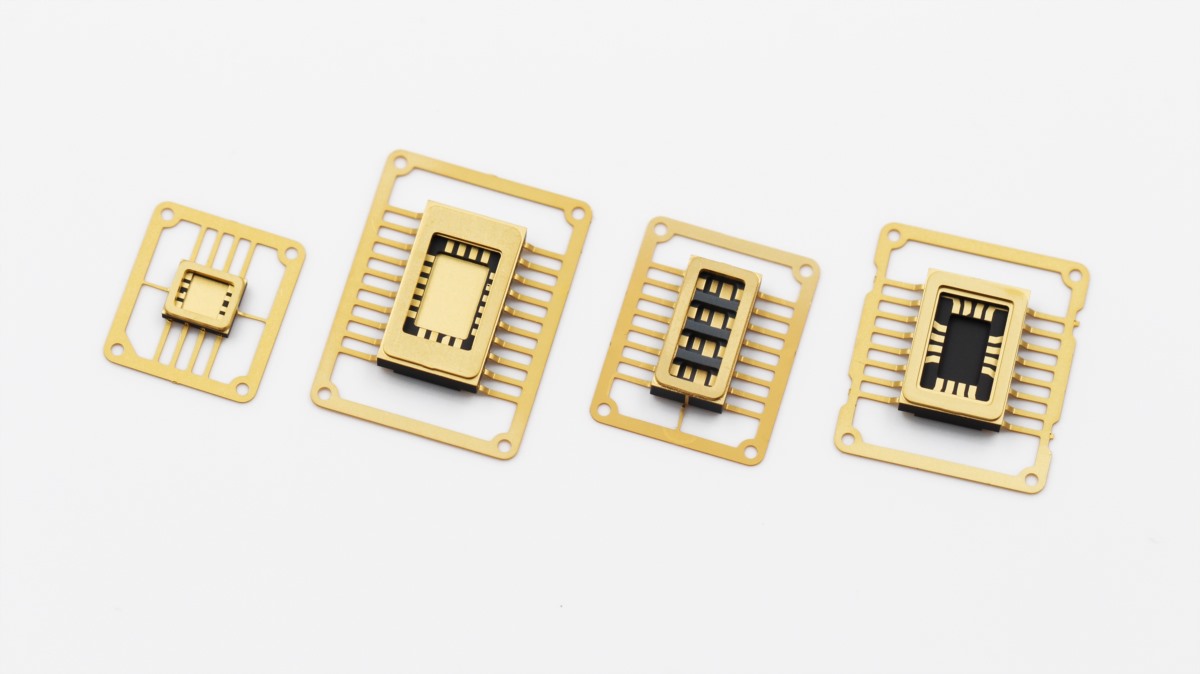
Classification and Characteristics of Ceramic Substrates Commonly Used in Electronic Packaging

There are many kinds of electronic packaging substrates, and the commonly used substrates are mainly divided into plastic packaging substrates, metal packaging substrates and ceramic packaging substrates. Plastic packaging materials usually have low thermal conductivity, poor reliability, and are not suitable for high requirements. Metal packaging materials have a high thermal conductivity, but the general thermal expansion coefficient does not match, and the price is expensive.

Electronic Packaging Ceramic Substrates

Ceramic substrates are commonly used for electronic packaging. Compared with plastic and metal substrates, ceramic substrates have the following advantages:

1. Good insulation performance, high reliability;
2. Low dielectric coefficient, high frequency performance;
3. Low expansion coefficient, high thermal conductivity;
4. Good air tightness, stable chemical properties, and a strong protective effect on electronic systems.


Therefore, it is suitable for aviation, aerospace, military and other high reliability, high frequency, high temperature resistance, good air tightness product packaging. Ultra-small chip electronic components are widely used in mobile communications, computers, household appliances, automotive electronics and other fields, and their carrier materials are usually packaged with ceramic substrates.


At present, the commonly used ceramic substrate materials for electronic packaging are alumina (Al2O3), aluminum nitride (AlN), silicon nitride (Si3N4), silicon carbide (SiC), boron nitride (BN), beryllium oxide (BeO).


The Following are the Application Areas of Various Material Substrates:

1. Alumina Ceramic Substrate

Although the Al2O3 ceramic substrate has a large output and a wide range of applications, its thermal conductivity is higher than that of silicon single crystals, which limits its application in high-frequency, high-power and ultra-large scale integrated circuits.


2. Aluminum Nitride Ceramic Substrate

The preparation process of AlN powder, the core raw material of AlN ceramics, is complicated, has high energy consumption, long cycle and high price. The high cost limits the wide application of AlN ceramics, so AlN ceramic substrates are mainly used in high-end industries.


3. Silicon Nitride Ceramic Substrate

The dielectric properties of Si3N4 ceramics are poor (dielectric constant is 8.3, dielectric loss is 0.001 ~ 0.1), and the production cost is high, which limits its application as an electronic packaging ceramic substrate.


4. Silicon Carbide Ceramic Substrate

The dielectric constant of SiC is too high, 4 times that of AlN, and its compressive strength is low, which is only suitable for low-density packaging, but not for high-density packaging. In addition to integrated circuit components, array components, laser diodes, etc., it is also used for conductive structural components.


5. Beryllium Oxide Ceramic Substrate

Its use is limited to the following aspects: heat sink of high-power transistors, heat sink of high-frequency high-power semiconductor devices, emission tube, traveling wave tube, laser tube, klystron, BeO ceramic substrate because of its high thermal conductivity and ideal high-frequency characteristics, sometimes used in avionics and satellite communications.


6. Boron Nitride Ceramic Substrate

BN has the advantages of high thermal conductivity, thermal conductivity almost does not change with temperature, small dielectric constant, good insulation performance, etc., and is widely used in radar window, high-power transistor tube base, tube shell, heat sink and microwave output window and other fields.


Performance of Ceramic Substrates of Various Materials:

Performance Performance Unit ALN AI2O3 BeO SiC BN Si3N4
Content % 95 96.0     99.5 99.0 / 99-997 /
Density g/cm3   ≥3.32 3.72 3.90 2.52 ≥3.03   1.6-2.0   3.26±0.05
Thermal Performance Maximum service
temperature
  800 1700 1750 / 1300   900-2100   /
Thermal conductivity (W/m·K)20℃   / 24.70 30.00 230 90-110   35-85   /
(W/m·K)100℃   170 / / / / /   /
Thermal Expansion ×10-6℃(25~400℃)   4.4 / / / 4.0 0.7~7.5   3.0-3.2
×10-6℃(25~800℃)   / 8.2 8.2 7.0-8.5 / /   /
×10-6℃(20~100℃)   / / / / / 1.5-2.8   /
Electrical performance Electrical resistivity(Ω*cm) Ω·cm (25℃) >1014 >1015 >1015 ≥1014 / >1014->1013   >1018
Ω·cm (300℃) / / / ≥1011 /   /   /
Dielectric constant 1MHz(10±0.5)GHz 8.9 8.3 8.7 6.9±0.4 40   4.0   9.4
Dielectric loss (×10-4)(1Hz) 3~10 0.0002 0.0001 / /   /  /
Withstand voltage (kV*mm-1) 15 10 10 10 0.07 300~400   100
Mechanical property Hardness(HV) MPa 1000 25 12 91-93(HRA) /   160-1800
Bending strength MPa ≥410    300~350 200 ≥350 40~80   700-800
Elastic modulus GPa 320   370 350 350 /   320
   Toxicity / (W/m·K)20℃ No No Yes No No No

Characteristics and Applications of Aluminum Nitride Ceramics

Aluminum nitride ceramics have excellent thermal conductivity, reliable electrical insulation, low dielectric constant and dielectric loss, non-toxic and matched with the coefficient of thermal expansion of silicon, a new generation of highly integrated semiconductor substrate and the ideal packaging material for electronic devices, but also can be used for heat exchangers, piezoelectric ceramics and thin films, thermally conductive filler.
Atmospheric Pressure Sintered Aluminum Nitride Ceramics
AlN ceramics are used as copper-clad substrates, electronic packaging materials, ultra-high-temperature device packaging materials, high-power device platform materials, high-frequency device materials, thin-film materials for sensors, materials for optical electronics, coatings and functional enhancement materials.


Application:


1. Heat dissipation substrate and electronic device packaging

Ideal for packaging hybrid power switches and microwave vacuum tube housings, as well as substrates for large-scale integrated circuits.


2. Structural Ceramics

AIN ceramics are heat and erosion resistant and can be used to make crucibles, Al evaporation dishes, semiconductor electrostatic chucks, and other high temperature corrosion resistant parts.


3. Functional Materials

Aluminum nitride can be used to make high-frequency, high-power devices that can be used at high temperatures or in the presence of radiation, such as high-power electronics and high-density solid-state memory.
High-purity AlN ceramics are transparent and have excellent optical properties, which, combined with their electrical properties, can be used to create functional devices such as infrared deflectors and sensors.


4. Inert heat-resistant materials

AlN as a heat-resistant material can be used as crucibles, protective tubes, casting molds and so on. Aluminum nitride can be in 2000 ℃ non-oxygenated atmosphere, still has a stable performance, is an excellent high-temperature refractory materials, resistance to molten metal erosion ability.


5. Heat exchanger parts

Aluminum nitride ceramics with high thermal conductivity, low coefficient of thermal expansion, excellent thermal conductivity and thermal shock resistance can be used as ideal heat-resistant impulse and heat exchanger materials, for example, aluminum nitride ceramics can be used as heat exchanger materials for marine gas turbines and heat-resistant parts for internal combustion engines.


6. Filler material

Aluminum nitride has excellent electrical insulation, high thermal conductivity, good dielectric properties, good compatibility with polymer materials, is an excellent additive for polymer materials for electronic products, can be used for TIM filler, FCCL thermal conductivity dielectric layer filler, widely used in electronic devices, heat transfer medium, and thus improve efficiency, such as the CPU and the heatsink to fill in the gap, the high-power transistor and silicon components and the substrate in contact with the slit place Thermally Conductive Fillers.


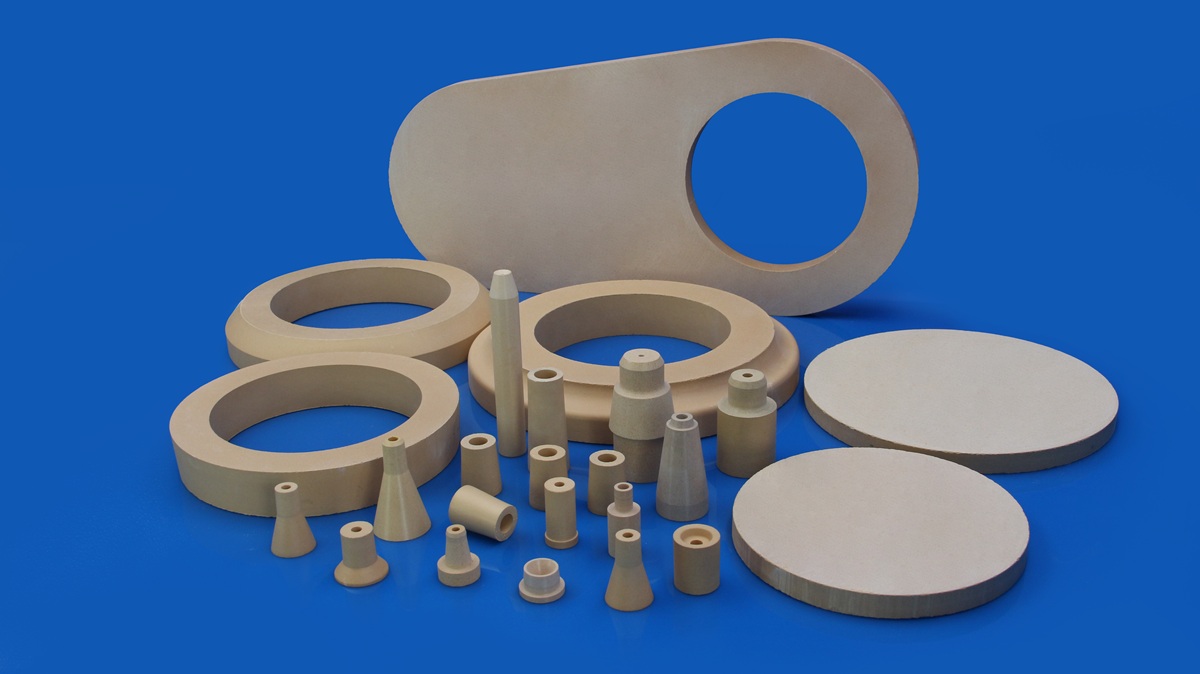
Advantages of Machinable Glass Ceramic

The most prominent feature of machinable ceramics is its good machinability. It can be turned, milled, planed, sawed, ground, cut, tapped, etc. using general-purpose metal processing equipment into a variety of parts with complex shapes, and can achieve a fairly high degree of machining accuracy. No special tools and equipment are required.


Machinable Glass Ceramic Ceramic Roller For Vacuum Environment Application


Machinable Glass Ceramic have excellent electrical insulation properties, high mechanical strength, resistance to rapid cooling and heating (widely used in welding fixtures, optical glass molding dies, etc.). Its corrosion resistance is also superior to ordinary ceramics, relative to PTFE, it is more resistant to corrosion, not aging, long service life so that it is used in various types of chemical equipment.


Machinable ceramics have high volume resistivity and high dielectric strength, making it an excellent electrical insulation material. It has excellent insulation and dimensional stability, and it is completely non-porous, non-absorbent, and does not outgas at 1000℃, so it can be applied in the vacuum field; good corrosion resistance, it can be used as heat-resistant parts in corrosive environments and parts in three-waste treatment devices; machinable ceramics have good thermal shock resistance, ultra-high vacuum stability, resistance to high and low temperatures, dimensional stability, and a specific gravity that is lighter than luminum, etc., which makes it It has become a universal material in the field of astronautics.


Machinable Glass Ceramic not only has the nature of ceramic materials, but also has the characteristics of metal materials, the combination of the two together, so that can be processed ceramics have many excellent features at the same time, but also has no ceramic materials, high toughness, general industrial ceramics because of the low strength, so in the application of structural materials has great limitations, and can be processed ceramics is not too big a concern, so in many cases, can be processed ceramics ceramics can be used in place of other industrial ceramics, and the use of the effect is not a big difference.


Machinable Glass Ceramic Material Properties – SU0005:

Properties: Units: Remark:
Density g/cm3 2.6
Hardness Mohs 4~5
Color White
Coefficient of Thermal Expansion
-50°C~200°C (Average value)
°C 7.2×10⁻⁷
Thermal Conductivity W/m.k (25°C) 1.71
Continuous Operating Temperature °C 800
Flexural Strength MPa >108
Compressive Strength MPa >508
Impact Toughness KJ/m2 >2.56
Elasticity Modulus GPa 65
Dielectric Loss (1~4)×10-3 RT
Dielectric Constant 6~7
Dielectric Strength
(The thickness of sample: 1mm)
KV/mm >40
Volume Resistivity Ω.cm (25°C) 1.08×10¹⁶
1.5×10¹²Ω.cm °C 200
1.1×10⁹Ω.cm °C 500
The Normal Temperature
Outgassing Rate (Vacuum
sophisticated 8 hrs)
ml/s. cm2 8.8×10⁻⁹
Helium Through Rate
(After firing at 500°C, cooling to
room temperature)
ml/s 1×10⁻¹⁰
5% HC1 (95°C, 24 hours) mg/cm2 0.26
5% HF mg/cm2 83
50% Na2CO3 mg/cm2 0.012
5%NaOH mg/cm2 0.85


Machinable Glass Ceramic Related Products:

Machinable Glass Ceramic Structural Parts:

Machinable Glass Ceramic Structural Parts

Machinable Glass Ceramic Ceramic Blocks:

Machinable Glass Ceramic Ceramic Blocks

Machinable Glass Ceramic Ceramic Pads:

Machinable Glass Ceramic Ceramic Pads

Machinable Glass Ceramic Rings:

Machinable Glass Ceramic Rings

Machinable Glass Ceramic Tubes:

Machinable Glass Ceramic Tubes

Innovacera Invite You To Visit Us At Ceramitec 2024 Exhibition On A6.145

In the 2024 year, Innovacera will attend 4 foreign exhibitions including the Ceramitec 2024. If you happen to have attended or visit them, too, welcome to come to meet us at the exhibition. Below is more information about Ceramitec 2024.

Exhibition Name: Ceramitec 2024
Date: Apr. 9-12, 2024
Location: Trade Fair Center Messe München; Am Messeturm, 81829 Munich
Ceramitec 2024 Scale: -30,000 M²
Audience: 10,000 people from 34 countries
Organizer: Messe München
Innovacera Advance Ceramic Material will show: Alumina Ceramic, Zirconia Ceramic, Aluminum Nitride, Boron Nitride Ceramic, Porous Ceramic, Silicon Nitride Ceramics, Beryllia Ceramics, Machinable Glass Ceramic, Silicon Carbide Ceramics.
Exhibition Web: https://ceramitec.com
Innovacera Booth No.: A6 Hall 145

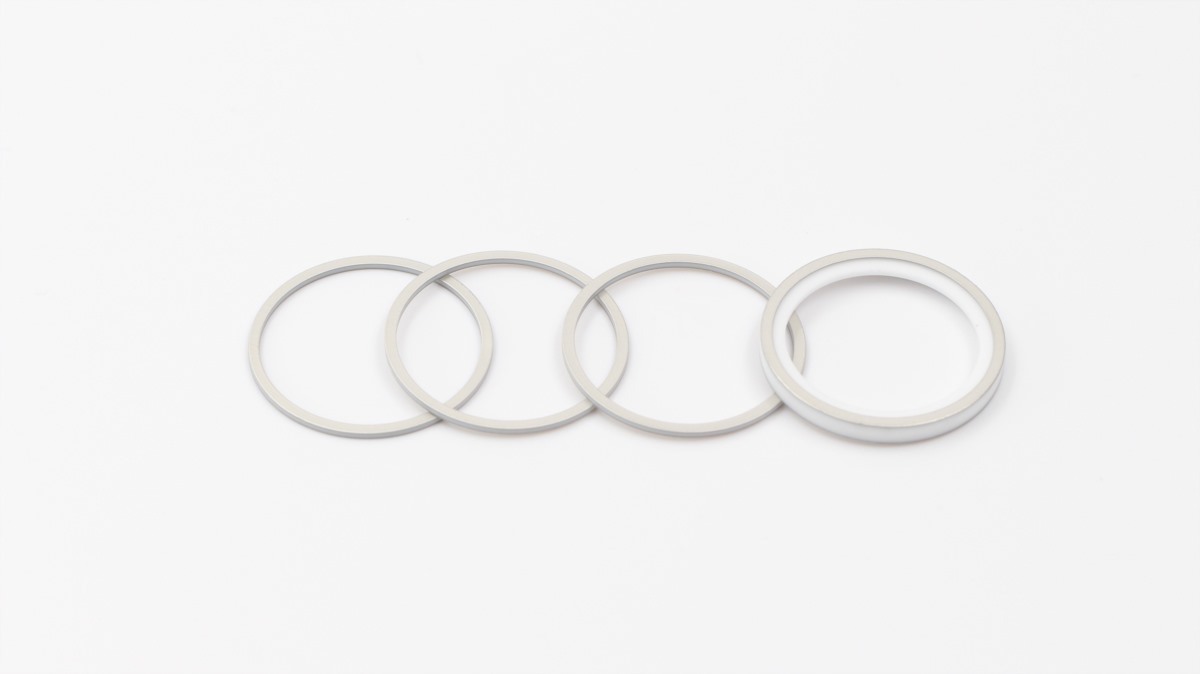
Innovacera will exhibit all kinds of technical ceramic components such as Metallized Ceramics, Ceramic Carrier Plates, Ceramic Separation Rings, Ceramic Robotic Arm End Effectors, Ceramic Heaters, Ceramic Substrates, Ceramic Bases, Ceramic Shells, Ceramic Reflector Cavities, AMB Silicon Nitride Substrate, DBC, DPC, ceramic welding parts and so on.

Ceramitec 2024 stands as the pinnacle event for the ceramics industry, providing a platform to explore the latest trends and innovations. Visitors will delve into the impact of technologies such as additive manufacturing, Industry 4.0, and sustainability on the ceramics sector. The event is a unique opportunity to immerse oneself in the future of ceramics and gather invaluable insights to shape and enhance business strategies.

The trade fair encompasses the entire ceramics industry, uniting producers, users, and scientists. Attendees can explore a comprehensive range of machinery, devices, processes, and raw materials. From classic ceramics to industrial ceramics, technical ceramics, powder metallurgy, and the latest in 3D printing and additive manufacturing, ceramitec 2024 covers every facet of this dynamic industry.

Innovacera cordially invites all old customers, industry professionals, partners, and enthusiasts to visit booth A6 145 at Ceramitec 2024. Innovacera Vissio is: To be the most reliable supplier of advanced materials components and Mission is Winning with our customers and employees.


What Are The Differences Between Thermally Conductive Silicone Sheets And Ceramic Heat Sinks

From the aspects of temperature resistance range, material hardness, insulation performance, thermal conductivity, bonding performance, etc., the specific distinctions are as follows.

Ceramic Heat Dissipators

Thermal Conductive Silicone Sheet Performance and Characteristics

1. Thermal Conductive Silicone Sheet Temperature Resistance Range:

The high temperature working range of high thermal conductivity silicone sheets is 200℃, but ceramic heat sinks can be used normally in high temperature environments above 1700℃.

2. Material Hardness of Thermally Conductive Silicone Sheet:

Thermal conductive silica gel sheet is an elastic silica gel material with good compressibility, while ceramic heat sink is a high-hard ceramic material. In terms of hardness, ceramic heat sink fin is much higher than thermal conductive silica gel sheet.

3. Insulating Properties of Thermally Conductive Silicone Sheets:

The breakdown voltage of the thermally conductive silicone sheet is 4.5KV/mm, while the breakdown voltage of the ceramic heat sink is 15KV/mm, and the volume resistance of the ceramic heat sink is also as high as 1012Ω·m.

Ceramic Heat Sink Performance and Characteristics

Ceramic Thermal Sinks

1. Thermal Conductivity of Ceramic Heat Sink:

The thermal conductivity of thermal silica gel sheets is far inferior to that of thermally conductive ceramic sheets doped with a large amount of alumina and aluminum nitride. The thermal conductivity of alumina ceramic heat sinks is more than 5 times that of high thermal conductivity silica gel sheets.

2. Fitting Performance of Ceramic Heat Sink:

The good insulation and soft tape properties of the thermally conductive silicone sheet make it extremely superior in conformability, and also make it widely used in heat conduction and heat dissipation on the chips of various electronic products. However, the heat transfer of the thermally conductive ceramic sheet requires a certain amount of thermal conductivity. Silicone grease increases its conformability, which is one of the main reasons why thermally conductive ceramic sheets are not widely used in electronic products for heat conduction and heat dissipation.

The Following is A Summary:

Thermal conductive material Thermal conductive silicone sheet Ceramic heat sink
Temperature resistance range 200 1700
Hardness Low High
Insulating (breakdown voltage) 4.5KV/mm 15KV/mm
Thermal conductivity Low 5 times
Fitting performance Good Not very good

Conclusion

Because each thermal conductive material has electronic thermal conductivity and heat dissipation application scenarios that are adapted to its characteristics, customers need to choose the required heat dissipation material according to their needs.


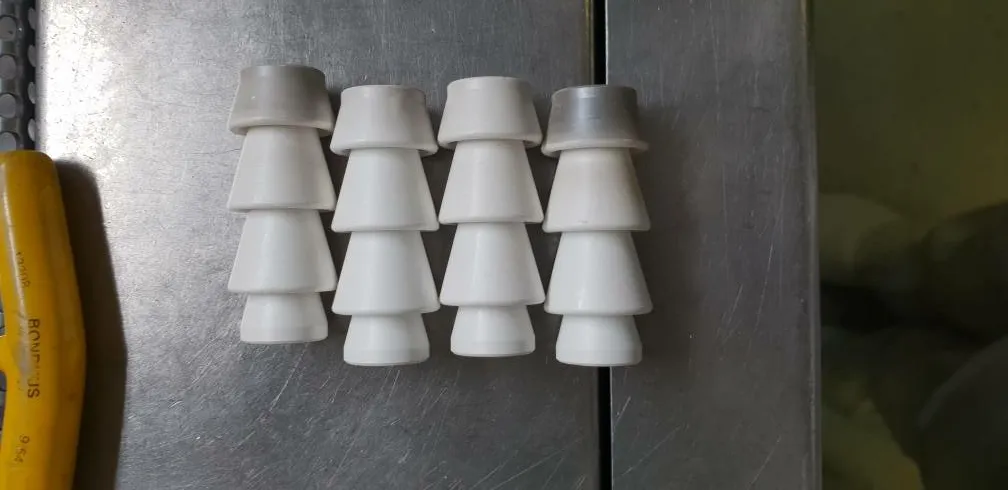
Advantages Of Alumina Ceramic Bushings

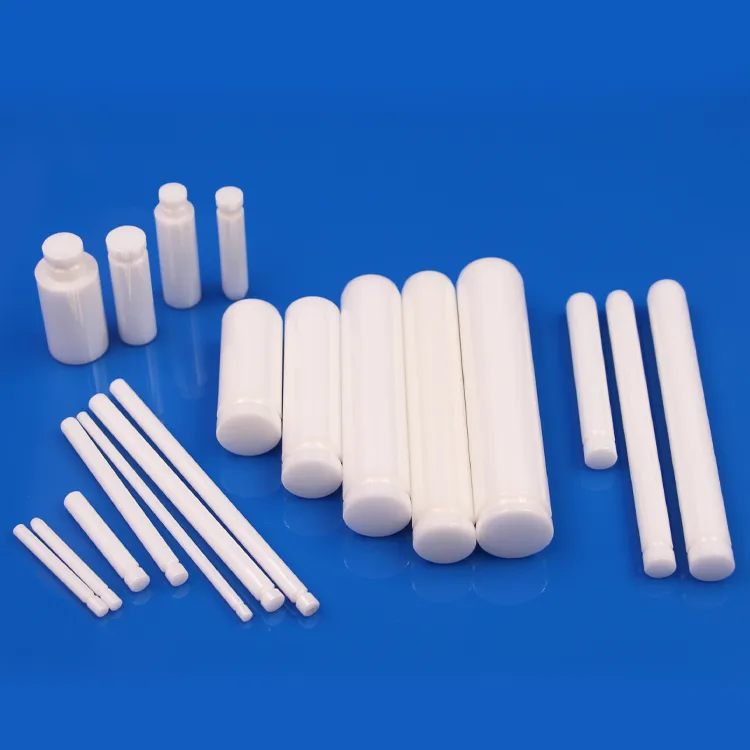
Alumina ceramic bushings are widely used in electronic and electrical industries because of their high electrical insulation, ultra-high hardness and compressive strength. Alumina is an excellent high temperature ceramic material due to its high temperature stability. It is the most commonly used type of advanced ceramics with a purity of between 95% and 99.8%.

Applications Of Alumina

Alumina ceramics are characterized by extremely high hardness and wear resistance, low erosion levels, high temperature resistance, corrosion resistance and biological inertness. As a result, Al2O3 ceramic products are ideal for many industries, such as:
1. Electrical wires and wire conduits;
2. Mechanical seals;
3. Machine parts;
4. High temperature electrical insulators;
5. High voltage insulators;
6. Electronic parts substrates;
7. Roller and ball bearings;
8. Wear-resistant linings;
9. Semiconductor parts;
10. Precision shafts and axes in high wear environments.

Alumina Ceramic Insulation Tube

Properties Of Alumina (From 95%-99.8%)

1. Excellent electrical insulation (1 × 10 14 ~ 1 × 10 15 Ω cm);
2. Medium to ultra-high mechanical strength (300 to 630 MPa);
3. Very high compressive strength (2000 to 4000 MPa);
4. High hardness (15 to 19 GPA);
5. Medium thermal conductivity (20 to 30 W / MK);.
6. High corrosion and wear resistance;
7. Good grinding performance;
8. Low density (3.75 to 3.95 g / cm3);
9. Operating temperature of 1000 to 1500°C without mechanical load;
10. Biological inertia, food compatibility.

The Properties Of 99.8% Alumina Are As Follows:

Properties Test Conditions Units Value
Alumina Content 99.8
Color Ivory
Bulk Denstity g/cm3 3.89
Water-absorption  % 0
Grain Size μm 4-5
Vickers Hardness, HV1.0 Load 4.9N GPa ≥15
Flexural Strength, RT MPa ≥300
Coefficient of Linear Expansion 20~500℃ 1×10⁻⁶mm/℃ 6.5~7.5
20~800℃ 6.5~8.0
Thermal Conductivity, RT 20℃ W/m・K ≥20.9
Specific Heat Capacity kJ/(kg・K) ≥0.8
Dielectric Strength KV/mm ≥12
Electrical Resistivity, RT 20℃ Ohm.cm ≥1014
300℃ ≥1011
500℃ ≥109
Permittivity 1MHz 9~10
Dielectric DissipationFactor 1MHz ≤3×10⁻⁴
Surface Roughness μm 0.1~0.4

Alumina Ceramics Production and Processing Factory

Alumina Ceramic Insulated Pipe

Xiamen Innovacera Advanced Materials CO., LTD has been engaged in precision technical ceramics for ten years and has rich experience in grinding, lapping and polishing of alumina ceramics. We accept customization:
1.Manufacture products according to drawing requirements;
2.Manufacture of more complex products;
3.Low MOQ ;
4.Achieving higher dimensional accuracy;
5.Achieving fast response and delivery;
6.Providing more specialized services;
7.Realizing the thrust of customer satisfaction.


What Is The PBN Performance Advantages And Usage

Pyrolytic boron nitride (PBN) belongs to the hexagonal crystal system, and its purity can reach 99.999%. It is acid and alkali resistant, anti-oxidation, has good thermal conductivity, is dense, and can be processed. Due to the CVD process, pyrolytic boron nitride has a near-perfect layered structure, resulting in anisotropic thermal conductivity, making it an ideal material for making crystal growth crucibles.

99.99% High Purity Pyrolytic Boron Nitride Ceramic Heater Plate
It is made of chemical vapor deposition (CVD) of ammonia and boron halides under high temperature and high vacuum conditions. It can not only prepare PBN sheets, but also directly prepare PBN final products such as crucibles, boats, and coatings.

High Quality Pyrolytic Boron Nitride PBN Ceramic Crucible for PVD System
Pyrolytic boron nitride is different from ordinary hot-pressed boron nitride (HBN). It does not need to go through the traditional hot-pressing sintering process and does not add any sintering agent.

Therefore,the obtained product has the following significant characteristics:

1. Non-toxic and tasteless;
2. High purity, reaching more than 99.999%;
3. It does not react with acids, alkalis, salts and organic reagents at room temperature, and is slightly corroded in molten salts and alkali solutions, but it can resist corrosion by various acids at high temperatures;
4. Does not react with most molten metals, semiconductors and their compounds;
5. Good antioxidant performance below 1000℃;
6. Thermal shock resistance is good, no cracks were found when put into water at 2000℃;
7. High operating temperature, no sublimation point, and directly decomposes into B and N above 3000°C;
8. High resistance and good electrical insulation performance;
9. The surface is smooth, without pores, and does not wet with most semiconductor melts.

Properties Of Pyrolytic Boron Nitride:

Property Unit Value
Lattice Constant μm a: 2.504 x 10 -10 ;
c: 6.692 x 10 -10
Density g/cm3 2.10-2.15 (PBN Crucible);
2.15-2.19 (PBN Plates)
Micro Hardness (Knoop)(ab side) N/mm2 691.88
Resistivity Ω·cm 3.11 x 10
11
Tensile Strength N/mm2 153.86
Bending Strength C N/mm2 243.63
C N/mm2 197.76
Elastic Modulus N/mm2 235690
Thermal Conductivity W/m·k “a” direction; “c” direction
200 W/m·k 60 2.60
900 W/m·k 43.7 2.8
Dielectric Strength (at room temperature) KV/mm 56

Applications Of Pyrolytic Boron Nitride:

Due to the nature of the CVD process, pyrolytic boron nitride parts typically require wall thicknesses of 3 mm or less. But the CVD process gives pyrolytic boron nitride a nearly perfect layered structure, resulting in anisotropic thermal conductivity, making it an ideal material for making crystal growth crucibles.
1. OLED evaporation unit
2. Semiconductor single crystal growth (VGF, LEC) crucible;
3. Molecular beam epitaxy (MBE) evaporation crucible;
4. MOCVD heater;
5. Polycrystalline synthetic boat;
6. PBN infrared window;
7. Satellite communication microwave tube;
8. PBN coated carrier plate;
9. Insulating panels for high temperature and high vacuum equipment.

Pyrolytic Boron Nitride Ceramic Related Application Products

Pyrolytic Boron Nitride Ceramic Processing:

We can meet your advanced ceramic prototyping needs. We are always happy to draw on our many years of experience with advanced ceramics to provide advice on materials, design and application. If you would like to purchase boron nitride plate/rod/tube or custom parts, please contact us and one of our experts will be happy to help you find the solution.


What Are The Features? Applications Of Microporous Ceramics – Filtration

Microporous ceramics refer to ceramic bodies that contain a large number of open or closed tiny pores inside or on the surface of the ceramic. The pore diameter is generally micron or sub-micron. It is a functional structural ceramic. Microporous ceramic has adsorption, breathability, corrosion resistance, environmental compatibility, biocompatibility, etc. It is widely used in filtration of various liquids, filtration of gases and immobilization of organisms. Enzyme carriers and biologically adaptable carriers have been widely used, especially in environmental engineering, such as industrial water, domestic water treatment, sewage purification, etc. With the development of science and technology and industrial production, issues such as energy, resources, and three waste management have received more attention. In particular, the rapid development of high-tech fields such as biochemicals, fine chemicals, and energy materials has put forward higher requirements for the research and development of liquid and solid separation technologies, micropore filtration technology and micropore filtration with high separation accuracy and high operating efficiency. Materials are attracting more and more attention.

Microporous Ceramic Filter

Features of microporous filter tube:

1. The microporous ceramic filter tube has countless micropores evenly distributed in the network state, and the pore diameter is slender and curved, with good penetration and capillary characteristics, so that the solid particles form an arch bridge shape in the micropore diameter, which has little impact on the filtration rate.

2. The microporous ceramic filter tube has high temperature resistance, corrosion resistance, no deformation, easy cleaning and regeneration, long service life, no harmful substances leaching out, and no secondary pollution.

3. The microporous ceramic filter tube is easy to regenerate. It is usually backflushed once every three months. It only needs to be backflushed with water or compressed air after sedimentation, and it can be restored to its original state and continued to be used.

4. Microporous filter tubes are mainly used in refining, chemical industry, synthetic rubber, textiles, pharmaceuticals, and food processing.

Microporous ceramic materials have a large application market in many fields due to their high porosity, low air permeability resistance, controllable pore size, easy cleaning and regeneration, and resistance to high temperature, high pressure, and chemical media corrosion. Ceramic microfiltration technology and ceramic filtration devices using microporous ceramic materials as filter media not only solve difficult filtration problems such as high temperature, high pressure, strong acid and alkali, and chemical solvent media, but also have high filtration accuracy, good cleanliness, and With the characteristics of easy cleaning and long service life, it has been widely used in petroleum, chemical industry, pharmaceutical, food, environmental protection, water treatment and other fields. Filtration ceramics have a long service life and good heat resistance and corrosion resistance. They can be used in the filtration and separation processes in domestic sewage, industrial wastewater and exhaust gas treatment, especially in the separation of carbon dioxide, nitrogen oxides, sulfur dioxide, nitrogen and other gases in high-temperature flue gas treatment. Filter ceramics must be used.

Microporous ceramic materials have a large application market in many fields due to their high porosity, low air permeability resistance, controllable pore size, easy cleaning and regeneration, and resistance to high temperature, high pressure, and chemical media corrosion. Ceramic microfiltration technology and ceramic filtration devices using microporous ceramic materials as filter media not only solve difficult filtration problems such as high temperature, high pressure, strong acid and alkali, and chemical solvent media, but also have high filtration accuracy, good cleanliness, and It is easy to clean and has a long service life. It has been widely used in petroleum, chemical industry, pharmaceutical, food, environmental protection, water treatment and other fields.


Enquiry