technical ceramic solutions

News

Category Archives: News

What Are The Methods For Joining Ceramic With Other Metals

Joining ceramics to other materials, also known as ceramic-metal or ceramic-polymer joining, has been an area of extensive research and innovation. Engineers and scientists have been exploring various techniques to effectively bond ceramics, which are known for their high temperature resistance and hardness, with other materials like metals or polymers to create stronger and more versatile components.

Some of the common methods used for joining ceramics to other materials include:

1. Screwing: Used for junctions subject to strong impact such as in machine mechanisme.
Ceramic Screwing
2. Shrink-fitting: Based on the higher compression resistance and lower thermal expansion of ceramics, it is used to reinforce ceramic pipes subject to internal pressure.
Ceramic Tube Shrink-Fitting
3. Resin molding: Ceramic parts are inserted and formed into desired shapes. Simple design is possible.
Resin Molding Ceramic Blade
4. Brazing: A typical method used to seal ceramics and metal.Molybdenum-manganese paste is used as metal film is baked on the ceramics surface. The film formed is bonded to metal by high temperature brazing.
Ceramic To Metal Brazing
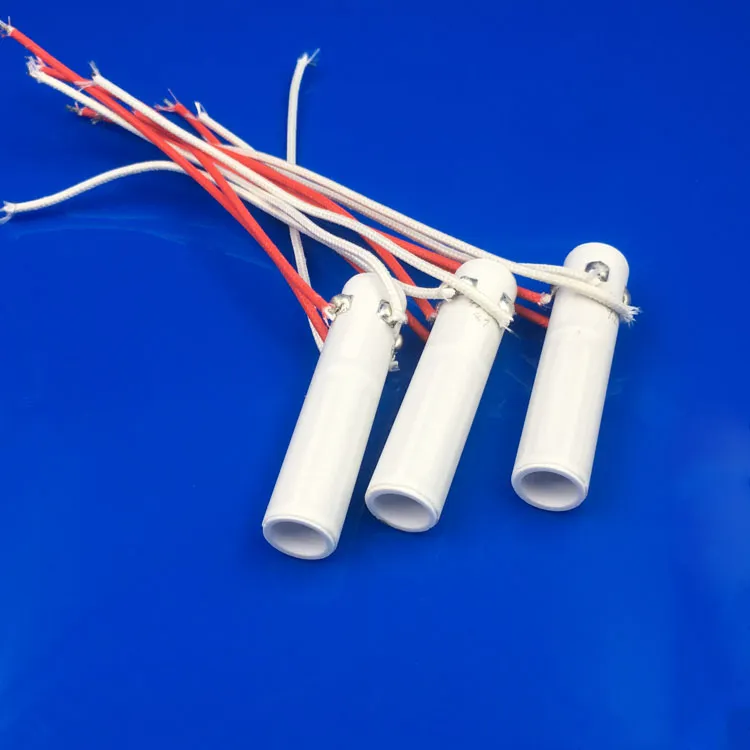
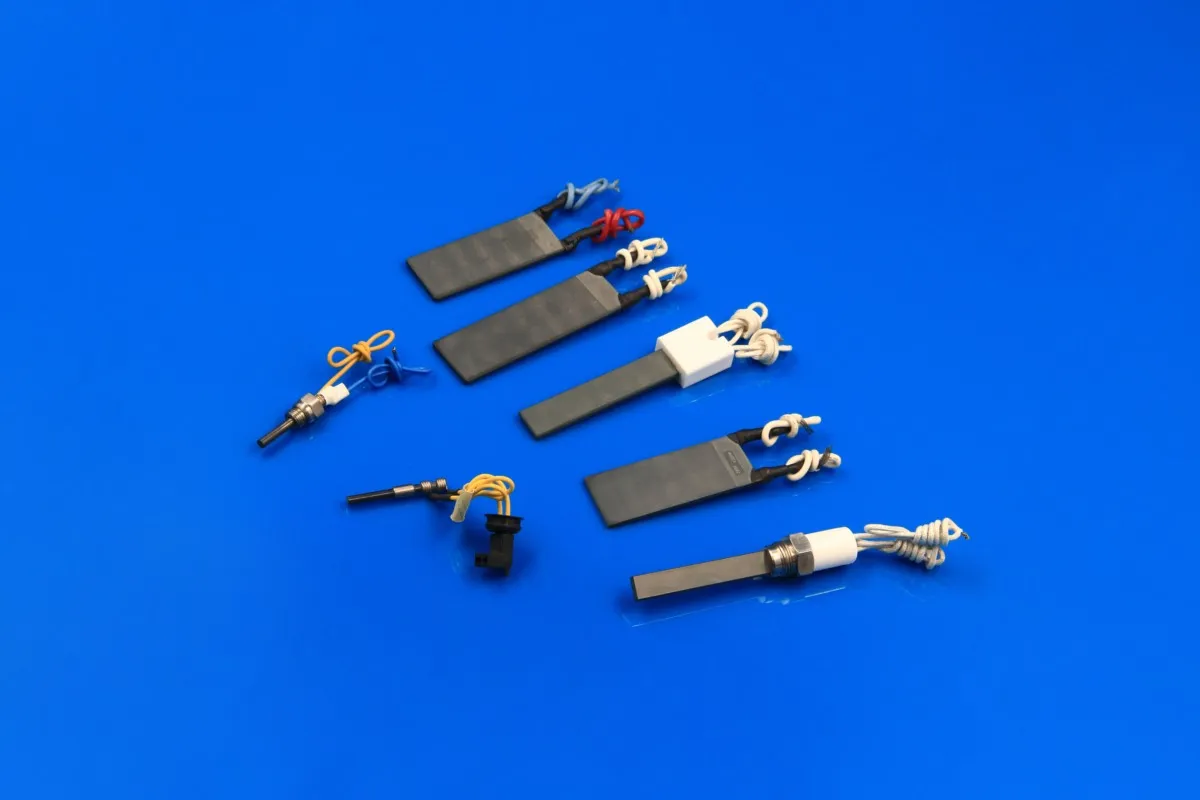
5. Adhesive Bonding: Using adhesives or bonding agents to attach ceramics to metals or polymers. Specialized adhesives are designed to withstand high temperatures and provide strong adhesion between dissimilar materials.
Ceramic Heater Adhesive Bonding
The successful joining of ceramics to other materials has numerous applications across industries. For instance, in aerospace, these techniques are used to create high-performance components that can withstand extreme conditions. In electronics, ceramics joined with metals enable the creation of advanced circuitry. Biomedical applications also benefit from such advancements, as they can create durable and biocompatible implants.
Recent advancements in material science and engineering have led to improvements in joining techniques, enabling stronger bonds and wider applications for ceramic-based materials in various industries.
At Innovacera, we can handle most ceramic joints. For more information on joining ceramic to other materials design and manufacture, please feel free to contact us directly.


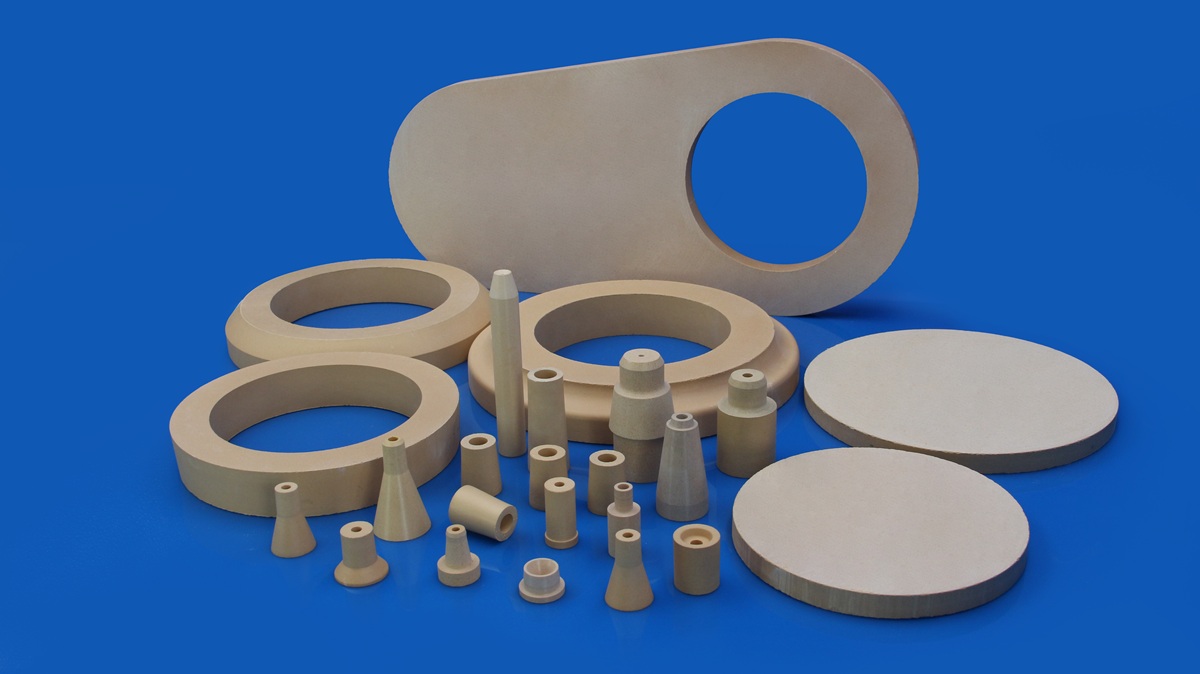
Magnesium Stabilized Zirconia Ceramic – For Ultra-High Temperature

Introduction

Magnesia Stabilized Zirconia (MSZ) is a great refractory and insulating material due to high oxygen ion conductivity, high strength and toughness, and good thermal shock resistance. It has a clean melt at temperatures above 1900°C and above and is specially manufactured for melting superalloys and precious metals. Its superior thermal shock resistance to temperatures reaching up to 2200°C.
Magnesium Stabilized Zirconia Ceramic

Prime Features:

  • High thermal shock resistance
  • High wear-resistant and erosion-resistant
  • Metal corrosion resistance in high temperature
  • Excellent non-wetting characteristics
  • High strength
  • Long service life
  • The stabilizers and grains combination can be designed according to customer’s using environment.

Application temperature: 0°C-2200℃
Applicable environment: Air, Vacuum, or Atmosphere Protection Environment

Application Field:

High temperature melt flow control
-Sizing nozzle, Ladle skateboard panel, Converter slag blocking slide plate and ring, etc
Specialty glass manufacturing
-Large size high content of zirconia and alumina ceramics, etc
Metal powder industry
-Setter plate, Gas atomizing nozzle, etc
Precious metal smelting industry
-Ceramic Crucibles, etc
Artificial/Laser Crystal Ceramic Temperature Field
-Rare earth composite oxide solid solution ceramic temperature field, etc

Technical Indicators:

Indicators Item Units MSZ-H MSZ-L Custom
Main
Composition
ZrO2 % ≥95 ≥95 60-95
Al2O3 % ≤0.2 ≤0.2 0.2-20
SiO2 % ≤0.4 ≤0.4 0.2-1
MgO % ≤2.9 ≤2.9 MgO/Y2O3
Fe2O3 % ≤0.1 ≤0.1 0.1-0.3
TiO2 % ≤0.1 ≤0.1 0.1-1.0
Physical Color Yellow Yellow Yellow/White
Density g/cm3 ≤5.2 5.4-5.60 4.6-5.6
Porosity % ≤18.5 ≤8 1-18.5
The stabilizers, grains combination and porosity can be designed according to customer’s using environment.

Why Metal And Ceramic CO2 Laser Tubes Are The Most Chosen For High-Performance CO2 Lasers

The laser tubes usually used in CO2 laser machines are categorized into DC glass、RF metal tubes and ceramic tubes.But Metal-sealed lasers are the most proven technology on the market for high-performance CO2 lasers.

Sealing Parts For Metal Laser Tubes
Metal laser tubes are sealed metal chambers made of metal and ceramic, metal is typically stainless steel or other durable alloys and ceramics are usually alumina, they are brazed to form a feedthrough of up to 1.0 x 10 -10 atm-cc/sec. The tube is filled with a specific mixture of gasses in the ratio of 1:1:8, typically:–Carbon Dioxide (CO2): Nitrogen (N2): Helium (He). The metal and ceramic laser tubes use a technique called “radio frequency” to stimulate the gasses to produce the beam. Using RF has advantages over DC voltage, including lower energy consumption, better control of the engraving process, and longer life, resulting in a higher-quality laser beam output over a longer period of time. Metal and ceramic laser sources can be air-cooled or water-cooled, depending on the wattage of the laser. Most wattages from 30-120 watts are air cooled.
In conclusion, metal laser tubes are crucial components of industrial laser cutting systems. They provide the power and control required to generate laser beams for metal cutting, marking, and welding applications. In CO2 laser technology, these tubes allow for precise and efficient processing of various metal materials.

RF tube advantages:

1. Engraving quality and speed – RF tubes produce a laser beam that produces a smaller dot size which allows for more detailed engraving. Since RF tubes can pulse the beam at a higher rate the engraving speed is also higher on RF tube-equipped machines.
2. Longevity–all tubes degrade over time, but RF tubes degrade at a slower rate. It is not uncommon for RF tubes to last up to 4-5 times longer than DC tubes. RF tubes are also refillable.
3. Less maintenance
Innovacera manufactures a wide range of metal and ceramic laser tubes for Co2 machine, please feel free to contact me and we would like to discuss laser tubes with you.


Aluminum Nitride Applications & Features Is Outstanding And Demand Is Growing

Aluminum nitride is a covalently bonded compound with a hexagonal brazingite structure. Aluminum nitride has a series of excellent features as below:

  • Excellent thermal conductivity,
  • Reliable electrical insulation,
  • Low dielectric constant,
  • Dielectric loss,
  • Non-toxic,
  • Has a thermal expansion coefficient that matches silicon.

Aluminum Nitride Ceramic Parts

Aluminum nitride has become a material of great concern in the electronics field due to its excellent thermal conductivity and thermal expansion coefficient matching that of silicon.
ALN material is not only an ideal material for new generation heat dissipation substrates and electronic device packaging, but also can be used in heat exchangers, piezoelectric ceramics and films, thermal conductive fillers, etc., with broad application prospects.
The crystal structure of AlN determines its excellent thermal conductivity and insulation properties. According to the study “Research on Tape Casting and Sintered Body Properties of Aluminum Nitride Ceramics“, due to the small atomic weight of the two elements that make up the AlN molecule, the crystal structure is relatively simple and has good harmonicity, and the formed Al-N bond The bond length is short, the bond energy is large, and the resonance of the covalent bond is conducive to the phonon heat transfer mechanism, making the AlN material superior to general non-metallic materials in thermal conductivity. In addition, AlN has a high melting point, high hardness and high thermal conductivity , and better dielectric properties.
According to the research “New Progress in Research on Factors Affecting Thermal Conductivity and Bending Strength of AlN Ceramics”, AlN has received widespread attention due to its high matching of thermal expansion coefficient with Si, while traditional substrate materials such as Al2O3 have been widely used due to their thermal conductivity. The rate is low, its value is about 1/5 of AlN ceramics, and the linear expansion coefficient does not match that of Si, which can no longer meet actual needs. The thermal conductivities of BeO and SiC ceramic substrates are also relatively high, but SiC has poor insulation. As a new type of highly thermally conductive ceramic material, AlN is expected to become an excellent material to replace Al2O3, SiC and BeO as ceramic substrates in the electronics industry.

Properties Units ALN AL2O3 BEO SIC
Density g/cm3 3.26 3.6 2.85 3.12
Bending Strength  MPa 300-500 300-400 170-250 350-450
Specific Heat J / (g·K) 0.75 0.75 1.046
Thermal Conductivity(20 ℃) W / (m·K) 170-220 20-35 220-270 50-270
Resistivity (20 ℃) Ω·cm 8.8 9.3 6.7 40
Mohs Hardness Gpa 9 9 9 9.2-9.5

The Semiconductor and new energy markets stimulate AlN demand growth very much.
Aluminum nitride ceramics have been widely used in many civilian and military fields due to their excellent properties in many aspects. The advent of the 5G era, the era of new energy vehicles and the era of artificial intelligence has created more demand for aluminum nitride ceramics in many applications. Such as heat dissipation substrate and electronic device packaging.
The global ceramic substrate market is booming, and the market size is growing steadily. AlN ceramic materials can be used as copper-clad substrate materials, electronic packaging materials, ultra-high temperature device packaging materials, high-power device platform materials, high-frequency device materials, sensor film materials, optical electronic device materials, coatings and functional enhancement materials, etc. According to the Maxmize Market Research report, the global ceramic substrate market size is expected to reach US$10.96 billion in 2029, with an average annual growth rate of approximately 6.57%.


What Are The Types Of CO2 Laser Tubes

The laser tubes usually used in CO2 laser machines are categorized into DC glass、RF metal tubes and ceramic tubes. Let’s delve deeper into some key aspects of these three common core types so you can choose the best one for your machines.

1. Glass Laser Tubes

Glass Laser Tubes

Glass laser tubes are cylindrical tubes made of glass that are used as a medium for generating laser beams. It can come in various sizes and shapes, depending on the specific application and power requirements. Glass is a poor thermal conductor, which means circulating water is needed to assist in the removal of heat. So nearly all glass tubes need to be water-cooled, without a water-cooling system, a glass laser tube would overheat and become inoperable.
Glass CO2 laser tubes rely on direct current, DC, to excite the carbon dioxide gas. Machines with DC tubes are mostly used for nonmetal materials, such as acrylic, wood, leather, plastic, paper, or bamboo.

2. Metal Laser Tubes

Sealing Parts For Metal Laser Tubes

Metal laser tubes are sealed metal chambers made of metal and ceramic, which contain the laser gas mixture. They are air-cooled and their gas is excited by radio frequency alternating current (RF). Properly regulating temperature only requires fans, which are built directly into laser machines.
Metal is typically stainless steel or other durable alloys and ceramics is usually alumina, they are brazed to form a feedthrough of up to 1.0 x 10 -10 atm-cc/sec. In conclusion, metal laser tubes are crucial components of industrial laser cutting systems. They provide the power and control required to generate laser beams for metal cutting, marking, and welding applications. Whether using CO2 or fiber laser technology, these tubes allow for precise and efficient processing of various metal materials.

3. Ceramic Core Tubes

Ceramic Core Tubes

Ceramic core is manufactured by fusing two halves of the ceramic core together at 800°C. CO2 lasers have evolved from glass-tube, high-voltage designs to metal-tube RF electrode technology. But recently it’s common for CO2 Laser manufacturers to use pure ceramic core inside their laser tubes.

Advantages and Disadvantages of Different Laser Tubes:

Glass Laser Tubes Metal Laser Tubes Ceramic core tubes
Advantage lower cost 1. Engraving quality
and speed higher.
2. Maintenance cost lower.
3. Longevity and it is 4-5 times longer than glass tubes.
The gas will not
pollute and leak.
Disdvantage Tubes require frequent
replacement and have a
short longevity.
Higher cost 1.Higher cost
2.Difficult maintenance
3. In comparison with a metal-sealed laser, another disadvantage of ceramic core lasers is their lower relative heat conductivity.

Aluminum Nitride Ceramic Part Typical Applications

Compared with other ceramic materials, AlN has a thermal expansion coefficient that matches silicon and excellent thermal conductivity, which makes it more suitable for use in the electronics industry. Aluminium Nitride Ceramic Material Properties is as bleolw.

Properties Unit Value
Color  Dark Gray
Main Content % 96% ALN
Bulk Density g/cm3 3.335
Water Absorption % 0
Flexural Strength MPa 382.7
Dielectric Constant MHz 8.56
Coefficient Linear Thermal Expansion /℃,5℃/min, 20~300℃ 2.805×10⁻⁶
Thermal Conductivity 30 Degree Celsius ≥170
Chemical Durability mg/cm2 0.97
Thermal Shocking Resistance No cracks
Volume Resistivity 20 Degree Celsius (Ω·cm) 1.4×10¹⁴
Dielectric Strength KV/mm 18.45
Surface Roughness Ra μm 0.3-0.5
Camber Length ‰ ≤2

Aluminum nitride can also be used in heat exchangers, crucibles, protective tubes, casting molds, piezoelectric ceramics and films, thermally conductive fillers, etc. Below is some application of Aluminum nitride ceramic components.
Aluminum Nitride Ceramic Part

1. Heat dissipation substrate and electronic device packaging

Heat dissipation substrates and electronic device packaging are the main applications of AlN ceramics. Aluminum nitride ceramics have excellent thermal conductivity, thermal expansion coefficient close to silicon, high mechanical strength, good chemical stability, and are environmentally friendly and non-toxic. It is considered an ideal material for a new generation of heat dissipation substrates and electronic device packaging, and is very suitable for hybrid power switches. It is a material for packaging and microwave vacuum tube packaging shells, and is also an ideal material for large-scale integrated circuit substrates.

2. Structural ceramics

Electrostatic chucks for wafer processing are a common structural ceramic application. Aluminum nitride structural ceramics have good mechanical properties, high hardness, better toughness than Al2O3 ceramics, and are resistant to high temperatures and corrosion. Taking advantage of the heat resistance and corrosion resistance of AIN ceramics, it can be used to make high-temperature corrosion-resistant parts such as crucibles, Al evaporation dishes, and semiconductor electrostatic chucks.

3. Functional materials

Aluminum nitride can be used to manufacture high-frequency and high-power devices that can be used at high temperatures or in scenarios where certain radiation exists, such as high-power electronic devices, high-density solid-state memories, etc. As one of the third-generation semiconductor materials, aluminum nitride has excellent properties such as wide bandgap, high thermal conductivity, high resistivity, good ultraviolet transmittance, and high breakdown field strength. AlN has a bandgap width of 6.2 eV and strong polarization. It is used in machinery, microelectronics, optics, surface acoustic wave device (SAW) manufacturing, high-frequency broadband communications and other fields, such as aluminum nitride piezoelectric ceramics and Film, etc. In addition, high-purity AlN ceramics are transparent and have excellent optical properties. Combined with their electrical properties, they can be used to make functional devices such as infrared deflectors and sensors.

4. Inert heat-resistant materials

As a heat-resistant material, AlN can be used as crucibles, protective tubes, pouring molds, etc. Aluminum nitride can still have stable performance in a non-oxidizing atmosphere at 2000°C. It is an excellent high-temperature refractory material and has strong resistance to molten metal erosion.

5. Heat exchange components

Aluminum nitride ceramics have high thermal conductivity, low thermal expansion coefficient, excellent thermal conductivity efficiency and thermal shock resistance. They can be used as ideal heat shock resistance and heat exchange materials. For example, aluminum nitride ceramics can be used as heat exchanger materials for marine gas turbines and Heat-resistant components of internal combustion engines. Due to the excellent thermal conductivity of aluminum nitride material, the heat transfer capacity of the heat exchanger is effectively improved..


Exploring the Thermal Management Capabilities of Ceramic Circuit Substrates

With the continuous development and advancement of electronic devices, high power density and high temperature have become one of the important challenges faced by modern electronic systems. Thermal management is a key factor in maintaining the reliability and performance stability of electronic devices. In this regard, this article will explore the thermal management capabilities of ceramic circuit substrates, introduce their applications in high-temperature environments, and discuss related technological advances and solutions.
Advance Electronic DBC DPC Metallized Alumina Ceramic Substrate

Thermal conductivity of ceramic circuit substrates:

Ceramic materials have good thermal conductivity. In comparison, traditional organic substrate materials have low thermal conductivity. Common ceramic circuit substrate materials, such as aluminum nitride (AlN) and silicon nitride (Si3N4), have high thermal conductivity, respectively 170-200 W/(m·K) and 80-140 W/(m·K ). This allows the ceramic circuit board to dissipate heat more effectively, improving thermal management capabilities. (INNOVACERA provides a variety of high-quality ceramic substrate materials).
Aluminum Nitride Ceramic Substrate

Thermal transfer and thermal design:

In high power density applications, thermal transfer and thermal design are critical. The thermal conductivity properties of ceramic circuit substrates provide designers with greater flexibility and possibilities. Through reasonable heat dissipation design, such as adding heat sinks or thermal vias, the thermal management capabilities of ceramic circuit substrates can be effectively improved, heat can be quickly transferred to the surrounding environment, and the temperature of electronic components can be reduced.
DPC Ceramic Substrate

Application in high-temperature environments:

Ceramic circuit substrates have excellent performance in high-temperature environments. Its high melting point and excellent thermal stability enable it to withstand high-temperature operations and maintain a low coefficient of thermal expansion. This makes ceramic circuit substrates ideal for many applications in high temperature environments, such as aerospace, energy, automotive electronics and power electronics. In these applications, ceramic circuit boards provide stable operation and provide excellent thermal management capabilities to ensure system reliability and performance.

Silicon Nitride Active Metal Brazing AMB Ceramic Substrate
Technology progress and solutions:

In order to further improve the thermal management capabilities of ceramic circuit substrates, researchers continue to explore new technologies and solutions. Here are some common technology advances:
A. Heat transfer enhancement materials: By adding heat transfer enhancement materials, such as metal probes or nanopins, the thermal conductivity of the ceramic circuit substrate can be improved, thereby enhancing its thermal management capabilities.
B. Thermal interface materials: The selection and application of thermal interface materials is very important for optimizing thermal management. High thermal conductivity thermal interface materials can improve heat transfer efficiency, reduce thermal resistance, and enhance thermal management capabilities.
C. Simulation and simulation tools: The use of thermal simulation and simulation tools, such as finite element analysis (FEA) and computational fluid dynamics (CFD), can help designers evaluate and optimize the thermal management performance of ceramic circuit substrates and provide accurate thermal design solution.
Conclusion: Ceramic circuit substrates show great potential in thermal management due to their excellent thermal conductivity and thermal stability. Through reasonable heat dissipation design and the application of thermal conductivity enhancement materials, the effective heat dissipation and heat dissipation capacity of ceramic circuit substrates can maintain the reliability and performance stability of electronic equipment. In high-temperature environments, the excellent performance of ceramic circuit substrates has become an ideal choice for many application fields. With the continuous advancement of technology and in-depth research, the thermal management capabilities of ceramic circuit substrates will be further improved, providing more reliable solutions for future high-performance density electronic systems. If you need ceramic substrates, ceramic heat sinks, etc. please feel free to contact us. INNOVACERA not only have a variety of ceramic materials, but also are good at various processing techniques, such as DBC, DPC, AMB.


Ceramic Substrates For Power Modules

Ceramic substrates are materials with unique thermal, mechanical, and electrical properties that make them ideal for demanding power electronics applications, typically used in Power Modules.
The most recent applications of power modules are for electric vehicles (EVs) and hybrid electric vehicles (HEVs), call for higher voltage and power from smaller circuits, requiring circuit materials capable of providing high voltage isolation with the efficient dissipation of heat from densely packed semiconductor devices such as IGBTs and MOSFETs. DBC and AMB Ceramic Substrates for Power Modules are connection components in which copper plates are bonded to each surfaces of a ceramic plate. These ceramic substrates are with a high thermal conductivity and a excellent electric conductivity of copper and a high insulation property. The high electrical conductivity of copper supports high current; the excellent dielectric properties of the ceramic substrates enable the high isolation needed for densely packed circuits in power modules. The CTE of ceramic substrates aligns more closely with that of the metal traces on the substrate and the components soldered to the substrate. That helps minimize stresses that can lead to component and solder joint fractures.
Ceramic substrates are implying copper layers on the ceramic plates, then etching with circuit pattern. The ceramic materials include Alumina, Aluminum Nitride, and Silicon Nitride. Copper is bonded to ceramic with different methods, including direct bond copper (DBC), direct plating copper (DPC) or active metal brazing (AMB) processes.

Materials comparison:

Advance Electronic DBC DPC Metallized Alumina Ceramic Substrate
1. Aluminum Oxide Substrates
The most cost-effective material and good performance
Lower thermal conductivity

Aluminum Nitride Active Metal Brazed (AMB) Ceramic Substrate Structural Parts
2. Aluminum Nitride Substrates
High thermal conductivity 170W/mK
CTE (Coefficient for Thermal Expansion) very close to silicon
High flexural strength

Silicon Nitride Active Metal Brazing (AMB) Ceramic Substrate
3. Silicon Nitride Substrates
Good flexural strength
Excellent fracture toughness
Good thermal conductivity


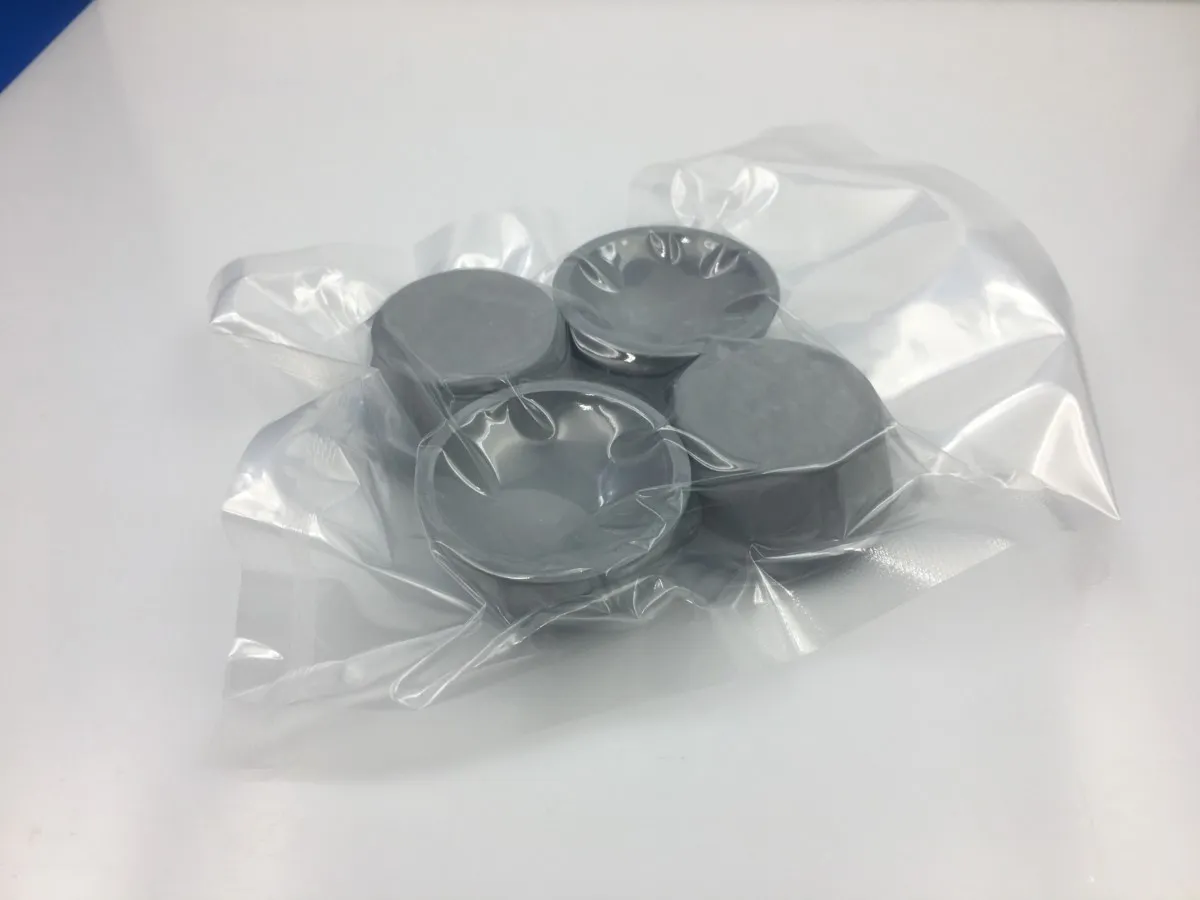
Hot-pressed Aluminum Nitride Cover Plate Heater

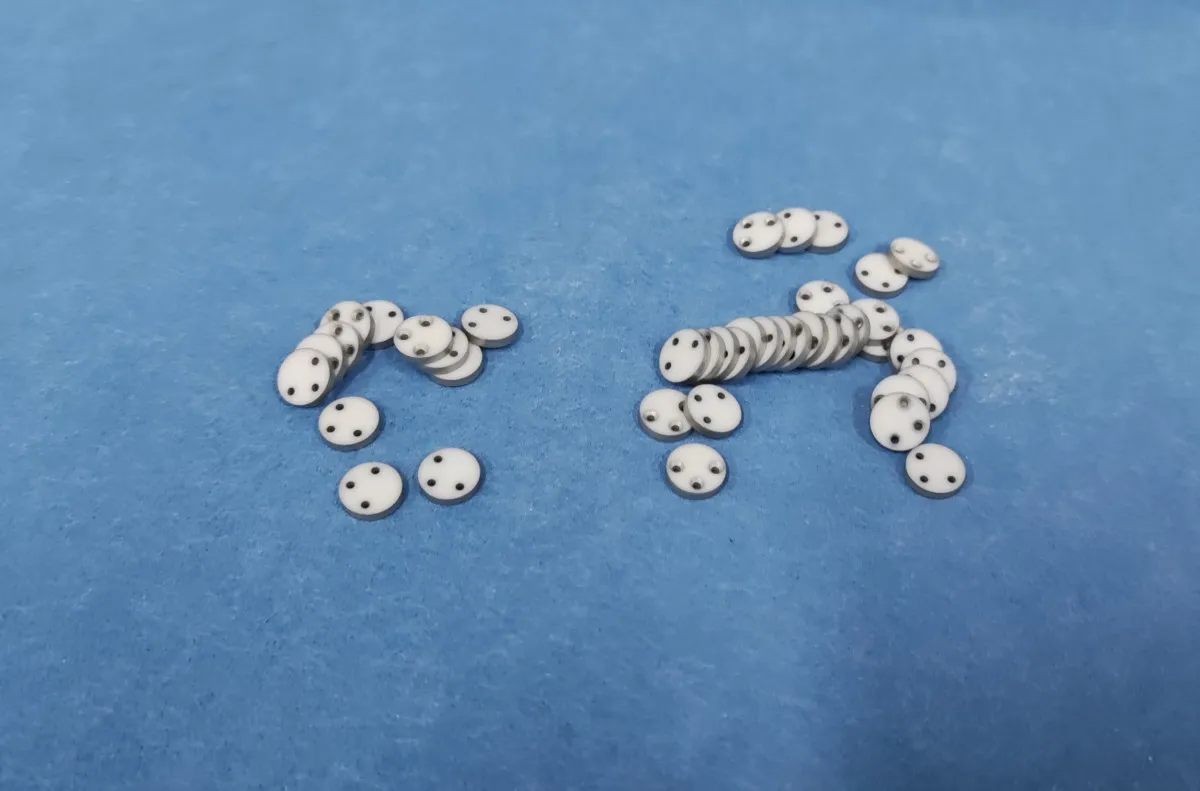
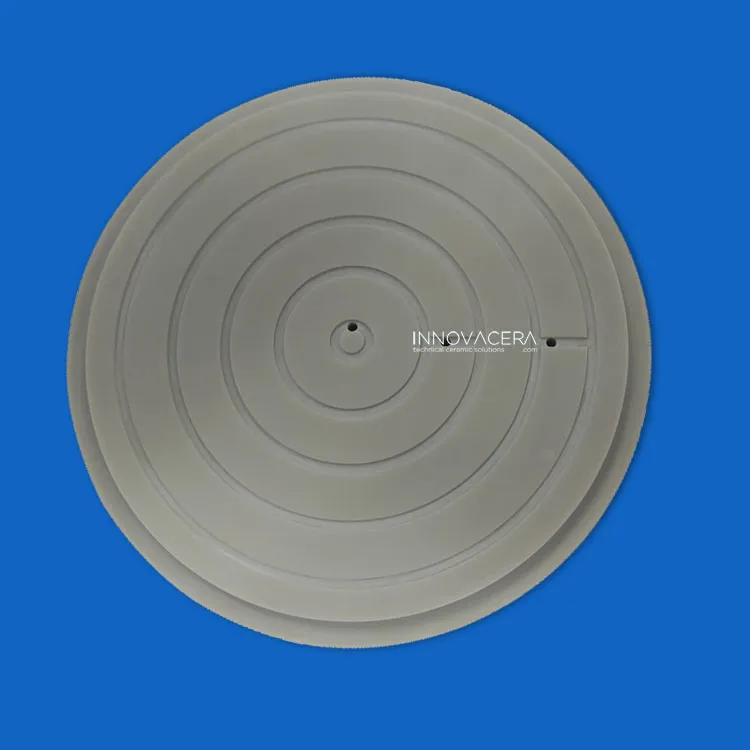
Glad to share with you our new arrival products-Hot-pressed Aluminum Nitride Cover Plate Heater with thinnest thickness 0.75mm. It can be said that it is the first time in China that a highly difficult hot-pressed aluminum nitride disc has been produced. It is difficult to make due to below reasons:

Hot Pressed ALN Plate For High-Power Detectors

1.The material is very difficult to machine due to the high hardness and brittle, so it is very easily to have chips or scratches when handling or machining which lead to very high rejection rate. Anyway it’s a successful start, and we believe we could make better and better.

2.Hot pressed aluminum nitride ceramics are sintered by vacuum hot pressing, the sintering process is more difficult than pressureless sintering. The aluminum nitride purity is up to 99.5%(without any sintering additives), and density after hot pressing reaches 3.3g/cm3, it also has excellent thermal conductivity and high electrical insulation. The thermal conductivity can be from 90 W/(m·k) to 210 W/(m·k).

3.The thinnest thickness is about 0.75mm which also make it more difficult to machine.

Hot Pressed ALN Plate For MRI Equipment

The application of the hot pressed aluminum nitride cover plate heater:
Cover plate heater for semiconductor

Other Application:
– Cover plates and MRI equipment(Magnetic Resonance Imaging)
– High-power detectors, plasma generators, military radios
– Electrostatic chucks and heating plates for semiconductors and integrated circuits
– Infrared and microwave window material

Features:

High thermal conductivity
Expansion coefficient can match with semiconductor silicon chips
High insulation resistance and voltage withstand strength
Low dielectric constant and low dielectric loss
High mechanical strength

Typical Specification:

Purity: >99%
Density: >3.3 g/cm3
Compress Strength: >3,350MPa
Bending Strength: 380MPa
Thermal Conductivity: >90W/(m·K)
Coefficient of Thermal Expansion: 5.0 x 10⁻⁶/K
Max. Temp: 1,800°C
Volume Resistivity: 7×10¹² Ω·cm
Dielectric Strength: 15 kV/mm

Porous Ceramic Application: Vacuum Chuck

Introduction: Porous ceramics are ceramic materials with fine pore structure. They are widely used in various fields due to their high porosity, high air permeability, high thermal stability and high mechanical strength. Among them, vacuum suction cups are an important application direction of porous ceramics. This article will introduce in detail the application of hole-like ceramics in vacuum suction cups, including materials, manufacturing processes, application fields, and development trends.
Vacuum Suction Cups
Porous ceramic materials include alumina and silicon carbide, which have excellent physical and chemical properties and can maintain stable performance in harsh environments such as high temperature, high pressure, and corrosion.
Vacuum Suction Pads

Porous ceramic materials have the following performance characteristics:

1. High specific surface area: porous ceramic materials have a high specific surface area, which is beneficial to adsorbing gas molecules and improving the adsorption performance of the vacuum suction cup.
2. High temperature resistance: porous ceramic materials have a high melting point and can maintain stable performance in high temperature environments.
3. Corrosion resistance: porous ceramic materials have good chemical stability and can resist erosion by various corrosive media.
4. Wear resistance: porous ceramic materials have higher hardness and better wear resistance.

Manufacturing process:

The manufacturing process of porous ceramics mainly includes the steps of mixing, shaping, drying, sintering and processing.
Molding and sintering are key steps in manufacturing porous ceramics. During the molding process, ceramic powder needs to be made into green embryos with regular shapes and sizes. During the sintering process, the blank is sintered at high temperature to form a ceramic product with a porous structure.

Application areas of porous ceramic vacuum chucks

Porous ceramic vacuum chuck are widely used in many fields due to their excellent performance, including:
1. Industrial automation: porous ceramic vacuum suction cups can replace traditional mechanical clamps in automated production lines to achieve fast and accurate material handling, such as automobile manufacturing, food processing, electronic manufacturing, etc.
2. Medical equipment: porous ceramic vacuum suction cups can be used to grab and fix surgical instruments to improve the accuracy and safety of surgical operations. and hemodialysis, etc.
3. Aerospace: porous ceramic vacuum suction cups can be used for surface cleaning and maintenance of spacecrafts, sample grabbing in space experiments, and logistics transmission of space stations, etc.

Future development of porous ceramic vacuum chucks

As the application of porous ceramic vacuum suction cups continues to expand in various fields, the future development prospects are very broad.
Regarding the future development of porous ceramic vacuum suction cups, we can discuss it from the following aspects:
1. Material optimization: further study the preparation method of new porous ceramic materials and improve the performance of the materials to meet the application needs in different fields.
2. Application expansion: Explore the application of porous ceramic vacuum suction cups in more fields, such as robotics, marine engineering, etc.
3. Intelligentization: Combined with artificial intelligence technology, it realizes intelligent control and optimization of porous ceramic vacuum suction cups and improves its work efficiency.

Categories of vacuum Chuck:

1. Thinning Chucks
2. dicing suction Chucks
3. cleaning suction Chucks
4. printing suction Chucks
5. carrying suction cups/Transportation chuck

Application machine model of vacuum chuck

1. DFG8540
2. 7AF-II
3. DAS321/DAD341
4. DAD3350
5. ADT7100
6. A-WD-100A

Structure of vacuum suction chucks

Structure of vacuum suction chucks


Enquiry