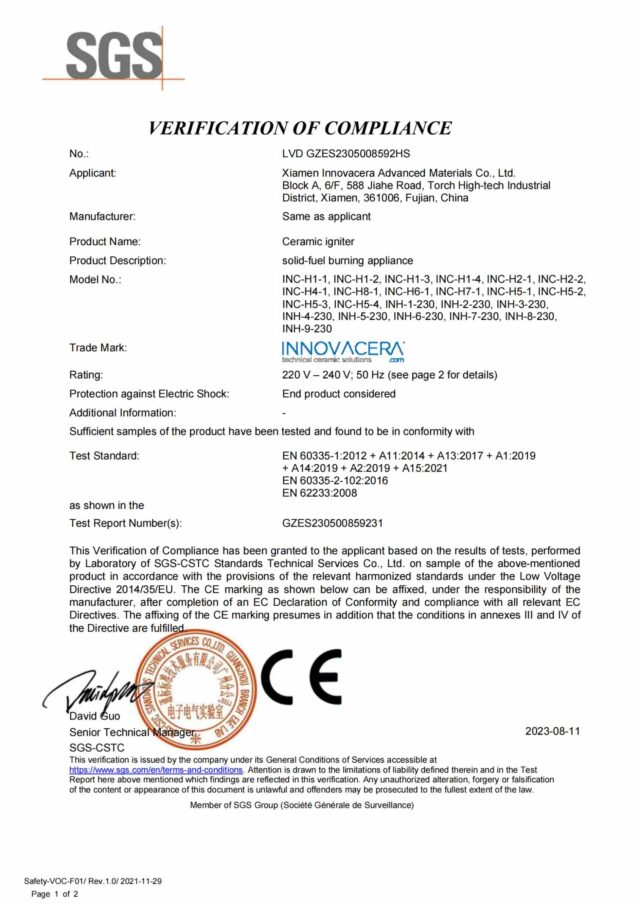
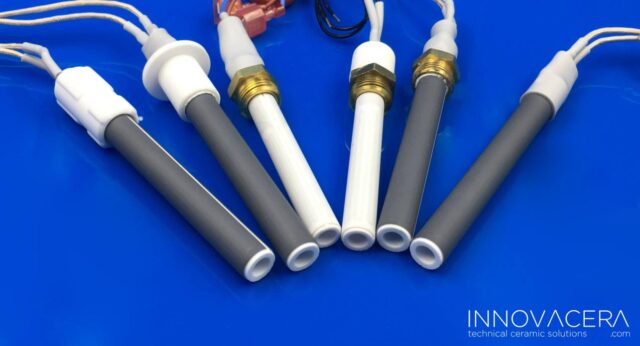
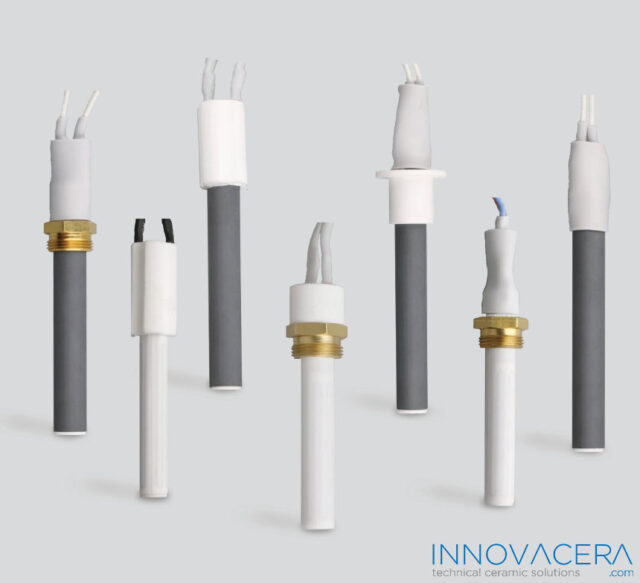
In heating equipment such as pellet stoves and gas stoves, the stability of the ignition system plays a key role in overall system performance and user experience. As one of the core components of the combustion system, the ceramic igniter must reach the ignition temperature in a short time and maintain stable performance during repeated heating and cooling cycles.
In practical applications, equipment manufacturers consider not only price but also the long-term stability of the igniter. Over the past decade, we have gained extensive practical experience in ceramic igniters. One particular customer case stands out among them.
A Long-Term Pellet Stove Customer: Over Five Years of Cooperation
Until recently, a client we had been working with for several years called us. The opposite party is a producer of pellet furnace equipment, and our collaboration has been for over five years. Over the past few years, they have bought tens of thousands of alumina ceramic igniters each year for their export pellet furnaces.
During this communication, the client mentioned that there were now lower-priced suppliers of ignition devices in the market, and thus wanted to inquire if the price could be adjusted. Before discussing the price, we suggest that customers conduct sample tests first, as the igniter’s performance often becomes apparent only in a real device environment.
For pellet furnace equipment, the igniter must be capable of igniting the fuel and maintaining stable operation under frequent start-ups and stoppages. These devices may undergo thousands, or even more, ignition cycles in actual use, so material stability and manufacturing process are particularly important.
Why Ceramic Igniters Differ in Performance
Many people think that the working principle of an igniter is quite simple. However, the performance of a ceramic igniter is closely related to the materials and manufacturing process. Common materials for ignition devices on the market include alumina and silicon nitride ceramics. Among them, alumina ceramics possess excellent high-temperature resistance, electrical insulation properties, and high mechanical strength. Therefore, they are widely used in pellet furnaces and gas equipment.
However, during actual manufacturing, the performance of ceramic materials depends on more than just the material type. It is also affected by a number of factors, including powder formulation, sintering temperature, and overall production process. For instance, even a slight fluctuation in the sintering temperature can affect the density and thermal shock resistance of the ceramics, which in turn directly impacts the service life of the igniter.
Therefore, in the production process of ceramic igniters, we usually strictly control the raw material inspection, sintering curve and product testing to ensure that the products can operate stably for a long time.
Test Results Highlight Key Findings
In subsequent communication, the client conducted tests on ignition devices from different suppliers, including continuous ignition experiments on the pellet furnace equipment.
After a period of testing, the customer feedback indicated that there were indeed differences in the performance of different products during long-term use. For instance, in situations where the equipment is frequently started and stopped, and the ignition system is repeatedly activated, after a certain period of use, some ignition devices will experience problems such as unstable power supply and reduced performance. While the stable-quality ceramic igniters can maintain a consistent ignition effect for a longer period of time.
For equipment manufacturers, this long-term stability is actually more crucial than whether a single ignition is successful. The reliability of the igniter directly determines the operational stability of the entire equipment.
Advantages of Ceramic Igniters in Combustion Equipment
With advances in heating equipment technology, an increasing number of manufacturers are using ceramic igniters as the key component of the ignition system. The main reason for this is the stable performance of ceramic materials in high-temperature environments.
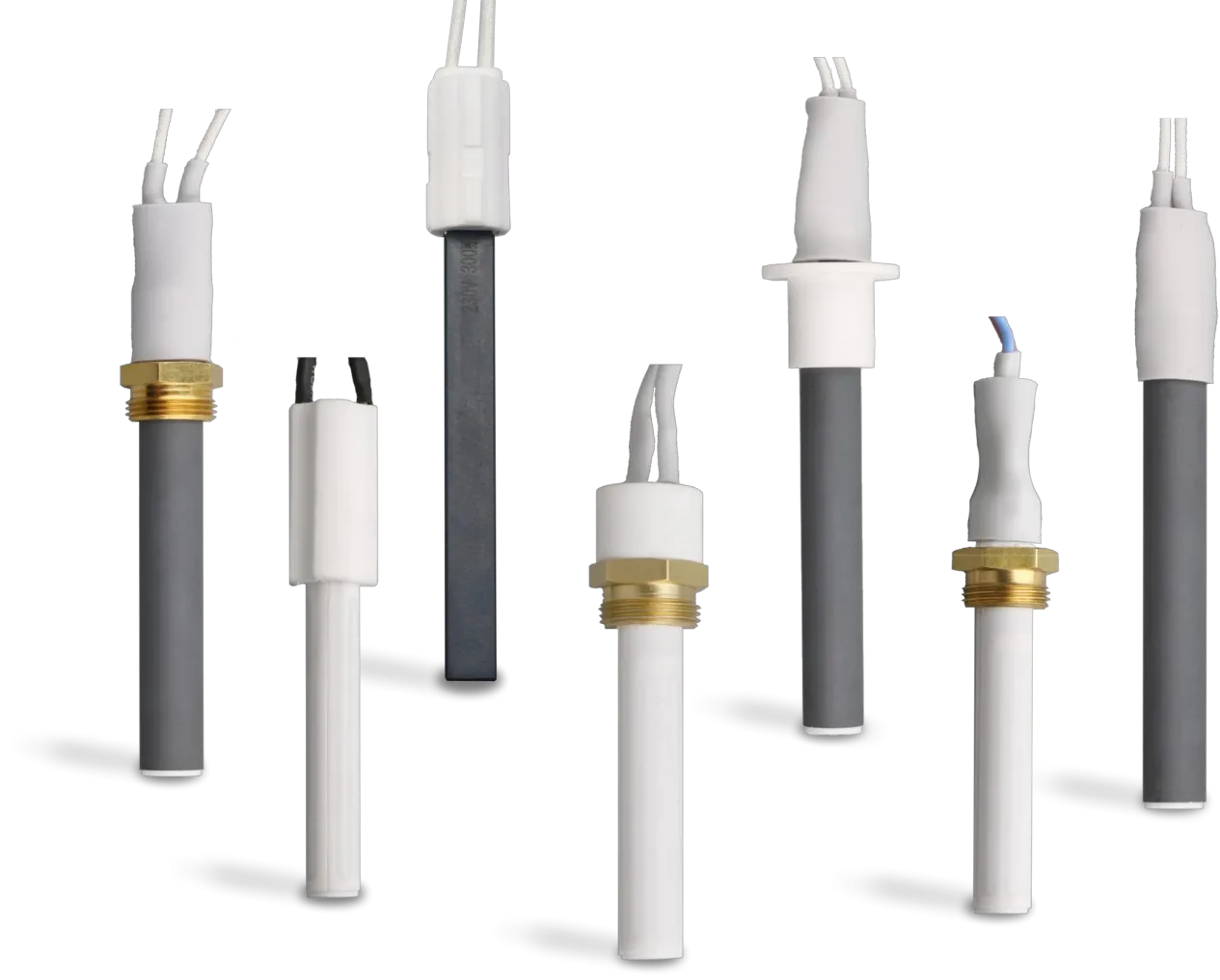
In practical applications, ceramic igniters usually have the following characteristics:
-
- Fast heating performance: It quickly reaches the fuel’s ignition temperature, thereby enhancing the equipment’s startup efficiency.
- Excellent high-temperature resistance: Ceramic materials can maintain a stable structure even in high-temperature environments.
- Excellent thermal shock resistance: Capable of withstanding frequent heating and cooling cycles.
- Suitable for long-term operation: Stable material properties enhance the overall reliability of the equipment.
Therefore, in equipment such as pellet furnaces, gas furnaces, and industrial burners, ceramic igniters have become a mature and reliable solution.
Regarding Innovacera
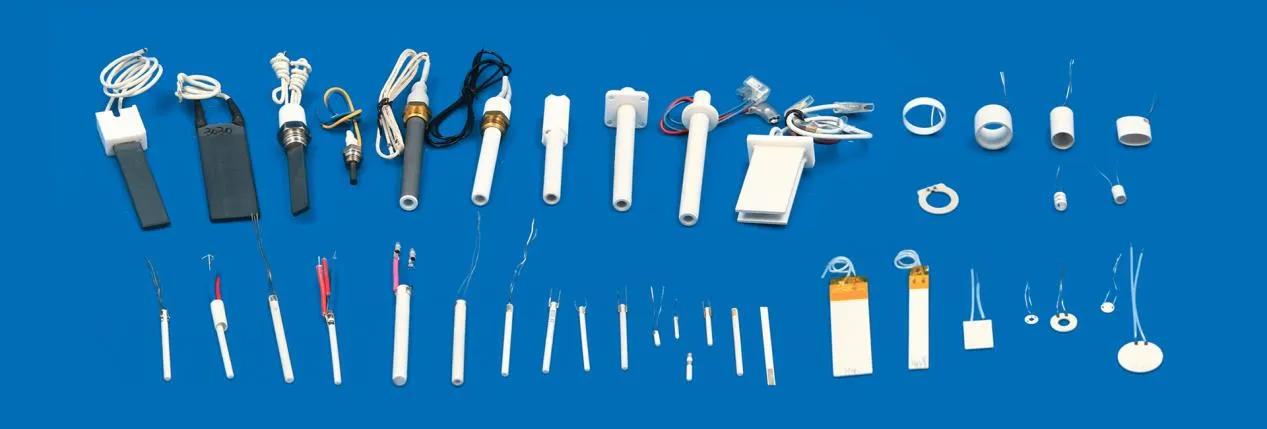
Innovacera focuses on the research, development, and manufacturing of advanced ceramic materials and ceramic heating elements, offering a variety of product solutions, including alumina ceramic igniters and silicon nitride ceramic igniters. These solutions are widely used in pellet furnaces, gas equipment, and industrial heating systems.
If you are looking for stable, reliable ceramic igniters, please get in touch with sales@innovacera.com for more information.