technical ceramic solutions

News

Category Archives: News

Innovation Drives The Thermal Energy Revolution: Silicon Nitride Hot Surface Igniters Lead The Way In Efficient Ignition Technology

In industrial thermal energy applications and household gas appliances, the ignition system is a core starting component whose performance directly determines the equipment’s starting efficiency, safety, and service life. Thanks to their superior high-temperature and corrosion resistance, silicon nitride hot surface igniters are gradually replacing traditional ignition components and becoming the preferred solution for high-end ignition scenarios.


As a company dedicated to the research, development, and production of silicon nitride hot surface igniters, we are deeply aware of the importance of this technology to industrial upgrades. This article analyzes the technical principles, application scenarios, core advantages, and comparative benefits in the boiler field to help industry partners gain a deeper understanding of this innovative product.


Silicon nitride hot surface igniter


1. What is a Silicon Nitride Hot Surface Igniter


A silicon nitride hot surface igniter is a new type of ignition device that utilizes silicon nitride ceramic (Si₃N₄) as the core structural and heating matrix, combined with high-temperature resistant heating elements (such as tungsten or molybdenum wire).


Its core working principle is hot surface ignition—when electricity is applied, the internal heating element rapidly heats up, transferring heat to the surface of the silicon nitride ceramic. When the ceramic surface temperature reaches the ignition temperature of the fuel (typically between 300 and 800 °C, depending on the fuel type), it can instantly ignite the gas upon contact, eliminating the need for high-voltage spark ignition.


Structural Composition


The silicon nitride hot surface igniter mainly consists of three components:


Silicon nitride ceramic substrate:

Acts as the core carrier, offering high strength, excellent thermal shock resistance, high insulation, and long-term high-temperature performance above 1300 °C, preventing cracking or leakage hazards.


High-temperature resistant heating element:

Embedded within the ceramic matrix and made of high-melting-point metals or alloys, it rapidly reaches the required ignition temperature without melting during prolonged use.


Electrodes and leads:

Conduct current and maintain a stable connection with the heating element. The outer layer is typically wrapped in high-temperature resistant insulation to ensure circuit safety.


Compared with traditional spark ignition, the silicon nitride hot surface igniter provides more stable and reliable ignition unaffected by humidity, oil contamination, or environmental interference.


Silicon nitride hot surface igniter gas boilers


2. Application Scenarios


With the key characteristics of high-temperature resistance, corrosion resistance, and stable ignition, silicon nitride hot surface igniters have become the “starting core” of modern thermal energy equipment across industrial, household, and commercial sectors.


2.1 Industrial Thermal Energy Equipment


Industrial boilers and furnaces:

Including gas boilers, oil boilers, hot air furnaces, and ceramic kilns, which require stable ignition in high-temperature, high-dust, and corrosive environments. The corrosion resistance of silicon nitride ceramics ensures long-term, reliable operation.


Industrial burners:

Used in metallurgical heating furnaces and chemical reactors, where frequent, rapid ignition is required. The “instant-on, instant-heating” capability of silicon nitride igniters significantly improves start-up efficiency.


2.2 Household Gas Equipment


Gas water heaters and wall-mounted boilers:

Traditional ignition electrodes are prone to scaling and gas impurities, leading to ignition failure. Silicon nitride igniters, with their smooth surface and anti-scaling properties, extend service life and reduce maintenance frequency.


Gas stoves and integrated stoves:

Operate under direct flame exposure. The high-temperature resistance of silicon nitride ceramics prevents deformation or damage from long-term heat. Moreover, ignition reliability is unaffected by oil dripping from cookware.


2.3 Commercial Thermal Energy Equipment


Commercial kitchen appliances:

Such as large gas frying pans, steamers, and ovens, which operate in high-temperature environments with frequent usage. Silicon nitride igniters adapt well to high-intensity workloads and minimize downtime for maintenance.


Commercial heating equipment:

Large gas heating boilers in hotels and shopping centers must ignite reliably in low-temperature environments. Silicon nitride igniters can operate reliably between -40 °C and 1300 °C, ensuring no ignition failures even in winter conditions.


3. Case Study: Industrial Boiler Upgrade


In one chemical plant, replacing traditional ignition electrodes with silicon nitride hot surface igniters led to the following improvements:


Start-up success rate increased from 85% to 100%.


Replacement frequency of ignition components extended from once every four months to once every two years.


Maintenance downtime reduced by approximately 12 hours per year.


Operation and maintenance costs reduced by more than 40%.


Additionally, the switch completely eliminated safety hazards associated with corrosion and leakage in traditional ignition electrodes.


Silicon nitride hot surface igniter gas boilers


4. Conclusion


From material innovation to technological implementation, silicon nitride hot surface igniters are redefining ignition system standards through superior performance, providing efficient, reliable, and safe ignition solutions for industrial boilers, household gas appliances, and commercial thermal energy equipment.


As a company dedicated to the R&D and production of silicon nitride hot surface igniters, we will continue to advance in material processing and product design, delivering high-quality products that help our partners reduce costs, increase efficiency, and achieve industrial upgrading and transformation, jointly promoting technological innovation in thermal energy applications.


For more information, please contact us at sales@innovacera.com.


The use of boron nitride ceramic and zirconia ceramic nozzles in different processes of powder metallurgy

In powder metallurgy (PM) processes, boron nitride and zirconia ceramic nozzles are used depending on the type of metal materials.


Zirconia ceramic nozzles


Main Features of Ceramic Nozzles


High-temperature resistance: withstands temperatures above 1500 °C from molten metals or plasma flames.


Wear resistance: resists erosion from powder or gas flow for long-term operation.


Chemical inertness: does not react with active metals or gases.


boron nitride ceramic nozzles


Applications at Different Stages of Powder Metallurgy

Stage Process Functions of Nozzles Ceramic Nozzles Typical Metals
Powder Preparation Gas Atomization High-pressure inert gas (such as nitrogen or argon) impinges on the molten metal stream to form fine powder; ceramic nozzles control flow and particle size. Boron Nitride and Zirconia High-purity or reactive metals such as titanium and nickel-based alloys.
Water Atomization Ceramic nozzles provide corrosion resistance and precise flow control. Zirconia Used in high-pressure water atomization for preparing low-cost powders such as iron-based powders.
Powder Spraying or Deposition Thermal Spraying During coating or preform preparation (e.g., plasma spraying or HVOF), ceramic nozzles spray metal powders onto substrates to form dense coatings. Boron Nitride and Zirconia Applicable to all metal powders.
Powder Transportation and Treatment Fluidized Bed or Pneumatic Transportation Ceramic nozzles are used to control gas flow, evenly disperse or convey powders, and prevent agglomeration or clogging. Boron Nitride and Zirconia Tungsten, molybdenum, iron, cobalt, nickel, aluminum, titanium, tantalum, and other active metal powders.
Treatment After Sintering Cooling or Atmosphere Control Ceramic nozzles spray inert gases (e.g., hydrogen, nitrogen) or cooling media to control furnace atmospheres and accelerate part cooling to prevent oxidation. Boron Nitride and Zirconia High-performance metal powders such as high-speed steel, titanium alloys, and amorphous/metallic glass powders.
3D Printing (e.g., Binder Jetting) Ceramic nozzles are used to accurately spray binders or metal slurries. Boron Nitride and Zirconia Powder metallurgy additive manufacturing applications.
Degreasing or Cleaning Ceramic nozzles are used to remove temporary binders or residual powder from compacts. Zirconia Titanium and its alloys, nickel-based superalloys, aluminum alloys, cobalt-chromium alloys, refractory metals (tungsten, tantalum, molybdenum), precious metals (gold, silver, platinum), and high-entropy alloys.


Table 1: Boron Nitride Ceramic Nozzle Properties

Properties Units BMA BSC BMZ BSN
Main Composition BN + Zr + Al BN + SiC BN + ZrO₂ BN + Si₃N₄
Color White Graphite Greyish-Green White Graphite Dark Gray
Density g/cm³ 2.25–2.35 2.4–2.5 2.8–2.9 2.2–2.3
Three-Point Bending Strength MPa 65 80 90 150
Compressive Strength MPa 145 175 220 380
Thermal Conductivity W/m·K 35 45 30 40
Thermal Expansion Coefficient (20–1000 °C) 10⁻⁶/K 2.0 2.8 3.5 2.8
Max Using Temperature (Atmosphere / Inactive Gas / High Vacuum) °C 900 / 1750 / 1750 900 / 1800 / 1800 900 / 1800 / 1800 900 / 1800 / 1800
Room Temperature Electric Resistivity Ω·cm >10¹³ >10¹² >10¹² >10¹³
Typical Applications Powder metallurgy, metal casting, high-temperature furnace components, crucibles, casting molds for precious and special alloys, high-temperature supports, and nozzles or transport tubes for molten metals.


Table 2: Zirconia Ceramic Nozzle Indicators

Indicators Item Units MSZ-H MSZ-L Custom
Main Composition ZrO₂ % ≥95 ≥95 60–95
Al₂O₃ % ≤0.2 ≤0.2 0.2–20
SiO₂ % ≤0.4 ≤0.4 0.2–1
MgO % ≤2.9 ≤2.9 MgO
Fe₂O₃ % ≤0.1 ≤0.1 0.1–0.3
TiO₂ % ≤0.1 ≤0.1 0.1–1.0
Physical Properties Color Yellow Yellow Yellow / White
Density g/cm³ ≤5.2 5.4–5.6 4.6–5.6
Porosity % ≤18.5 ≤8 1–18.5
The stabilizers, grain composition, and porosity can be customized according to specific operating environments.

Mullite:Key Advantages for Heater Components

Generally, mullite is used as a high-temperature material due to its exceptional heat resistance (withstanding temperatures over 1800 °C). It can handle rapid temperature changes without cracking and maintains high structural strength even under extreme conditions.


Main Applications


Advanced Refractories:
Used as inner lining materials for high-temperature industrial furnaces employed in the manufacture of metals, glass, and ceramics.


High-Temperature Parts:
An ideal material for furnace chambers, supports, radiant tubes, and other components requiring superior heat endurance.


Key Advantages for Heater Components


Outstanding High-Temperature Performance:
Maintains structural strength and form stability under extremely high temperatures, with outstanding resistance to deformation.


Enhanced Durability and Service Life:
Excellent thermal shock resistance significantly reduces the risk of cracking and extends the operational life of the components.


Optimized Energy Efficiency:
Promotes uniform heat distribution and efficient heat conduction, effectively reducing overall energy costs.


Superior Chemical Resilience:
Provides excellent resistance to corrosion, performing reliably in diverse furnace atmospheres.


Innova Mullite Plates


Innova specializes in the consistent production of high-quality mullite plates. We offer a range of standardized dimensions and also welcome enquiries for custom specifications based on your provided drawings.


Available Dimensions


Dimension (mm) Drawing Reference
Φ77.00 × Φ11.00 × 10.00 Mullite Plates Dimension Drawing1
Φ49.00 × Φ10.00 × 10.00 Mullite Plates Dimension Drawing2
Φ85.00 × Φ10.00 × 10.00 Mullite Plates Dimension Drawing3
Φ90.00 × Φ12.00 × 10.00 Mullite Plates Dimension Drawing4
Φ85.00 × Φ12.00 × 10.00 Mullite Plates Dimension Drawing5
Φ90.00 × Φ11.00 × 10.00 Mullite Plates Dimension Drawing6
Φ55.00 × Φ8.00 × 10.00 Mullite Plates Dimension Drawing7

High Zirconia Ceramic Refractory Parts for Glass Furnaces

Longer furnace life directly translates to lower glass manufacturing costs. Although fused-cast high-zirconia is considered one of the best materials for glass furnaces, its long delivery time and high price have hindered large-scale adoption. Furthermore, poor thermal shock resistance and industry-wide quality control issues have led to significant variations in performance and application outcomes.


MZ-A60 Flow nozzle brick


A new series of large-size, 5.0 g/cm³ density fused high-zirconia bricks (free from silicon and sodium impurities) effectively addresses common challenges in glass furnace refractory applications. These bricks can withstand long-term operating temperatures up to 2000 °C and provide remarkable performance in environments containing sodium, boron, lead, fluorine, and other glass components, as well as in areas requiring high electrical resistivity.


MZ-A60 Photovoltaic rolled lip brick


Under operating conditions above 1550 °C, their lifespan is more than three times that of conventional furnace materials. With strong resistance to molten glass corrosion and erosion, and excellent reheat capability, these materials help extend the service life of glass furnaces, reduce operating costs, and minimize carbon emissions.


MZ-A80 Rotating barrel


Innovacera has launched three types of high-zirconia bricks—MZ-A60, MZ-A80, and MZ-A90—each designed for specific applications and temperature environments in glass manufacturing.


MZ-A90 Long service life refractory brick-


Product Types

1. MZ-A60


Temperature Range: Below 1500 °C


Application Environment: Suitable for key parts with large dynamic and thermal gradient spans and high requirements for thermal stability.


Typical Applications: Photovoltaic rolled lip bricks, runner sagger bricks, flow nozzle bricks, stirring rods, stirring paddles, and punches.


2. MZ-A80


Temperature Range: 1550 °C – 2000 °C


Typical Applications: Tank walls of long-life glass furnaces, runners, flow ports, rotating barrels, and hot repair brick-binding sections.


3. MZ-A90


Temperature Range: 1450 °C – 2000 °C


Characteristic: High resistivity (resistance value at 1400 °C/Q.M 680).


Typical Applications: Pool walls, runners, electrode holes, and pool bottoms.


Item Value
MZ-A60 MZ-A80 MZ-A90
Chemical Indicators ZrO2+ HfO2 /% ≥60 ≥78 ≥88
Al2O3/% ≥35 ≥15 ≥0.5
SiO2/% ≤0.5 ≤0.5 ≤9
Na2O/% ≤0.2 ≤0.2 ≤0.2
Room – Temperature Flexural Strength / MPa ≥200 ≥300 ≥350
Static Glass liquid erosion resistance / (mm/24h)
(Borosilicate glass, 1600℃ × 48h)
0.07 0.04 0.03
Creep Rate (1600℃ × 50h) /% -0.258 -0.165 -0.215
Bubble precipitation rate
(Borosilicate glass, 1300℃) /%
≤0.7 ≤0 ≤0
Bubble precipitation rate (Borosilicate glass, 1500℃) /% ≤1.5 ≤0.1 ≤0.1
Bulk density g·cm-3 ≥4.0 ≥5.0 ≥4.8
Apparent porosity /% ≤18 ≤8 ≤10
1100℃ water cooling ≥25 ≥3 ≥3

Application of High-Temperature Zirconium oxide – Tundish Nozzle(Refractory Nozzle)

Innovacera has introduced a new series of high-performance refractory materials, including photovoltaic rolled lip bricks, runner sagger bricks, flow nozzles, stirring rods, stirring paddles, and punches.


Among these, the Tundish Nozzle—also known as the Pouring Nozzle, Metallurgical Nozzle, or Refractory Nozzle—is a critical component engineered for extreme conditions in continuous casting processes.


High-Temperature Zirconium oxide - Tundish Nozzle(Refractory Nozzle)


1. Key Characteristics

  • Large dynamic and thermal gradient range
  • High requirements for thermal stability


These properties enable the nozzle to perform reliably under fluctuating thermal and mechanical stresses during steelmaking.


2. How It Works – The Controlled Flow Gateway


In essence, the tundish nozzle acts like a high-temperature precision valve, designed to precisely control the flow of molten steel.


Working in conjunction with the sliding nozzle system, it functions by displacing two sliding plates to open, close, or regulate the molten steel flow channel. This mechanism allows precise control over the initiation, cessation, and velocity of steel flow—ensuring consistent casting quality and process stability.


3. Materials


The nozzle is made from High-Temperature Magnesium-Zirconium (Mg-Zr) composite refractory materials, known for their exceptional thermal and mechanical properties.


4. Advantages


  • Extremely high temperature resistance (maximum working temperature: 1500 °C)
  • Excellent thermal shock resistance, preventing cracking during rapid temperature changes
  • High mechanical strength, ensuring long-term durability under the erosion of molten steel
  • Good dimensional stability: maintains a stable volume at high temperatures without excessive expansion or contraction


5. Comparative Material Properties


Item Testing Condition Sintered Zirconia-Mullite Electro-fused αβ ZA60 (Zirconia-Alumina Composite)
Bubble Precipitation (%) 1300 °C × 10 h (Common soda-lime glass) 26 1 0.6
Linear Expansion (%) 1200 °C 0.91 0.95 0.8
Thermal Shock Resistance (Times) 1100 °C Water Cooling >30
Bulk Density (g/cm³) 2.7 3.5 4
Apparent Porosity (%) 16 2 19
Static Erosion Rate 1300 °C × 36 h (Common soda-lime glass) 1.7 0.02 0.02


6. Technical Indicators


Indicators Item Units MSZ-H MSZ-L Custom
Main Composition ZrO₂ % ≥95 ≥95 60–95
Al₂O₃ % ≤0.2 ≤0.2 0.2–20
SiO₂ % ≤0.4 ≤0.4 0.2–1
MgO % ≤2.9 ≤2.9 MgO
Fe₂O₃ % ≤0.1 ≤0.1 0.1–0.3
TiO₂ % ≤0.1 ≤0.1 0.1–1.0
Physical Properties Color Yellow Yellow Yellow/White
Density g/cm³ ≤5.2 5.4–5.6 4.6–5.6
Porosity % ≤18.5 ≤8 1–18.5


Note: The stabilizers, grain combinations, and porosity can be tailored according to the customer’s specific application and operating environment.


7. Customization and Availability


Reference photos are available. Standard specifications are provided, and custom designs are accepted to meet diverse application requirements.


In conclusion, Innovacera’s Magnesium-Zirconium Tundish Nozzle represents a decade of material innovation and engineering refinement. Designed for superior performance under extreme metallurgical conditions, it offers outstanding resistance to temperature, corrosion, and wear.w


With a global customer base and proven reliability in continuous casting systems, this product stands as a trusted solution for advanced steelmaking operations.


If you are interested in our products or require customized solutions, please feel free tow contact us.


Innovacera to Showcase Advanced Ceramic Solutions for Semiconductor Manufacturing at SEMICON Europa 2025 – Booth #C2/249

Innovacera is pleased to announce its participation in SEMICON Europa 2025, one of Europe’s premier trade shows for the semiconductor industry, taking place November 18–21, 2025, at the Trade Fair Center Messe München, Am Messesee 2, 81829 Munich. We welcome you to visit us at Booth #C2/249 to explore how our advanced ceramic solutions empower next-generation semiconductor manufacturing through precision, reliability, and superior thermal performance.


INNOVACERA SEMICON Europa 2025 Productronica 2025 Banner


Pioneering Ceramic Solutions for Semiconductor Equipment


As the semiconductor industry pushes toward higher integration, smaller geometries, and greater thermal demands, material performance becomes a critical factor in achieving manufacturing precision and yield. Innovacera’s technical ceramics are engineered to meet these challenges—offering excellent electrical insulation, thermal conductivity, and dimensional stability under extreme conditions.


Innovacera’s Key Exhibits at SEMICON Europa 2025


✅ Boron Nitride Parts for PVD Machines – Exceptional machinability, high temperature resistance, and excellent non-wetting properties make BN an ideal material for thin film deposition systems.


Boron Nitride Parts for PVD Machine


✅ Thermal Transfer Plate – Designed to provide stable and efficient heat exchange for semiconductor process equipment, ensuring uniform temperature distribution.


Thermal Transfer Plate


✅ Alumina and Aluminum Nitride Parts for Semiconductor Applications – Delivering high dielectric strength, thermal stability, and corrosion resistance for wafer processing and chamber components.


Alumina and Aluminum Nitride Parts for Semiconductor


✅ ALN Cover Heater – Made from hot-pressed aluminum nitride ceramics, the ALN cover heater offers exceptional thermal conductivity (up to 210 W/m·K) and electrical insulation.


ALN Cover Heater


Aluminum Nitride Wafer Substrates (ALN Wafer) – High-purity aluminum nitride wafers offering outstanding thermal conductivity and mechanical strength, supporting the next generation of high-power and high-frequency devices.


ALN Wafer


Driving Performance in Semiconductor Manufacturing


Innovacera’s ceramic materials are integral to critical semiconductor manufacturing processes such as PVD, CVD, etching, and wafer handling. Our boron nitride and aluminum nitride components deliver unmatched reliability under high-vacuum and high-temperature conditions, while thermal transfer plates and cover heaters ensure precise thermal control for process consistency. These solutions contribute to improved equipment uptime, reduced contamination, and higher production efficiency.


Whether your focus is wafer fabrication, deposition technology, or equipment innovation, Innovacera provides tailored ceramic solutions to meet your specific engineering requirements.


Event Details


Event: SEMICON Europa 2025
Dates: November 18–21, 2025
Location: Trade Fair Center Messe München, Am Messesee 2, 81829 Munich
Innovacera Booth: #C2/249


Innovacera will also be exhibiting at another booth during the same event — visit us at [B2 Hall 1409] to explore more advanced ceramic solutions: Innovacera Will Showcase Technical Ceramic Solutions for Electronic Manufacturing at Productronica 2025 in Booth B2 Hall 1409


Black Alumina Ceramic: Ideal Material for High-Reliability Optoelectronic Packaging

Traditional white alumina ceramics have held a significant market position in electronic packaging applications due to their excellent electrical insulation, high-temperature resistance, and mechanical strength. However, with the rapid miniaturization and high-powerization of optoelectronic devices, users’ demands for the optical purity and signal accuracy of products have become increasingly strict. The high-reflectivity white ceramic surface can no longer meet the requirements of many high-precision packaging fields. For this purpose, black alumina ceramic materials were developed. These materials not only retain the original characteristics of the materials but also possess excellent light absorption properties and low reflectivity.


Black Alumina Ceramic


Black alumina ceramics are made from alumina materials by doping specific metal or non-metal ions. These dopants can absorb various light waves in the visible light spectrum, thereby achieving a stable black appearance. This material can meet the light-shielding requirements of some electronic products in high-reliability packaging. Moreover, compared with other ceramic materials, it has numerous advantages and enjoys extensive practical value in industrial applications.


The core advantages of black alumina in ceramic packaging:


(1) Excellent light-blocking and anti-reflective performance: Maintaining the purity of light signals


Traditional white alumina ceramics are semi-transparent, allowing light to pass through easily. This property can cause interference for light-sensitive devices (such as optical sensors and image sensors). In contrast, the surface light reflection rate of black alumina ceramic is lower, which can effectively reduce stray light and prevent light from reflecting onto the chip surface within the device cavity, thereby improving the purity of the laser output light and the signal-to-noise ratio of photoelectric detection.
This is precisely where its key value lies in laser module packaging, camera modules, and photo-sensitive sensors.


(2) Excellent heat dissipation performance: Rapid heat release


(3)Black alumina, due to the addition of carbon-based or metal oxide particles with higher thermal conductivity during the sintering process, has stronger infrared absorption and thermal radiation capabilities. This feature not only improves the overall thermal conductivity of the material but also enables faster heat dissipation and release in high-power packaging, significantly reducing the accumulation of thermal stress in devices, maintaining stable device temperatures, thereby extending service life and enhancing system reliability.


(4) High electromagnetic shielding efficiency: The “invisible protective layer” of the chip


By using special doping systems or microstructure design, black aluminum oxide can absorb and reflect electromagnetic waves while maintaining electrical insulation, achieving effective electromagnetic interference (EMI) shielding. It not only prevents internal signals from leaking out but also guards against external interference waves, ensuring the stability and reliability of the equipment’s operation.
Note: Not all black alumina materials possess significant EMI shielding capabilities. Functional packaging requires optimized designs, such as the addition of conductive phases or carbon doping.


(5) Inheritance of basic characteristics: A reliable foundation for packaging


Black alumina retains the fundamental advantages of white alumina ceramics, providing a solid foundation for microelectronic packaging design:

·High electrical insulation: Suitable for power devices and microelectronic substrates

·High mechanical strength and hardness: Ensuring the long-term stability of micro pads, substrates, bases, and casings

·Thermal expansion coefficient matched with the chip: Reducing cracks or peeling caused by temperature cycling

·Chemical stability: Capable of withstanding cleaning, reflow soldering, and various chemical environments


(6) Metalization processing capability: Multi-functional packaging capability


Black alumina ceramics can undergo various metallization processes, such as wire bonding, glass sealing, soldering, and other complex packaging techniques. By depositing metal layers such as Ni, Mo/Mn, or Ag on the ceramic surface, it can achieve a reliable connection with electronic chips or other packaging components, while ensuring airtightness and mechanical stability.


Application Examples:


Laser diode packaging and photodetector module: As a substrate or spacer, black oxidized aluminum ceramics can effectively absorb internal stray light, improve the purity of the laser output beam, while ensuring the high insulation and mechanical stability of the package, and enhancing the long-term reliability of the device.


Black Alumina Ceramic Parts


Black support piece for camera module / Shading pad: Used in optical components such as micro cameras and projection modules, it serves as a shading pad and structural support material, effectively reducing light reflection and cross-light interference, preventing the image from experiencing glare and ghosting, thereby ensuring the clarity and color accuracy of the imaging.


Miniature sensor packaging shell, chip base: In MEMS sensors, optical sensors, or high-precision microelectronic modules, black alumina ceramics can be used as packaging shells or chip bases. Its material properties not only match the thermal expansion coefficient of the chip and possess reliable airtightness, but also can withstand thermal shock and mechanical stress, block external light interference, and ensure the stability of the sensor performance.


Black Alumina Ceramic Vacuum packaging


Vacuum packaging and MEMS device black substrate: In vacuum packaging or MEMS systems, the black alumina ceramic substrate not only provides a strong and high-temperature-resistant structural support, but also has the functions of optical shading and electromagnetic interference shielding, offering comprehensive protection for precision components.


Innovacera can offer customized services for black alumina ceramic packaging products. For more information on these products, please contact sales@innovacera.com.


Oxygen Sensors and the Role of Advanced Heating Elements

Introduction: What is an Oxygen Sensor?
An oxygen sensor is a key device for measuring the oxygen concentration in exhaust gas. At its core, the sensor relies on a zirconia or ceramic sensing element, supported by a built-in heater, which provides real-time feedback to the engine control unit (ECU). This feedback ensures that the engine maintains an ideal air-fuel ratio, thereby enhancing fuel efficiency, reducing emissions, and improving the overall performance of the engine.


Applications of Oxygen Sensors

Automotive


Installed both upstream and downstream of catalytic converters


Fundamental to meeting emission compliance standards (OBD-I and OBD-II)


Industrial
They are widely used in boilers, furnaces, and other combustion monitoring systems.


Environmental
Applied in gas detection, air quality monitoring, and safety systems


Types of Oxygen Sensors (Bosch Case Study)


Thimble Sensors: Traditional ceramic type, highly durable, requiring an external heater for fast activation.


Planar Sensors: Feature integrated heaters for quicker warm-up and lower power consumption.


Wideband / Air-Fuel Sensors: Measure precise oxygen concentration, allowing the ECU to fine-tune the air-fuel ratio.


Universal Sensors: Aftermarket-ready with flexible SmartLink™ connections.


Types of Oxygen Sensors


The Role of Heaters in Oxygen Sensors


To ensure normal operation, the oxygen sensor must reach a working temperature of 300–400 °C. Without a heating device, the sensor can only rely on hot exhaust gases to warm up, which will delay its startup and result in higher emissions during cold starts. Integrated heating elements, such as ceramic heating chips, solve this problem. They can provide rapid and reliable heating at the moment of engine startup.


sensor chip heater


Market Trends
Increasingly strict emission regulations → more sensors per vehicle


Growing adoption of wideband sensors for hybrid and modern engines


Expand the replacement market (with a service life ranging from 30,000 to 100,000 miles)


The demand for cost-effective OEM and aftermarket solutions continues to grow.
Advantages of Heating Chips


Heating chips (ceramic heating elements) are becoming the preferred solution for oxygen sensors due to several advantages:


Sensor chip heater temperature curve


Cost Advantage: Significantly more cost-effective than traditional heating systems

High Performance: Rapid warm-up, stable operation, reduced cold-start emissions


Compact Design: Ideal for integration into planar and wideband sensors


Durability: Advanced ceramic materials ensure long service life


Our Advantages as a Supplier
Competitive Pricing: We deliver heater solutions with outstanding cost benefits.


Complete Component Supply: Beyond heating chips, we provide a full range of oxygen sensor parts.


Reliable Quality: Our products match OE standards and can be customized to customer requirements.


Oxygen sensors are indispensable in modern vehicles, industrial applications, and environmental monitoring systems. As the industry moves towards faster and more cost-effective heating solutions, ceramic heating chips will drive the next wave of widespread adoption in this field. With our highly competitive pricing, complete component supply, and excellent quality, we are fully capable of providing support to original equipment manufacturers and aftermarket partners, helping them meet future demands.


Innovacera Will Showcase Technical Ceramic Solutions for Electronic Manufacturing at Productronica 2025 in Booth B2 Hall 1409

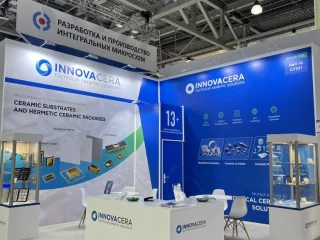
Innovacera will attend Productronica 2025, the world’s leading trade fair for electronic development and production, from November 18–21, 2025, at the Trade Fair Center Messe München. We invite you to visit us at Booth B2 Hall 1409 to explore how our technical ceramic solutions address critical challenges in electronic manufacturing, from high-density packaging to thermal management and precision assembly.


Ceramic Packages: The Gateway to Advanced Electronic Manufacturing

Productronica 2025 brings together the global electronics industry, featuring innovations in PCB, semiconductor, and assembly technologies. As electronic devices evolve toward miniaturization and higher power densities, traditional materials struggle to meet demands for reliability, thermal performance, and hermeticity. Innovacera’s technical ceramics offer exceptional electrical insulation, high-temperature resistance, and tailored thermal properties, making them ideal for next-generation electronic applications.


Ceramic Packages


Innovacera’s Key Exhibits at Productronica 2025:

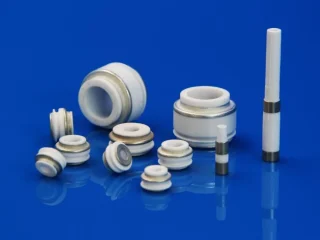
✅ Ceramic Packages (Primary Focus) – Hermetic encapsulation for semiconductors and sensors
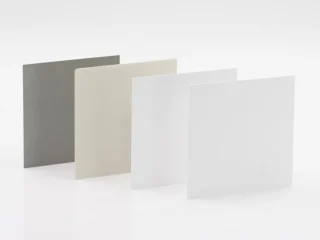
✅ Ceramic Substrates – Materials: Al2O3, ZTA, ALN, Si3N4
✅ Ceramic-to-Metal Solutions & Metallized Ceramics – Customized sealing and integration
✅ Precision Miniature Ceramic Components – For production equipment and automation
✅ Ceramic Heating Elements – Alumina/Silicon Nitride-based, HTCC-processed, compact design with high power density (max. temperature: 1100°C)


ceramic substrates


Ceramic packages serve as a critical entry point for electronic manufacturing, providing robust protection and thermal management for ICs, MEMS, and power devices. Our ceramic substrates (e.g., AlN for high thermal conductivity) enable efficient heat dissipation in high-power circuits, while ceramic-to-metal solutions ensure reliable hermetic sealing for harsh environments. The precision miniature components support automated production lines with wear-resistant and stable performance. Additionally, our HTCC-fabricated ceramic heating elements deliver rapid thermal response and compact integration for applications requiring localized high-temperature control.


Ceramic Fuse Holder


Precision Ceramic Components for Electronics

Whether you are designing advanced PCBs, power modules, or sensor systems, Innovacera’s ceramic solutions enhance performance and longevity. Visit our booth to discuss your specific requirements and learn how our expertise in ceramic packaging, metallization, and custom components can optimize your electronic manufacturing processes.


INNOVACERA SEMICON Europa 2025 Productronica 2025 banner


Event Details:

Productronica 2025
Dates: November 18–21, 2025
Location: Trade Fair Center Messe München, Am Messesee 2, 81829 Munich
Innovacera Booth: B2 Hall 1409


Innovacera will also be exhibiting at another booth during the same event — visit us at [C2 Hall 249] to explore more advanced ceramic solutions: Innovacera to Showcase Advanced Ceramic Solutions for Semiconductor Manufacturing at SEMICON Europa 2025 – Booth #C2/249


Ceramic Packaging for Micro Electro Mechanical Systems (MEMS): Solutions for Harsh Environments

Unlike single-function devices made by traditional manufacturing techniques, Micro Electro Mechanical Systems (MEMS) is a micro-sized controllable electromechanical device system that integrates micro-mechanical structures, sensors, actuators, and electronic components. This type of product has numerous advantages, including small size, light weight, low cost, low power consumption, high reliability, mass producibility, easy integration, and intelligent implementation. This also means that encapsulation not only needs to protect the internal microelectronic components from external impurities, but also provides a stable and controllable physical environment for the internal structure. Different types of MEMS products all have their own unique manufacturing processes and specific packaging forms. Ceramic packages, due to its excellent airtightness, outstanding thermal-mechanical properties, insulation, and thermal stability, generally offers better comprehensive performance in providing long-term reliability protection compared to metal or plastic packaging.


ceramic packaging


Commonly used ceramic packaging materials and characteristics


Aluminum oxide (Al₂O₃): Low cost, excellent insulation properties, commonly used in sensor substrates and packaging casings.

This is the most widely used and technologically mature ceramic packaging material. Its advantages lie in its excellent comprehensive performance and relatively low manufacturing cost. Its high resistivity (up to 10¹⁴ Ω·cm) and high dielectric strength also ensure excellent electrical insulation properties. However, its thermal conductivity is relatively lower than that of aluminum nitride, and it is not suitable for scenarios with extremely high power density.


Aluminum Nitride (AlN): High thermal conductivity, suitable for heat dissipation packaging of high-power MEMS devices.

Its thermal conductivity can reach 170–200 W/m·K, which is several times higher than that of alumina. Meanwhile, its thermal expansion coefficient is very close to that of silicon chips. This can significantly reduce the thermal stress generated by the package on the chip when the temperature changes, thereby enhancing the lifespan and stability of the device in harsh temperature environments. Therefore, it is commonly found in the packaging of high-power LEDs, lidar systems, high-performance computing chips, and tactical-level MEMS sensors.


Silicon nitride (Si₃N₄): High strength and chemical resistance, suitable for MEMS in harsh environments.

The advantage lies in its outstanding comprehensive mechanical properties, especially its extremely high fracture toughness and bending strength, which can provide unparalleled shock and vibration protection for sensitive MEMS structures. However, its manufacturing cost is higher than that of alumina. It is usually applied in scenarios that have extremely high requirements for reliability and mechanical strength, rather than in cost-sensitive consumer electronics.


Forms and processes of ceramic packaging


Co-fired ceramics (LTCC/HTCC): Suitable for mass production and capable of integrated wiring.

This process combines multiple layers of raw porcelain with metal circuits and conducts a high-temperature co-firing operation at one time, resulting in an airtight assembly containing complex three-dimensional interconnection structures. It not only facilitates mass production to reduce costs, but also enables high-density wiring and the embedding of passive components (resistors, capacitors, inductors), thereby enhancing the integration and miniaturization level of MEMS devices.


Hermetic packaging: Based on a ceramic substrate, it achieves long-term stability through metallization and glass brazing/laser welding.

This structure is the key to ensuring the long-term reliability of MEMS devices (such as gyroscopes, resonators). It undergoes metallization treatment on a ceramic substrate to form a sealing ring, which is then fused with the cover plate using glass brazing or laser welding, creating an internal inert or vacuum environment that can isolate moisture and contaminants, ensuring the stable performance of sensitive microstructures over long-term use.


Microchannel ceramic packaging: Integrated channel design for fluid MEMS and gas sensors.

Utilizing precision processing techniques such as laser ablation and solution coating stacking, microfluidic channels are directly manufactured within the ceramic substrate. This encapsulation process is essential for realizing functional MEMS devices such as microfluidic controllers, biochips, and gas sensors, as it enables controlled interaction between the working fluid and the sensing chip.


Application Examples


1. MEMS Gyroscope and Accelerometer: Used in aerospace and autonomous driving
The inertial sensor requires the internal micro-mass block to move in a vacuum environment to avoid the influence of air damping on the signal sensitivity, thereby achieving extremely high detection accuracy. The ceramic gas seal ensures the long-term stability of the internal vacuum environment and is the lifeline that guarantees its high precision and reliability.


2. MEMS Pressure Sensor: Used in automotive engine compartments and oil well monitoring

In extreme environments such as high temperature, high pressure, and corrosive media, ceramic packaging can serve as a mechanical isolation layer, preventing external stress from directly acting on the sensitive silicon chips. At the same time, its corrosion-resistant property enables it to come into direct contact with harsh media, which ensures the accuracy of the signal output.


3. RF MEMS Switches and Filters: For 5G/6G Communications and Radar Systems
These devices are extremely sensitive to high-frequency signals and require a stable working environment. Improper packaging can seriously degrade the Q value and insertion loss of the devices. Ceramic packaging (such as LTCC) offers low-loss transmission paths, excellent thermal management capabilities, and enables the embedding of multiple passive components (such as inductors and capacitors) onto the substrate, facilitating the miniaturization of system-level packaging.


Ceramic packaging in MEMS systems is far from being merely a simple protective shell. It plays a crucial role in ensuring the long-term stability and reliability of the devices in harsh environments, and can create a high-quality internal environment for MEMS devices to survive and function.


Enquiry